.png)

Choosing the right roofing system is one of the most important decisions for any commercial property owner or facility manager. With several types of commercial roofing systems available, each offering unique advantages, selecting the right option can directly impact your building’s durability, energy efficiency, and long-term maintenance costs.
Understanding how different commercial roofing systems explained perform in various conditions helps ensure you invest in a solution that meets your building’s needs. This guide breaks down the most common commercial roof types, their benefits, and how to determine the best commercial roofing system for your property.
What Are Commercial Roofing Systems?
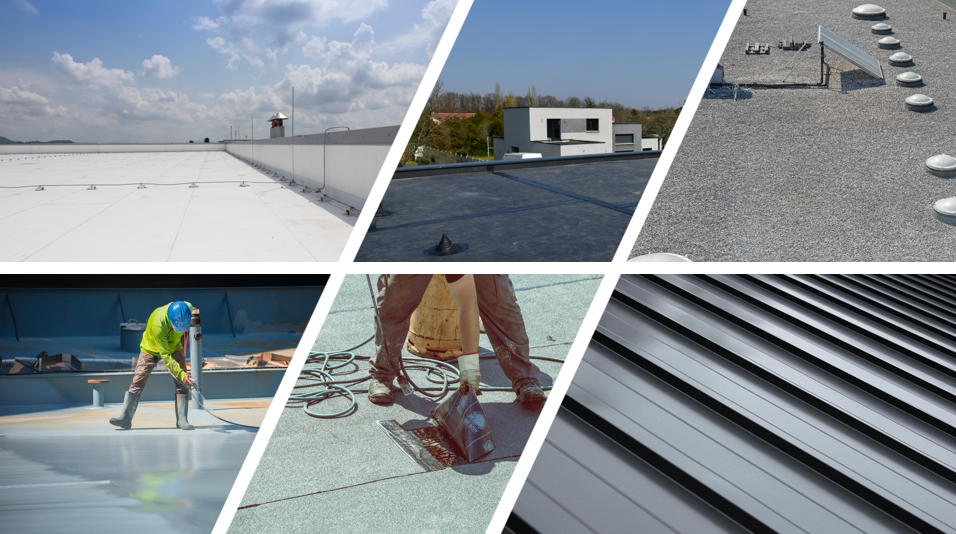
Commercial roofing systems are specialized roof designs built for flat or low-slope structures commonly found in warehouses, office buildings, retail centers, and industrial facilities. Unlike residential roofs, these systems are engineered to handle large surface areas, rooftop equipment, and unique drainage challenges.
Most types of commercial roofing systems focus on durability, waterproofing, and energy efficiency while accommodating structural demands. These systems must also withstand foot traffic, environmental exposure, and mechanical stress from rooftop installations, making proper system selection critical.
Key Components of Commercial Roofing Systems
Before exploring specific materials, it’s important to understand that most commercial roofing systems explained consist of multiple layers working together to protect the building. Each component plays a role in ensuring performance and longevity.
Typical components include:
- Roof deck: The structural base that supports the roofing system
- Insulation layer: Improves energy efficiency and temperature control
- Membrane or surface layer: Provides waterproofing and weather resistance
- Flashing and sealants: Protect vulnerable areas like seams and penetrations
Understanding these layers helps property owners better evaluate different commercial roofing options and their long-term value.
Types of Commercial Roofing Systems
Single-Ply Membrane Roofing Systems
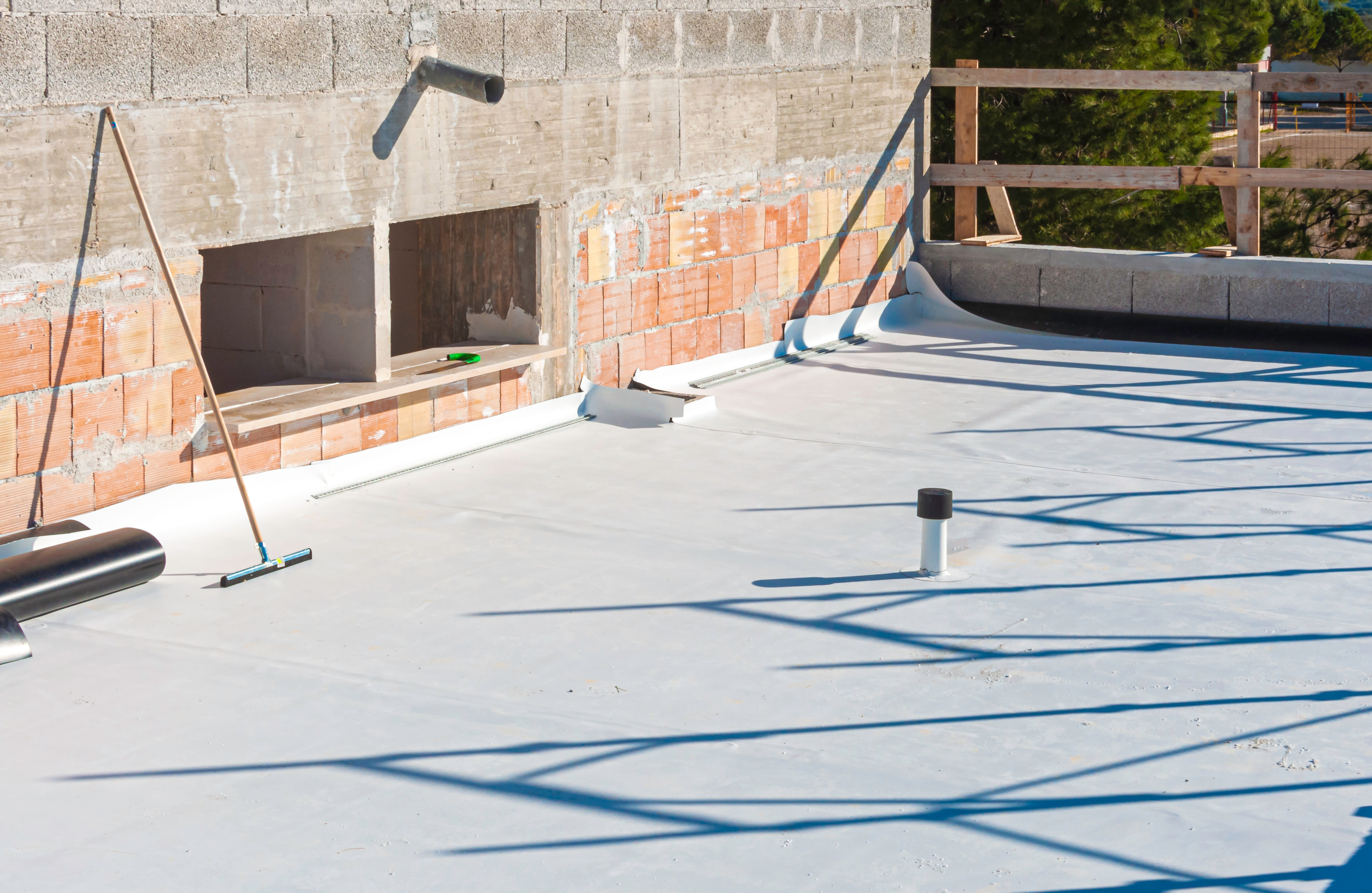
Single-ply membranes are among the most popular commercial roof types due to their flexibility, durability, and ease of installation. These systems consist of large sheets that are either mechanically fastened, adhered, or heat-welded to create a watertight barrier. Because of their lightweight design and versatility, single-ply systems are widely used in both new construction and roof replacement projects.
TPO Roofing (Thermoplastic Polyolefin)
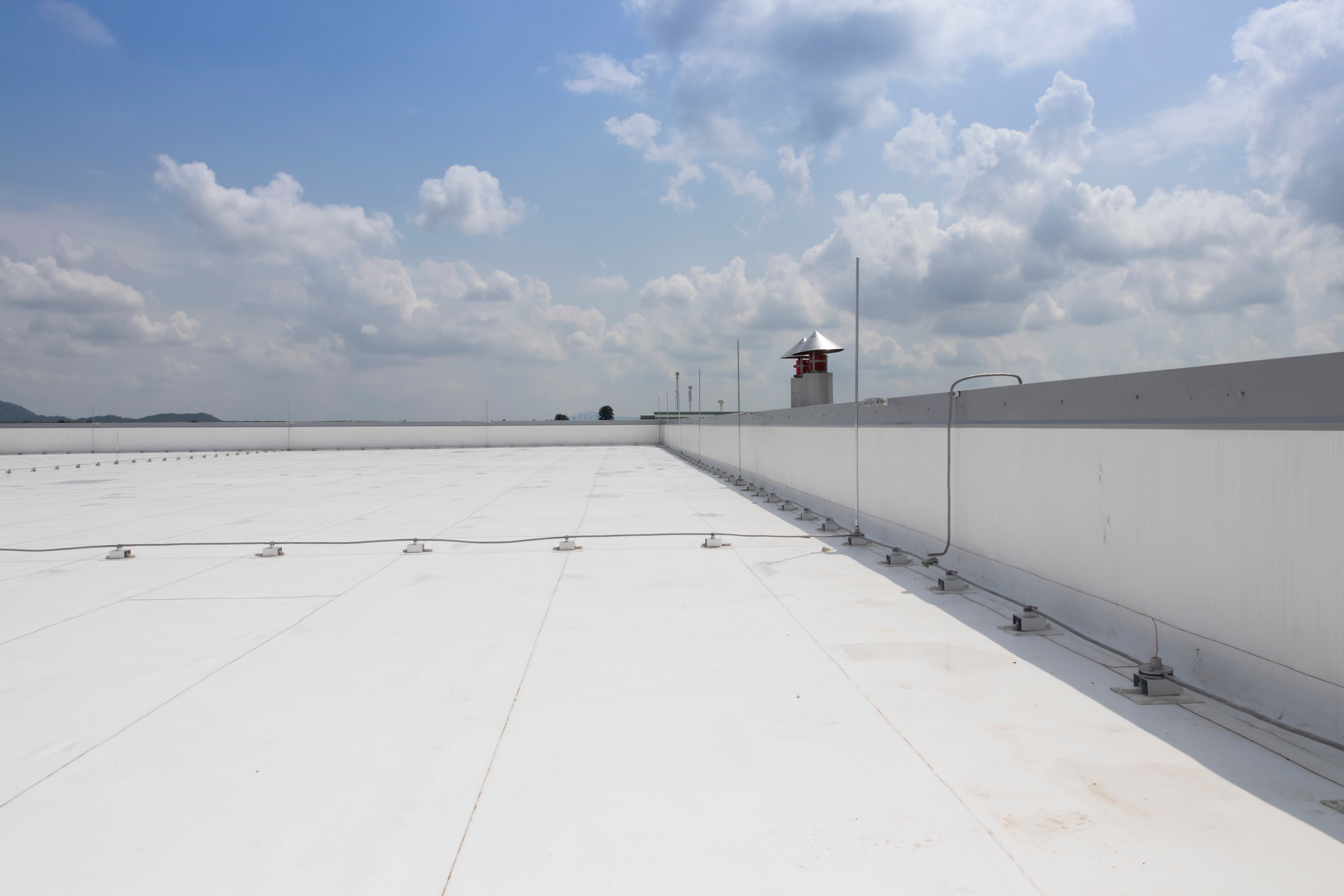
TPO is one of the fastest-growing types of commercial roofing systems because of its balance between performance and affordability. Its reflective surface makes it a strong choice for energy-efficient commercial roofing, especially in regions with high temperatures.
Key benefits of TPO roofing include:
- High reflectivity for improved energy efficiency
- Resistance to UV radiation and heat damage
- Flexible material that handles thermal expansion
- Cost-effective compared to other systems
TPO is widely used in flat commercial roofing systems due to its ability to reduce cooling costs and maintain long-term performance.
PVC Roofing (Polyvinyl Chloride)
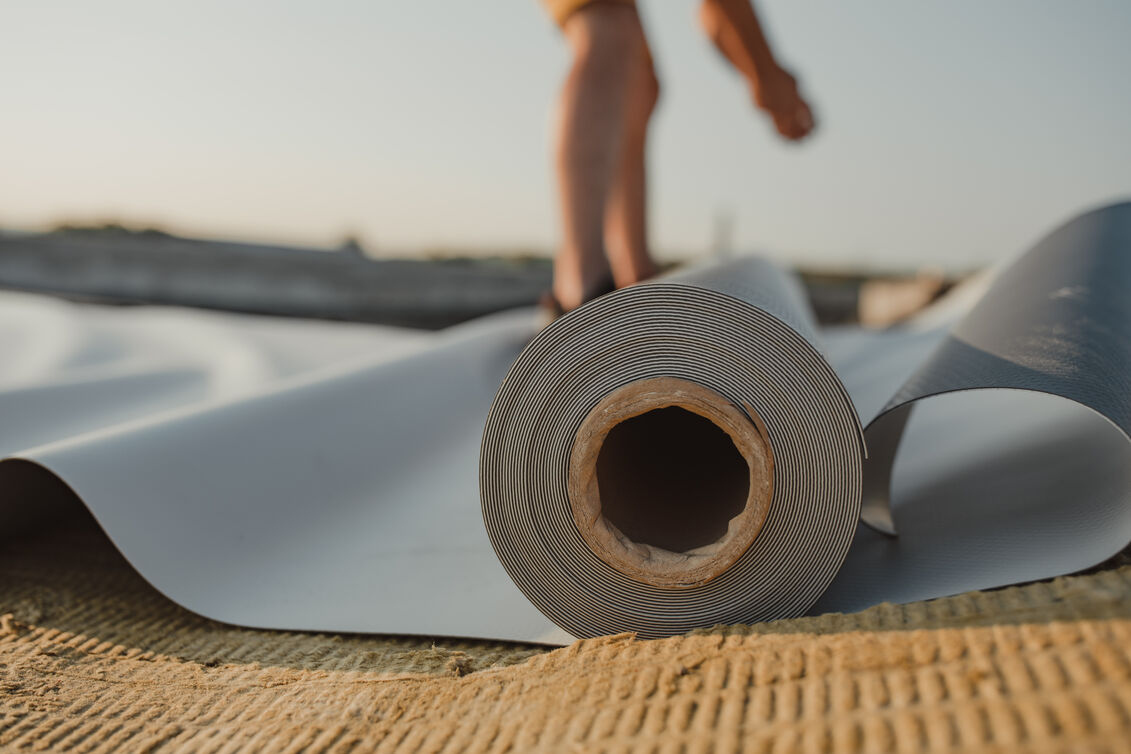
PVC roofing is another high-performance membrane known for its strength and durability. It is particularly well-suited for buildings exposed to chemicals, grease, or high heat, making it a top-tier commercial roofing option.
Advantages of PVC roofing include:
- Heat-welded seams for superior leak protection
- Strong resistance to chemicals and fire
- Long lifespan with minimal degradation
- Excellent performance in harsh environments
Because of its durability, PVC is often considered one of the most reliable commercial roofing systems explained for demanding applications.
EPDM Roofing (Ethylene Propylene Diene Monomer)
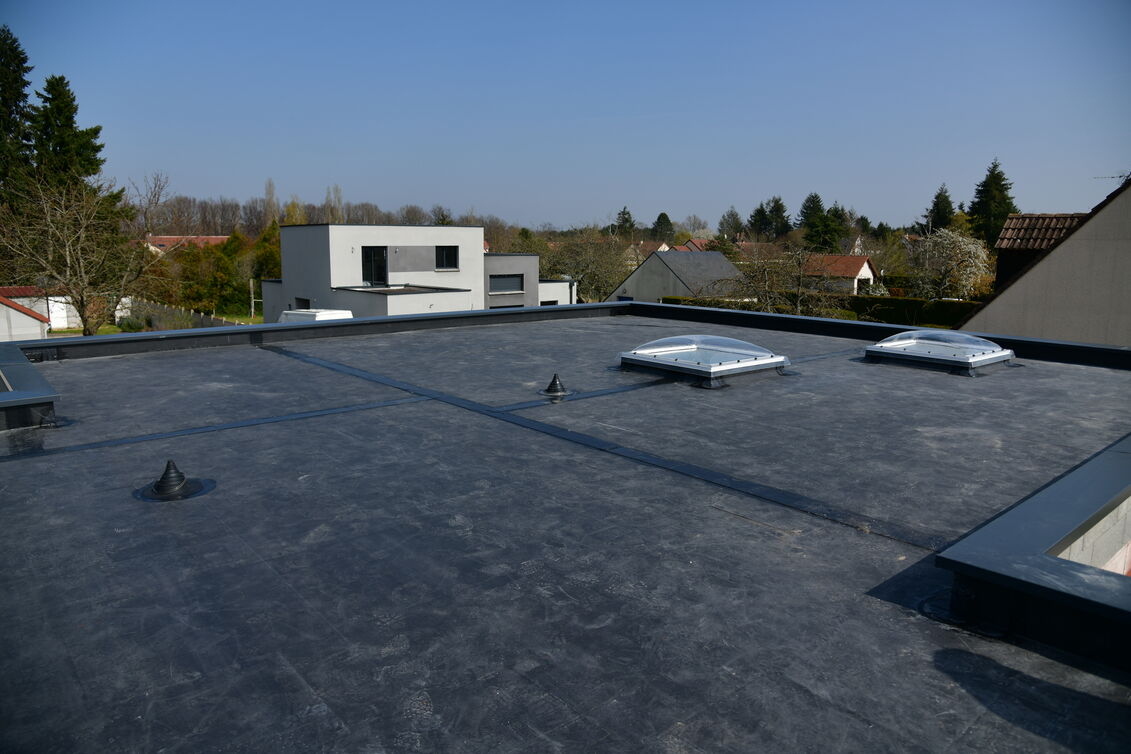
EPDM is a synthetic rubber roofing system known for its flexibility and weather resistance. It performs especially well in climates with temperature fluctuations, making it a dependable commercial roofing material.
Key features of EPDM include:
- Excellent resistance to UV radiation
- Strong flexibility in extreme temperatures
- Long service life with proper maintenance
- Cost-effective installation
Although less reflective, EPDM remains a widely used material among commercial roof types for its durability and proven track record.
Built-Up Roofing (BUR) Systems
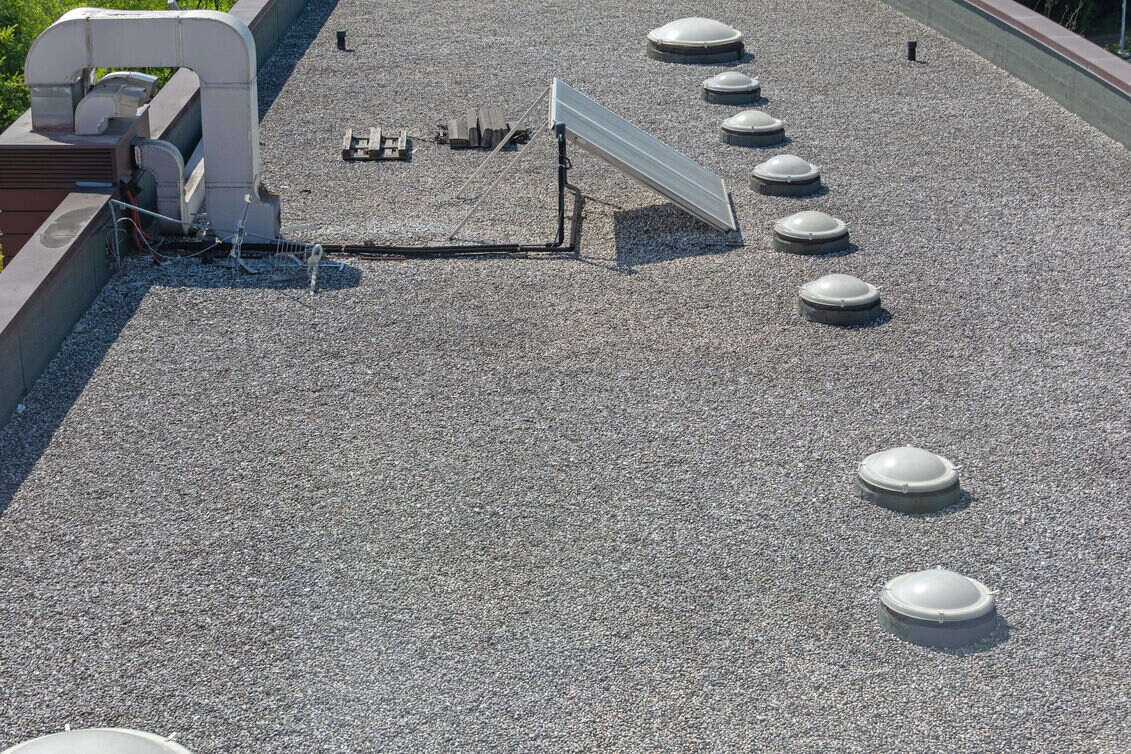
Built-up roofing is one of the most traditional types of commercial roofing systems, consisting of multiple layers that create a thick, durable waterproof barrier. These layers are typically reinforced with gravel or coatings to improve durability and UV resistance. BUR systems are especially effective for buildings that require heavy-duty protection and resistance to foot traffic or environmental wear.
Key advantages include:
- Multiple layers for enhanced durability
- Strong resistance to water penetration
- Proven long-term performance
- Effective protection when paired with coatings
BUR systems continue to be a trusted commercial roofing option for buildings requiring reliability and strength.
Modified Bitumen Roofing
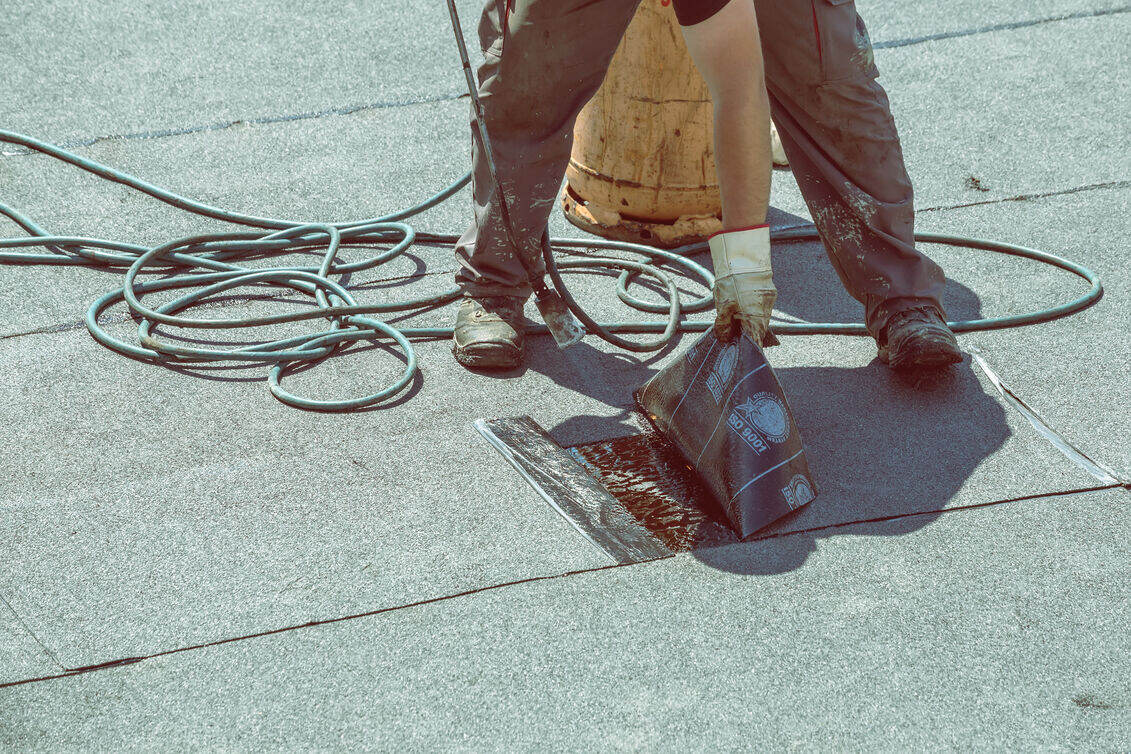
Modified bitumen is a modern evolution of traditional BUR and is commonly used in flat commercial roofing systems. It incorporates polymers to improve flexibility, making it more resistant to cracking and environmental stress. This system offers a balance between traditional durability and modern performance, making it suitable for a wide range of commercial applications.
Benefits include:
- Enhanced flexibility and strength
- Resistance to tears and punctures
- Easier installation methods
- Compatibility with reflective coatings
Modified bitumen is often selected as a cost-effective commercial roofing material that delivers dependable performance.
Metal Commercial Roofing Systems
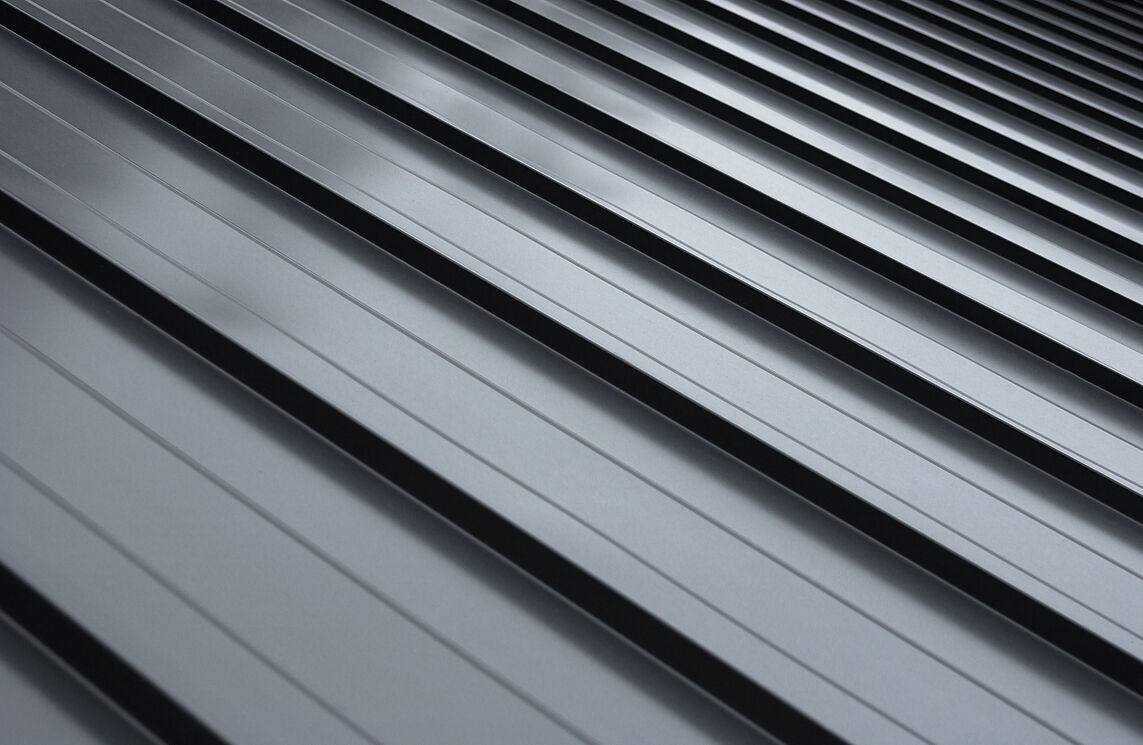
Metal roofing is one of the most durable types of commercial roofing systems, offering exceptional longevity and resistance to environmental damage. These systems are commonly used for industrial buildings, warehouses, and facilities requiring long-term durability. Metal roofs can also be coated or treated to improve reflectivity, making them a strong option for energy-efficient commercial roofing.
Advantages include:
- Long lifespan (often 40+ years)
- Resistance to fire, wind, and impact
- Reflective coatings for improved efficiency
- Low maintenance requirements
Because of its durability, metal is often considered a top contender for the best commercial roofing system in long-term applications.
Spray Polyurethane Foam (SPF) Roofing
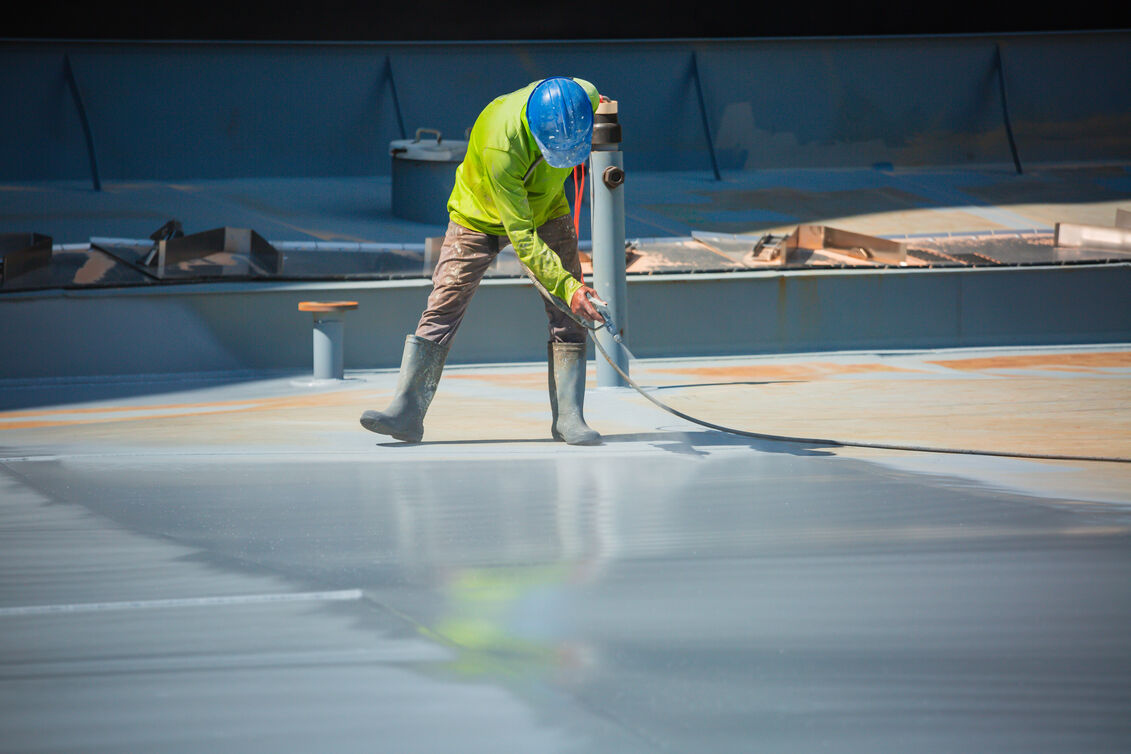
SPF roofing creates a seamless, insulated layer that improves both waterproofing and energy performance. This makes it one of the most adaptable commercial roofing options available today, particularly for buildings with complex layouts. Its ability to expand and conform to surfaces allows it to cover gaps and irregularities that other systems may struggle with.
Key benefits include:
- Seamless waterproof barrier
- High insulation value
- Reduced energy costs
- Adaptability to complex roof layouts
SPF is frequently used in flat commercial roofing systems where insulation and leak prevention are priorities.
Green and Sustainable Roofing Systems
.jpeg)
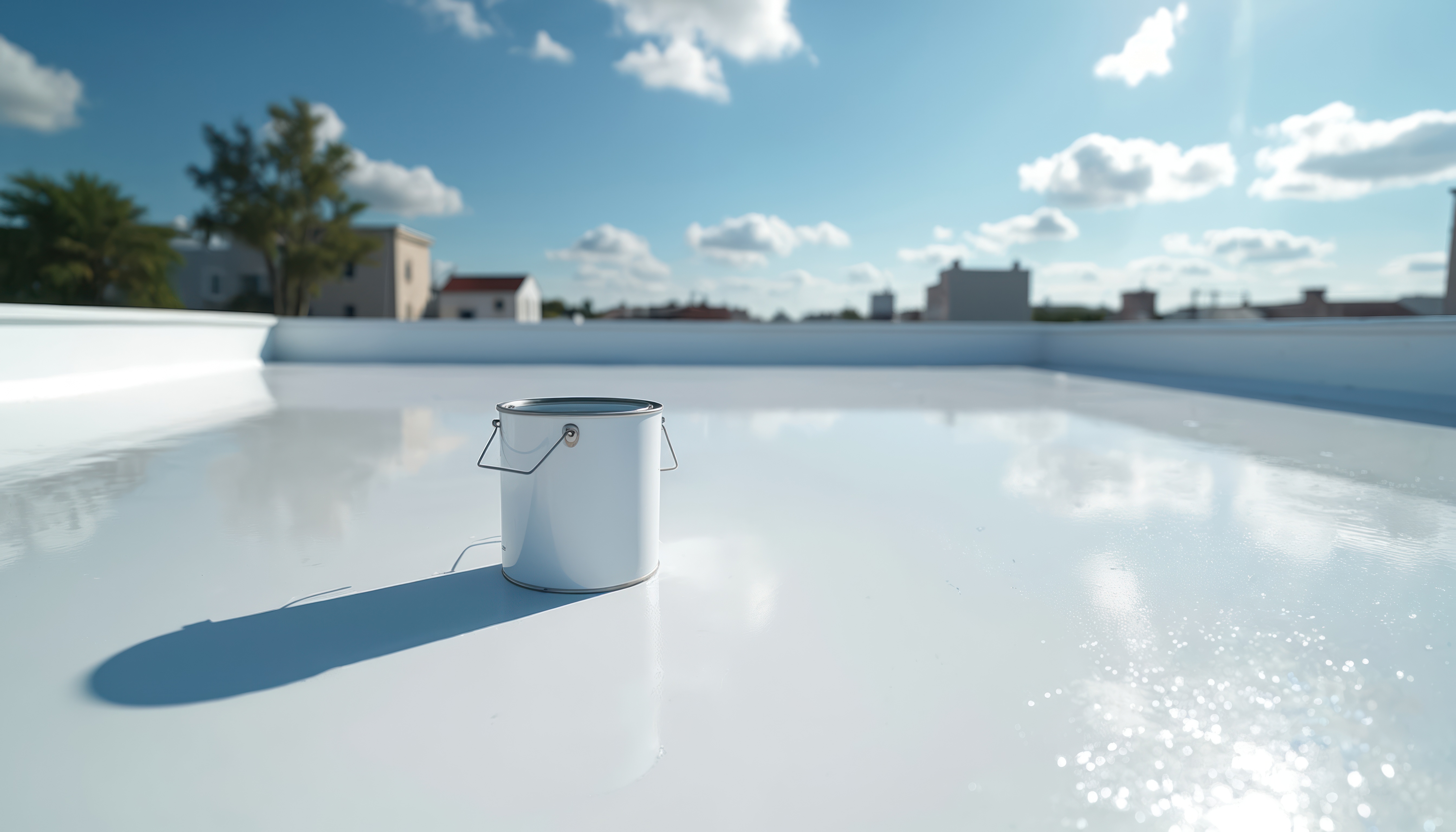
Sustainability is becoming increasingly important in commercial construction, leading to the rise of environmentally friendly commercial roofing options. Green roofing systems include vegetative roofs and cool roofs designed to reduce environmental impact and improve energy efficiency. These systems help lower building temperatures, manage stormwater, and contribute to long-term sustainability goals.
Benefits include:
- Improved energy efficiency
- Reduced urban heat island effect
- Enhanced insulation performance
- Increased roof lifespan
Green roofing systems are ideal for businesses looking to combine performance with environmental responsibility.
Factors That Impact Roofing System Performance
Beyond material selection, several external factors influence how well commercial roofing systems explained perform over time. Understanding these variables can help property owners make better long-term decisions.
Important considerations include:
- Climate and weather exposure
- Roof traffic and usage
- Quality of installation
- Maintenance frequency
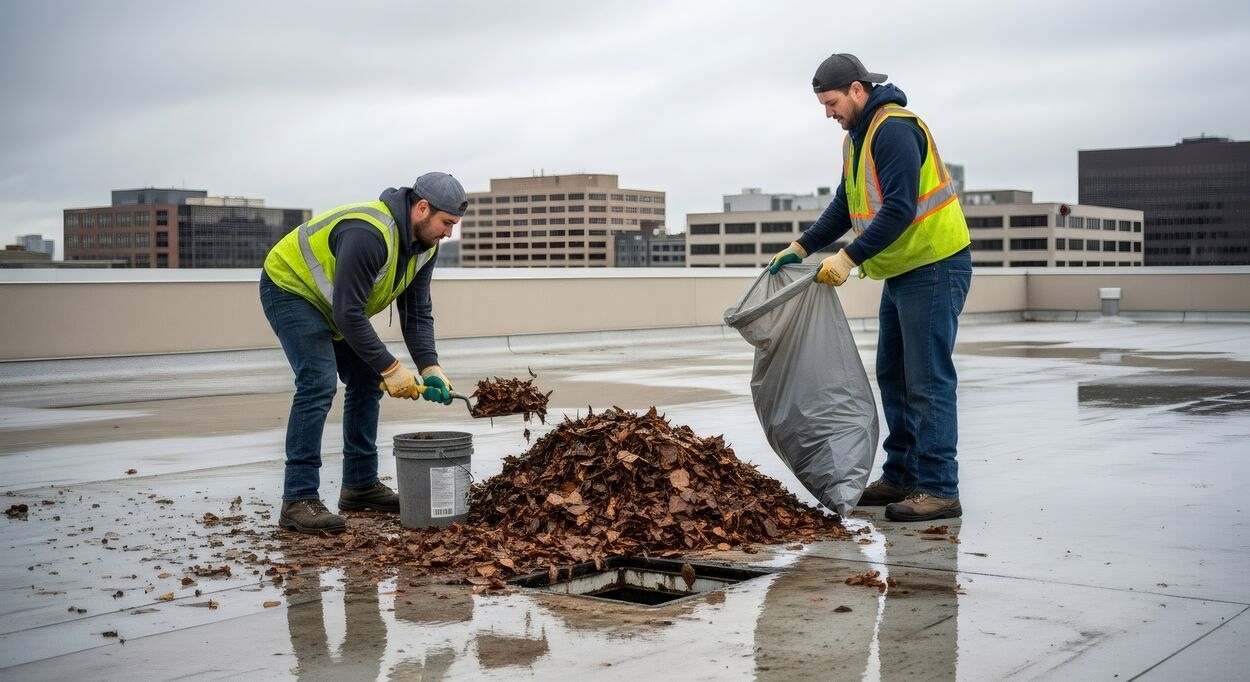
- Drainage system performance
Even the best commercial roofing system can fail prematurely if these factors are not properly addressed.
Choosing the Right Commercial Roofing System
Selecting the best system from the many types of commercial roofing systems requires careful evaluation of your building’s structure and long-term goals. Each option provides unique benefits depending on the environment and intended use.
Important factors include:
- Building size and layout
- Climate conditions
- Budget and lifecycle cost
- Maintenance expectations
- Energy efficiency needs
Understanding these considerations helps determine the best commercial roofing system for your property.
Protect Your Investment with the Right Roofing System
Investing in the right commercial roofing system is essential for protecting your building and minimizing long-term costs. By understanding the different commercial roofing systems explained, property owners can make informed decisions that improve efficiency and extend roof lifespan. Partnering with Solameer ensures your roofing system is installed and maintained with expert precision, helping you maximize performance and long-term value.
Frequently Asked Questions
How often should a commercial roof be inspected?
A commercial roof should typically be inspected at least twice a year. Additional inspections are recommended after major storms or severe weather events.
What are the most common types of commercial roofing systems?
The most common types of commercial roofing systems include TPO, PVC, EPDM, metal roofing, modified bitumen, and built-up roofing. Each system offers different advantages depending on durability, cost, and performance needs.
Which commercial roofing system lasts the longest?
Metal roofing is often considered the best commercial roofing system for longevity, with lifespans exceeding 40 years. Other systems like PVC and EPDM can also last decades with proper maintenance.
What causes most commercial roof leaks?
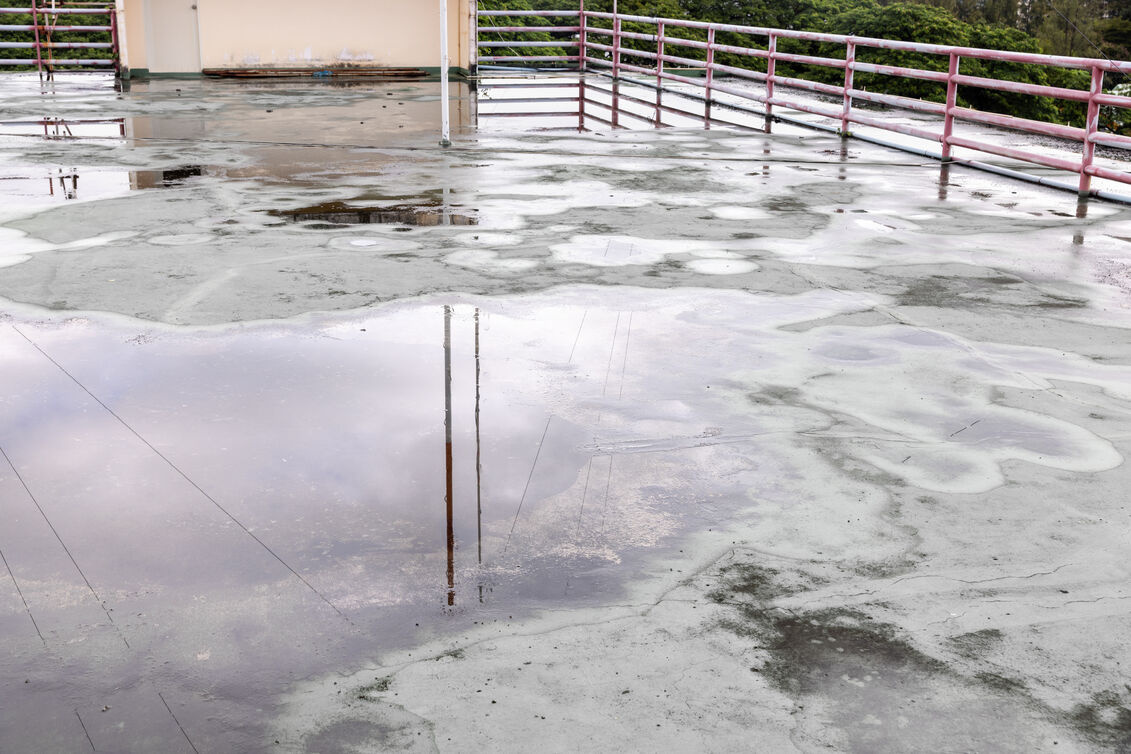
Most leaks are caused by damaged seams, poor drainage, or deteriorating flashing around penetrations. Lack of maintenance can allow small issues to develop into major problems over time.
Can a commercial roof be repaired instead of replaced?
Many commercial roofs can be repaired if the damage is localized and the overall system is still in good condition. A full replacement is usually recommended when the roof has widespread deterioration or has reached the end of its lifespan.
What is the most energy-efficient commercial roofing system?
TPO and PVC are leading options for energy-efficient commercial roofing due to their reflective surfaces. These systems help reduce heat absorption and lower cooling costs.
What is the role of insulation in a commercial roof?
Insulation helps regulate indoor temperatures and improves overall energy efficiency. It also adds an extra layer of protection against moisture and thermal fluctuations.
How do I choose the right commercial roofing system?
Choosing the right system depends on building design, climate, and budget. Evaluating different commercial roofing options ensures you select the best fit for your needs.
How long does it take to install a commercial roof?
Installation time varies depending on the size of the building and the type of system being used. Most projects can take anywhere from a few days to several weeks to complete.


.jpeg)