.jpeg)

Oregon’s weather is defined by persistent rainfall, heavy moisture, and long stretches of cloudy, damp conditions—especially in the western regions. For commercial property owners, these conditions can accelerate roof deterioration if proper protections aren’t in place. Understanding what is commercial roofing and how moisture affects different roofing systems is key to keeping your building safe, dry, and structurally sound.
Whether you manage a warehouse in Portland, an industrial facility in Eugene, or a coastal property in Newport, a moisture-resistant roofing system is essential for long-term reliability. Below are the most effective waterproof roofing strategies for Oregon’s unique climate.
Our Commercial Roofing Services in Oregon
Understanding Oregon’s Moisture Challenges
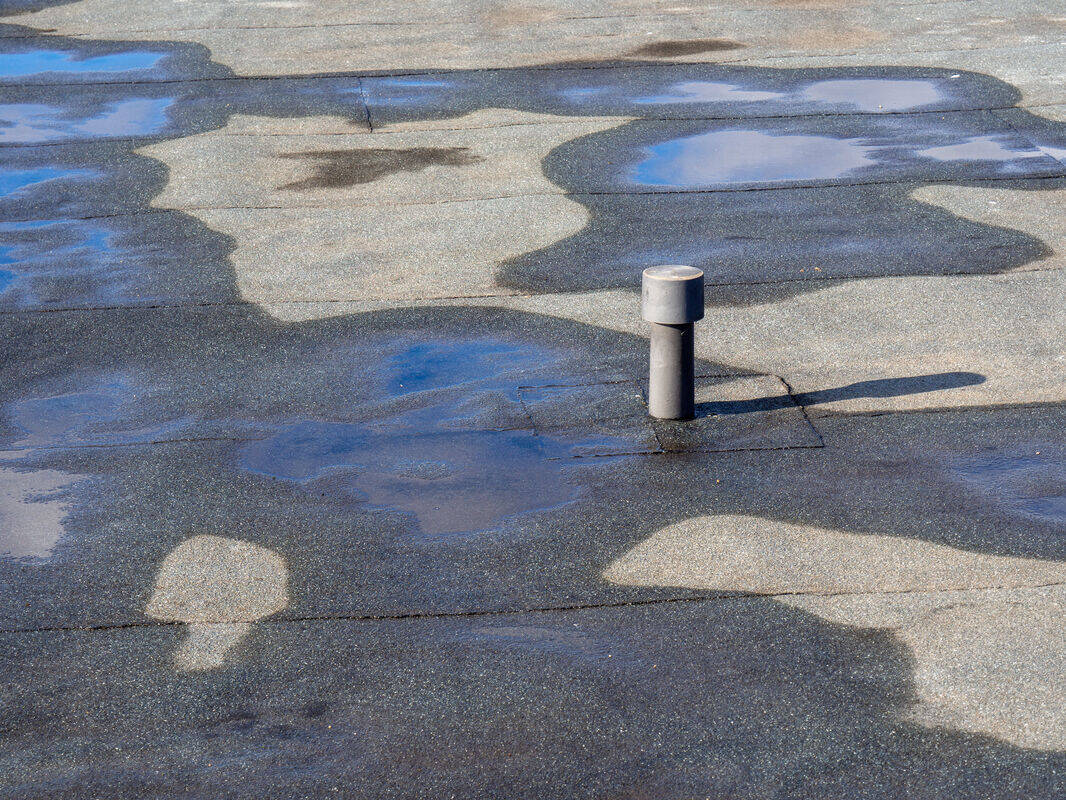
Oregon’s buildings endure environmental stressors that differ significantly from storm-heavy states. Consistent moisture, rather than wind or hail, is the leading cause of commercial roofing deterioration here. Below are the most common challenges.
1. Persistent Rainfall and Standing Water
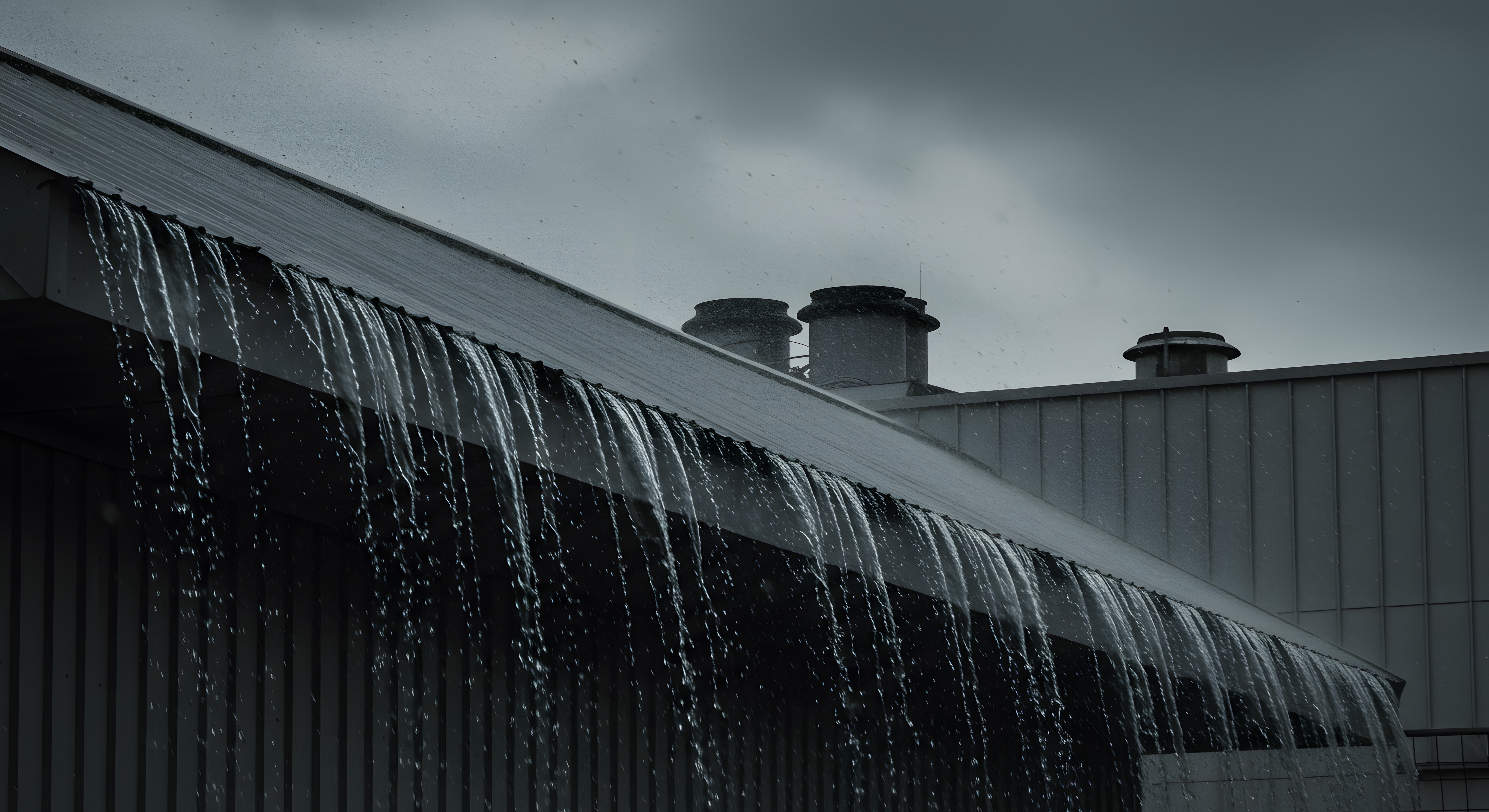
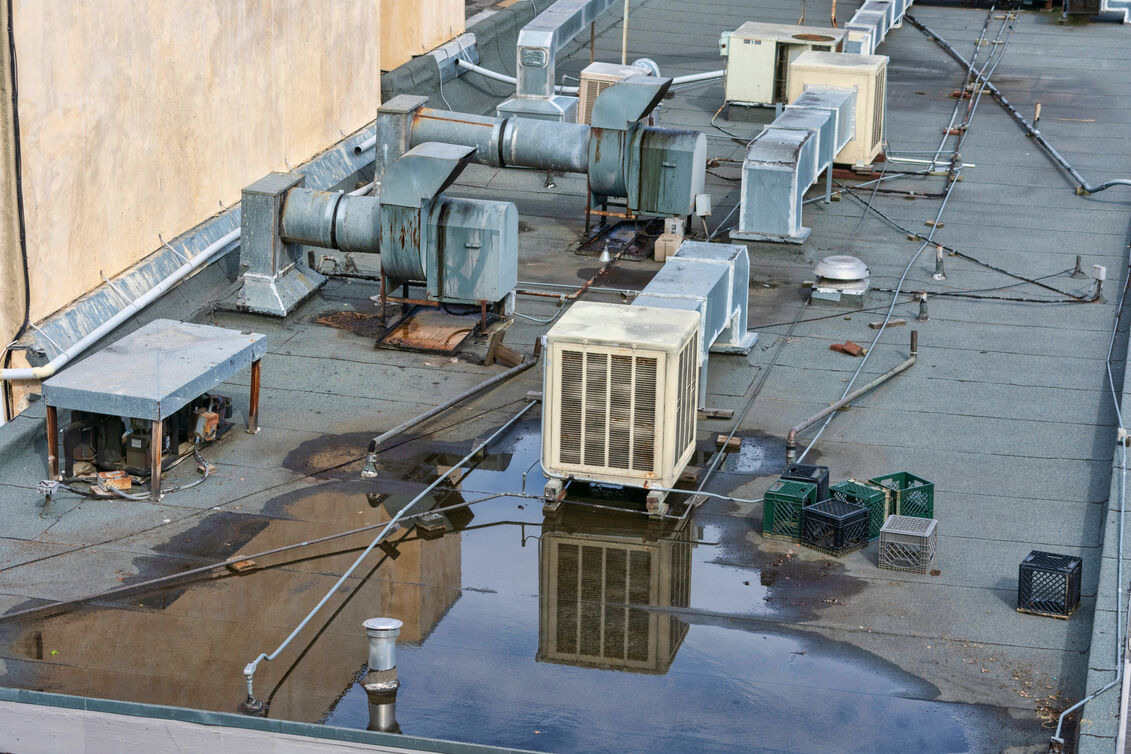
Many areas of Oregon experience rainfall for more than half the year. The constant wet conditions can infiltrate weak points in the roof, contributing to:
- Membrane deterioration
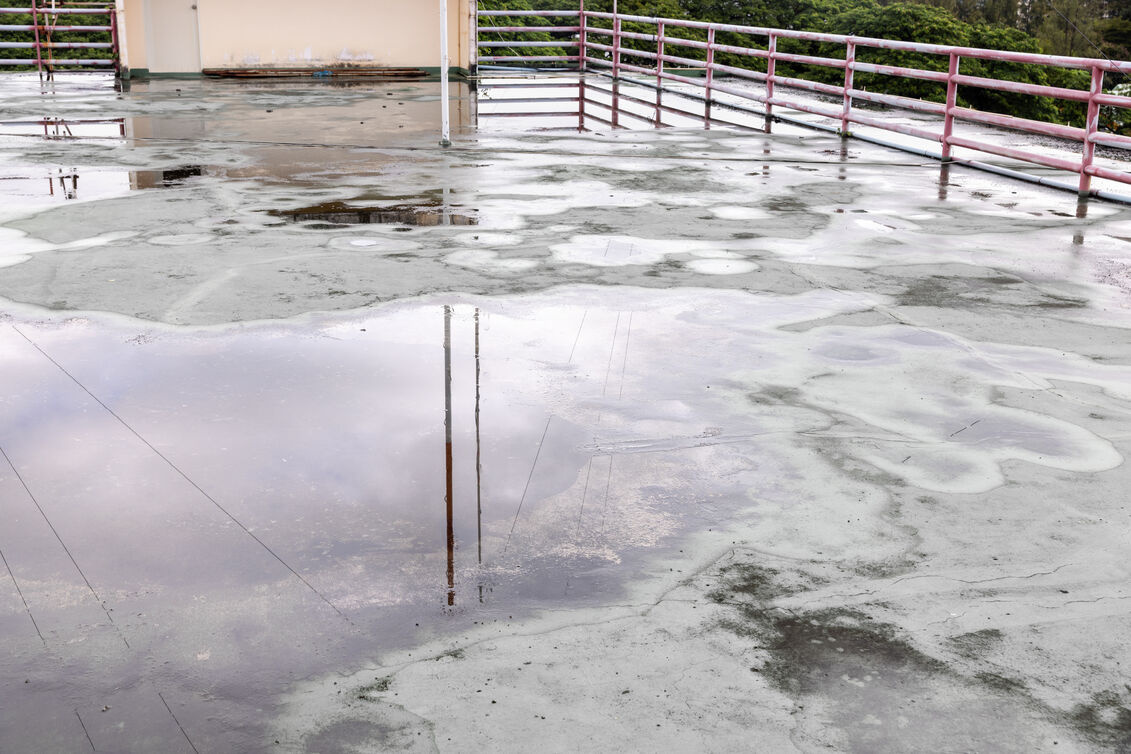
- Ponding water
- Moss and algae growth
- Rot in underlying materials
- Accelerated degradation of seams and flashing
Is roofing felt waterproof? Traditional felt underlayments offer some moisture resistance but are not fully waterproof—making them insufficient on their own in Oregon’s climate without additional sealing or protective membranes.
2. High Humidity and Limited Drying Time
Moisture doesn’t evaporate quickly in Oregon’s cool, damp environment. Without adequate ventilation and waterproofing measures, humidity can cause:
- Condensation within roof assemblies
- Mold and mildew growth
- Rusting of metal components
- Reduced insulation performance
The lack of strong, consistent sun exposure means roofs stay wet longer, compounding the risk.
3. Coastal Weather and Salt Exposure
Coastal Oregon faces additional challenges, including:
- Salt-laden air
- High winds
- Frequent fog and mist
- Accelerated corrosion
Commercial properties near the ocean benefit greatly from waterproof roofing systems designed to resist both moisture and salt deterioration.
Best Moisture-Proof Roofing Systems for Oregon Businesses
Below are durable, long-term solutions engineered to combat Oregon’s persistent wet weather.
1. Install a Moisture-Resistant Roofing System
Choosing the right roofing system is the most important factor in minimizing water-related damage. Materials designed specifically for wet climates provide consistent protection throughout Oregon’s rainy seasons.
Recommended Moisture-Proof Roofing Options
- Seam-welded for superior waterproofing
- Excellent resistance to algae and mold
- Ideal for flat or low-slope roofs prone to ponding water
- Highly durable and flexible in cold temperatures
- Strong resistance to long-term moisture exposure
- Popular for large commercial facilities
- Multi-layered system built to handle prolonged wet conditions
- Very effective against leaks, especially along seams and penetrations
These roofing systems often pair well with a waterproof roof coating for added protection and energy efficiency.
2. Use High-Quality Flashing and Perimeter Sealing
Improper or worn flashing is one of the most common sources of leaks in Oregon. Given the frequency of rain, even small failures can lead to major interior damage.
Moisture-Proof Flashing Enhancements
- Install corrosion-resistant metal flashing
- Use high-performance sealants for edges and penetrations
- Reinforce curbs around HVAC units and skylights
- Replace aging flashing before it fails
Enhancing these areas significantly improves overall commercial roof protection and prevents water from entering vulnerable points.
3. Improve Roof Drainage for Long-Term Reliability
Drainage performance is critical in Oregon where water often lingers for days—or weeks—with little sunlight to help it evaporate.
Effective Drainage Improvements
- Add tapered insulation to eliminate ponding zones
- Install overflow scuppers or secondary drains
- Improve gutter sizing and slope
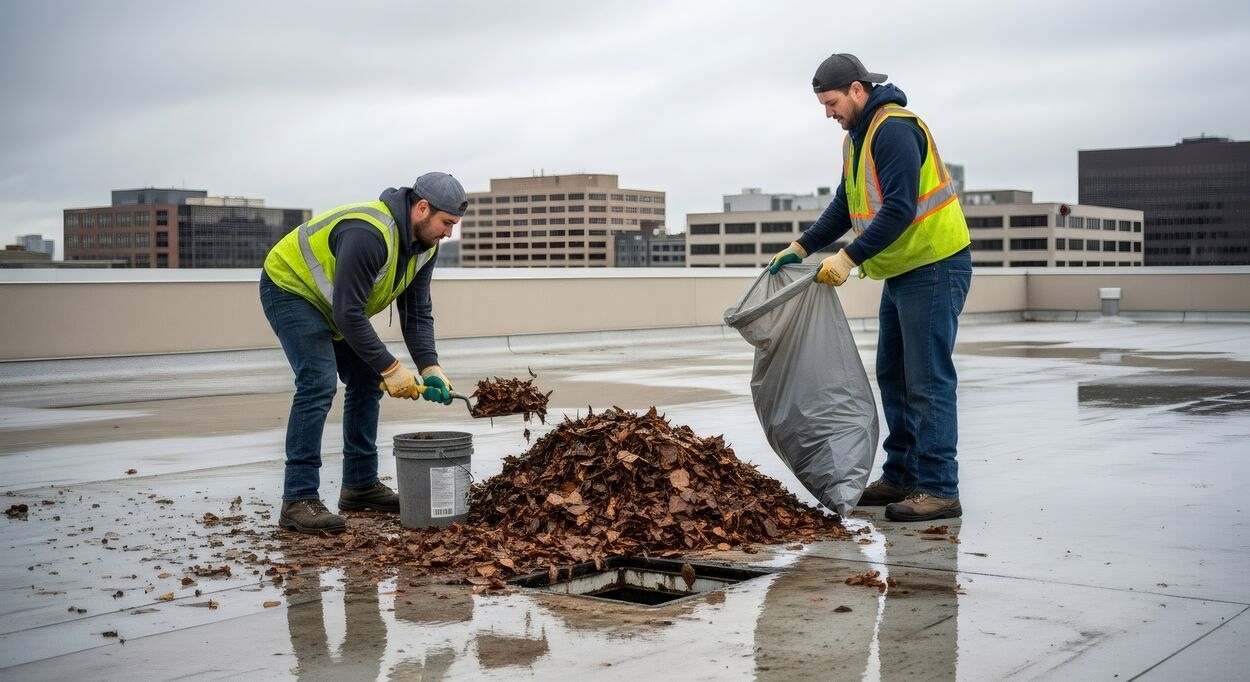
- Clear debris regularly to ensure unobstructed flow
- Inspect downspouts for clogs during rainy months
Proper drainage is one of the foundational elements of waterproof roofing, especially for flat commercial roofs that experience repeated ponding during winter.
4. Apply a Waterproof Roof Coating
One of the most beneficial upgrades for Oregon properties is the application of a waterproof roof coating. These coatings form a seamless, watertight barrier that protects the existing roof from moisture intrusion.
Benefits of Waterproof Roof Coatings
- Create a continuous waterproof membrane
- Reduce moss and algae growth
- Enhance UV protection during summer months
- Extend the life of aging roofing systems
- Offer cost-effective leak prevention without full replacement
Coatings are especially valuable on roofs nearing the end of their lifespan but not yet requiring replacement.
5. Schedule Ongoing Moisture-Focused Inspections
Regular roof inspections are essential in wet climates where leaks can develop slowly and remain hidden for long periods.
Common Issues Found During Moisture Inspections
- Soft spots in the membrane
- Moisture beneath insulation
- Deteriorated flashing
- Worn seams
- Algae buildup
- Condensation damage
Early detection prevents small moisture issues from becoming costly repairs—preserving the performance of your waterproofing system.
Additional Measures for Enhanced Moisture Protection
Beyond roofing membranes and coatings, several supplemental solutions can significantly improve building resilience in wet conditions.
Moisture-Resistant Insulation Boards
Using insulation materials rated for high-moisture environments reduces the risk of water absorption and mold growth. They help keep the roof dry from below while supporting energy efficiency.
Ventilation Improvements
Improving ventilation prevents condensation buildup within the roof assembly—a common issue in Oregon’s cool, damp months. Proper airflow helps materials dry faster and reduces humidity-related deterioration.
Protective Walk Pads
Walk pads help avoid membrane punctures during maintenance visits. This is essential in Oregon where moisture makes surfaces more slippery and prone to incidental damage.
Corrosion-Resistant Fasteners and Components
Coastal facilities especially benefit from stainless steel or coated fasteners, which resist moisture and salt exposure.
Why Partner With Solameer for Moisture-Proof Roofing?
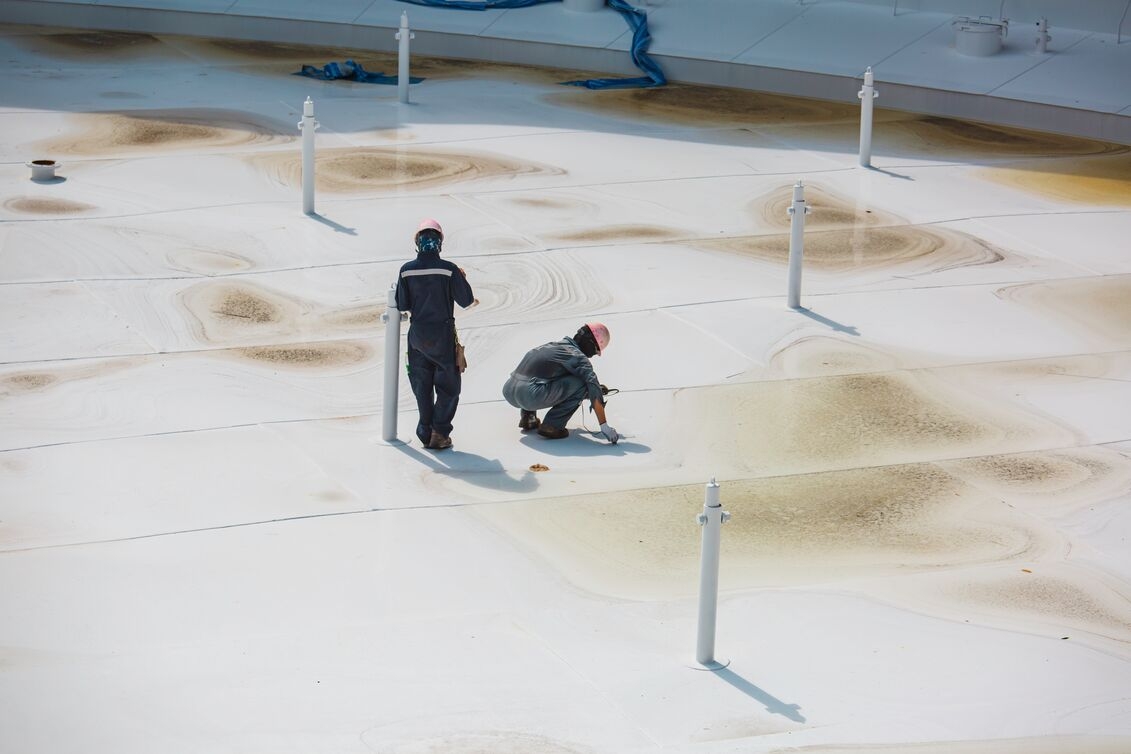
Solameer delivers waterproof roofing solutions designed specifically for Oregon’s year-round moisture challenges. Our team understands how persistent rain, cold temperatures, and coastal conditions affect commercial roofing systems—and we use materials and techniques engineered to perform under these pressures. We help businesses create long-lasting moisture barriers that reduce leaks, preserve structural integrity, and lower maintenance costs.
Our services include:
- Detailed moisture-focused roof assessments
- Emergency leak repair and remediation
- Long-term preventative maintenance plans
- High-performance waterproof roofing installations
- Guidance on materials, warranties, and service life
Our mission is to keep your business dry, protected, and operational regardless of Oregon’s weather.
Protect Your Oregon Business from Moisture Damage
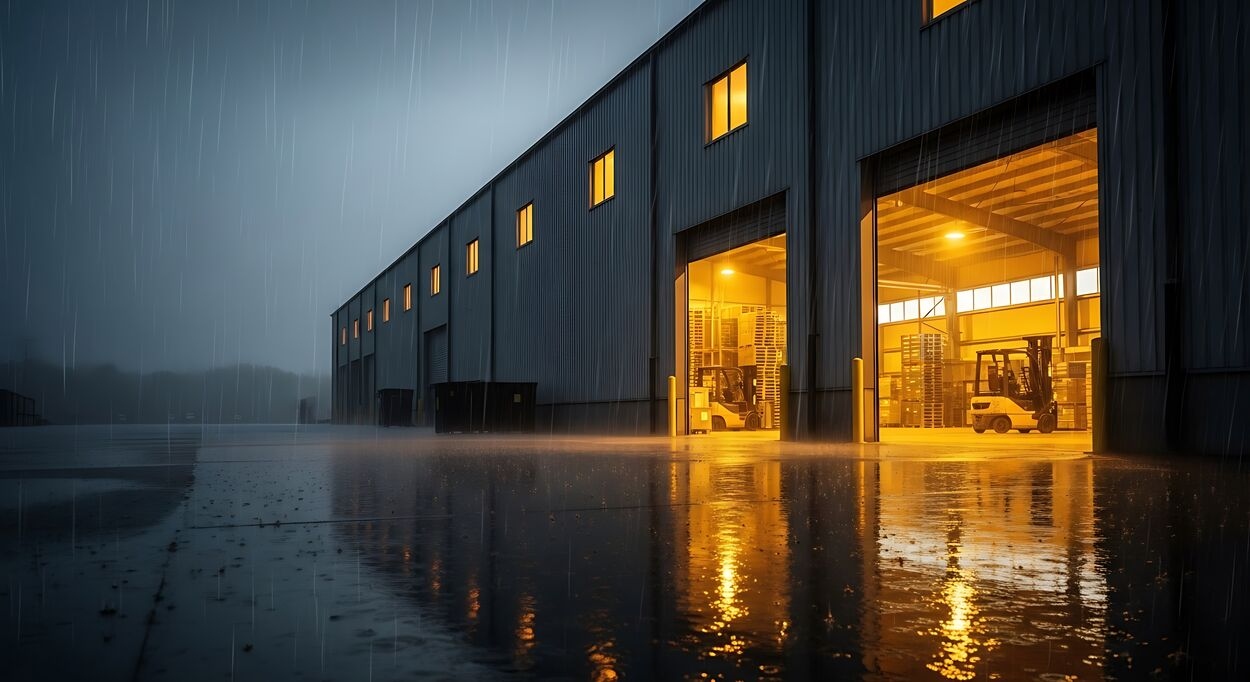
Moisture intrusion remains one of the leading causes of commercial roof failure in Oregon’s rainy climate. Taking proactive steps now—before leaks develop—can save thousands in repairs and protect your property year-round. Solameer provides tailored moisture-proof strategies and high-quality waterproof systems designed for the region’s demands.
Ready to improve your waterproofing strategy? Contact Solameer today for a professional commercial roof assessment.
Frequently Asked Questions
Is roofing felt waterproof?
Roofing felt is water-resistant but not fully waterproof, meaning it can absorb moisture over time. Oregon’s climate typically requires additional membranes or a waterproof roof coating for true long-term moisture protection.
What is the best roof for Oregon?
TPO, PVC, and modified bitumen are often considered the best roofing systems for Oregon because they offer strong moisture resistance and long-term durability. These materials perform well in regions with consistent rainfall and limited drying time.
What is the most leak-proof roof?
PVC and TPO roofs are among the most leak-proof options due to their heat-welded seams and excellent waterproofing performance. When paired with a waterproof roof coating, they offer superior moisture protection in wet climates.
What is the best material to cover a leaking roof?
A waterproof roof coating is an effective temporary and sometimes long-term solution to seal minor leaks. For active or severe leaks, installing new waterproof membrane material is often necessary.
How to stop a leaking roof during heavy rain?
Temporary fixes like roof tarps or emergency sealants can minimize water intrusion during a storm. A professional inspection should follow to apply lasting waterproof roofing repairs.
What is the downside of a rubber roof?
Rubber roofs (EPDM) are durable but can be vulnerable to punctures and may require additional coatings for optimal waterproofing in Oregon’s wet climate. Their dark color can also absorb heat unless paired with reflective treatments.
What is a moisture barrier for a roof?
A moisture barrier is a specialized underlayment or membrane designed to prevent water vapor and moisture from penetrating the roof assembly. In Oregon, moisture barriers are crucial for reducing condensation and extending roof life.
What is the life expectancy of a roof in Oregon?
Most commercial roofs in Oregon last 20–30 years, depending on material quality and maintenance. Persistent moisture may shorten lifespan without proper waterproofing and drainage management.
How do I get rid of algae on my roof?
Professional cleaning, improved drainage, and reflective or waterproof roof coating applications help prevent algae growth. Reducing standing moisture is key to long-term control.
Should I worry about moss on my roof?
Yes—moss traps moisture against the roof surface and can accelerate material deterioration, especially in Oregon’s damp climate. Prompt removal and preventative treatments help maintain roof integrity.