
Idaho’s long, cold winters bring heavy snowfall, recurring freeze-thaw cycles, and significant temperature fluctuations that place unique stress on commercial roofing systems. Ice dams—thick ridges of ice that form along roof edges—are one of the most damaging winter-related roofing problems for businesses across the state. Without proper prevention measures, ice dams can lead to leaks, structural deterioration, and costly repairs.
Understanding how ice dams form and what makes Idaho particularly vulnerable is essential for every facility manager. Whether you operate a manufacturing plant in Boise, a retail complex in Idaho Falls, or a warehouse in Coeur d’Alene, taking proactive steps now can protect your roof throughout the winter season. Below are the most effective strategies for ice dam prevention and long-term protection for commercial buildings.
Explore Our Commercial Roofing Services in Idaho
Understanding Ice Dams: How They Form and Why They Matter
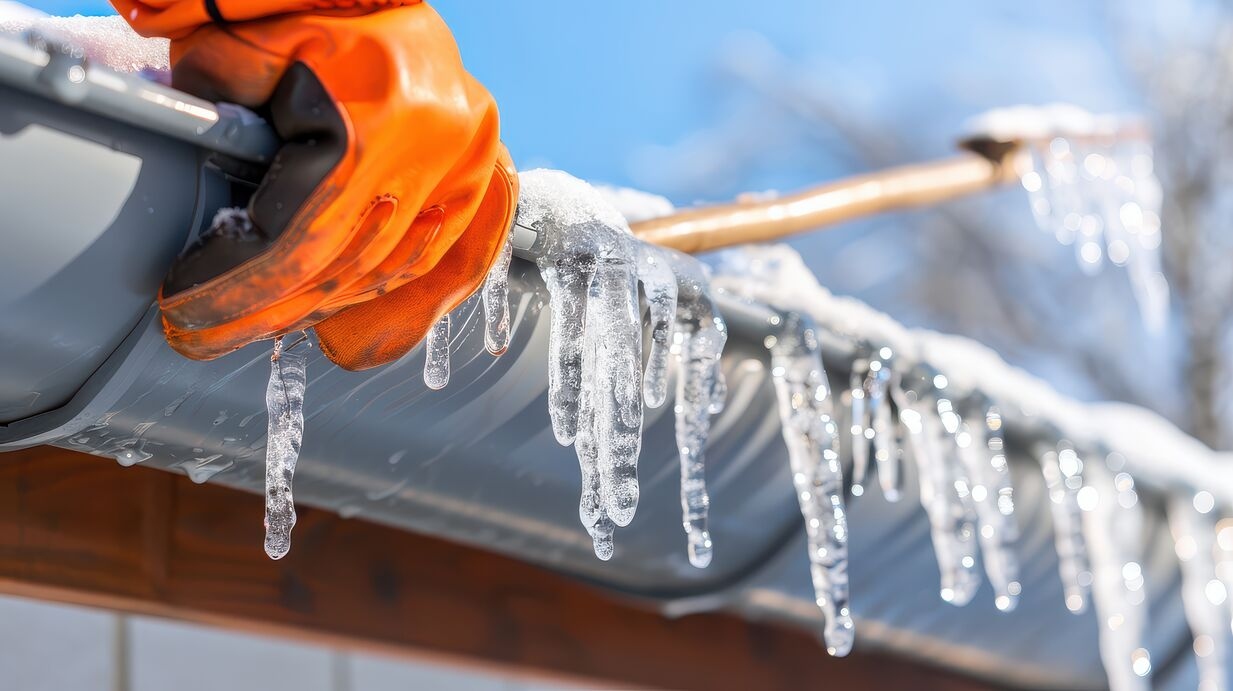
Ice dams develop when snow on a roof begins to melt from internal heat escaping the building, only to refreeze at the edges or gutters where temperatures are colder. Over time, this creates a thick ridge of ice that traps melting water behind it. With nowhere to go, this water backs up beneath shingles or roofing membranes, leading to:
- Interior leaks
- Damaged insulation
- Mold growth
- Compromised roof decking
- Increased structural load
Idaho's climate—with its frequent freeze-thaw cycles and wide temperature swings—creates perfect conditions for ice dam formation. Commercial roofs, especially flat or low-slope systems, are particularly vulnerable because snow melt doesn’t naturally drain as quickly compared to pitched roofs.
Winter Challenges for Commercial Roofing in Idaho
Idaho’s winter conditions create several challenges that increase the likelihood and severity of ice dams:
1. Heavy Snowfall and Snow Load
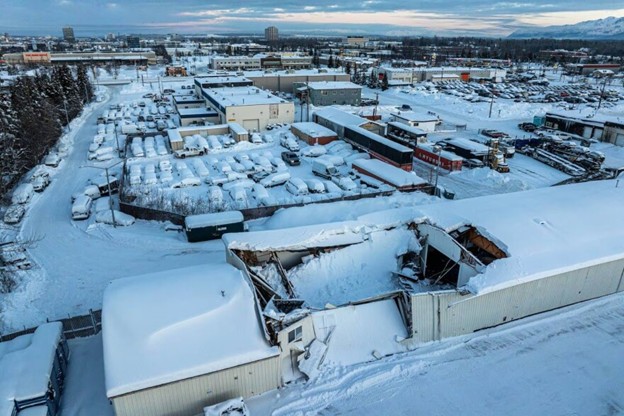
Northern and central Idaho regularly experience heavy snow accumulation. When snow piles up on large commercial roofs, the weight alone can strain the building structure. But more importantly, deep snowpack insulates the lower layers of snow, allowing it to melt and refreeze—ideal conditions for ice dams.
2. Temperature Fluctuations
Daytime temperatures may rise above freezing while nighttime temperatures plunge. This cycle repeats for months, causing melted snow to repeatedly refreeze into ice at roof edges and gutters.
3. Heat Loss From the Building Interior
Heat escaping through the roof warms the underside of the snow, causing it to melt more rapidly than the outside air temperature would suggest. Poor insulation or lack of ventilation accelerates this process.
4. Inefficient Drainage on Flat Commercial Roofs
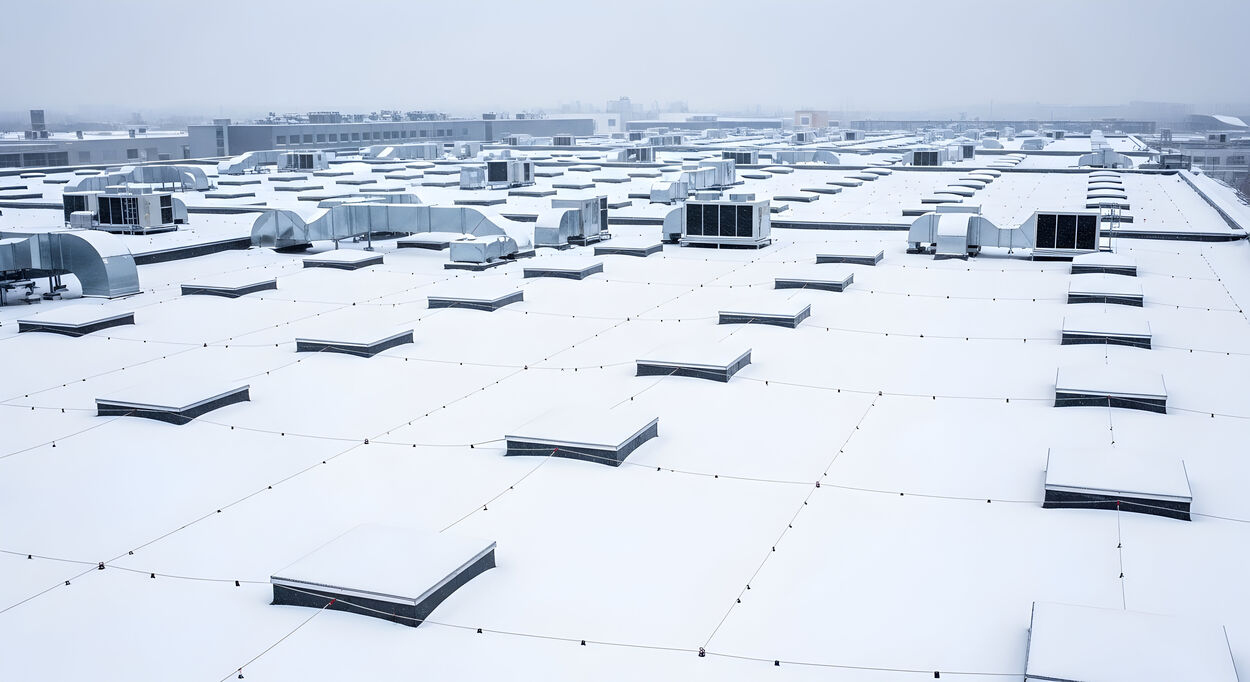
Many Idaho businesses rely on flat or low-slope roofing systems. These designs require careful drainage planning, and ice dams can block drains, scuppers, and gutters, leading to water backing up into vulnerable areas.
Understanding these conditions is the first step toward effective ice dam prevention for commercial facilities.
Best Ice Dam Prevention Strategies for Commercial Roofing in Idaho
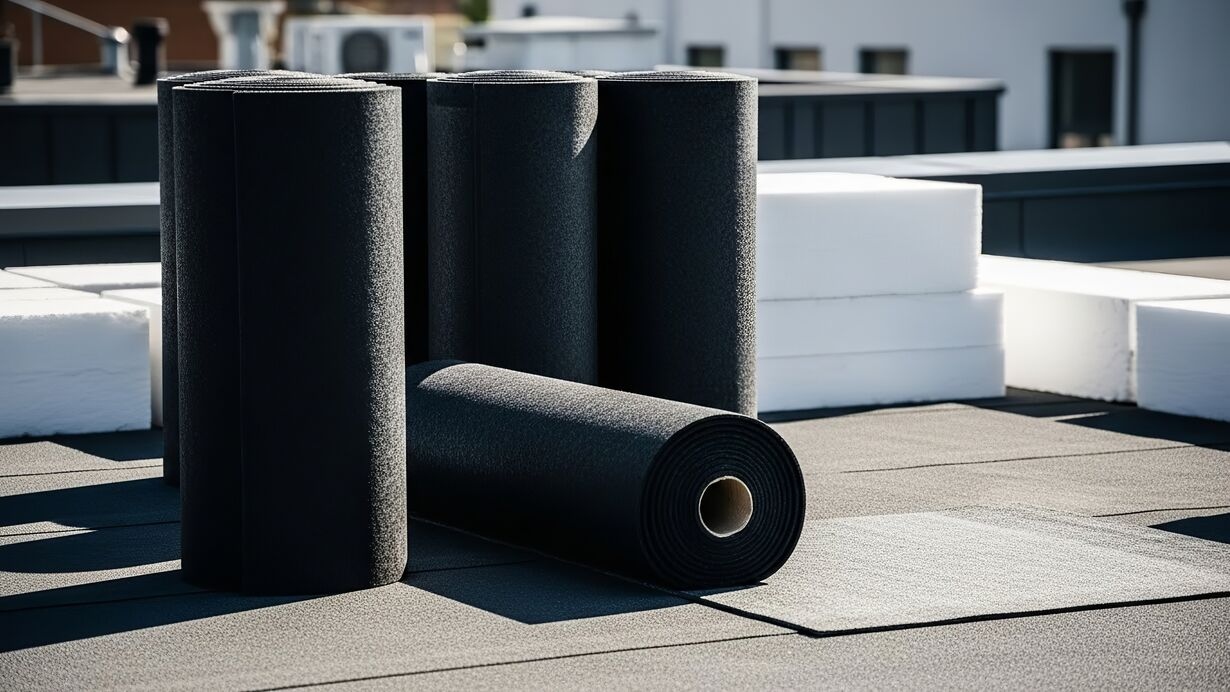
Below are long-term, high-impact approaches to help protect your commercial roof during Idaho's harsh winter season.
1. Improve Roof Insulation and Building Envelope Performance
Reducing heat loss is one of the most effective ways to slow the formation of ice dams. Upgrading insulation helps maintain a consistent roof surface temperature, preventing premature snow melt that leads to ice buildup.
Recommended Improvements:
- Install high-R-value insulation beneath roof membranes
- Seal air leaks around vents, ductwork, and roof penetrations
- Add thermal barriers in areas with known heat-loss issues
Better insulation not only supports ice dam prevention but also improves energy efficiency for winter heating.
2. Enhance Roof Ventilation to Maintain Consistent Temperatures
Along with insulation, ventilation plays a critical role in preventing warm air from accumulating beneath the roof. Proper airflow helps distribute heat evenly across the roof deck, reducing freeze-thaw inconsistencies.
Ventilation Upgrades Include:
- Ridge and soffit vent systems
- Mechanical ventilation for large commercial buildings
- Exhaust fans for humid or high-temperature interior operations
Balanced ventilation helps the roof maintain a uniform temperature—one of the cornerstones of preventing ice dams on commercial roofs.
3. Ensure Your Drainage System Is Winter-Ready
Drainage is critical for commercial roofing in Idaho, especially flat or low-slope roofs. Ice dams often form near drains or scuppers, blocking water from exiting the roof properly.
Strengthening Drainage Includes:
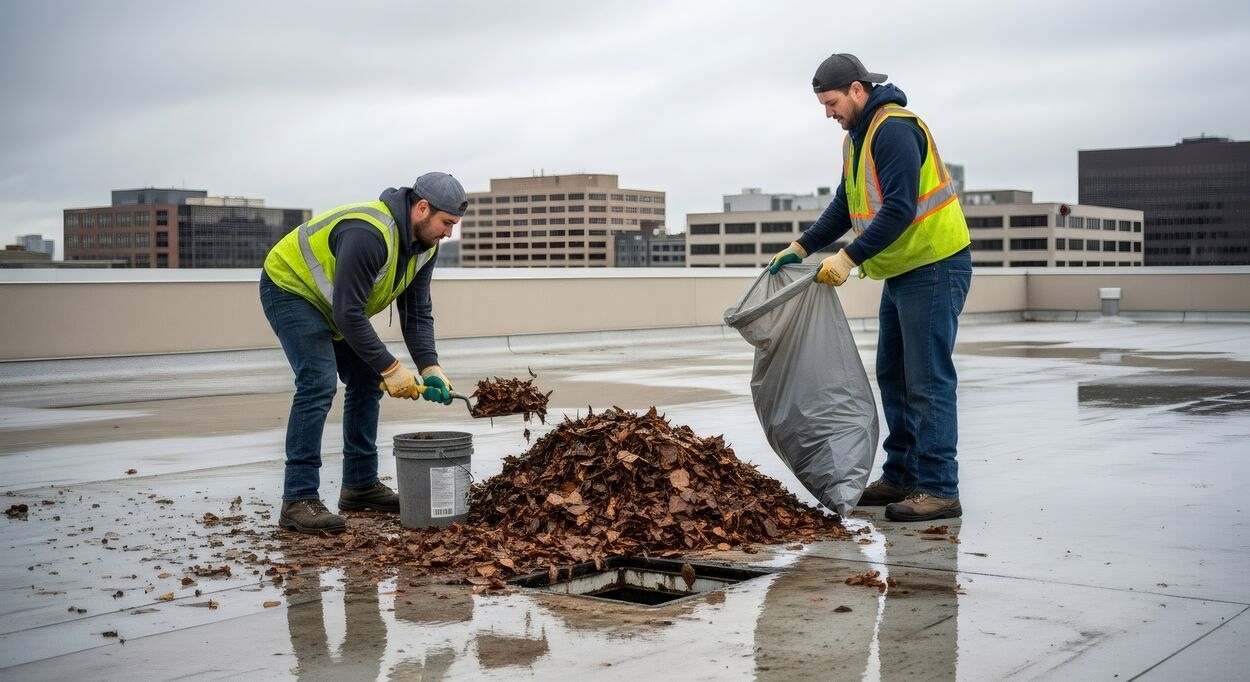
- Clearing debris from gutters and drains before winter
- Installing heat tape on gutters and downspouts
- Checking for low spots where water may pool
- Ensuring scuppers are clear and appropriately sized
When drainage slows or water freezes in key areas, ice buildup can quickly escalate.
4. Install Heated Cables or Heat Tape in Vulnerable Areas
Heated cables help melt snow and ice along roof edges, preventing dams from forming. They are especially effective for older buildings or roofs where structural or insulation upgrades may be limited.
Ideal Locations for Heated Cables:
- Gutters and downspouts
- Roof perimeters
- Areas with known ice buildup
- Valleys or edges on low-slope roofing
This active heating method gives business owners a reliable defense against ice accumulation during extreme winter conditions.
5. Strengthen Roof Structures and Materials for Winter Durability
Ice dams place heavy burdens on commercial roofs. Reinforcing key areas helps roofs withstand not only ice, but also snow loads and water backup.
Recommended Enhancements:
- Use durable, reinforced membranes designed for freeze-thaw cycles
- Upgrade flashing to prevent water infiltration
- Install protective walkway pads to minimize membrane damage during winter maintenance
These upgrades improve overall roof resilience and extend roof life despite Idaho’s winter weather.
Commercial Roof Maintenance Idaho Businesses Should Prioritize Before Winter
Regular maintenance is key to preventing ice dams and detecting issues early. A structured commercial roof maintenance Idaho program can help ensure roofs are in proper condition before snow arrives.
Important Pre-Winter Maintenance Tasks:
- Inspect seams, flashing, and penetrations for vulnerabilities
- Check insulation and thermal performance
- Remove debris from drains, gutters, and rooftop systems
- Verify that drainage paths are open and functional
- Repair membrane damage, punctures, or worn areas
Preparing your roof before winter is the most cost-effective way to prevent damage from ice dams and heavy snow.
Roof Ice Dam Removal: What to Do When Ice Dams Form
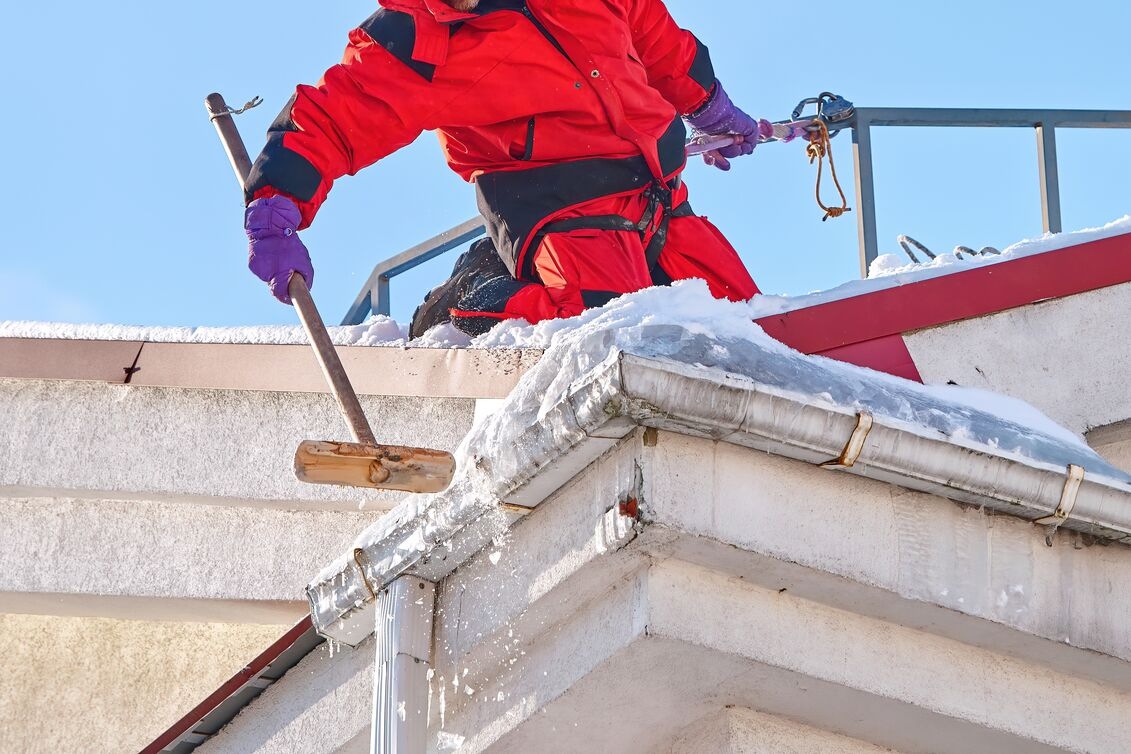
Even with the best prevention strategies, Idaho winters can still create ice dams on commercial roofs. When this happens, roof ice dam removal must be performed carefully to avoid causing further damage.
Safe Commercial Ice Dam Removal Options:
- Use steam-based removal equipment
- Allow trained professionals to chip ice safely
- Avoid using rock salt or harsh chemicals that can damage roofing membranes
- Never allow untrained personnel to use sharp tools on the roof
Professional removal is essential to protecting the integrity of the roofing system and preventing injuries.
Long-Term Solutions to Protect Commercial Roofing in Idaho
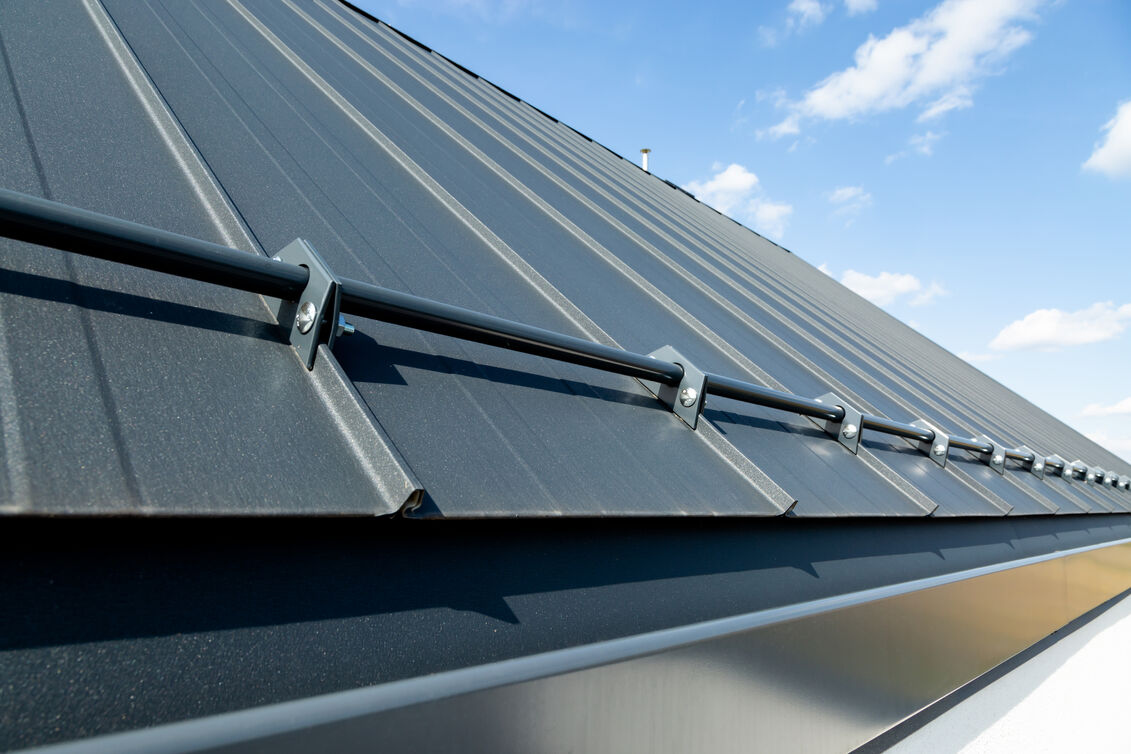
To maintain roof performance year after year, incorporate long-term strategies designed for Idaho’s climate.
Recommended Long-Term Approaches:
- Annual winter-readiness inspections
- Ongoing insulation improvements
- Strategic upgrades to ventilation and drainage
- Roof membrane replacements with winter-rated systems
- Snow management plans for large roofs with constant snow load
These practices reduce risk, extend roof life, and minimize emergency repair costs.
Why Ice Dam Prevention Matters for Idaho Businesses
Ice dams aren’t just a winter nuisance—they can cause thousands of dollars in property damage and disrupt business operations. Leaks can ruin inventory, damage equipment, and lead to mold that affects indoor air quality. Proactive winter planning is essential for any Idaho business that wants to avoid downtime and expensive repairs.
Partnering with a professional commercial roofing contractor ensures your roof receives the right upgrades, inspections, and winter preparation to withstand Idaho’s challenging conditions.
Why Choose Solameer for Commercial Ice Dam Prevention?
Solameer provides expert roofing services tailored specifically to Idaho’s winter climate. Our team understands the freeze-thaw cycles, heavy snow loads, and structural challenges that commercial roofs face throughout the region. We offer comprehensive winter protection solutions—from insulation improvements to roof ice dam removal—designed to safeguard your building all season long.
Our Winter Roofing Services Include:
- Detailed winter readiness inspections
- Insulation and ventilation upgrades
- Drainage optimization
- Heated cable installation
- Emergency leak repair and ice dam removal
- Long-term commercial roof maintenance Idaho programs
Our mission is simple: keep your building safe, dry, and fully operational through Idaho’s harshest winter conditions.
Protect Your Idaho Business Before Ice Dams Form
Winter arrives quickly in Idaho, and proactive planning is the best defense against ice dam damage. Solameer offers dependable ice dam prevention strategies and weather-ready roofing solutions that help commercial properties stay protected all winter long.
Ready to winterize your roof? Contact Solameer today for a professional commercial roofing in Idaho assessment.
Frequently Asked Questions
Why am I getting ice dams on my roof?
Ice dams form when heat escapes from inside the building, melting snow on the roof that refreezes at the edges. In Idaho’s freeze-thaw climate, poor insulation, inadequate ventilation, and blocked drainage systems often make ice damming more severe.
How to deal with ice dams on your roof?
For active ice buildup, the safest approach is professional roof ice dam removal using steam or low-impact methods. Temporary mitigation like clearing drains or reducing interior heat escape can help until full removal is performed.
Is ice damming on a roof covered by insurance?
Coverage varies by policy, but many commercial insurance plans include protection for sudden water damage caused by ice dams. Preventative issues like poor maintenance may not be covered, so documentation and routine inspections are important.
Should I hire a professional to remove ice dams?
Yes—ice dam removal should always be handled by trained professionals to prevent injuries and avoid damaging the roofing membrane. DIY removal often leads to punctures, leaks, or voided warranties.
Will a new roof prevent ice dams?
A new roof alone may not stop ice dams, but upgrading insulation, ventilation, and drainage during installation greatly reduces the risk. Many commercial roofing projects in Idaho include integrated ice dam prevention features.
How serious are ice dams?
Ice dams can cause significant interior leaks, structural damage, mold growth, and roof deterioration if not addressed quickly. For commercial buildings, this can lead to costly repairs and business disruptions.
Is it safe to put salt on the roof to melt ice?
No—salt and chemical de-icers can damage roofing membranes, corrode metal components, and void system warranties. It's safer to rely on professional removal and long-term ice dam prevention solutions.


.jpeg)