
Texas experiences some of the most frequent and intense hailstorms in the United States—especially across the Dallas–Fort Worth Metroplex, Austin, San Antonio, and West Texas. These storms can bring hailstones the size of golf balls or larger, capable of tearing membranes, denting metal, damaging rooftop equipment, and creating costly operational disruptions. For commercial property owners, a single storm can result in thousands of dollars in repairs or even full roof replacement.
Protecting your building begins with understanding how hail affects commercial roofing, why Texas properties are especially vulnerable, and what preventative steps can dramatically reduce long-term damage. This guide explores the best strategies for hail resistance, roof reinforcement, and proper maintenance so your business stays protected year after year.
Explore Our Commercial Roofing Services in Texas
How Texas Hailstorms Threaten Commercial Roofs
Texas’ climate and geography create perfect conditions for frequent hail, strong winds, and fast-moving storm cells. To select the right hail resistant roof, it’s important to understand how hail damages a roof and why commercial buildings must be proactive.
1. Large Hailstone Size and High Impact Force
Texas often experiences hailstones ranging from 1 to over 2 inches in diameter. At high speeds, these impacts can:
- Puncture single-ply membranes
- Dent metal roofing panels
- Crack or shatter skylights
- Dislodge protective surface granules on modified bitumen systems
Even “minor” impacts can weaken a roofing system over time, leading to leaks during future storms.
2. Wind-Driven Hail Intensifies Damage
High winds increase the speed and angle of hail impact, making it more destructive. This is especially hazardous for:
- Roof perimeters
- Flashing locations
- Corners and edge metal
- Rooftop equipment
Wind-driven hail is a primary reason why roof hail damage inspection is necessary after every severe storm.
3. Heat, UV, and Aging Accelerate Vulnerability
Texas roofs endure extreme heat and UV exposure. Over time, materials lose flexibility, making them more prone to tears and punctures during hail events.
4. Large Commercial Footprints Increase Exposure
Many Texas businesses operate in large warehouse, retail, or industrial buildings with expansive flat roofs—meaning more surface area for hail impacts.
Best Hail-Resistant Roofing Options for Commercial Buildings in Texas
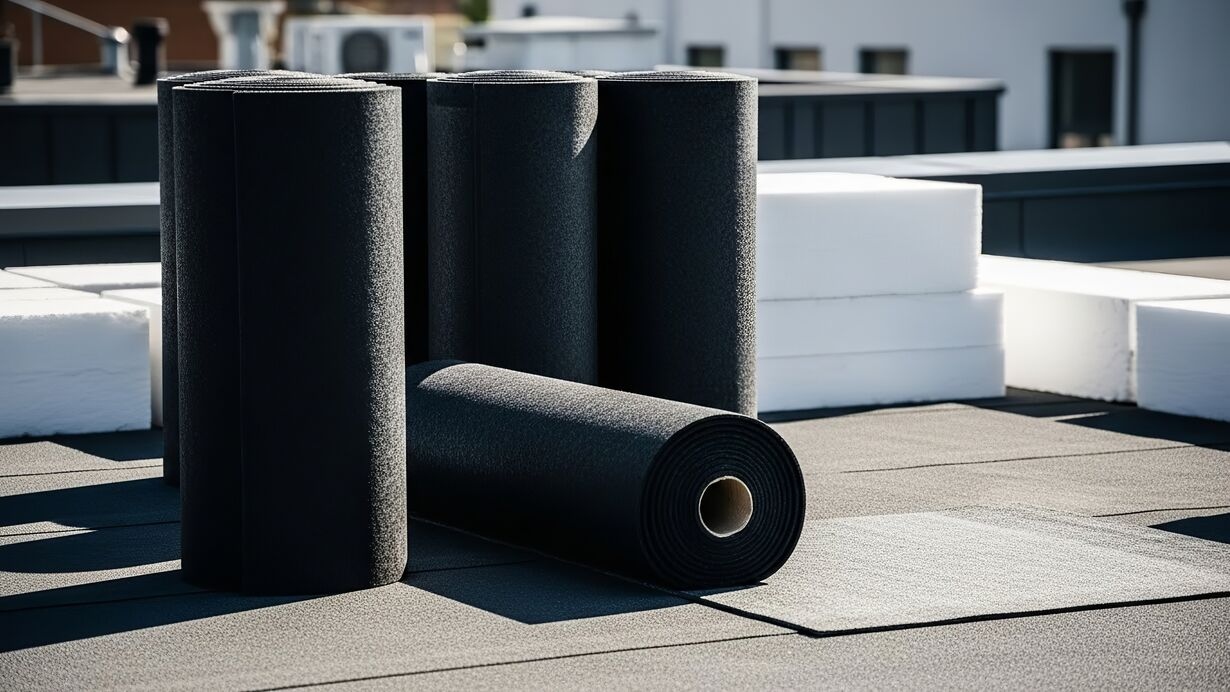
Choosing the right system is one of the most effective ways to prevent extensive hail damage.
1. Class 4 Impact-Rated TPO Roofing
TPO is widely used in commercial roofing in Texas, but enhanced Class 4 versions are designed specifically for hail and impact resistance.
Benefits:
- Reinforced scrim layers for added toughness
- Flexible membrane absorbs impact force
- Strong heat-welded seams
- High reflectivity for heat resistance
Paired with a high-density cover board, TPO becomes a highly effective hail resistant roof option.
2. PVC Roofing: Superior Puncture and Tear Resistance
PVC is durable, flexible, and excellent at resisting punctures and wind-driven hail impacts.
Why PVC Performs Well in Texas:
- Strong welded seams
- High puncture resistance
- Excellent UV and chemical durability
- Performs well in intense temperature swings
PVC is ideal for facilities with rooftop grease, chemicals, or heavy equipment where durability is critical.
3. Impact-Rated Metal Roofing Systems
Standing seam metal roofs engineered with thicker gauges and protective coatings provide outstanding hail resilience.
Advantages:
- High structural strength
- Long lifespan (40–50 years)
- Resistant to wind uplift
- Minimal maintenance
While cosmetic dents may still occur, structural damage is rare when using impact-rated panels.
4. Modified Bitumen Roofing with Reinforced Layers
Modern modified bitumen systems offer multi-layered protection that withstands punctures and surface impact.
Key Benefits:
- Excellent tear resistance
- Optional granulated cap sheets to diffuse impact
- Strong waterproofing capabilities
This system is especially effective on older commercial roofs transitioning away from outdated asphalt systems.
5. Spray Polyurethane Foam (SPF) with Protective Coatings
SPF’s seamless design helps distribute the force of hail impacts evenly across the roof surface.
SPF Advantages:
- High R-value for energy efficiency
- No seams or weak points
- Flexible surface absorbs impact
- Simple, cost-effective repairs
SPF is ideal for irregular or complex commercial roof layouts often found in Texas properties.
Essential Upgrades That Improve Hail Resistance
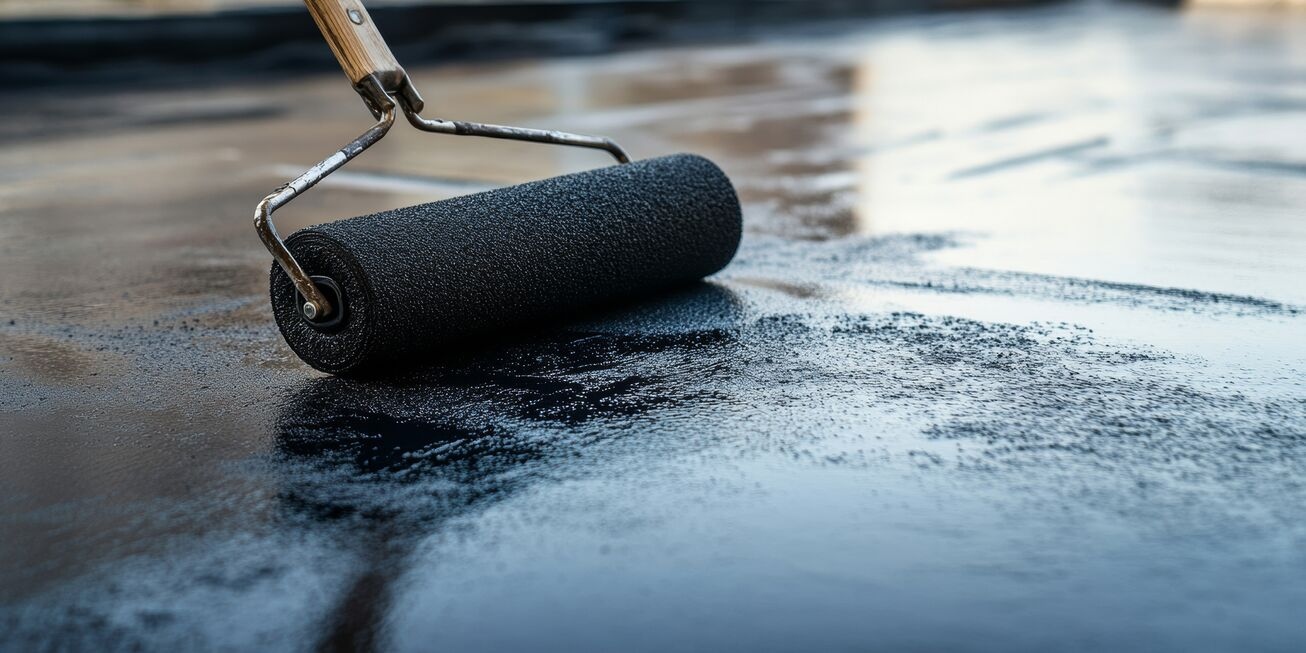
Even the strongest roofing system benefits from additional reinforcements.
1. High-Density Cover Boards
Cover boards dramatically improve resistance against hail punctures by adding a rigid protective layer beneath the membrane.
They help:
- Prevent deep penetration
- Maintain surface integrity
- Extend system lifespan
This upgrade is considered a best practice in hail-prone markets.
2. Impact-Resistant Roof Coatings
Elastomeric or silicone coatings add a flexible, cushioning layer that absorbs impact and reduces surface wear.
Additional benefits include:
- Enhanced UV protection
- Better waterproofing
- Greater energy efficiency
Coatings are especially effective for older roofs not ready for full replacement.
3. Reinforced Insulation Systems
Impact-rated insulation increases structural resistance beneath the membrane and helps prevent substrate failure during major hailstorms.
4. Upgraded Flashing, Edge Metal, and Fasteners
Because edges are highly vulnerable, reinforcing these areas is crucial for preventing wind-driven water intrusion and membrane lifting.
How to Identify Hail Damage on a Commercial Roof
Understanding early warning signs helps prevent small issues from becoming major losses.
Common indicators include:
- Membrane punctures, bruises, or cracks
- Dented metal panels or rooftop units
- Loss of granules on modified bitumen
- Cracked skylights
- Uplifted seams
- Saturated insulation or wet interior spots
- Debris-blocked drains
A professional roof hail damage inspection is essential after every major storm to document impacts and determine whether repairs or replacement are needed.
When Is Roof Replacement Necessary After Hail Damage?
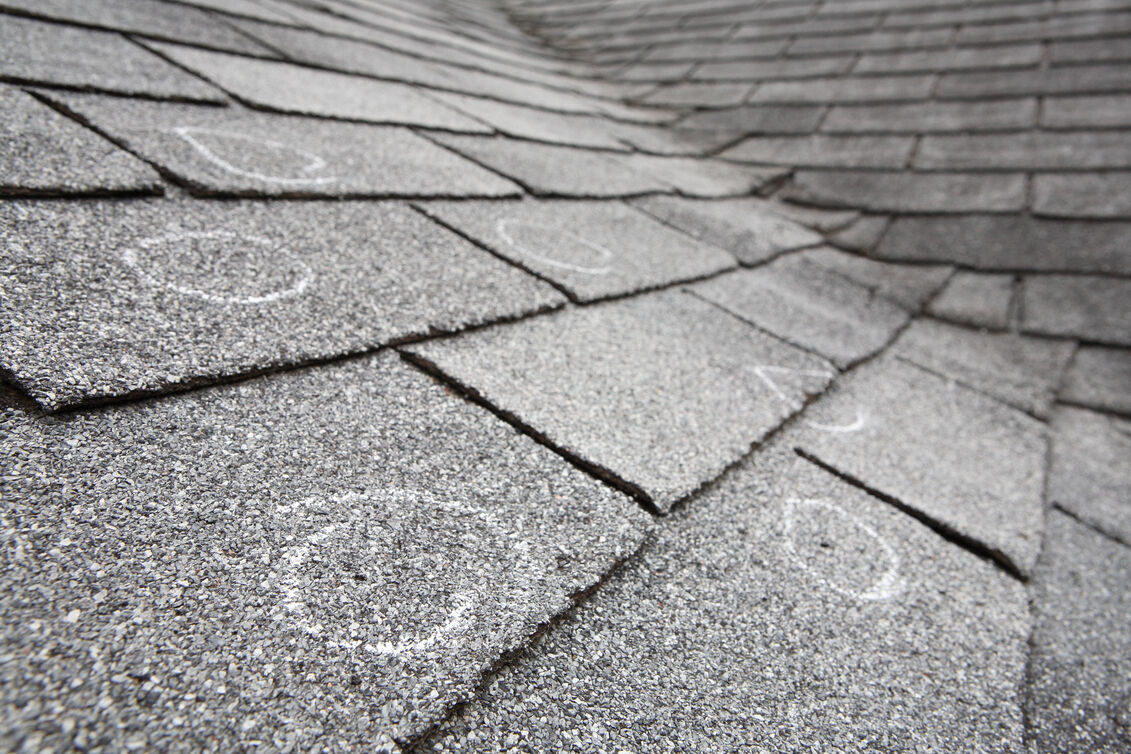
Replacement is typically recommended when hail has compromised the structural or waterproofing integrity of the roof.
Conditions that often require replacement include:
- Widespread punctures across the membrane
- Substrate indentation or cracking
- Moisture infiltration and insulation saturation
- Structural damage to decking
- Repeated hail damage over several seasons
A detailed inspection from a commercial roofing in Texas specialist ensures accurate documentation for insurance claims and long-term planning.
Why Texas Businesses Should Invest in Hail-Resistant Roofing
Hailstorms in Texas are not rare—they’re annual events that pose significant risks to commercial properties.
Choosing an impact-rated roofing system helps:
- Reduce emergency repair costs
- Improve energy efficiency
- Increase insurance compliance
- Protect equipment, inventory, and operations
- Extend overall roof lifespan
A hail resistant roof provides long-term ROI and essential protection for properties across the state.
Why Partner With Solameer for Hail-Resistant Commercial Roofing in Texas
Solameer specializes in roofing systems engineered to withstand Texas’ extreme weather conditions. Our team understands the challenges posed by hailstorms, heat, UV exposure, and high winds.
We provide:
- Impact-rated roofing installation
- Comprehensive roof hail damage inspection services
- Reinforcement and coating upgrades
- Insurance documentation assistance
- Long-term commercial roof maintenance programs
- Emergency repair services
Our mission is to help Texas businesses stay protected, prepared, and structurally sound through every storm season.
Protect Your Texas Business Before the Next Hailstorm
Hail season arrives quickly—and prevention is the key to minimizing property damage and financial loss. Solameer offers customized solutions designed for the unique demands of commercial roofing in Texas.
Ready to strengthen your roof before the next storm hits? Contact Solameer today for a professional hail-resistant roofing assessment.
Frequently Asked Questions
What is the most common roof type in Texas?
TPO is one of the most widely used commercial roofing materials in Texas thanks to its affordability, durability, and heat-reflective properties. Metal and modified bitumen systems are also common, especially on larger facilities and older buildings.
What is a Class 4 roof in Texas?
A Class 4 roof is the highest impact-resistance rating under UL 2218. These roofs are designed to withstand severe hail impact without cracking or failing. Class 4 systems are strongly recommended for commercial roofing in Texas due to frequent hailstorms.
What is the most hail resistant roofing?
Impact-rated metal, Class 4 TPO or PVC, and SPF with high-performance coatings are considered the most hail resistant roofing systems. These materials absorb or disperse impact energy better than standard commercial roof assemblies.
How long does a hail resistant roof last?
Depending on material and maintenance, hail resistant roofs typically last 20–50 years. Metal systems tend to last the longest, while membranes like TPO and PVC offer strong performance when paired with high-density cover boards and proper installation.
Why do insurance companies not like metal roofs?
Some insurers are hesitant about metal roofs because they can show cosmetic dents from hail. Even when the roof remains structurally sound, the visible damage can lead to more claims. However, many insurers still consider engineered metal roofs to be highly reliable in hail-prone regions.
How to inspect a roof for hail damage?
A proper roof hail damage inspection includes checking for punctures, membrane bruising, dents on metal panels, cracked skylights, granule loss, seam lifting, and water infiltration. A commercial roofing professional should conduct this inspection to ensure accurate documentation.
Should I get my roof inspected after hail?
Yes. Even minor hail can cause hidden damage that worsens over time. A post-storm inspection ensures issues are identified early and provides documentation needed for insurance claims.
How to prove hail damage on a roof?
Proof typically includes photos, inspection reports, moisture readings, core samples, and measurements of hail impact marks. Professional documentation from a certified roofing contractor strengthens your insurance claim.
Is it worth filing a claim for hail damage on my roof?
Yes—hail is usually a covered peril under most commercial policies. Filing early helps prevent disputes and ensures damage is repaired before it spreads and becomes more expensive.
How does hail damage a roof?
Hail damages roofs by puncturing or bruising membranes, denting metal panels, loosening flashing, cracking skylights, and causing surface erosion. Wind-driven hail increases the severity of impact, making damage more widespread.
What size hail does it take to damage a roof?
Hail as small as 1 inch can damage commercial roofing systems, especially older or heat-aged roofs. Larger hail—1.5 inches and above—can cause significant punctures and structural impact.
What does a roof with hail damage look like?
Signs include circular dents, membrane punctures, bruising, granule loss, cracked skylights, dented rooftop equipment, lifted seams, and wet insulation. Some damage is subtle, which is why professional inspections are essential.





.jpeg)