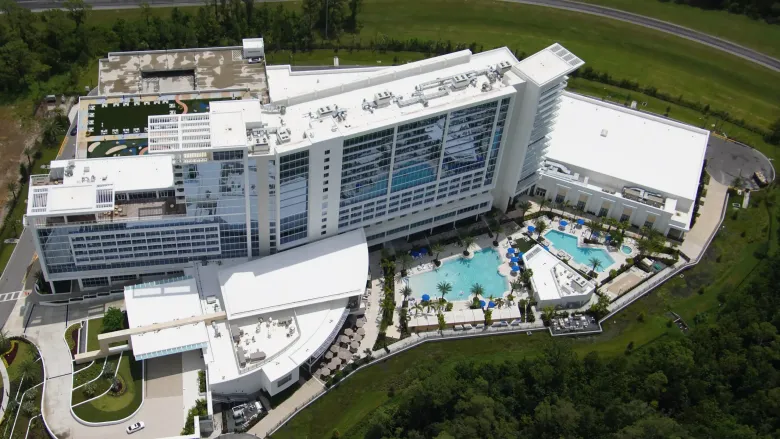

Your commercial roof is one of the most valuable assets protecting your building, and maintaining it properly is essential for long-term performance. Implementing commercial roof preventative maintenance allows property owners to proactively protect their investment, reduce repair costs, and significantly extend roof lifespan.
Many roofing problems begin as minor issues that go unnoticed until they escalate into costly damage. Understanding the full scope of roof maintenance benefits and taking a consistent, proactive approach helps ensure your roof continues to perform efficiently for years beyond its expected lifespan.
What Is Preventative Roof Maintenance?
Preventative maintenance is a proactive strategy focused on identifying and addressing potential roofing issues before they become serious problems. Rather than reacting to leaks or visible damage, building owners follow a structured commercial roofing maintenance plan designed to maintain optimal performance year-round. This approach not only improves durability but also helps preserve manufacturer warranties and ensures compliance with building standards. Over time, preventative roof maintenance becomes a critical component of asset management, helping property owners avoid unexpected expenses.
Why Preventative Maintenance Is Essential for Commercial Roofs
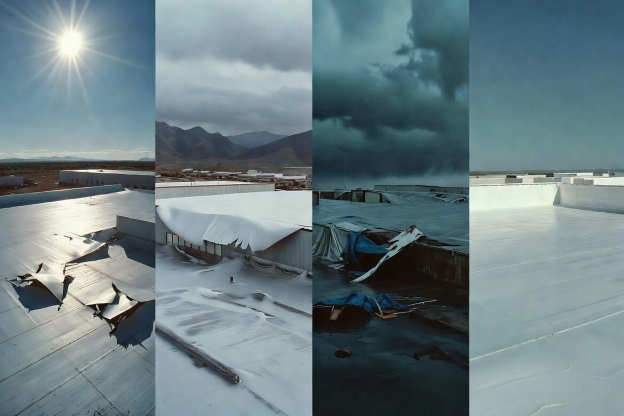
Commercial roofs, especially flat and low-slope systems, are constantly exposed to environmental stress such as UV radiation, temperature fluctuations, and moisture. Without proper care, these factors can accelerate wear and reduce the overall lifespan of the roofing system. Routine maintenance helps mitigate these risks by identifying vulnerabilities early and addressing them before they worsen. This is one of the most effective ways to extend roof lifespan and maintain consistent building performance.
How Preventative Maintenance Extends Roof Lifespan
Regular maintenance directly contributes to a longer-lasting roofing system by minimizing damage and reducing long-term wear. When small issues are corrected early, the roof experiences less stress and maintains its structural integrity over time.
Key ways maintenance helps include:
- Preventing water intrusion through early leak detection
- Reducing material breakdown caused by debris or standing water
- Maintaining proper drainage and structural balance
- Preserving coatings that protect against UV and weather damage
By consistently applying preventative roof maintenance, property owners can often delay the need for replacement and maximize the value of their roofing system.
Key Components of a Commercial Roofing Maintenance Plan
A comprehensive commercial roofing maintenance plan includes several essential tasks that work together to protect the roof. Each component plays a role in maintaining durability, efficiency, and long-term performance.
1. Routine Inspections
Routine inspections are the foundation of any effective commercial roof maintenance checklist, helping identify issues that may not be immediately visible. These inspections should be conducted regularly and after major weather events.
During inspections, professionals typically evaluate:
- Membrane condition and surface wear
- Flashing and seal integrity
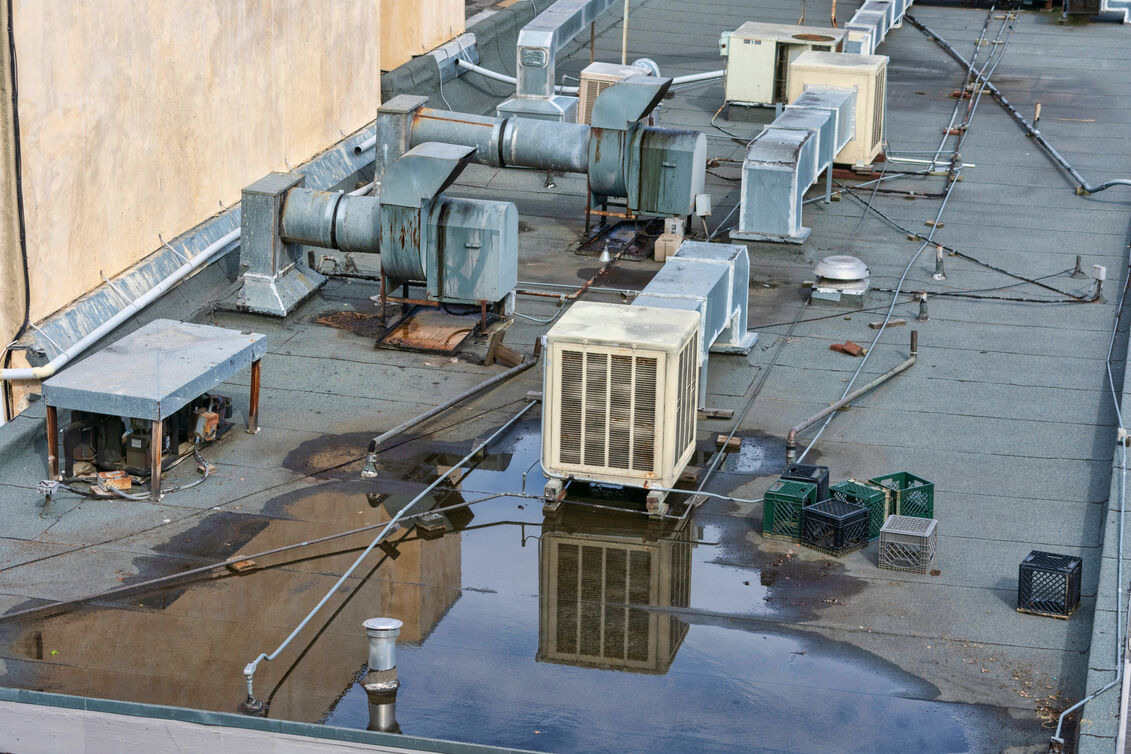
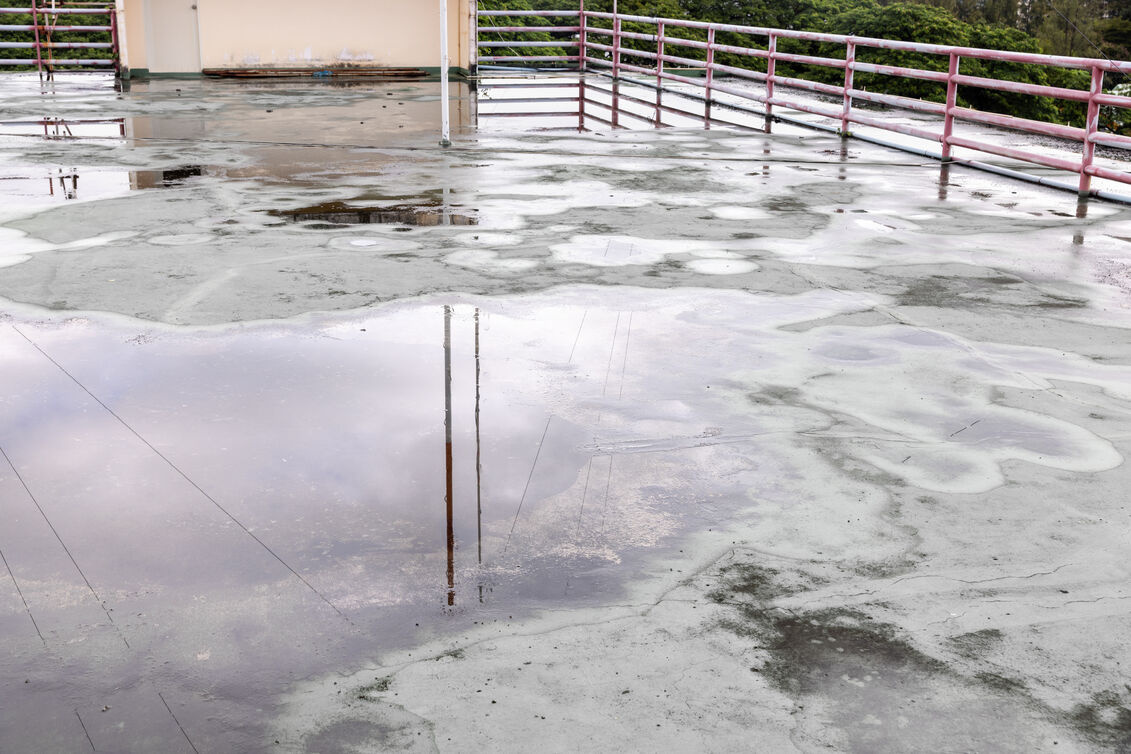
- Signs of ponding water or drainage issues
- Structural concerns or weak areas
Consistent inspections ensure problems are addressed early, reducing the likelihood of major repairs.
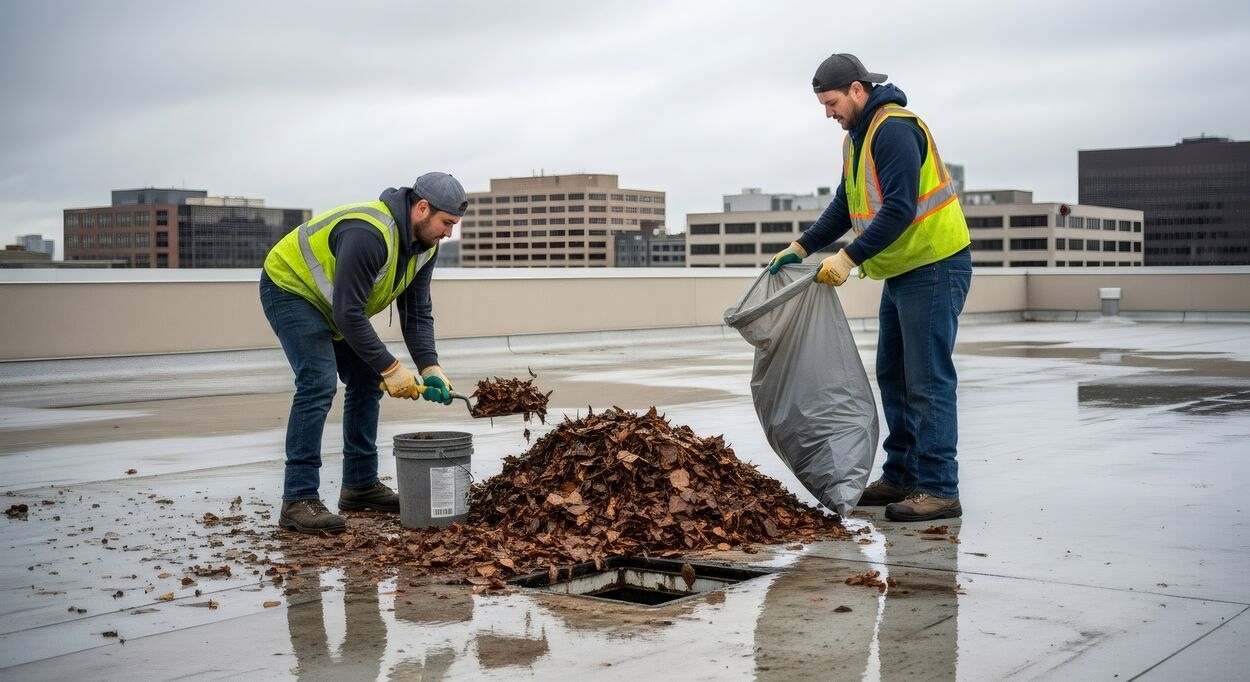
2. Cleaning and Debris Removal
Keeping the roof clean is a simple but critical part of flat roof maintenance tips, as debris can trap moisture and accelerate deterioration. Leaves, dirt, and other materials can block drainage systems and create conditions for damage.
Regular cleaning helps:
- Maintain proper water flow
- Reduce moisture buildup
- Prevent algae and mold growth
- Protect roofing materials from premature wear
A clean roof performs better and lasts longer, making this step essential for how to extend roof life.
3. Drainage System Maintenance
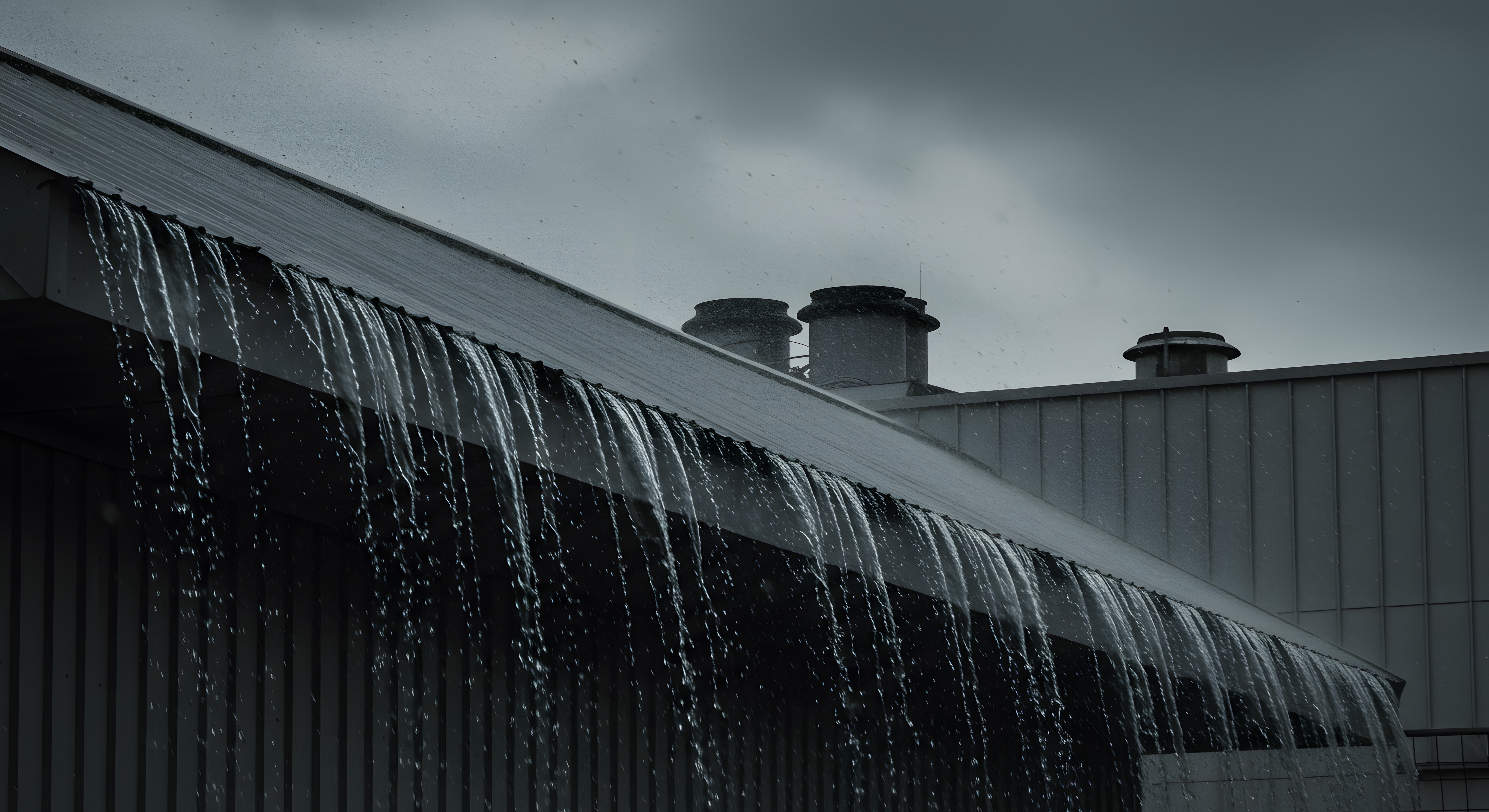
Proper drainage is vital for preventing water accumulation, which is one of the leading causes of roof damage. Ensuring that drains, gutters, and downspouts are functioning correctly is a key part of any commercial roofing maintenance plan.
Poor drainage can result in:
- Ponding water
- Increased structural load
- Membrane deterioration
- Higher risk of leaks
Maintaining drainage systems helps protect the roof and supports long-term performance.
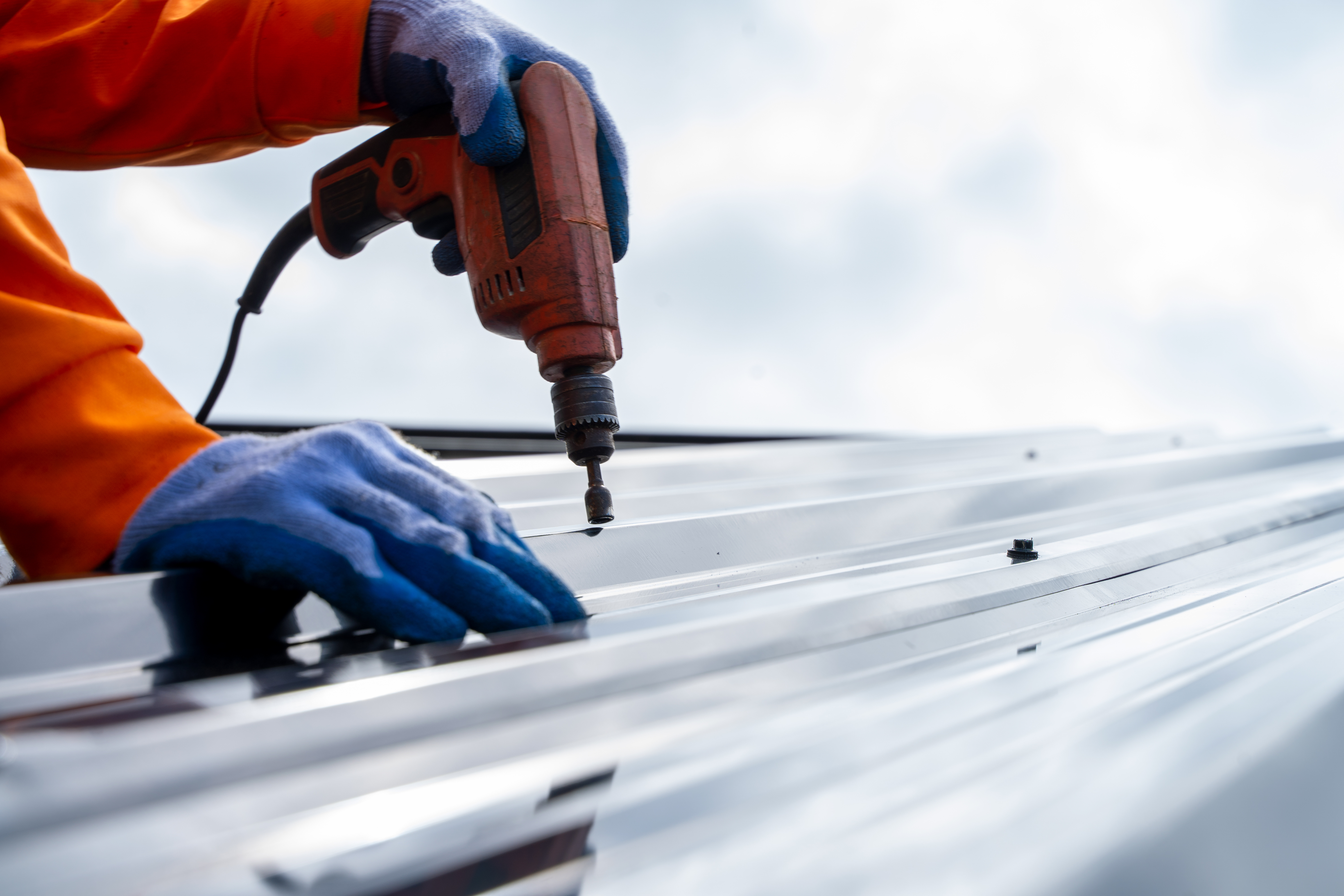
4. Minor Repairs and Sealant Maintenance
Addressing small issues as they arise is one of the most valuable roof maintenance benefits. Minor repairs prevent damage from spreading and help maintain the overall integrity of the roofing system.
Common repair tasks include:
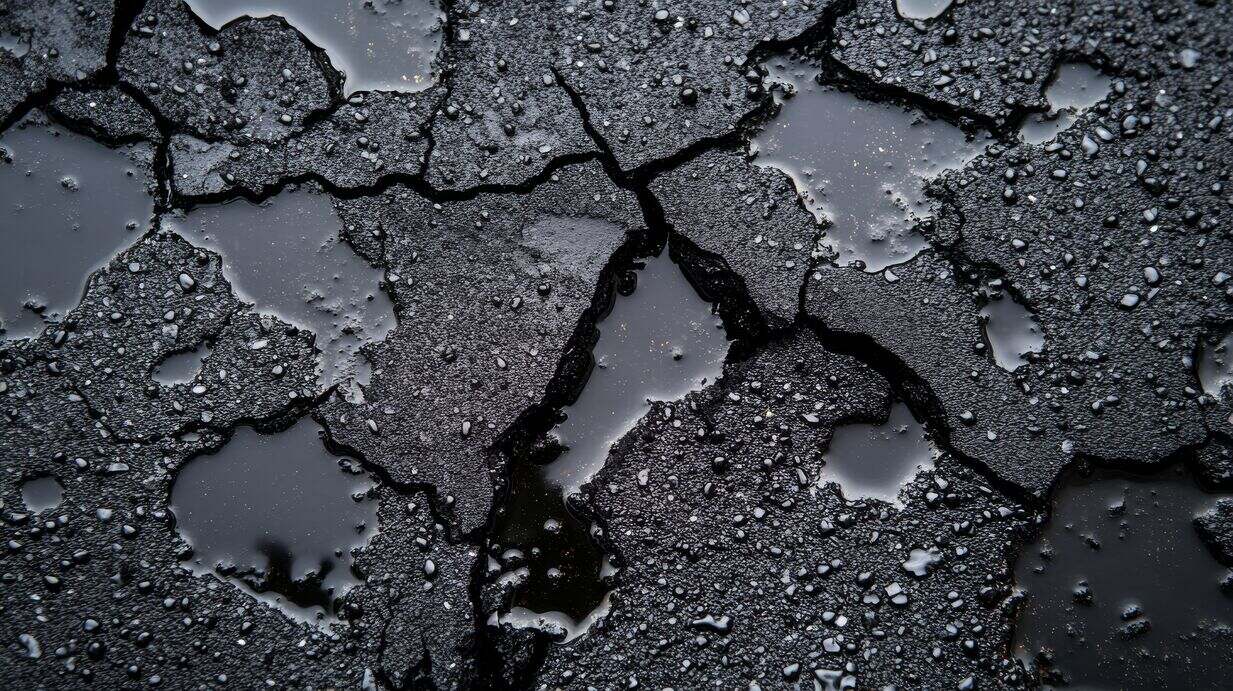
- Sealing cracks and seams
- Repairing punctures or tears
- Reinforcing flashing around penetrations
- Reapplying protective coatings
These proactive steps are essential for maintaining durability and continuing to extend roof lifespan.
Cost Savings of Preventative Roof Maintenance
One of the biggest advantages of commercial roof preventative maintenance is the potential for long-term cost savings. While maintenance requires consistent effort, it significantly reduces the likelihood of major repairs or premature replacement.
Preventative maintenance lowers costs by:
- Minimizing emergency repair expenses
- Extending the usable life of roofing materials
- Improving energy efficiency
- Preventing interior damage caused by leaks
Over time, these savings can be substantial, making maintenance a smart financial investment.
Energy Efficiency and Building Performance
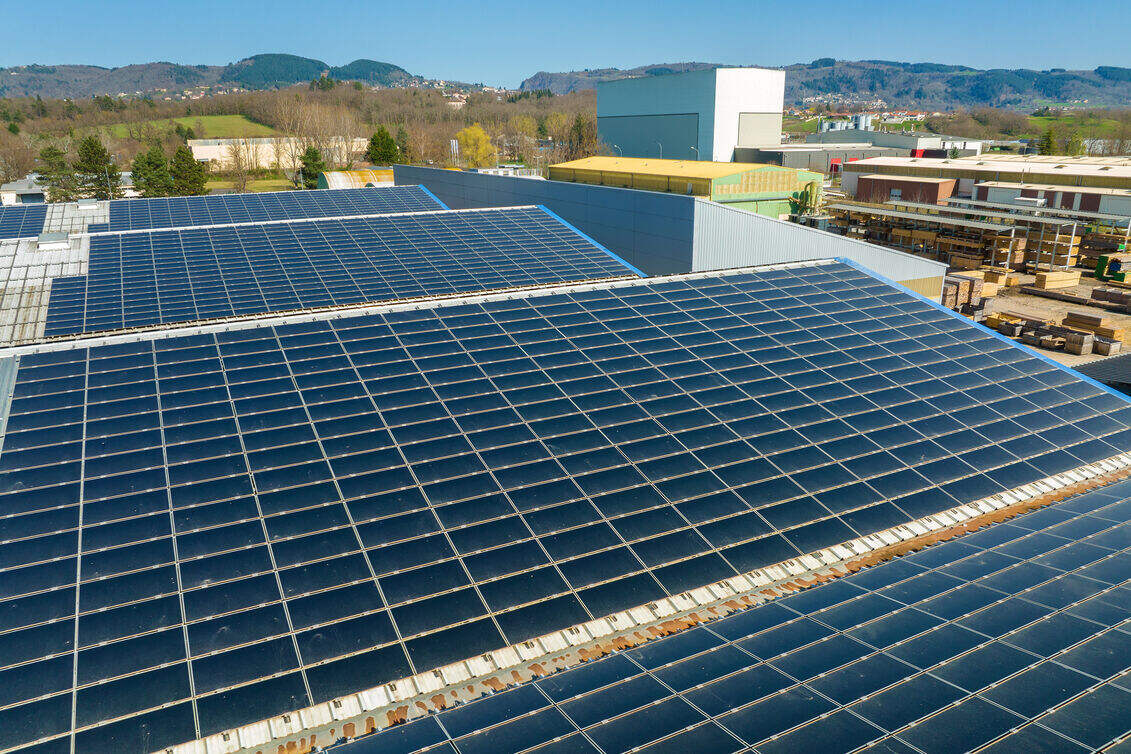
A properly maintained roof contributes directly to improved energy efficiency and overall building performance. Damage to insulation or reflective surfaces can increase energy consumption and reduce indoor comfort.
By following a structured commercial roofing maintenance plan, property owners can:
- Maintain insulation effectiveness
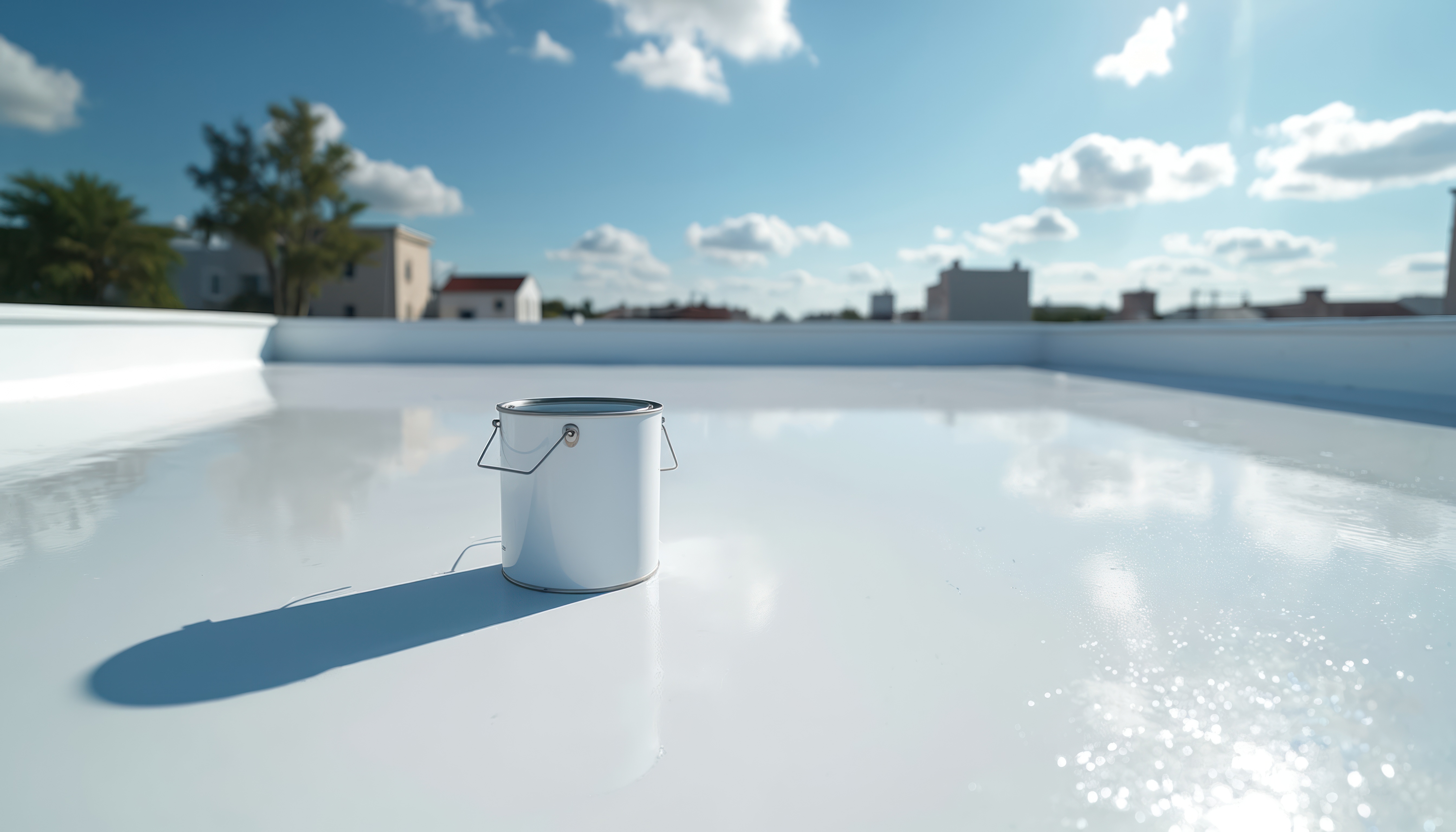
- Preserve reflective coatings
- Reduce HVAC strain
- Improve temperature consistency
These improvements enhance building performance while supporting efforts to extend roof lifespan.
Flat Roof Maintenance Tips for Long-Term Performance
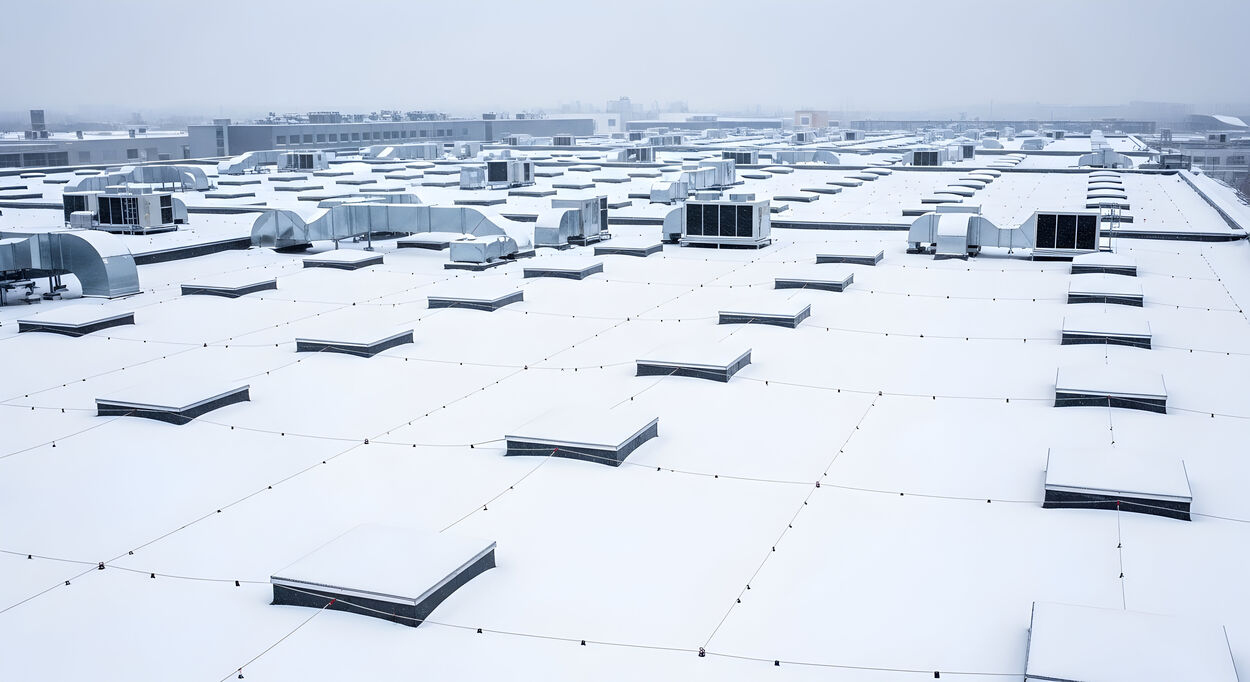
Flat roofs require consistent care due to their design, making maintenance especially important. Following proven flat roof maintenance tips helps prevent common issues such as ponding water and material deterioration.
Best practices include:
- Inspecting the roof after storms
- Keeping drainage systems clear
- Monitoring for standing water
- Addressing damage immediately
These steps help maintain performance and reduce the risk of costly repairs.
Seasonal Maintenance Considerations
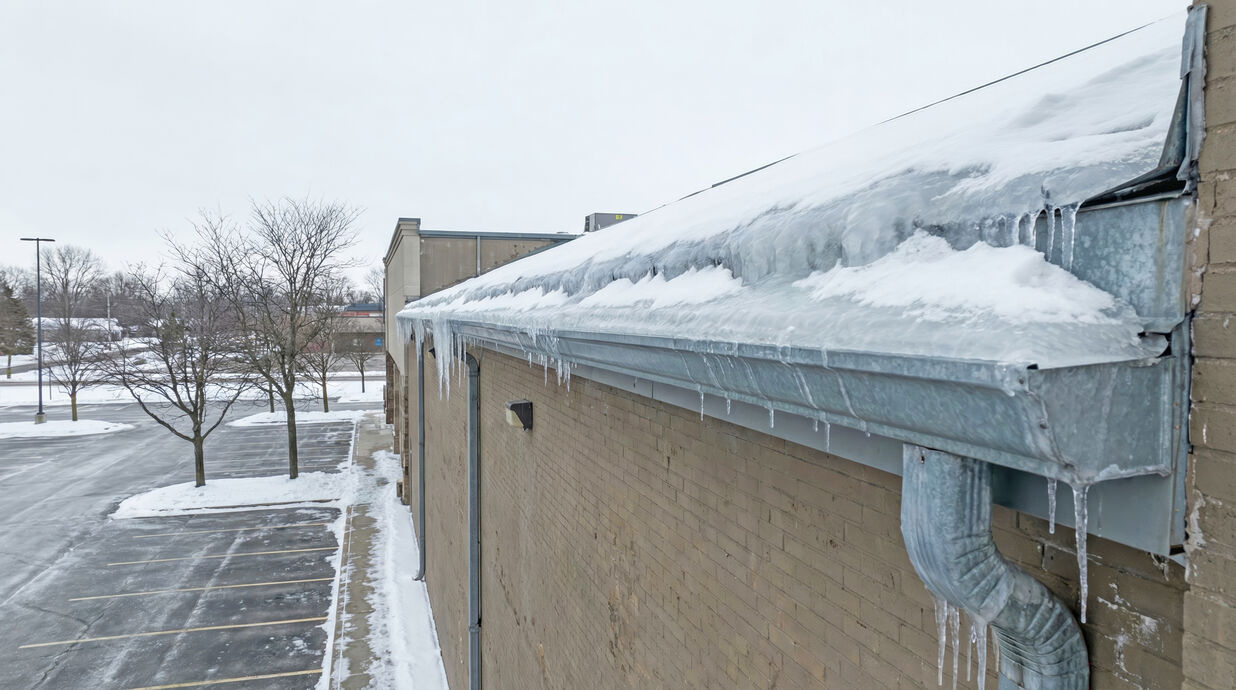
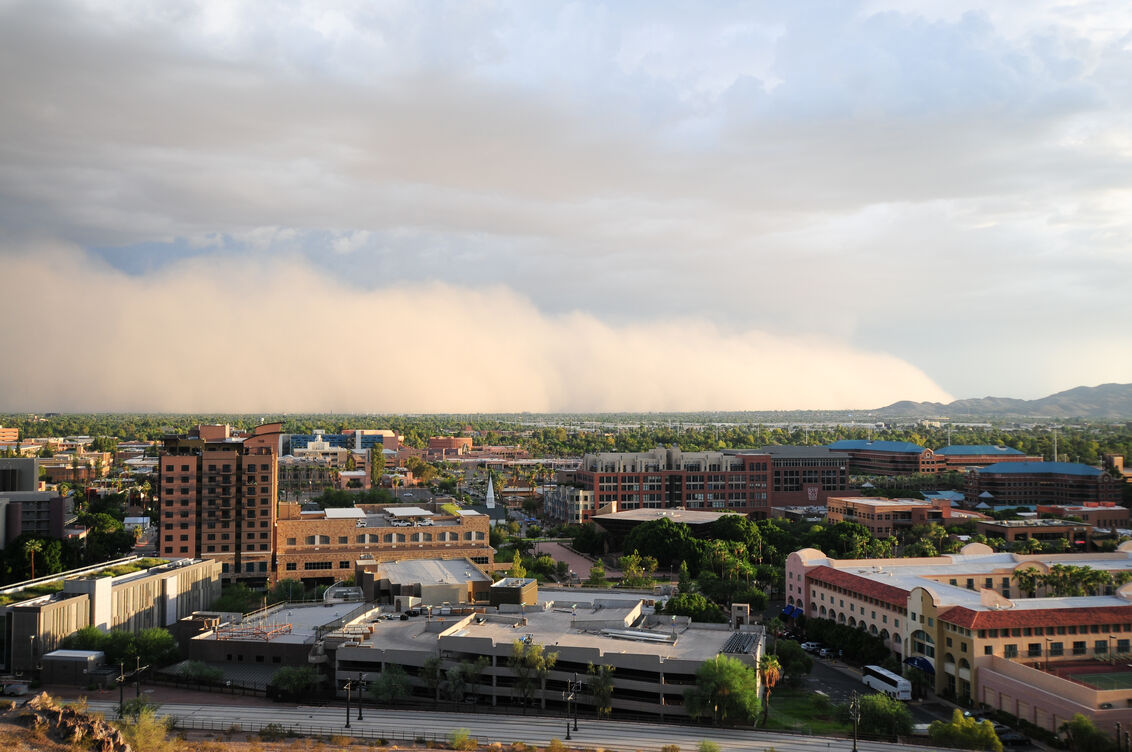
Different seasons bring unique challenges that can impact roof performance, making year-round maintenance essential. Adjusting your commercial roof maintenance checklist based on seasonal conditions helps ensure consistent protection.
Seasonal considerations include:
- Spring: Inspect for winter damage and clear debris
- Summer: Monitor for UV damage and heat-related wear
- Fall: Prepare drainage systems for increased debris
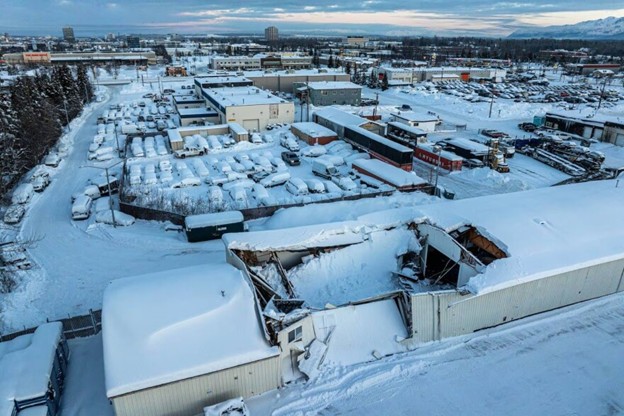
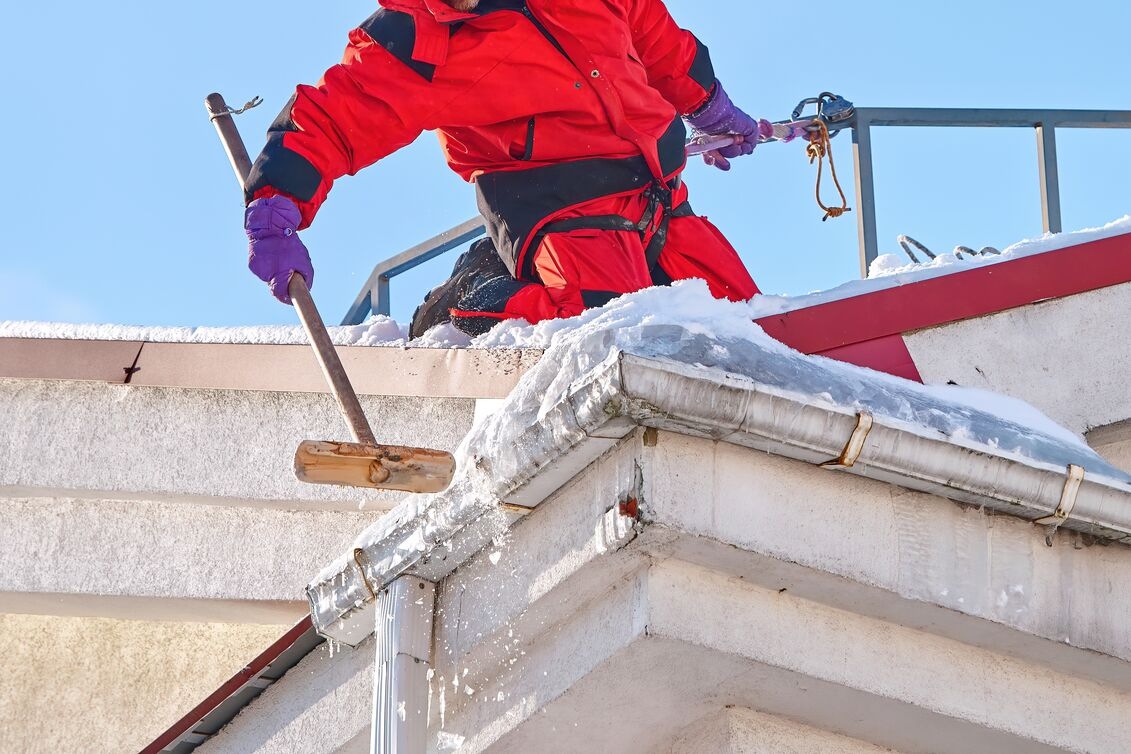
- Winter: Check for snow accumulation and ice-related issues
Adapting maintenance to seasonal conditions is a key part of how to extend roof life.
Signs Your Roof Maintenance Plan Is Working
An effective commercial roofing maintenance plan produces noticeable improvements over time. Property owners who invest in maintenance often experience fewer issues and more predictable performance.
Indicators of success include:
- Reduced frequency of repairs
- Stable or lower energy costs
- Extended roof lifespan beyond expectations
- Improved overall roof condition
These results highlight the long-term value of commercial roof preventative maintenance.
Common Mistakes That Shorten Roof Lifespan
Even with good intentions, certain maintenance mistakes can actually reduce the effectiveness of your roofing system. Avoiding these common errors is just as important as following a proper commercial roofing maintenance plan, as small oversights can lead to premature damage. One of the most frequent issues is neglecting routine inspections, which allows minor problems to go unnoticed until they become costly repairs. Another common mistake is delaying small fixes, as even minor cracks or drainage issues can quickly escalate into larger structural concerns if left unaddressed.
Additional mistakes that can shorten roof lifespan include:
- Allowing debris to accumulate and block drainage systems
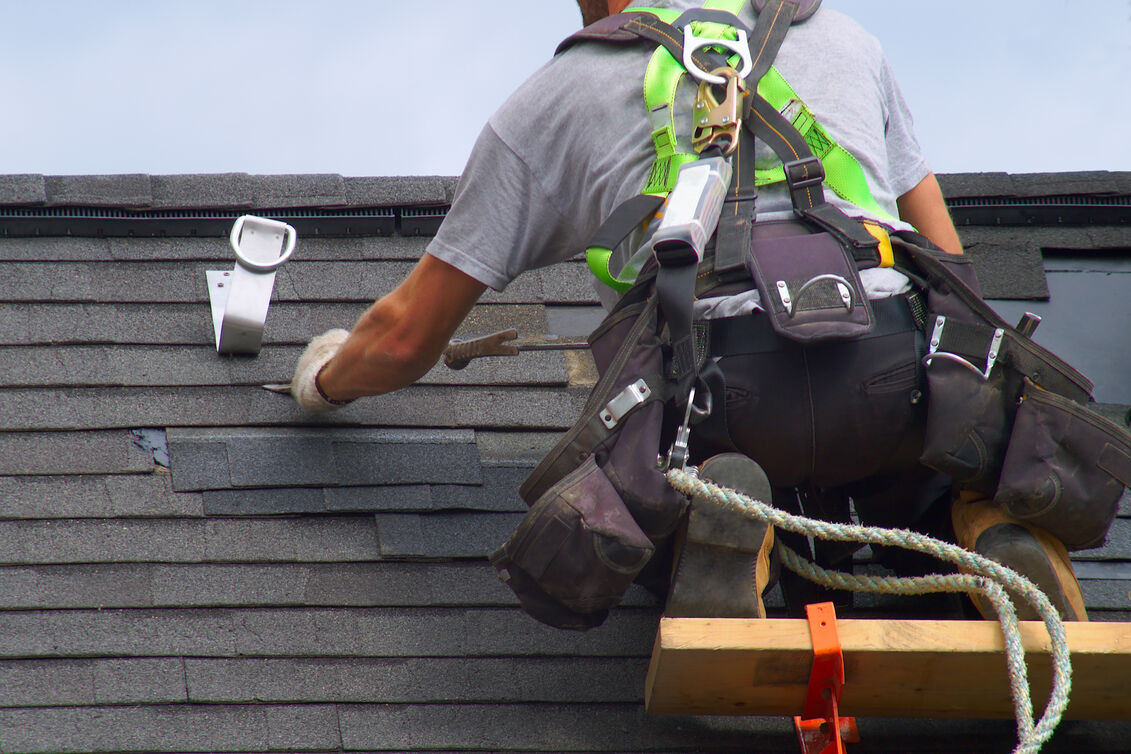
- Using untrained personnel for repairs or inspections
- Ignoring manufacturer maintenance guidelines
- Failing to document maintenance for warranty purposes
Proper training, consistent scheduling, and working with experienced professionals can help prevent these issues. By avoiding these common pitfalls, property owners can better protect their investment and continue to extend roof lifespan through effective preventative roof maintenance.
When to Work With a Professional Roofing Contractor
While some maintenance tasks can be handled internally, professional contractors provide expertise that ensures thorough inspections and accurate repairs. They follow a detailed commercial roof maintenance checklist to identify issues that may not be obvious.
Professional services include:
- Comprehensive inspections
- Expert repair recommendations
- Preventative maintenance programs
- Documentation for warranty compliance
Working with professionals helps maximize the roof maintenance benefits and ensures long-term reliability.
Protect Your Investment with Preventative Maintenance
Investing in preventative roof maintenance is one of the most effective ways to protect your building and avoid costly repairs. A proactive approach improves performance, reduces risk, and helps property owners consistently extend roof lifespan. With the right maintenance strategy in place—and the support of Solameer’s experienced team—your roof can continue to provide reliable protection and efficiency for many years.
Frequently Asked Questions
How often should a commercial roof be maintained?
Most commercial roofs should be inspected and maintained at least twice a year. Additional maintenance may be needed after severe weather or heavy use.
What does a roof maintenance plan include?
A maintenance plan typically includes inspections, cleaning, drainage checks, and minor repairs. These steps help prevent small issues from becoming major problems.
Can maintenance really extend a roof’s lifespan?
Yes, regular maintenance can significantly extend the life of a roofing system. Addressing issues early reduces wear and prevents premature failure.
Is preventative maintenance worth the cost?
Preventative maintenance is often more cost-effective than major repairs or early replacement. It helps reduce long-term expenses and protect your investment.
What happens if I skip roof maintenance?
Skipping maintenance can lead to undetected damage and faster deterioration. Over time, this increases repair costs and shortens the roof’s lifespan.
Do all commercial roofs require the same maintenance?
No, maintenance requirements vary depending on the roofing system and environmental conditions. Different materials require different care and inspection methods.
Can maintenance help with warranty compliance?
Yes, many roofing warranties require regular maintenance to remain valid. Proper documentation of maintenance activities helps ensure coverage if issues arise.


.jpeg)