
Colorado experiences some of the most intense hailstorms in the United States, earning regions like the Front Range the nickname “Hail Alley.” From spring through early fall, severe weather systems regularly sweep across Denver, Colorado Springs, Fort Collins, and surrounding areas—bringing hailstones large enough to break skylights, puncture membranes, and dent metal panels. For business owners, the financial impact can be significant: operational disruptions, inventory losses, interior water damage, and repeated insurance claims.
Because hail is not just a possibility but an annual expectation, choosing durable, impact-rated roofing materials is essential. Many property owners turn to hail resistant roof systems and reinforced assemblies that can better withstand Colorado’s unpredictable weather. This guide outlines the most effective ways to prevent hail-related failures and how to recognize when damage becomes severe enough to warrant replacement.
Whether you manage a warehouse in Aurora, an industrial plant in Pueblo, or a retail center in Greeley, partnering with experts in commercial roofing in Colorado helps ensure your building remains protected during peak storm season. Understanding the available impact roofing options will put you in the best position to maintain long-term roof performance.
See Our Colorado Roofing Services
Colorado’s Hail Climate: Why Impact-Rated Roofing Matters
Colorado’s climate is unique: high elevation, wide temperature swings, strong winds, and fast-building storm cells all contribute to frequent hail events. The state consistently ranks in the top five nationwide for hail losses, causing millions in property damage each year.
1. Frequent and Severe Hailstorms
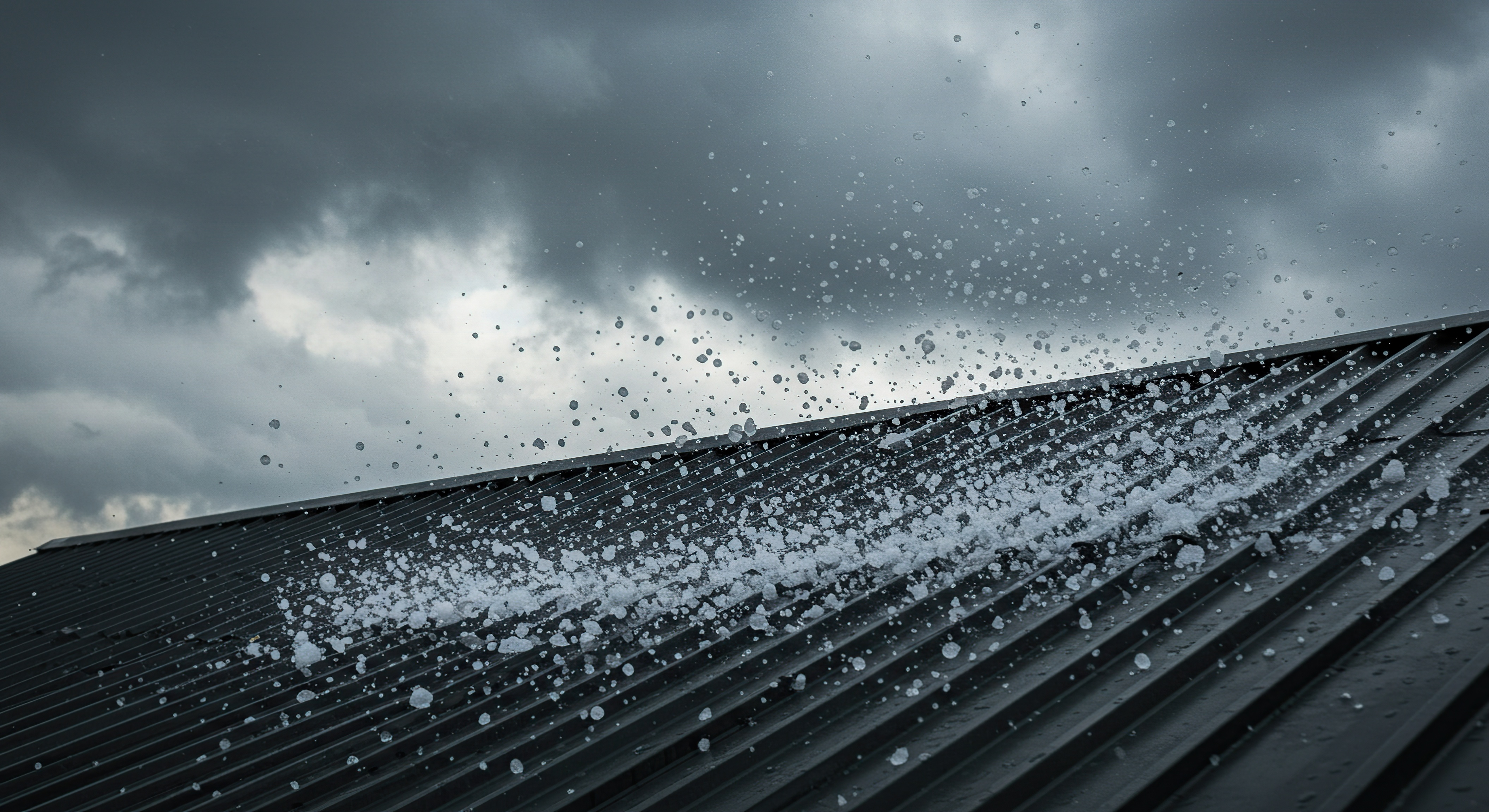
Colorado regularly sees hailstones between 1–2 inches, with some storms producing hail the size of golf balls or larger. At this size, hail can puncture roofs, dent metal, shatter coatings, and weaken seams—especially on aging or unreinforced roofing systems.
2. Wind-Driven Hail Impacts
Strong winds amplify the force of falling hailstones, increasing the likelihood of membrane tears, exposed fasteners, cracked skylights, and structural dents. Roofs with poor edge securement or insufficient insulation are even more susceptible.
3. UV Exposure and Temperature Swings
Colorado’s high elevation means stronger UV radiation, which accelerates aging in roofing materials. When a storm hits an already weakened roof, hail damage becomes more severe and costly.
Because of these conditions, impact roofing is no longer optional—it's essential for long-term roof performance in this region.
Best Impact-Rated Commercial Roofing Systems for Colorado
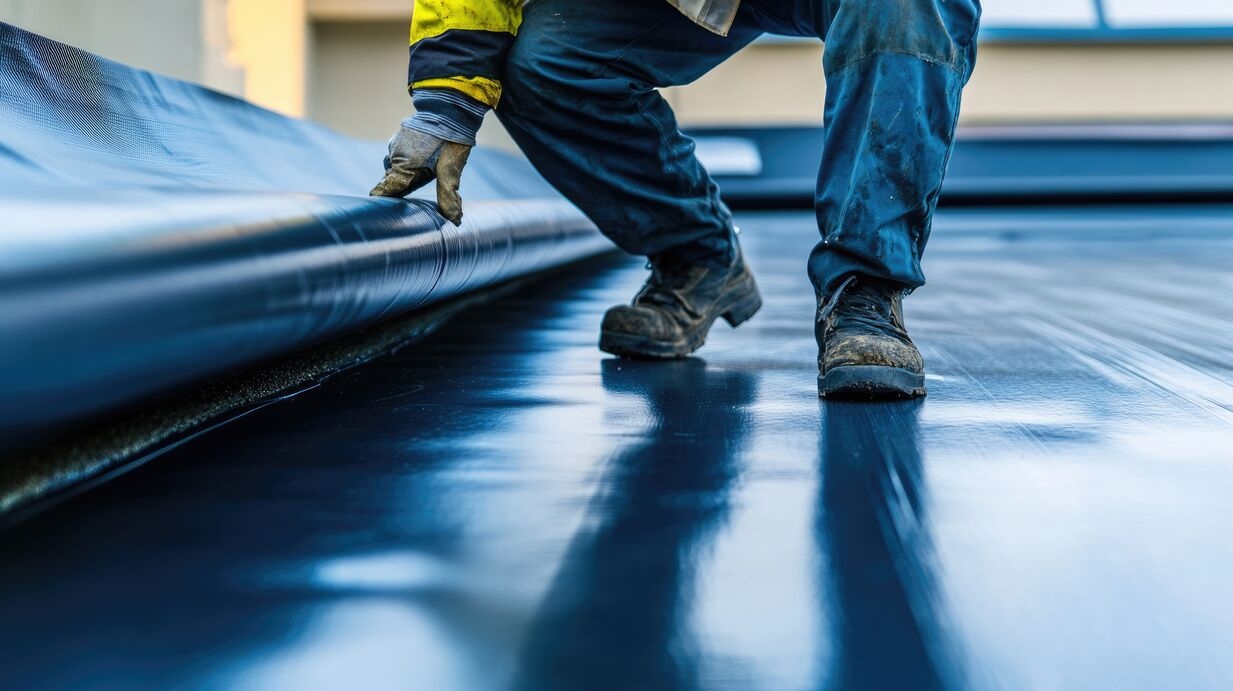
Below are the most reliable systems engineered to withstand hail impact and extend lifespan for commercial roofing in Colorado.
1. Class 4 Impact-Rated TPO Roofing
TPO is a popular membrane option across Colorado, but not all TPO is designed for hail resistance. Class 4–rated TPO systems use thicker membranes and reinforced scrim layers that help absorb and disperse impact energy.
Benefits of Class 4 TPO:
- Reinforced surface resists punctures
- Flexible enough to withstand temperature swings
- Cost-effective compared to full structural upgrades
- Reflective properties help lower energy costs
When paired with proper insulation and substrate reinforcement, TPO offers strong performance for hail-heavy regions.
2. PVC Roofing: High Durability and Superior Puncture Resistance
PVC membranes are engineered for strength. Their heat-welded seams, thicker formulations, and chemical resistance make them an excellent choice for facilities that need high durability and weather resilience.
Advantages for Hail-Prone Facilities:
- Excellent puncture resistance
- Strong seam integrity
- Good performance in high winds
- Long-term UV stability
PVC is especially beneficial for restaurants, hospitals, and industrial buildings where both impact resistance and chemical durability are important.
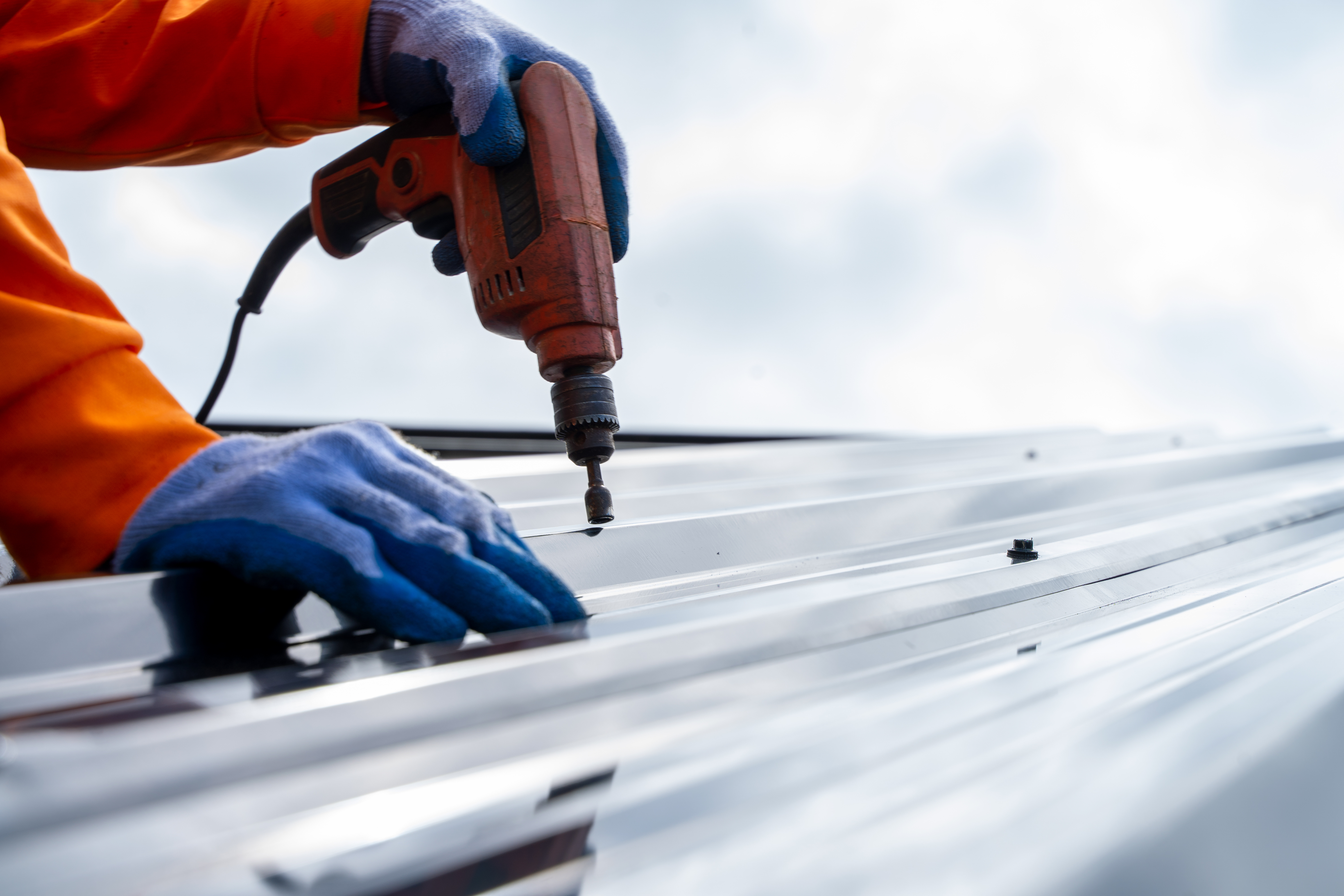
3. Metal Roofing with Impact-Resistant Coatings
Metal roofing systems—especially standing seam metal—are known for their longevity and ability to withstand wind uplift. However, in hail-prone regions, panel thickness and coating type make a significant difference.
Metal Roofing Impact Features:
- High resistance to hail impact dents (depending on gauge)
- Optional stone-coated steel for added durability
- Fire-resistant and low maintenance
- Long lifespan (40–50 years)
Metal roofs can still show cosmetic dents, but structural damage is rare when using impact-rated panels.
4. Modified Bitumen Roofing with Reinforced Layers
Modern modified bitumen systems use composite reinforcement mats designed to resist punctures and tears.
Why Modified Bitumen Performs Well in Hail:
- Multi-layer protection
- Strong puncture resistance
- Optional granulated surfaces reduce impact shock
- Excellent waterproofing capabilities
This system is a durable and cost-effective option for older buildings upgrading from traditional asphalt roofs.
5. Spray Polyurethane Foam (SPF) with Elastomeric Coatings
SPF roofs provide a seamless, highly insulated surface that naturally absorbs hail impacts. When protected with a high-grade elastomeric or silicone coating, SPF becomes a powerful impact-resistant solution.
Benefits of SPF Systems:
- High R-value provides energy efficiency
- Seamless design prevents leaks
- Absorbs and disperses impact energy
- Easy to repair after a storm
SPF is one of the most versatile impact roofing options for commercial buildings with complex roof layouts.
Upgrades That Strengthen Hail Resistance
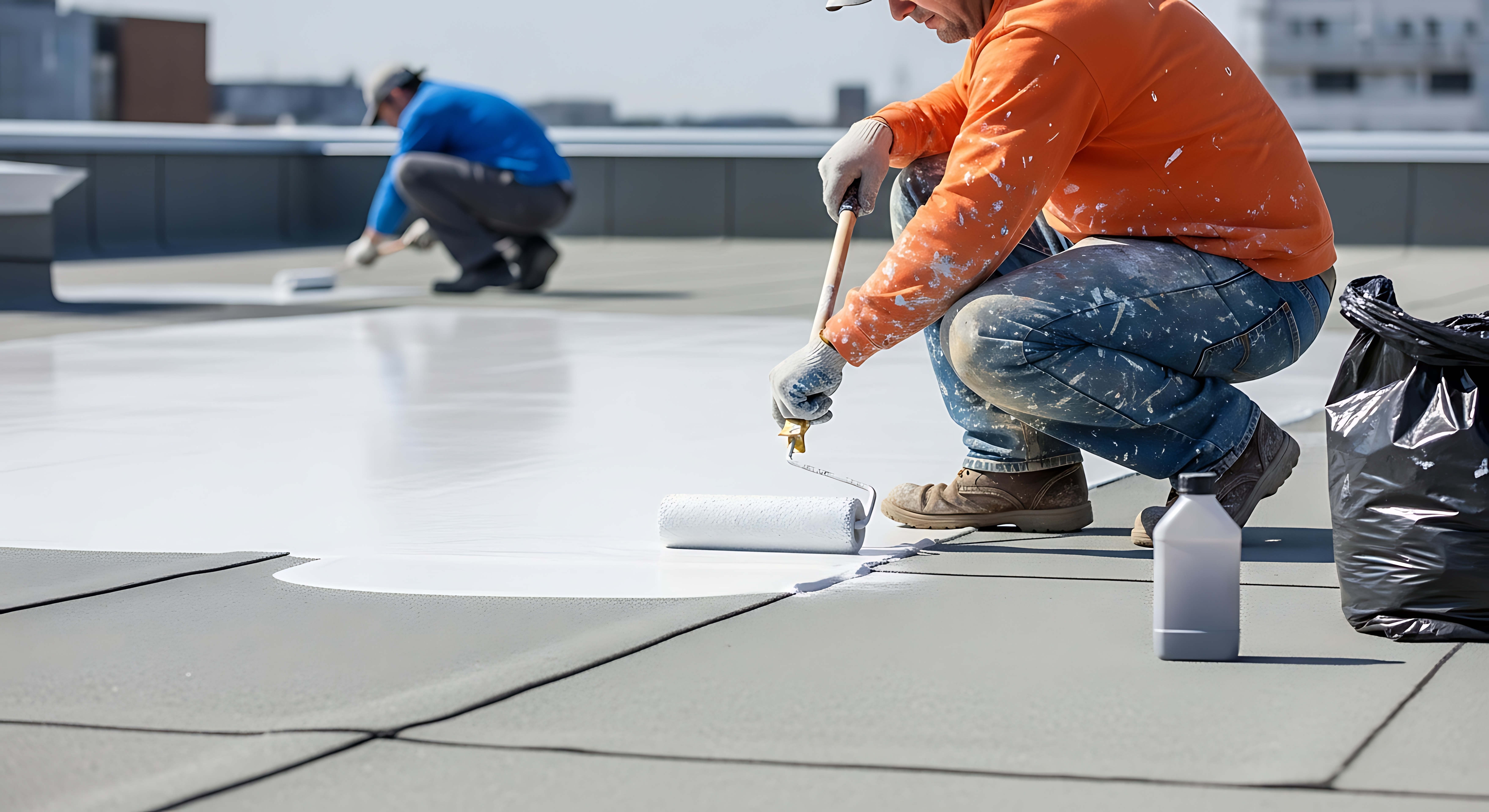
Even the strongest roofing systems benefit from additional enhancements that increase durability and reduce storm-related vulnerabilities.
1. High-Density Cover Boards
Cover boards such as gypsum or polyiso add a rigid layer beneath membranes, dramatically improving puncture resistance.
They help:
- Distribute impact force
- Reduce membrane tears
- Protect insulation systems
- Extend roof lifespan
This upgrade is especially recommended for TPO and PVC systems.
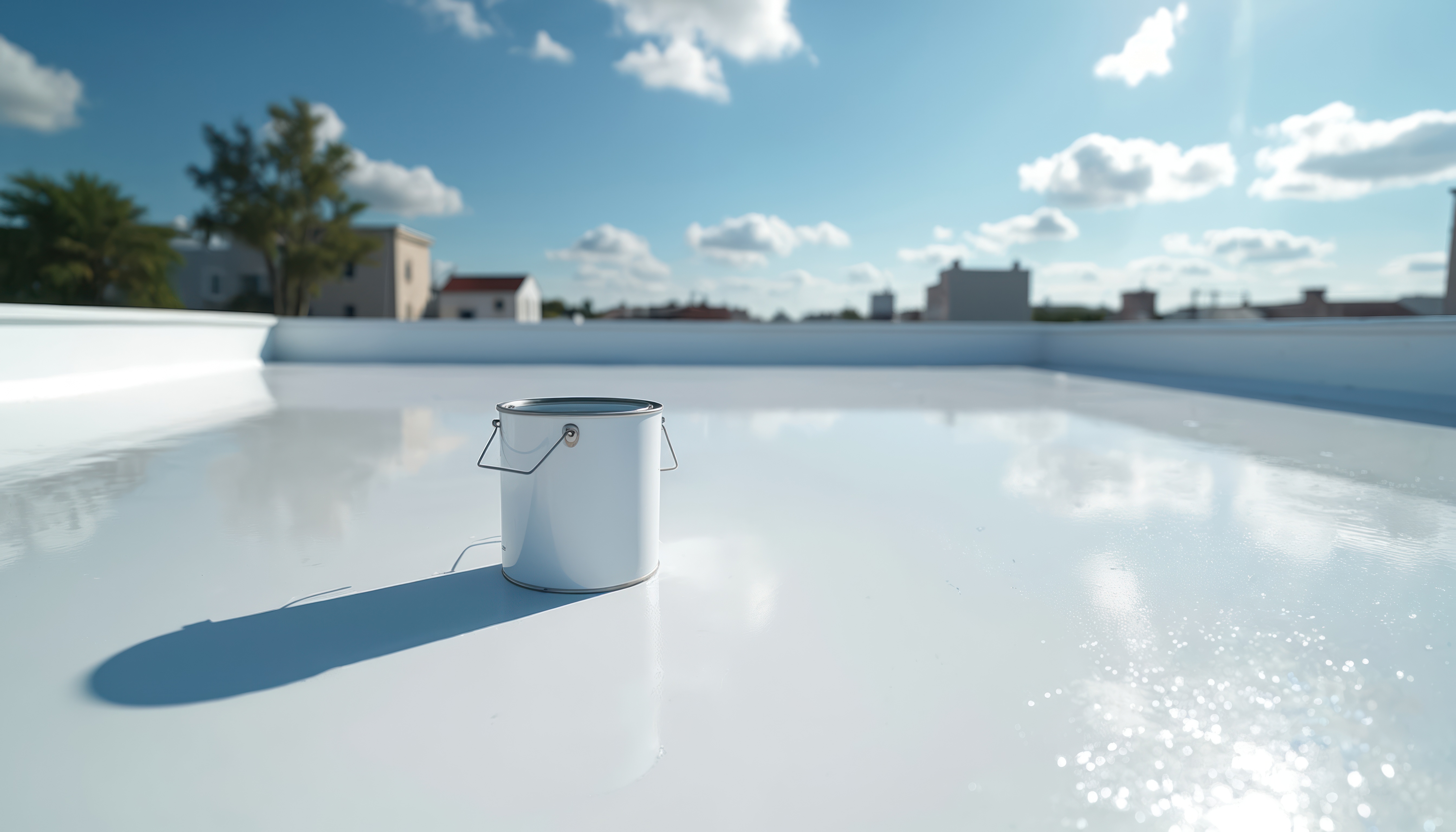
2. Impact-Resistant Roof Coatings
Elastomeric and silicone coatings add a flexible protective layer that helps absorb hail impact and reduce surface wear.
Coatings also provide:
- Additional UV protection
- Waterproofing support
- Enhanced energy efficiency
- Extended roof system lifespan
This is one of the most cost-effective upgrades for usable but aging roofs.
3. Reinforced Insulation and Substrate Support
Strong underlying insulation provides key resistance against hail impacts. Densely packed or impact-rated insulation helps prevent deep punctures and substrate failure.
4. Upgraded Flashing and Edge Metal
Wind-driven hail often strikes perimeter areas first. Reinforced flashing and securement prevents storm-driven water intrusion and reduces the risk of blow-offs.
How to Identify Hail Damage on Commercial Roofs
Even with a hail resistant roof, regular inspections are essential. Some damage is obvious—but much of it is subtle and easy to miss without expert evaluation.
Common Signs of Hail Damage:
- Membrane punctures or bruising
- Dented metal panels or HVAC units
- Cracked skylight lenses
- Granule loss on modified bitumen
- Blisters or uplifted seams
- Wet insulation or interior staining
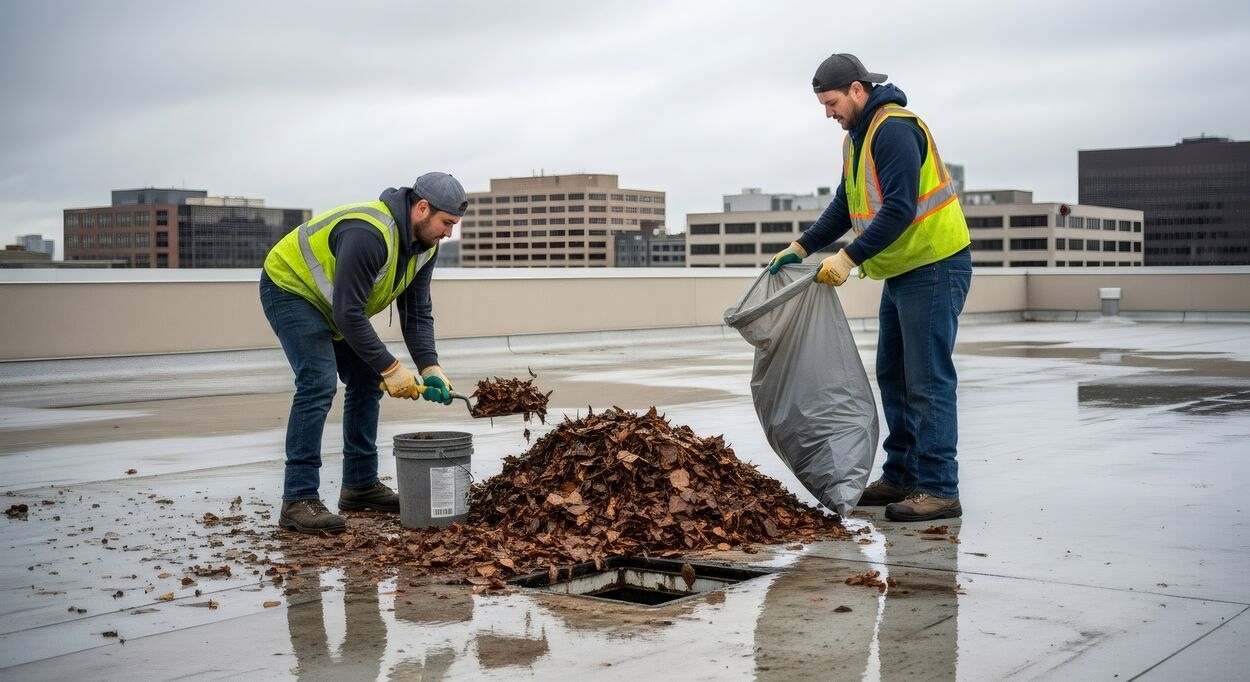
- Drainage blockages caused by debris
After a major storm, scheduling a professional inspection is crucial for documenting impacts and determining how much hail damage to replace a roof under insurance guidelines.
How Much Hail Damage Requires Roof Replacement?
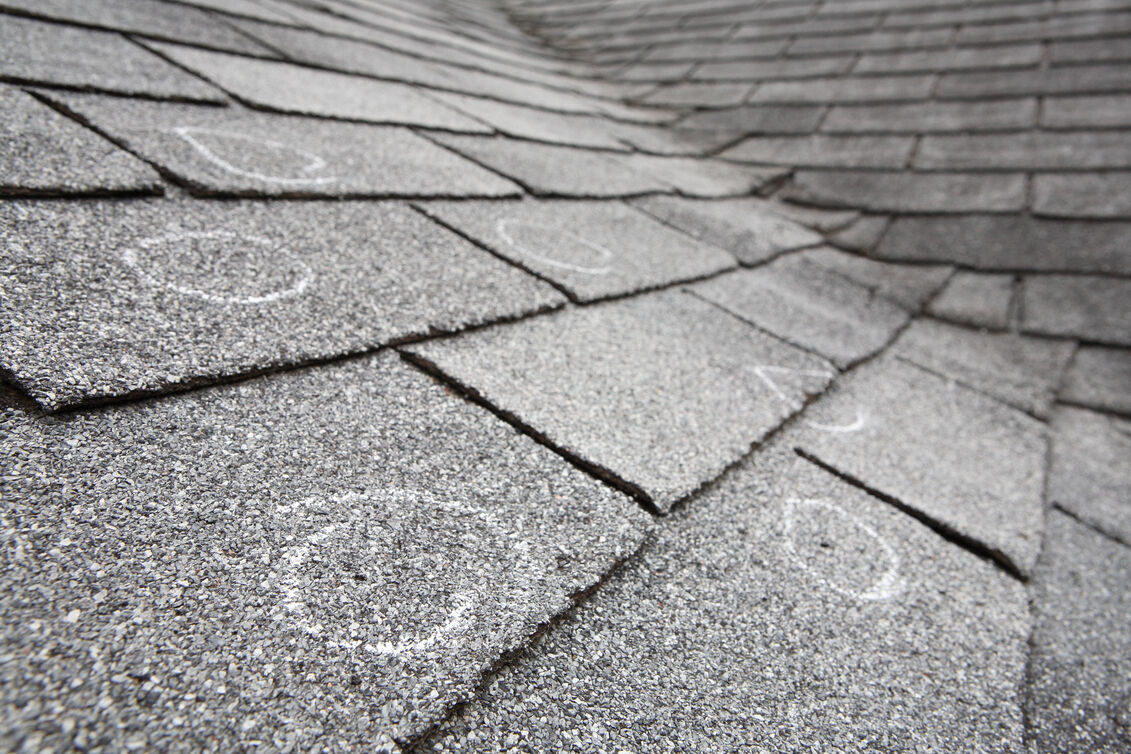
Before determining repairs, it’s important for property owners to understand when hail damage crosses the threshold into full roof replacement. Not all impact marks or dents require a new roof, but when hail compromises the waterproofing layer, damages insulation, or affects structural components, replacement often becomes the only reliable solution. Insurance carriers rely on specific criteria to justify a new roofing system, making proper documentation and expert evaluation essential after severe storms.
Insurance adjusters typically look for:
- Multiple punctures across membrane areas
- Widespread substrate damage
- Moisture infiltration or saturated insulation
- Compromised flashing or structural components
- Loss of waterproofing integrity
Even smaller hail can cause enough damage for replacement when:
- The roofing system is nearing end of life
- Water intrusion has already begun
- The roof has repeated hail history
Understanding your policy and getting a thorough inspection from a commercial roofing in Colorado expert ensures accurate claim support.
Why Businesses Should Invest in Impact-Rated Roofing Now
Hail storms in Colorado aren’t rare events—they are annual threats. Choosing impact-rated materials:
- Reduces emergency repair costs
- Minimizes insurance claims
- Protects valuable equipment and inventory
- Reduces facility downtime
- Improves long-term roof ROI
A well-designed impact roofing system pays for itself many times over.
Why Work With Solameer for Hail-Resistant Commercial Roofing in Colorado
Solameer specializes in commercial roofing systems engineered for Colorado’s hail-heavy climate. Our team understands the unique challenges created by elevation, storm frequency, and building design in the Rocky Mountain region. We provide comprehensive support to ensure your roof remains durable, compliant, and storm-ready year after year.
Our Services Include:
- Impact-resistant system installation
- Hail and storm damage inspections
- Insurance claim support and documentation
- Protective coatings and reinforcement upgrades
- Long-term maintenance plans
- Emergency leak and puncture repair
Our mission is simple: help Colorado businesses stay protected, operational, and financially secure—no matter how severe the storm season becomes.
Protect Your Colorado Business Before the Next Hailstorm
Every year brings new hail events, and the best defense is proactive planning. Solameer offers specialized solutions for commercial roofing in Colorado, ensuring your building is equipped with the hail resistant roof systems needed to withstand unpredictable weather.
Ready to upgrade your roof for hail season? Contact Solameer today for a professional impact roofing assessment.
Frequently Asked Questions
Does Colorado require roofers to be licensed?
Yes. Roofers performing work in Colorado must hold a valid license at the county or municipal level, ensuring compliance with local building codes and safety standards.
What is a Class 4 roof in Colorado?
A Class 4 roof is the highest impact-resistance rating available, designed to withstand severe hail impact. It is commonly used in commercial roofing in Colorado due to frequent hailstorms.
How much does a commercial TPO roof cost?
Costs vary by size and complexity, but commercial TPO roofs typically range from $6–$12 per square foot. Adding impact-rated reinforcements may increase pricing but improves long-term durability.
What is the most hail resistant roofing?
Class 4–rated materials such as impact-resistant metal, PVC, reinforced TPO, and spray polyurethane foam (SPF) systems are considered the most hail resistant roofing options for Colorado properties.
How long does a hail resistant roof last?
Most hail resistant roofs last 20–50 years, depending on the material, installation quality, and whether the building receives regular commercial roof maintenance.
Is a 24-gauge metal roof hail resistant?
Yes. A 24-gauge metal roof is significantly stronger than thinner panels and offers excellent hail resistance, although it may still show cosmetic dents that do not affect performance.
How to tell if a roof is hail resistant?
Look for a Class 4 UL 2218 impact rating, reinforced membranes, high-density cover boards, or thicker metal panels. A professional roofing contractor can verify whether your system qualifies as a hail resistant roof.
How much hail damage to replace a roof?
Replacement is typically warranted when hail causes widespread punctures, dents, insulation saturation, or compromised waterproofing. Insurance adjusters use these conditions to determine how much hail damage to replace a roof based on policy coverage.
Should you replace a roof with hail damage?
If damage affects waterproofing, structure, or membrane integrity, replacement is often necessary. Leaving hail damage unaddressed can lead to leaks, mold, and costly interior repairs.
Is it worth filing a claim for hail damage?
Yes—hail is a covered peril under most commercial policies, and filing promptly ensures proper documentation. Even moderate damage can qualify for repair or replacement under insurance guidelines.
What is an impact roof?
An impact roof—often called impact roofing—is designed to resist hail and debris strikes using reinforced materials such as Class 4 shingles, heavy-gauge metal, or impact-rated membranes.
Is impact resistant roofing worth it?
Absolutely. Impact-resistant systems reduce long-term repair costs, improve insurance eligibility, and better protect commercial buildings in hail-heavy regions like Colorado.


.jpeg)