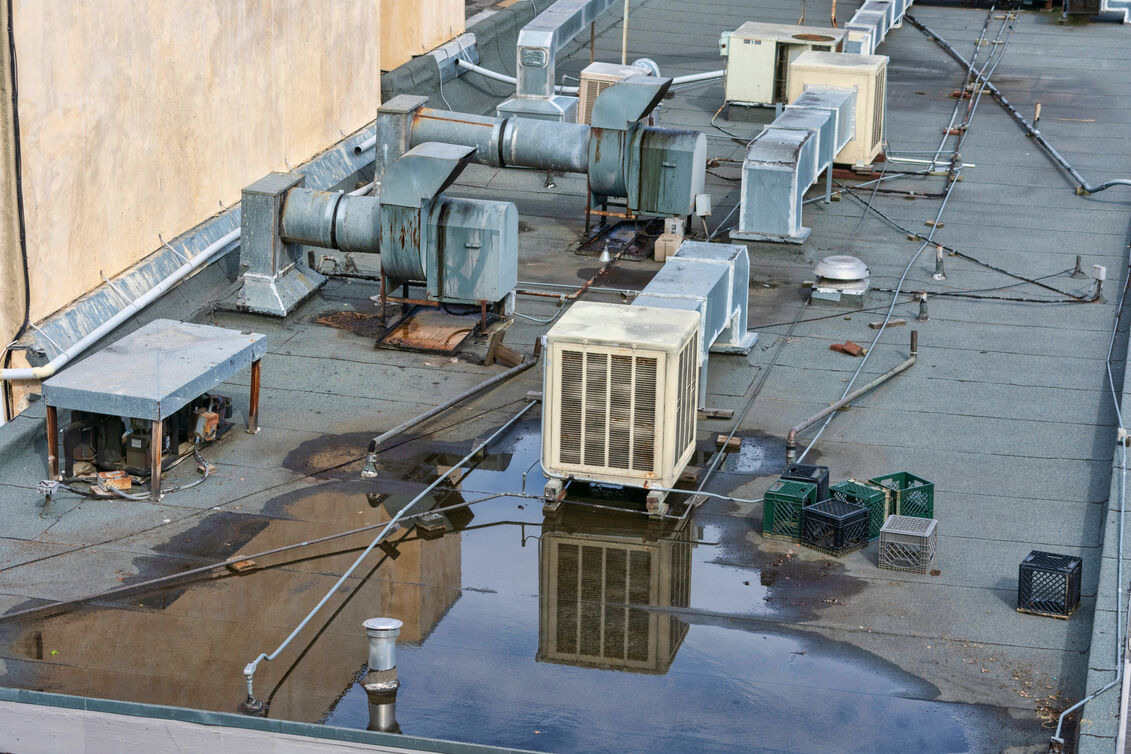

Georgia’s climate can be unpredictable—humid summers, frequent thunderstorms, and seasonal windstorms all pose challenges for commercial roofing systems. For business owners, preparing your roof for severe weather isn’t merely routine upkeep—it’s essential commercial roof protection that safeguards property, inventory, and day-to-day operations.
Whether your facility is a warehouse, retail center, manufacturing plant, or office building, understanding how to equip your roof for storms can significantly reduce both risk and long-term costs. Below are the most effective storm-ready roofing solutions for commercial buildings throughout Georgia.
Our Commercial Roofing Services in Georgia
Understanding Georgia’s Roofing Challenges
Georgia’s buildings endure a mix of weather extremes. Each of the following conditions places distinct pressure on commercial roofing systems, making preventative planning essential.
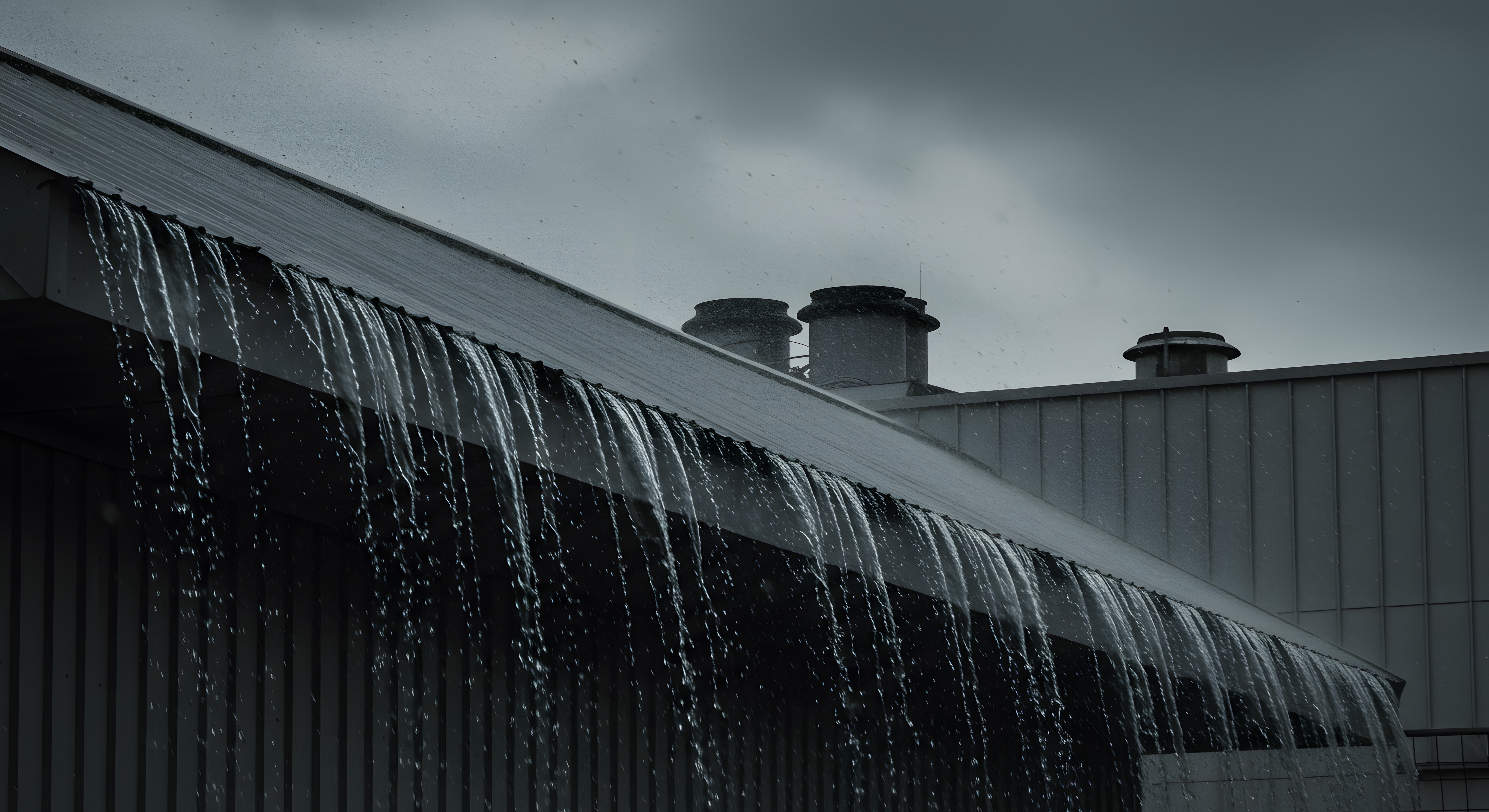
1. Heavy Rainfall and Moisture
Georgia’s extended rainy seasons can introduce significant strain on roofing materials. When moisture finds its way into small vulnerabilities—like unsealed seams or aging flashing—it can create long-term issues such as:
- Saturated insulation
- Mold or mildew growth
- Rusting fasteners
- Compromised structural components
Persistent humidity also accelerates material wear, making the selection of durable systems even more important for commercial roofing Georgia businesses.
2. Strong Winds and Uplift Pressure
Seasonal storms, tropical systems, and remnants of hurricanes bring sudden high winds. These winds:
- Increase uplift pressure around edges and corners
- Loosen fasteners or detach flashing
- Exploit weak seams
- Peel or lift membrane roofing
Because wind damage often begins at the perimeter, reinforcing edges is a cornerstone of reliable commercial roof protection. Many Georgia businesses also pair wind upgrades with hail-resistant roofing options to protect against the hail events that often accompany severe storms.
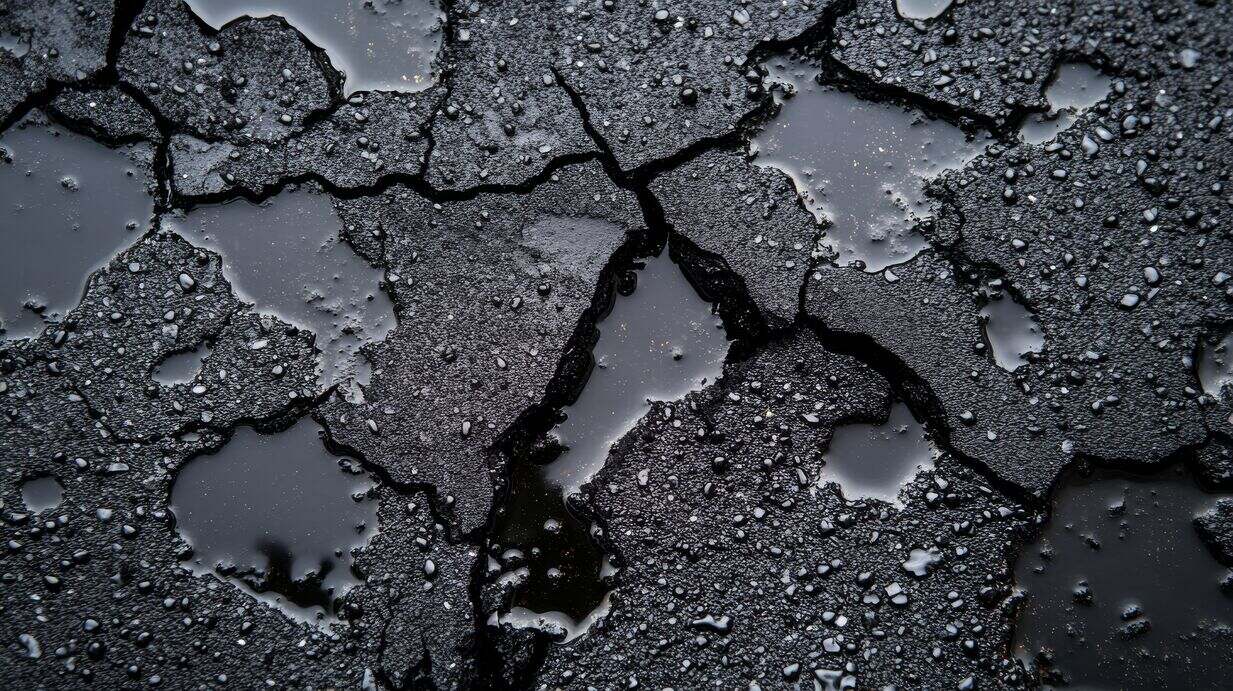
3. Extreme Temperature Swings
Georgia’s climate experiences rapid shifts between hot, humid days and cool evenings—especially in spring and fall. This causes roofing materials to repeatedly expand and contract, which can lead to:
- Cracking in older membranes
- Sealant fatigue
- Joint separation
- Surface blistering
When these stresses combine with UV exposure, roofing materials age much faster—especially on older commercial roofing Georgia systems that lack modern protective layers.
Best Commercial Roofing Solutions for Storm Protection in Georgia
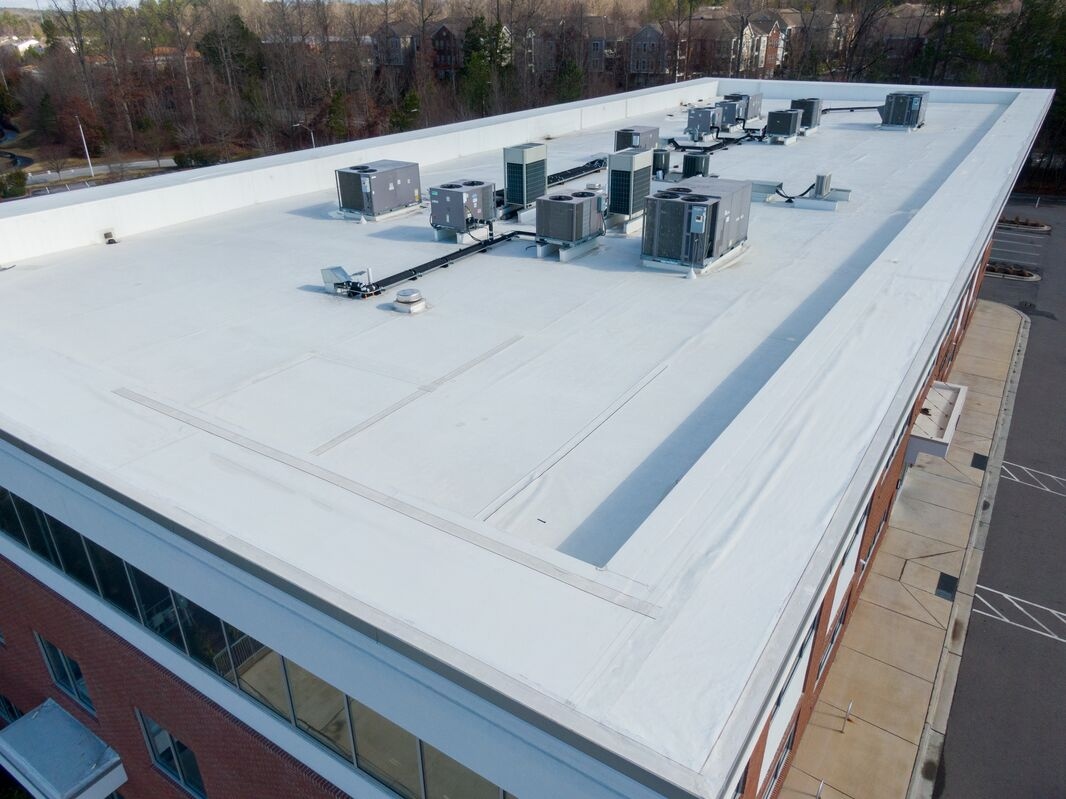
Below are practical, long-term solutions to strengthen your commercial roof and ensure it performs under pressure.
1. Install a High-Performance Roofing System
Selecting the right roofing system is the foundation of storm resilience. Modern commercial roofing materials are engineered to withstand high winds, heavy rain, and temperature fluctuations.
Popular Storm-Ready Commercial Roofing Systems
TPO and PVC Membranes
- Heat-welded seams create watertight seals
- Highly reflective for energy efficiency
- Excellent performance against standing water
- Resistant to chemicals and pollutants
Metal Roofing Systems
- Exceptional wind resistance and longevity
- Fire-resistant and low maintenance
- Suitable for buildings in open or high-wind areas
Modified Bitumen Roofing
- Multi-layer durability
- Strong resistance to punctures and water intrusion
- Reliable in fluctuating temperatures
To further enhance resilience, many businesses consider optional hail-resistant roofing reinforcements, which provide added defense against impacts during spring and fall storm seasons.
2. Reinforce Roof Edges and Flashing
Roof edges are one of the most vulnerable points during a storm. Proper reinforcement can prevent catastrophic damage.
Ways to Strengthen Roof Perimeters
- Install ANSI/SPRI-compliant edge metal
- Use reinforced fastening patterns
- Upgrade to high-performance sealants
- Ensure counter-flashing is correctly terminated
- Inspect for rust, bending, or separation regularly
When edges are fortified, the entire roofing system benefits from improved stability and reduced wind uplift risk.
3. Improve Roof Drainage
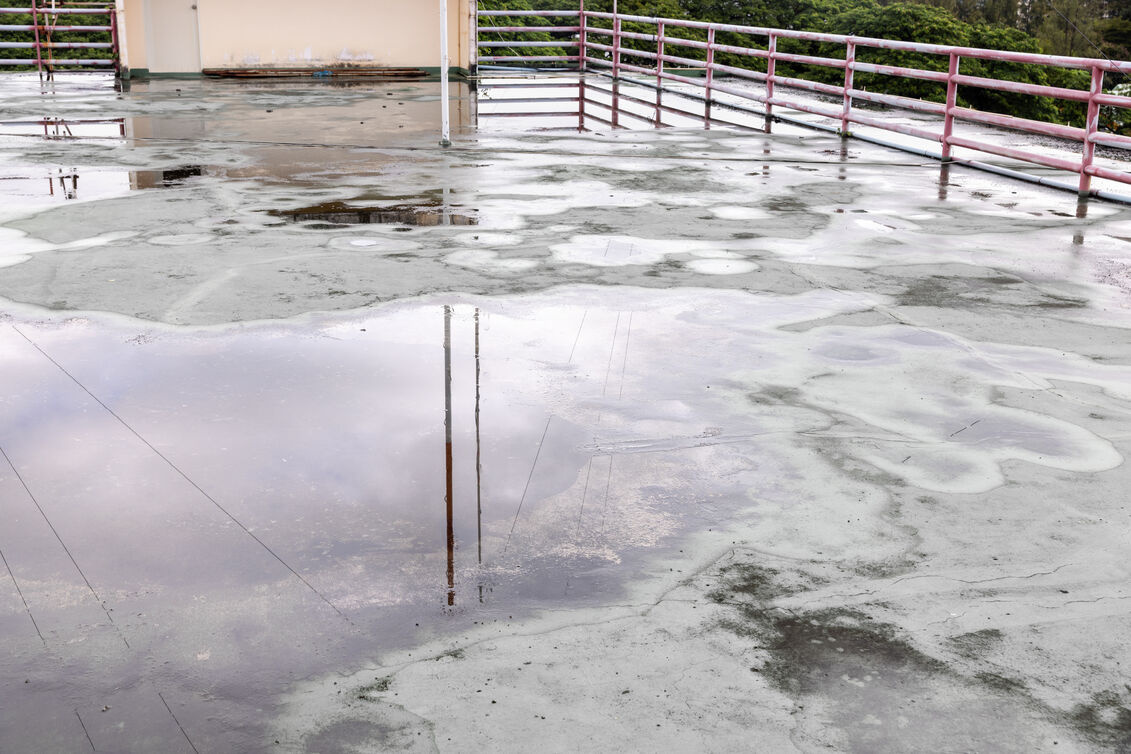
Effective drainage is essential for mitigating water-related damage during Georgia’s heavy storms.
Drainage Enhancements That Provide Immediate Impact
- Adding tapered insulation to eliminate low spots
- Installing overflow scuppers to redirect excess water
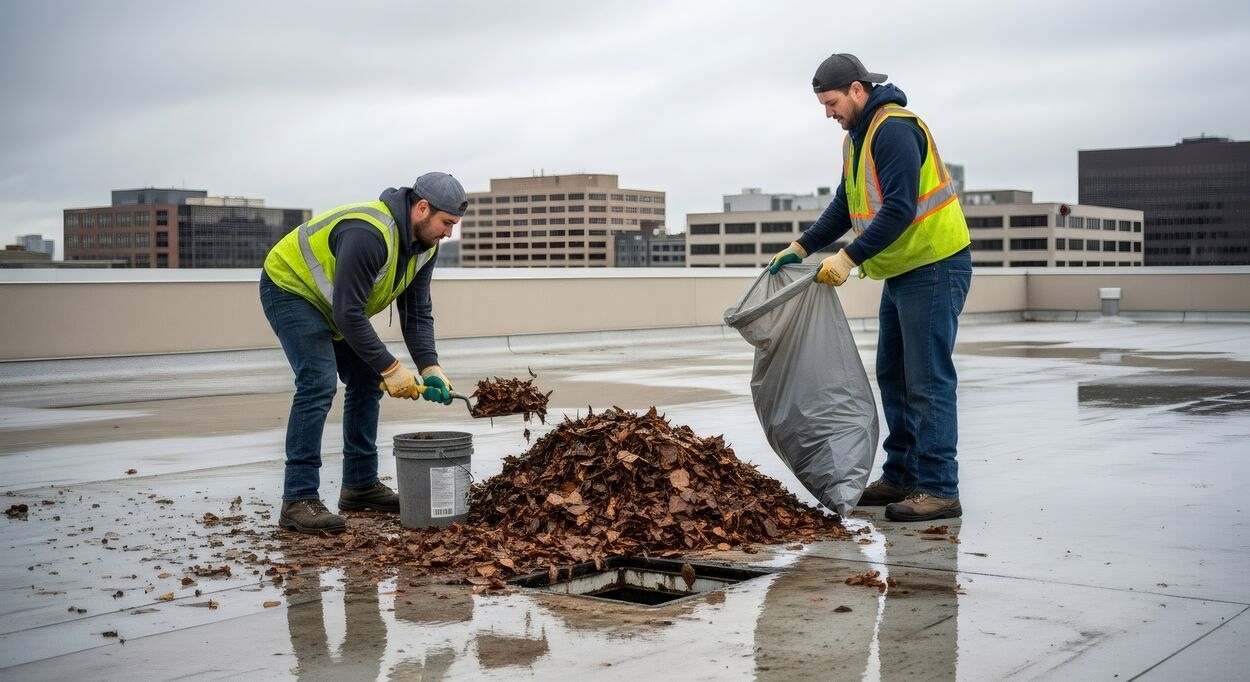
- Cleaning gutters and drains before storm season
- Checking drain strainers for cracks or clogging
- Ensuring downspouts discharge away from the building foundation
Slow drainage is a leading cause of leaks and structural deterioration—so maintaining flow paths is a core aspect of storm-ready roofing solutions.
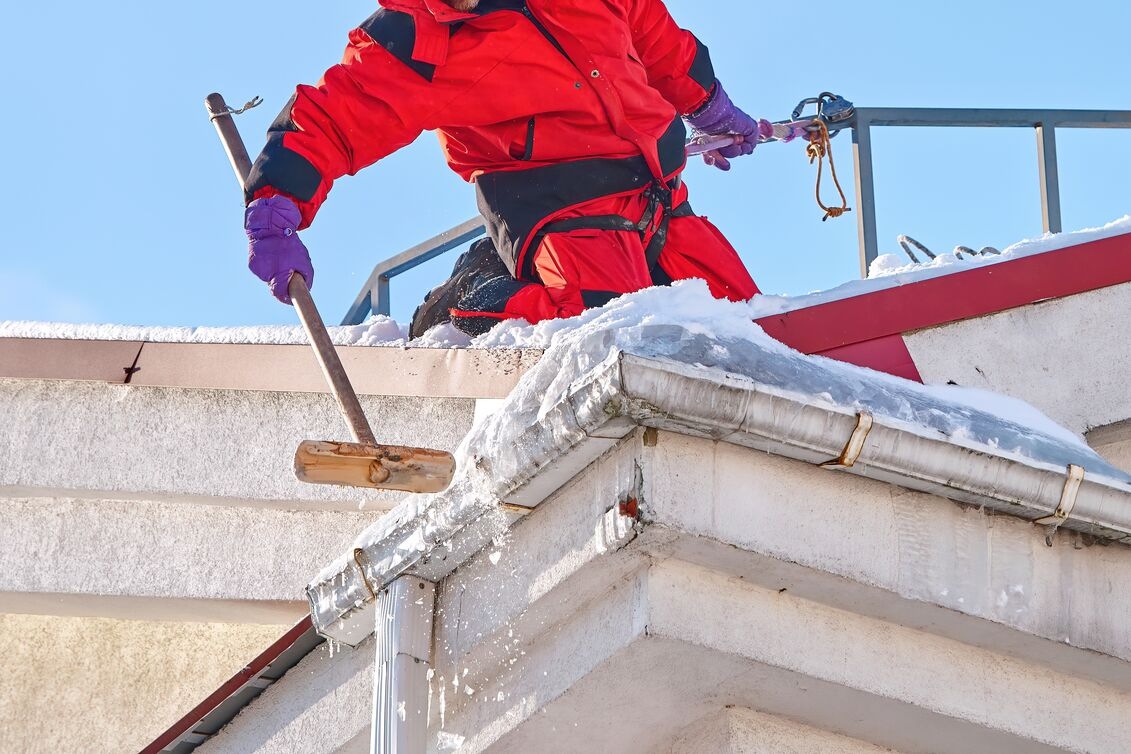
4. Schedule Preventative Roof Inspections
Routine roof inspections help catch problems early—before a storm exploits them.
Recommended Inspection Timing
- Before storm season (spring and late summer)
- After severe weather events
- Annually for general maintenance
Issues Often Found During Inspections
- Small punctures from debris
- Lifted seams
- Blocked drains
- Loose flashing
- Worn coatings
- Impact divots indicating hail exposure
Regular inspections are especially valuable for buildings that have not yet upgraded to hail-resistant roofing, as older systems are more susceptible to hidden impact damage.
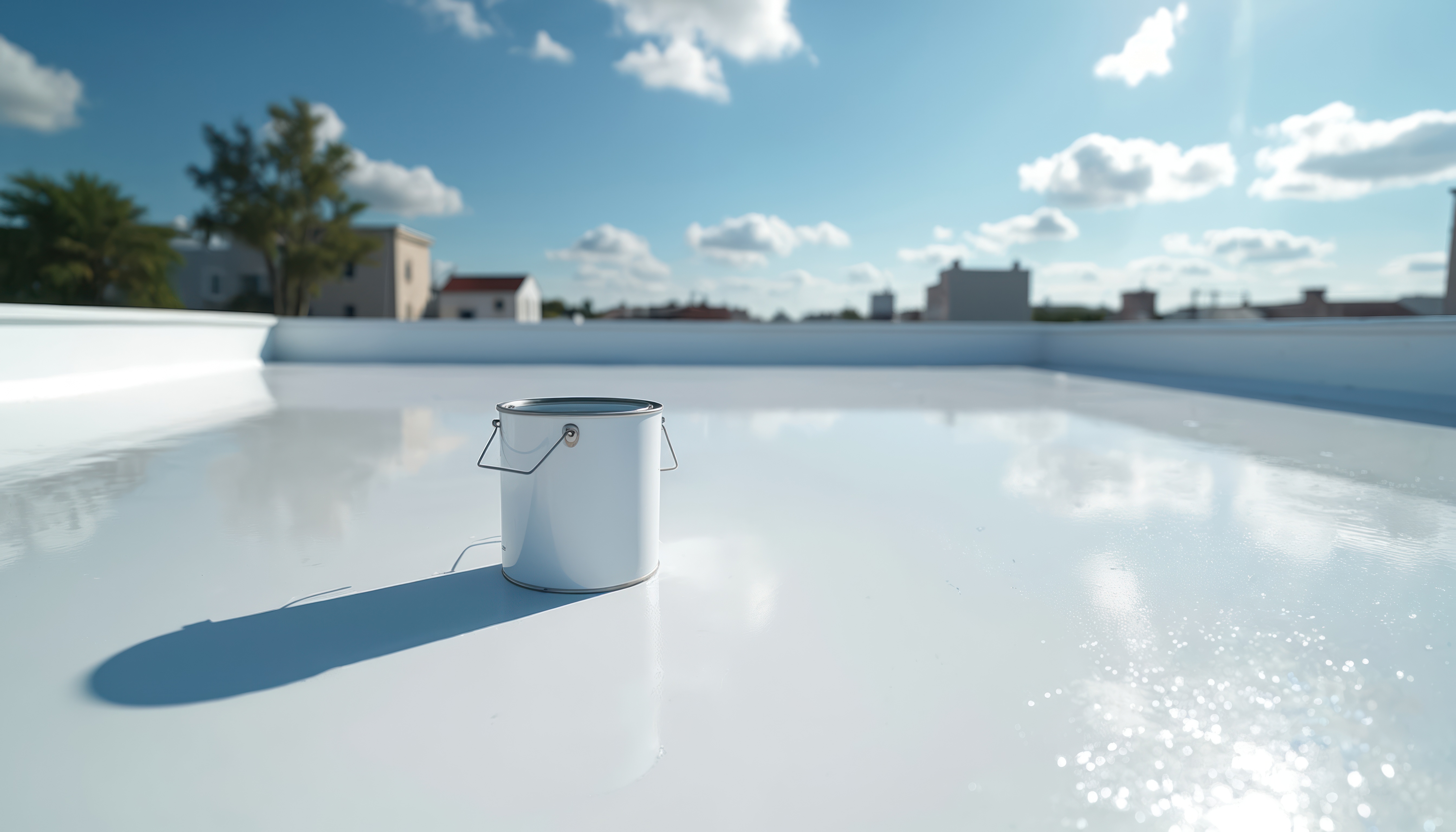
5. Apply Protective Roof Coatings
Roof coatings never replace a failing roof, but they significantly extend the life of a healthy system.
Benefits of Elastomeric Roof Coatings
- Reflect UV rays to lower energy costs
- Improve water resistance
- Seal minor cracks and imperfections
- Extend membrane longevity
- Reduce rooftop temperatures
Applying a coating is also a cost-efficient way to enhance commercial roof protection without committing to a full replacement.
Additional Measures for Superior Storm Protection
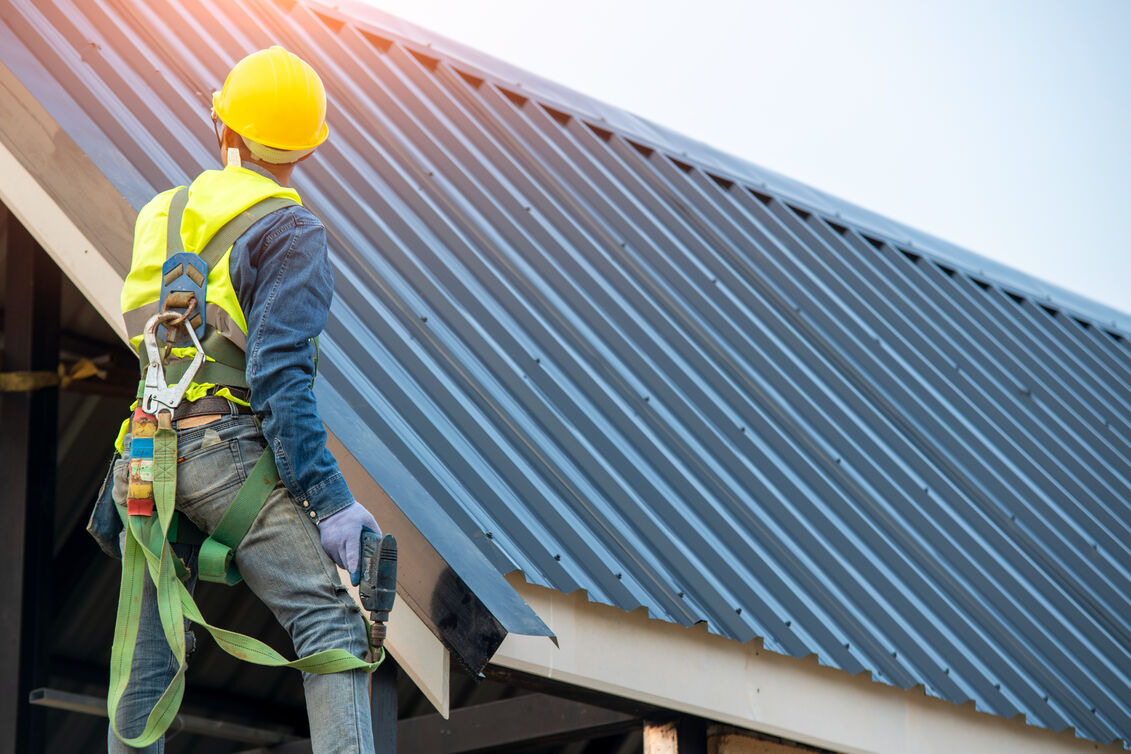
While selecting the right roofing system and maintaining proper drainage are critical steps in safeguarding your building, certain supplemental upgrades can dramatically enhance overall performance during extreme weather. These enhancements support long-term durability, reduce vulnerability to sudden storm impacts, and bolster your building’s ability to withstand Georgia’s unpredictable climate. Incorporating even one of these features can significantly improve the reliability of your commercial roofing system.
Impact-Resistant Insulation Boards
Installing impact-resistant insulation boards adds another layer of defense beneath the primary membrane. These boards absorb the force of hail, flying debris, and foot traffic, minimizing the risk of punctures that can compromise waterproofing. In storm-prone regions, this upgrade pairs especially well with hail-resistant roofing solutions, helping ensure the roof maintains structural integrity even during severe hail events.
Wind-Rated Fastener Upgrades
High winds often target roof perimeters and corners, where uplift forces are strongest. Upgrading to wind-rated fasteners reinforces these areas by increasing the system’s ability to hold firmly under pressure. Stronger fasteners and enhanced fastening patterns help prevent membrane billowing, edge separation, and flashing failures—problems commonly observed after major storms. This upgrade is a cost-effective way to strengthen your building’s overall commercial roof protection strategy.
Roof Walk Pads
Routine maintenance is essential, but foot traffic can unintentionally damage vulnerable areas of the roof. Installing walk pads creates designated, durable pathways that protect the membrane from punctures, scuffs, and wear during inspections or equipment servicing. By reducing accidental damage, walk pads help maintain the long-term performance of your storm-ready roofing solutions, especially for roofs that house HVAC units or require frequent technician access.
Lightning Protection Systems
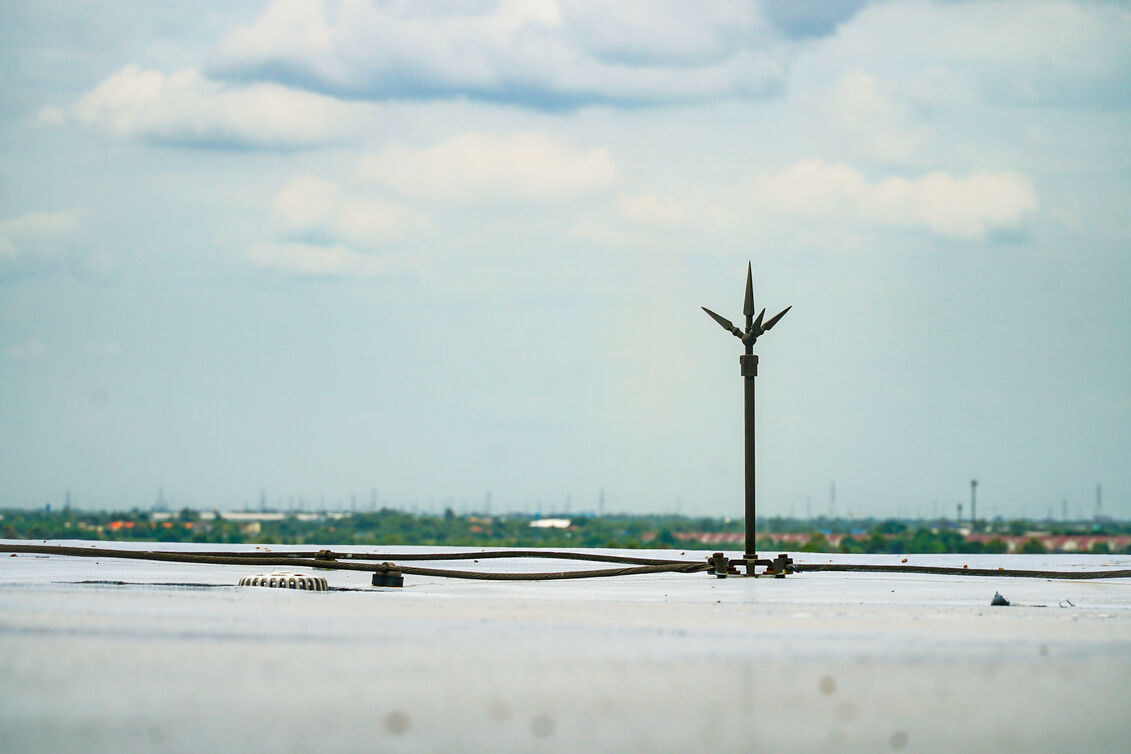
Georgia’s severe storms often bring increased lightning activity, which can pose risks not only to the roof but also to interior electrical systems and sensitive equipment. A properly installed lightning protection system channels electrical surges safely into the ground, reducing the likelihood of structural damage or fire. This upgrade enhances building safety and supports uninterrupted operations, making it a valuable addition for facilities with high electrical demands or critical equipment.
Why Partner With Solameer for Storm-Ready Roofing
Solameer specializes in storm-focused commercial roofing solutions designed specifically for Georgia’s demanding weather conditions. Our team combines technical expertise with high-quality materials to ensure your roof is prepared for heavy rain, high winds, humidity, and seasonal hail. We provide reliable support that helps businesses strengthen long-term commercial roof protection across all facility types.
Our experts provide:
- Thorough roof assessments
- Emergency storm repair services
- Long-term preventative maintenance
- High-performance roofing installations
- Guidance on insurance, warranties, and system selection
Our mission is to keep businesses protected, operational, and resilient—no matter how severe the weather becomes. With Solameer, you gain a responsive, experienced partner dedicated to maximizing your roof’s performance before, during, and after every storm.
Protect Your Business Before the Next Storm
Every storm season brings new risks, from heavy rain to sudden wind events that can strain even well-built roofs. Taking proactive steps now can prevent roof repairs later and ensure your building remains secure year-round. Solameer provides expert support for commercial roofing in Georgia, offering proven solutions tailored to the unique weather patterns and structural demands of local properties.
Ready to get storm-prepared? Contact Solameer today for a professional roofing assessment.
Frequently Asked Questions
What type of roof is best for storms?
TPO, PVC, metal roofing, and modified bitumen systems perform best during storms because they offer strong wind resistance, watertight seams, and long-lasting durability. Adding optional hail-resistant roofing features further improves impact protection.
How to claim roof damage from a storm?
Document all damage, schedule a professional inspection, and submit the report to your insurance provider along with photos and repair estimates. A commercial roofing contractor can help ensure your claim is fully supported.
What is the best roof for heavy rain?
TPO, PVC, and modified bitumen roofs are ideal for heavy rain because they maintain watertight seals and resist moisture intrusion. Proper drainage design is equally important for preventing water-related damage.
What type of roof is best for high winds?
Mechanically fastened TPO and PVC systems, as well as standing seam metal roofs, provide excellent wind resistance due to their secure fastening patterns and reinforced perimeter details. These systems help reduce uplift during severe storms.
What is the best roof for humid climate?
TPO, PVC, and metal roofing systems perform best in humid climates because they resist mold, algae, and moisture absorption. Their durability helps extend the lifespan of commercial roofing in Georgia exposed to year-round humidity.
What type of roof is least likely to leak?
TPO, PVC, and metal roofing systems are among the least likely to leak because of their watertight seams and durable construction. Routine inspections further ensure long-term commercial roof protection against potential vulnerabilities.


.jpeg)