
Your roof is one of the most critical components of your commercial building, yet it’s often overlooked until a serious problem arises. Recognizing the signs your commercial roof needs repair early can help prevent expensive damage, operational disruptions, and even structural issues that impact the safety of occupants.
Many problems develop gradually, making it essential to understand the most common commercial roof damage signs before they escalate into emergencies. This guide highlights five key warning signals that indicate it may be time for emergency commercial roof repair or a professional inspection, along with additional insight into what causes these issues.
Why Commercial Roof Issues Escalate Quickly
Commercial roofing systems are designed to be durable, but their flat or low-slope structure makes them more vulnerable to water intrusion and material wear over time. Small issues like minor punctures or drainage problems can quickly expand into larger failures if not addressed promptly. Because of this, early detection is critical, and routine commercial roofing maintenance plays a major role in preventing unexpected failures. Understanding how problems develop helps property owners take faster, more effective action.
1. Persistent Leaks or Water Intrusion
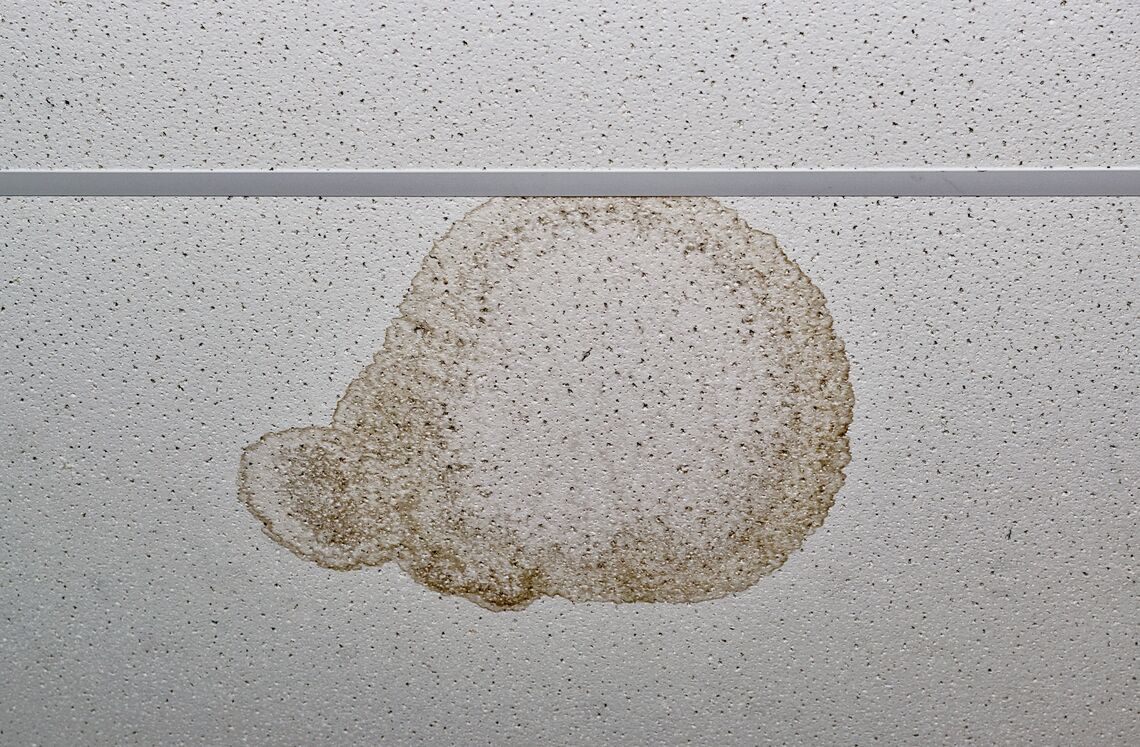
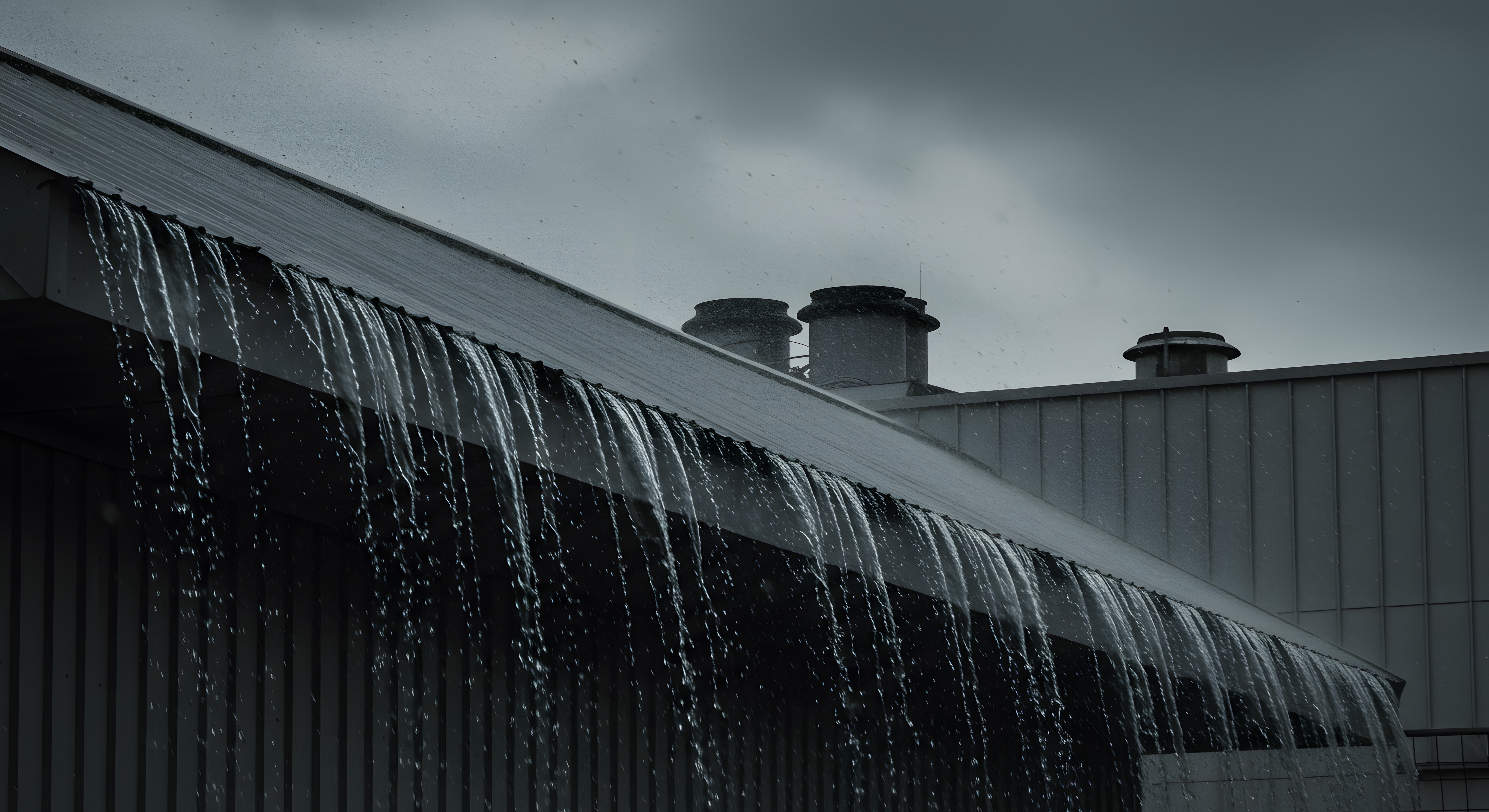
Water intrusion is one of the most obvious and urgent commercial roof leak warning signs, and it should never be ignored. Even small leaks can lead to significant interior damage, mold growth, and compromised structural integrity if left unaddressed. Leaks often begin in vulnerable areas such as seams, flashing, or roof penetrations where materials have weakened over time. Once water enters the system, it can spread beyond the initial point of entry, making the problem more difficult to locate and repair.
Signs of roof leaks often include:
- Water stains on ceilings or walls
- Dripping water during or after storms
- Musty odors indicating hidden moisture
- Visible mold or mildew growth
If you notice ongoing water issues, it’s a strong indicator that you need emergency commercial roof repair to prevent further damage.
2. Ponding Water on the Roof
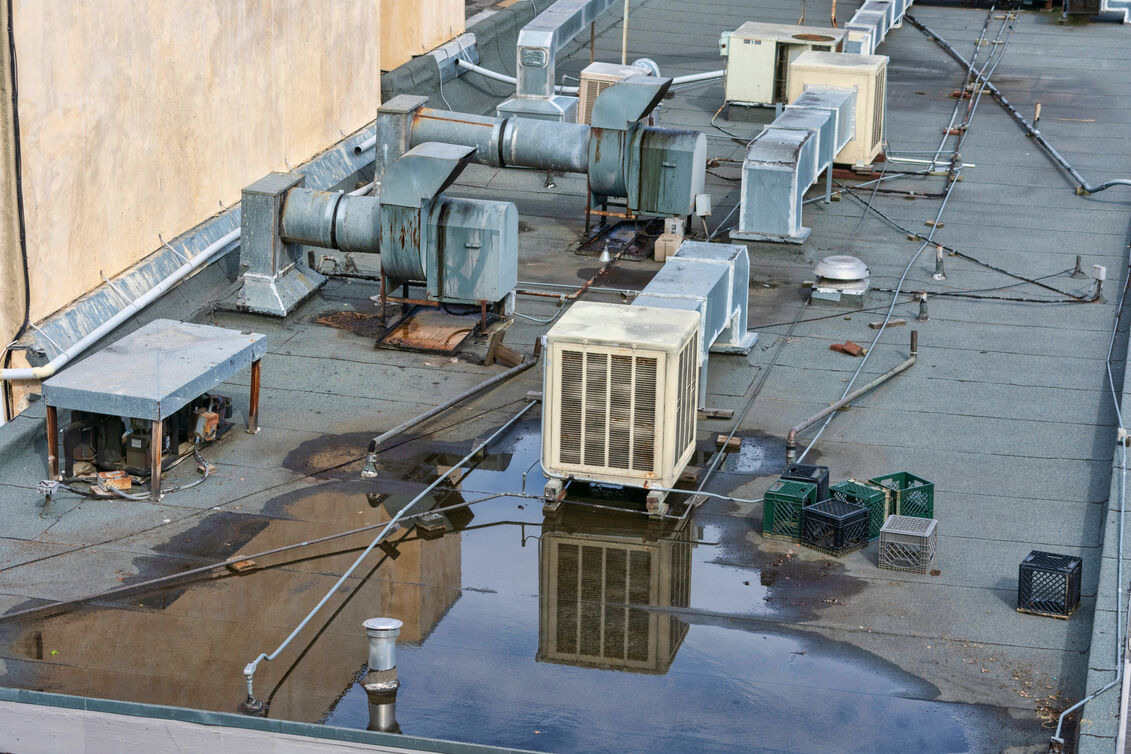
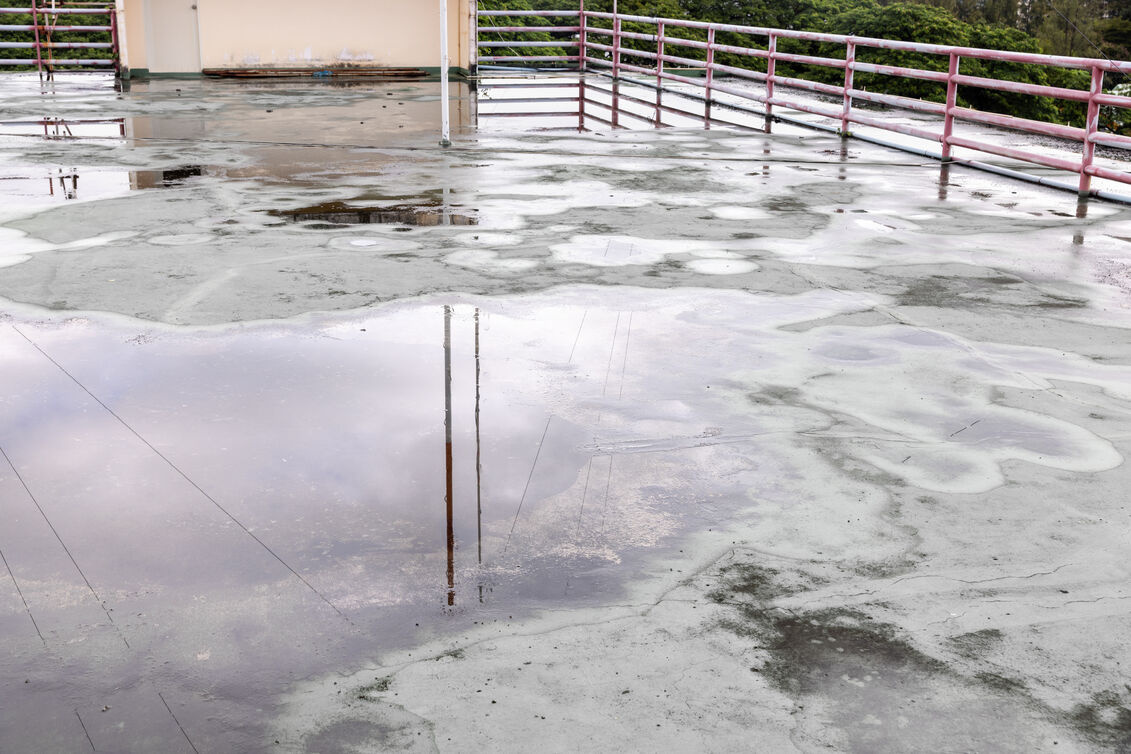
Flat and low-slope roofs are especially vulnerable to water pooling, making ponding one of the most common flat roof damage signs. When water remains on the roof for more than 48 hours after rainfall, it can weaken materials and accelerate deterioration. Over time, standing water increases the likelihood of leaks and can place additional stress on the building’s structure. It can also lead to algae growth and surface degradation, further reducing the roof’s lifespan.
Ponding water can lead to:
- Membrane breakdown
- Increased risk of leaks
- Structural stress from added weight
- Premature aging of roofing materials
Poor drainage, clogged systems, or structural sagging are often the root causes of ponding, making regular inspections essential.
3. Visible Damage to Roofing Materials
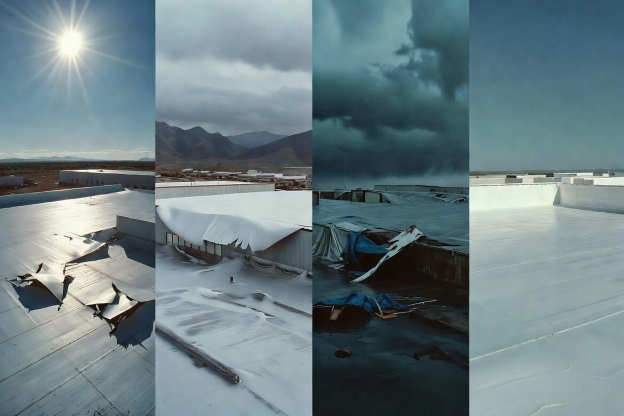
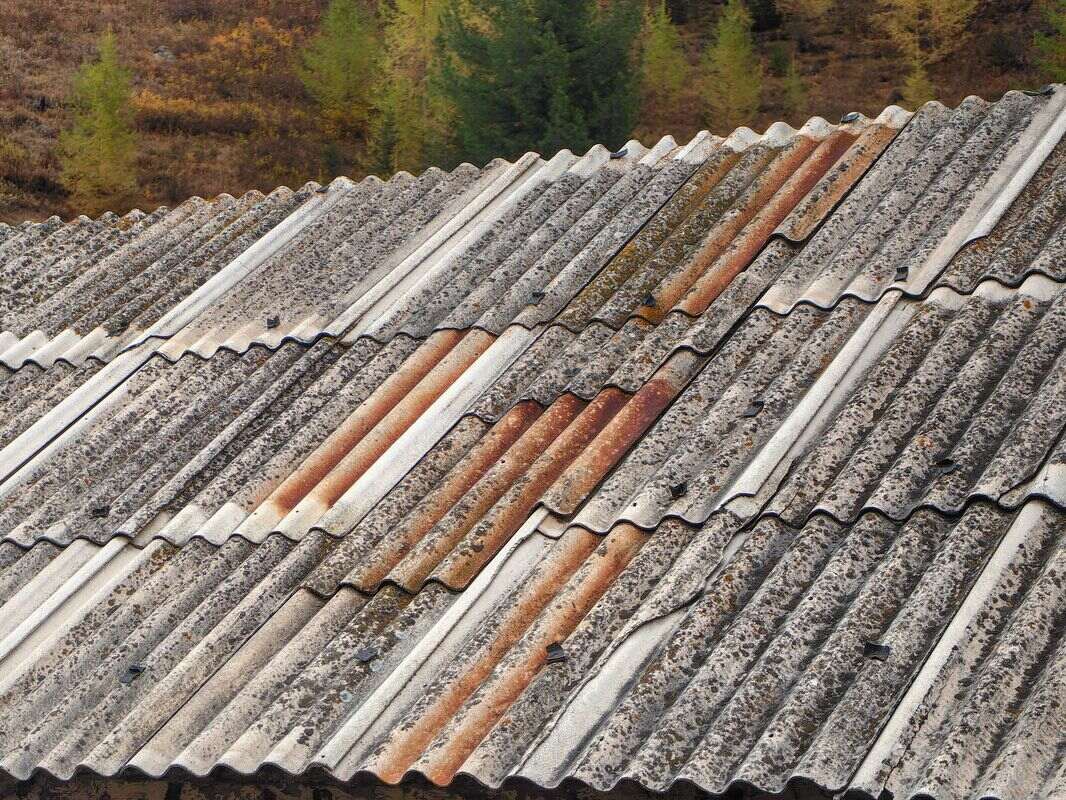
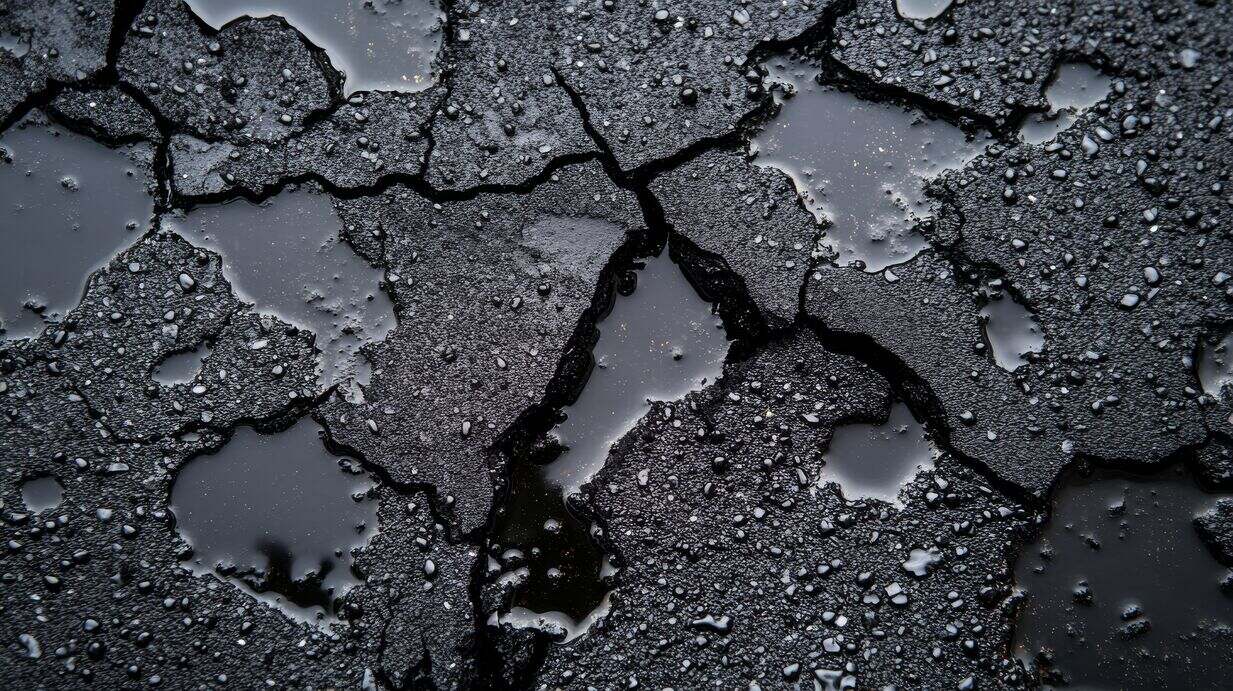
Visible wear and tear is one of the clearest commercial roof damage signs that your system needs attention. Damage can occur from weather exposure, foot traffic, or aging materials, and it often worsens over time if not addressed. Even small imperfections, such as minor cracks or punctures, can allow moisture to enter the roofing system and compromise its performance. Addressing visible damage early helps prevent more extensive repairs later.
Common types of visible damage include:
- Cracks, splits, or punctures in the membrane
- Blistering or bubbling on the surface
- Loose or missing materials
- Damaged flashing around penetrations
These issues are often identified during a routine commercial roof inspection checklist and should be repaired as soon as possible.
4. Rising Energy Bills
An unexpected increase in energy costs can sometimes be traced back to roofing issues, especially when insulation or reflective surfaces are compromised. Poor roof performance allows heat to enter or escape the building, forcing HVAC systems to work harder and increasing operational costs. Over time, even small inefficiencies can add up to significant expenses, particularly in larger commercial buildings. Addressing these issues early can restore efficiency and improve indoor comfort.
Signs your roof may be affecting energy efficiency include:
- Increased cooling or heating costs
- Uneven indoor temperatures
- Reduced insulation performance
- Aging or damaged reflective coatings
Regular commercial roofing maintenance helps ensure your roof continues to perform efficiently.
5. Aging Roof Near the End of Its Lifespan
Every roofing system has a limited lifespan, and aging is one of the most important factors in determining when to replace a commercial roof. Even if there are no obvious issues, older roofs are more prone to failure and require closer monitoring. As materials age, they lose flexibility, resistance to weather, and overall performance, making them more susceptible to damage. This increases the likelihood of leaks and structural issues over time.
Typical lifespan indicators include:
- Frequent repairs becoming more common
- Widespread wear across the surface
- Declining performance despite maintenance
- Manufacturer warranty nearing expiration
Planning ahead for replacement can help avoid unexpected failures and reduce long-term costs.
Additional Warning Signs to Watch For
Beyond the primary five signs, there are other indicators that your roof may need attention. These warning signs often develop alongside larger issues and should not be ignored.
Additional commercial roof damage signs include:
- Sagging areas on the roof surface
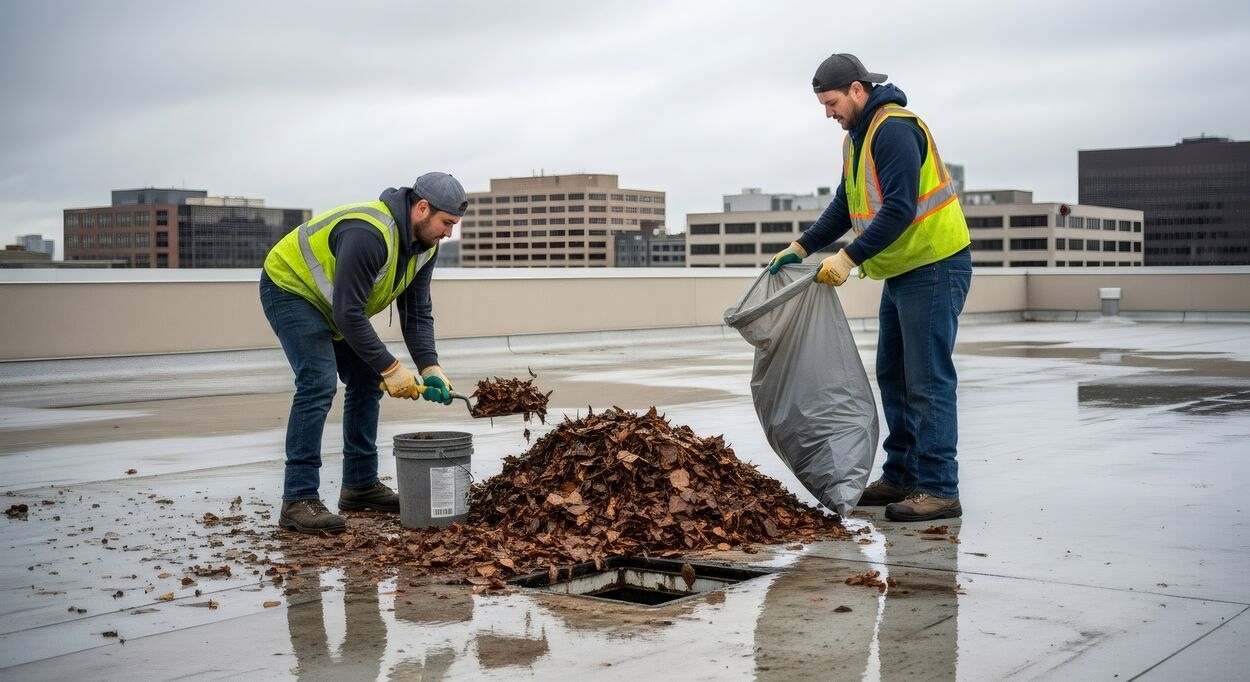
- Clogged or damaged drainage systems
- Loose rooftop equipment or flashing
- Debris buildup that traps moisture
Recognizing these issues early can help prevent more serious problems and extend the life of your roof.
The Importance of Preventative Maintenance
Preventative maintenance is one of the most effective ways to avoid costly repairs and extend the lifespan of your roofing system. A consistent maintenance plan ensures that small issues are identified and addressed before they become major concerns. Routine maintenance typically includes inspections, cleaning, minor repairs, and coating applications to protect the roof from environmental damage. Investing in regular commercial roofing maintenance helps reduce the need for emergency commercial roof repair.
When to Schedule a Professional Roof Inspection
A professional inspection is the best way to identify hidden issues and confirm whether your roof requires repairs or replacement. Following a structured commercial roof inspection checklist ensures that all critical areas are thoroughly evaluated.
You should schedule an inspection if you notice:
- Any visible damage or leaks
- Signs of ponding water
- Sudden increases in energy costs
- Aging materials or frequent repairs
Professional evaluations provide clarity and help you make informed decisions about your roofing system.
Protect Your Building Before Problems Escalate
Ignoring commercial roof damage signs can lead to costly repairs, operational downtime, and long-term structural issues. Taking proactive steps ensures your building remains protected and your roofing system performs reliably over time. If you’ve noticed any of these warning signs, acting quickly can prevent more extensive damage and reduce overall costs. Solameer provides expert commercial roofing maintenance and repair services to address issues early and protect your investment.
Frequently Asked Questions
How do I know if my commercial roof needs repair?
Common warning signs include leaks, visible damage, ponding water, and rising energy costs. A professional inspection can confirm the extent of the issue and recommend the appropriate solution.
What is considered an emergency roof repair?
Emergency repairs are needed when there is active leaking, structural risk, or severe damage that threatens the building. Immediate action helps prevent further damage and protects the interior of the property.
How often should I inspect my commercial roof?
Commercial roofs should be inspected at least twice a year, typically in the spring and fall. Additional inspections are recommended after severe weather events to catch potential damage early.
Can small roof issues turn into major problems?
Yes, minor damage can quickly worsen if left unaddressed, especially on flat roofing systems. Early repairs are almost always more cost-effective than waiting for larger issues to develop.
Should I repair or replace my commercial roof?
This depends on the age of the roof and the extent of the damage present. Frequent repairs or widespread deterioration may indicate that replacement is the better long-term solution.
What causes most commercial roof failures?
Most failures are caused by poor maintenance, drainage issues, and prolonged exposure to weather conditions. Improper installation or aging materials can also contribute to premature failure.
How long can I wait to fix a roof issue?
Delaying repairs can lead to more extensive damage and higher costs over time. It is best to address any issues as soon as they are identified to prevent escalation.


.jpeg)