
Florida’s coastline and inland communities face some of the most extreme weather conditions in the United States. From Miami to Orlando to Tampa, businesses are exposed to powerful hurricanes, tornado-spawning storm bands, flying debris, storm surge, and sustained winds that can exceed 100 mph. These conditions place extraordinary stress on commercial roofs—making durability, uplift resistance, and proper installation critical for long-term performance.
Facility managers and business owners must take a proactive approach to protecting their buildings. Selecting the right materials, upgrades, and structural reinforcements can dramatically reduce the likelihood of catastrophic failure. This guide explores what truly works for hurricane-resistant commercial roofing in Florida, the materials that outperform the rest, and the upgrades that help ensure your building can withstand even the strongest storms.
Learn About Our Roofing Services in Florida
Understanding the Forces Hurricanes Place on Commercial Roofs
Before choosing the best roofing for hurricanes, it’s important to understand the physical forces at play during a storm.
1. Extreme Wind Uplift
Hurricane winds create suction that can pull up roofing membranes, lift flashing, or detach edge metal. Corners and perimeters are especially vulnerable and are often the first points of failure.
2. Wind-Driven Rain
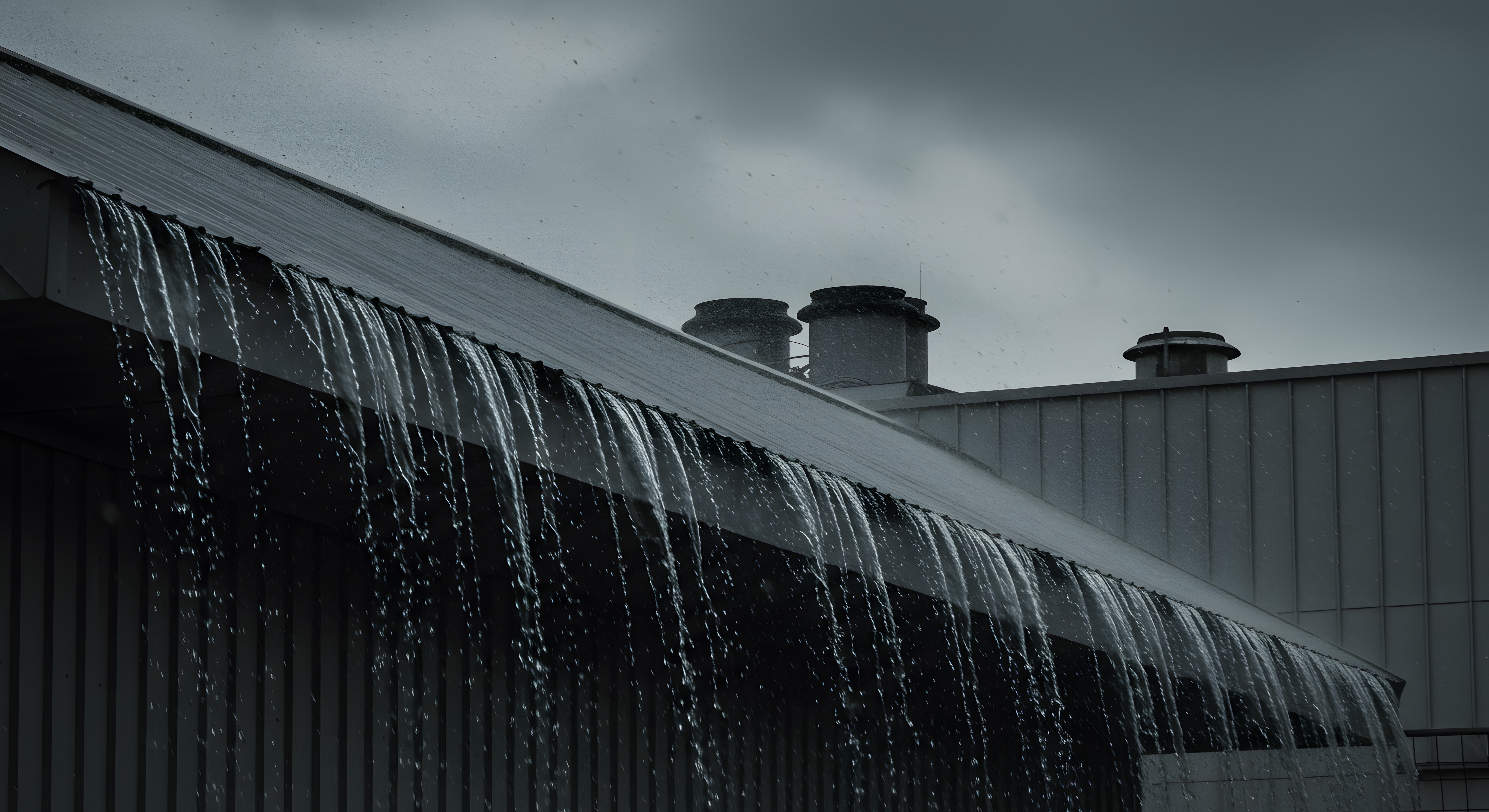
Water is forced horizontally—sometimes even upward—into seams, fastener penetrations, HVAC curbs, and other vulnerable areas. Roofs with poor sealing or aging materials are highly susceptible to interior leaks.
3. Flying Debris
Storms can send tree limbs, metal panels, gravel, and construction materials airborne. These impact forces can puncture membranes or dent metal roofing.
4. Sudden Pressure Changes
During intense storms, rapid shifts in internal and external air pressure can stress roof attachments, particularly on large commercial facilities.
Understanding these forces is essential in selecting hurricane-resistant systems and planning upgrades designed specifically for Florida commercial roofing environments.
Best Hurricane-Resistant Commercial Roofing Systems in Florida
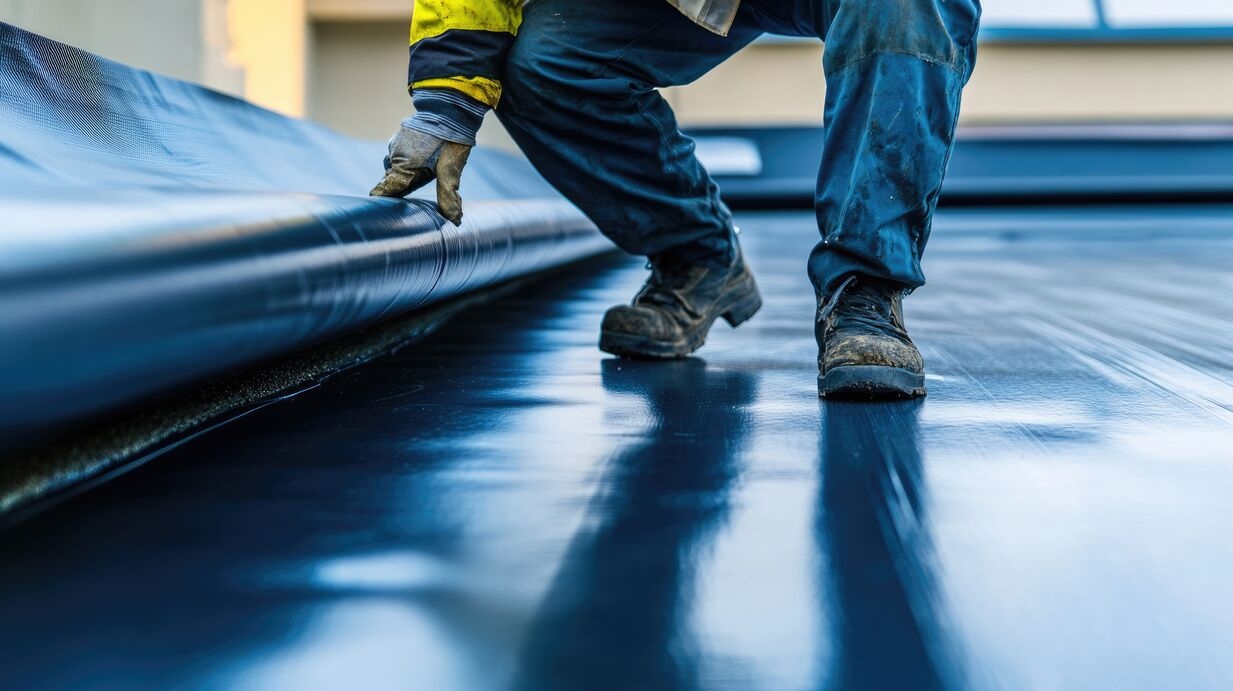
Florida’s climate, building codes, and storm frequency make material selection extremely important. Below are the top-performing systems proven to withstand hurricane-force winds, heavy rain, and flying debris.
1. PVC Roofing: High Wind Resistance & Welded Seam Strength
PVC is one of the most reliable roofing membranes for high-wind regions. Its heat-welded seams form a monolithic surface that resists both wind uplift and water intrusion.
Why PVC Works Well in Florida:
- Welded seams prevent blow-offs and water penetration
- Superior resistance to chemical exposure (ideal for coastal areas)
- High wind ratings when properly fastened
- Flexible membrane performs well during pressure shifts
PVC systems are often used in areas with strict hurricane building codes and perform exceptionally well on retail centers, warehouses, and industrial buildings.
2. TPO Roofing: Affordable, Durable, and Code-Compliant
TPO is widely used in commercial roofing in Florida due to its cost-effectiveness and strong uplift resistance when installed with reinforced fastening systems.
TPO Advantages in Hurricane Zones:
- Heat-welded seams provide durability during storms
- Highly reflective surface reduces heat gain
- Compatible with enhanced fastening patterns required for hurricane-prone regions
- Lightweight and flexible, reducing strain on building structures
With proper edge metal reinforcement and high-density cover boards, TPO becomes one of the best roofing for hurricanes in terms of value and long-term performance.
3. Standing Seam Metal Roofing: Exceptional Wind Resistance
Metal roofing—particularly standing seam—offers outstanding performance in hurricane conditions when engineered for Florida’s building codes.
Why Metal Roofing Performs Well in Hurricanes:
- Interlocking panels resist wind uplift
- High wind ratings, often exceeding local code requirements
- Long lifespan (40–50+ years)
- Minimal maintenance compared to membrane systems
Thicker gauges (e.g., 24-gauge) and concealed fasteners provide better resistance against both uplift and impact damage from debris.
4. Modified Bitumen Roofing with Reinforced Systems
Modern modified bitumen roofs, especially those installed with multiple plies and reinforced mats, perform well against tearing and puncturing.
Benefits for Florida Commercial Buildings:
- Multi-layer design adds strength and puncture resistance
- Excellent waterproofing—critical against wind-driven rain
- Option for cap sheets rated for high winds
- Works well on both flat and low-slope roofs
When combined with proper flashing and perimeter securement, modified bitumen becomes a resilient hurricane-ready system.
5. Spray Polyurethane Foam (SPF) with Protective Coatings
SPF roofing is unique because it adheres directly to the substrate, creating a continuous surface free of seams—one of the biggest leak points during hurricanes.
Advantages of SPF in Storm Zones:
- Seamless application resists wind-driven water
- Strong adhesion reduces risk of blow-off
- High insulation value improves energy efficiency
- Coatings protect against UV and assist with waterproofing
SPF is ideal for complex roof layouts or facilities that require customized storm protection.
Critical Upgrades That Improve Hurricane Resistance
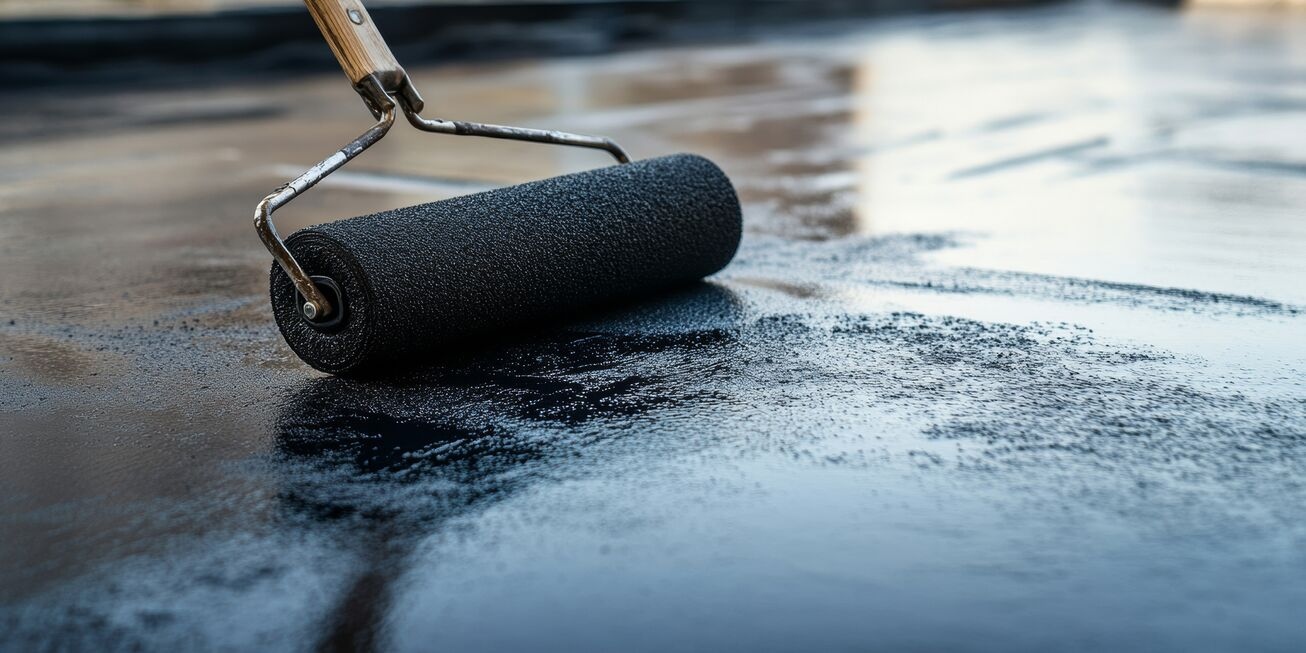
Even the strongest materials need additional reinforcements to perform reliably during severe weather.
1. High-Performance Edge Metal Systems
A roof’s perimeter is its greatest vulnerability. Upgraded edge metal significantly increases wind-uplift resistance.
Enhancements include:
- ANSI/SPRI ES-1–rated edge metal
- Reinforced fastener spacing
- Stronger cleat attachment
- Thick-gauge metal for durability
This upgrade alone can prevent catastrophic membrane blow-offs.
2. High-Density Cover Boards
Installing gypsum or polyiso cover boards underneath membranes strengthens the roof against uplift and punctures.
Cover boards help:
- Distribute wind pressure
- Reduce membrane tearing
- Improve impact resistance
- Extend system lifespan
They are considered a best practice for Florida commercial roofing systems.
3. Enhanced Fastening Patterns and Attachment Methods
Stronger fastening keeps the roof anchored during hurricane-force winds.
Options include:
- Increased fastener density
- Mechanically attached systems with reinforced patterns
- Adhesive-applied systems rated for high winds
A roofing expert can evaluate which pattern is best based on building design.
4. Waterproofing and Sealing Upgrades
Since hurricanes deliver wind-driven rain, waterproofing is essential.
Key upgrades:
- Reinforced flashing
- High-grade sealants
- Waterproofing around penetrations
- Drainage optimization to prevent ponding
Proper waterproofing reduces the risk of leaks even during severe weather.
Florida Commercial Roofing: Maintenance Required for Storm Readiness
Proactive maintenance is crucial in hurricane-prone regions. Even the strongest roofing system can fail prematurely if issues are left unaddressed.
A comprehensive maintenance plan should include:
- Pre-storm commercial roof inspections
- Tightening loose fasteners
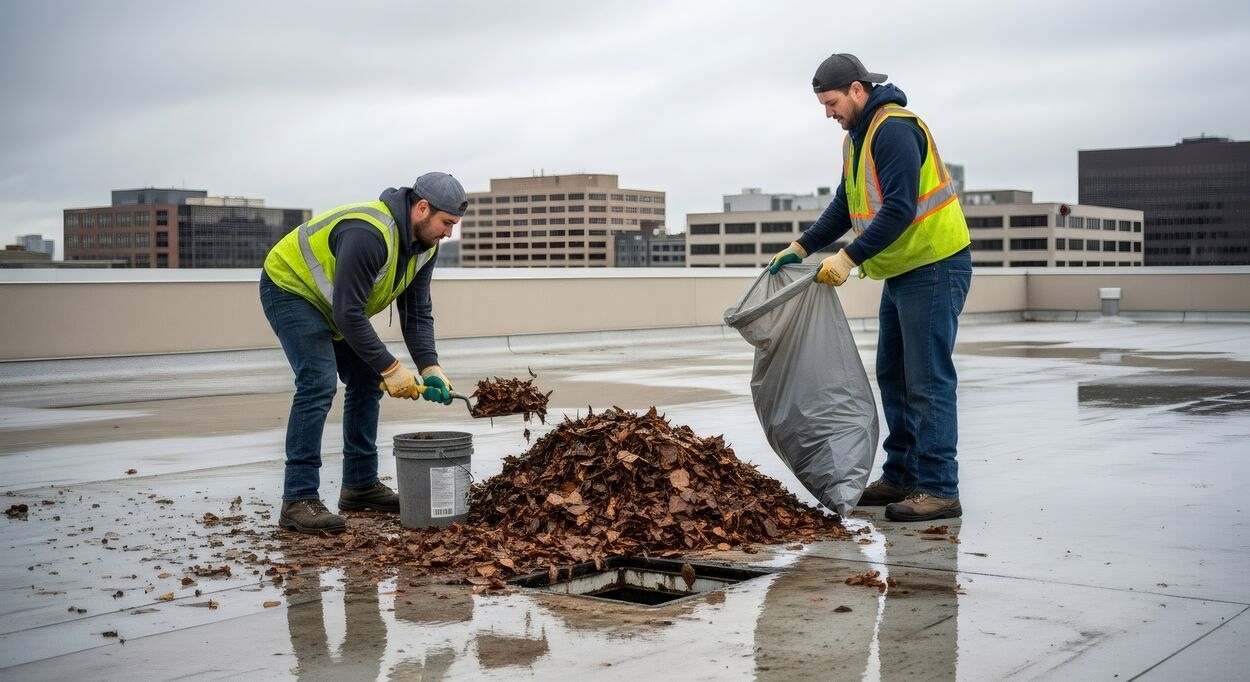
- Clearing drains and scuppers
- Checking flashing integrity
- Inspecting rooftop equipment securement
- Identifying membrane tears or weakened seams
Routine maintenance helps ensure your roof is hurricane-ready before each season begins.
How to Know If You Need a Hurricane-Ready Roof Upgrade
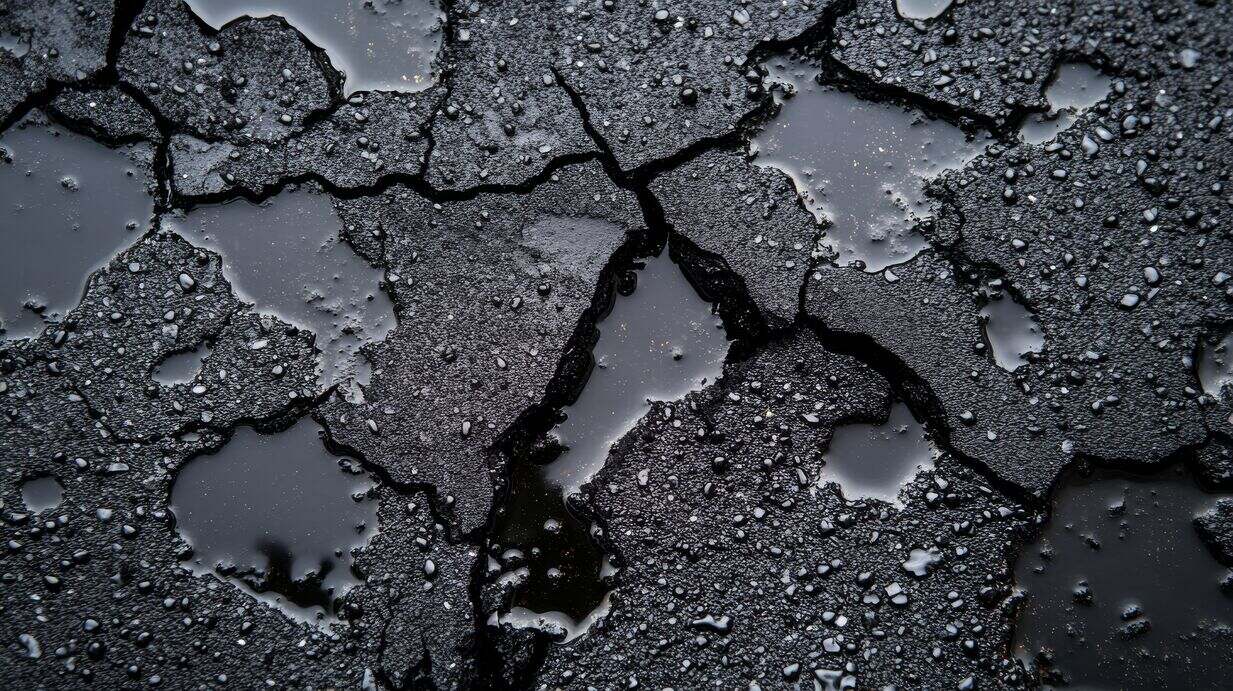
You may need a system upgrade if your commercial roof has:
- Frequent membrane repairs
- Loose or corroded edge metal
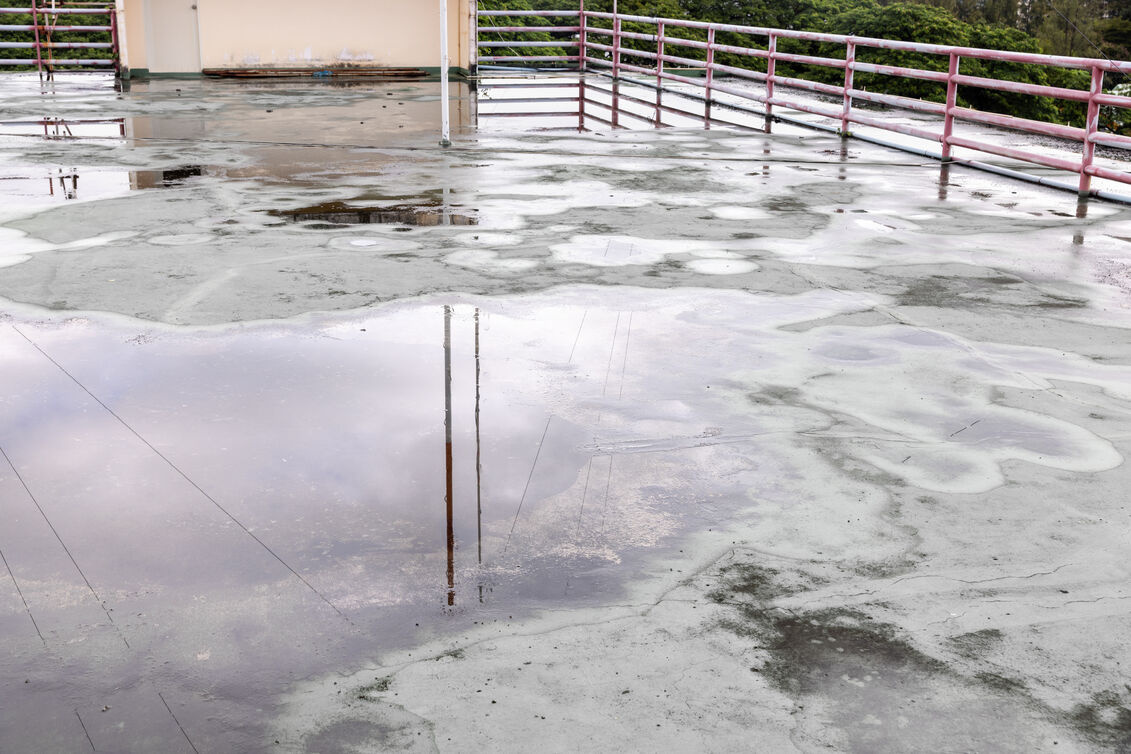
- Ponding water after storms
- Visible punctures or seam failures
- A history of blow-offs or interior leaks
- Roofing materials older than 15–20 years
If your building lacks modern hurricane reinforcement—especially in South Florida’s High Velocity Hurricane Zone (HVHZ)—an upgrade may be required under current building codes.
Why Partner With Solameer for Hurricane-Resistant Roofing?
Solameer specializes in commercial roofing in Florida designed for severe weather resilience. Our team understands Florida’s demanding building codes, coastal climate variables, and the storm threats businesses face each year.
We provide:
- Installation of the best roofing for hurricanes
- Pre- and post-storm roof inspections
- Edge metal reinforcement
- Waterproofing and flashing upgrades
- Emergency roof repair services
- Long-term maintenance programs
- Storm-readiness assessments and documentation
Our mission is to help Florida businesses stay protected, code-compliant, and operational—no matter what hurricane season brings.
Protect Your Roof Before Hurricane Season Arrives
Hurricane preparation is not optional in Florida—it’s essential. Investing in a resilient roofing system today helps prevent costly storm damage, business interruptions, and insurance disputes tomorrow. Solameer offers expert guidance and tailored solutions for Florida commercial roofing systems that must withstand the state’s most extreme weather events.
Ready to strengthen your commercial roof for hurricane season? Contact Solameer today for a professional assessment.
Frequently Asked Questions
What is the new law in Florida about roofs?
Florida recently updated its roofing regulations to limit full-roof replacement requirements and allow insurers to cover repairs instead of complete replacements when damage falls below specific thresholds. These changes aim to stabilize insurance costs while still protecting property owners.
What is the common roof type in Florida?
TPO and PVC membranes are widely used for commercial roofing in Florida because of their strong wind resistance, welded seams, and ability to withstand high UV exposure. Standing seam metal is also popular in coastal regions.
What is the best roofing material to withstand a hurricane?
PVC, reinforced TPO, and standing seam metal are considered the best roofing for hurricanes thanks to their high uplift ratings, strong seam integrity, and overall durability during extreme wind and impact events.
What type of roof do commercial insurance carriers prefer?
Insurance carriers often favor impact-rated and wind-rated roofing systems—such as reinforced single-ply membranes, Class 4 roofing materials, and engineered metal roofs—because they lower the risk of storm-related claims.
What type of roofing is extremely weather resistant?
PVC, metal, and SPF systems are known for exceptional weather resistance. These materials perform well in high winds, intense UV exposure, and heavy rain, making them ideal for Florida commercial roofing applications.


.jpeg)