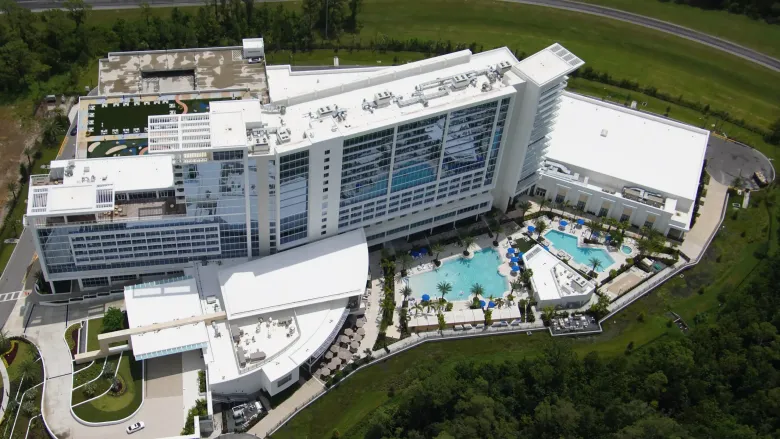
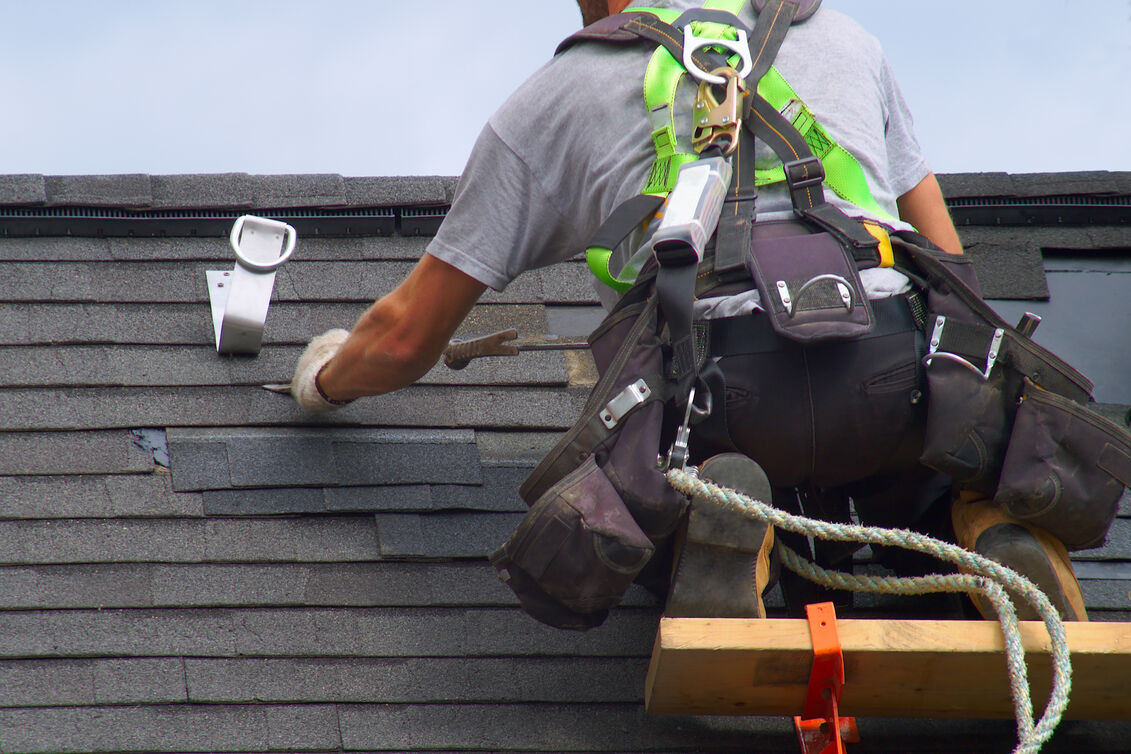

Roofing systems are not one-size-fits-all, and understanding commercial vs residential roofing is essential when evaluating your building’s needs. While both systems serve the same fundamental purpose—protecting a structure from weather and environmental damage—their design, materials, and performance requirements differ significantly.
For property owners, facility managers, and homeowners, knowing the difference between commercial and residential roofing can help avoid costly mistakes and improve long-term value. This guide breaks down commercial roofing vs residential roofing systems, providing a clear comparison of how each works and what to expect.
Structural Design Differences
One of the most important distinctions in commercial vs residential roofing is structural design, which directly affects drainage, durability, and material compatibility. These design differences also influence how roofs are installed and maintained over time.
1. Flat Roof vs Pitched Roof Differences
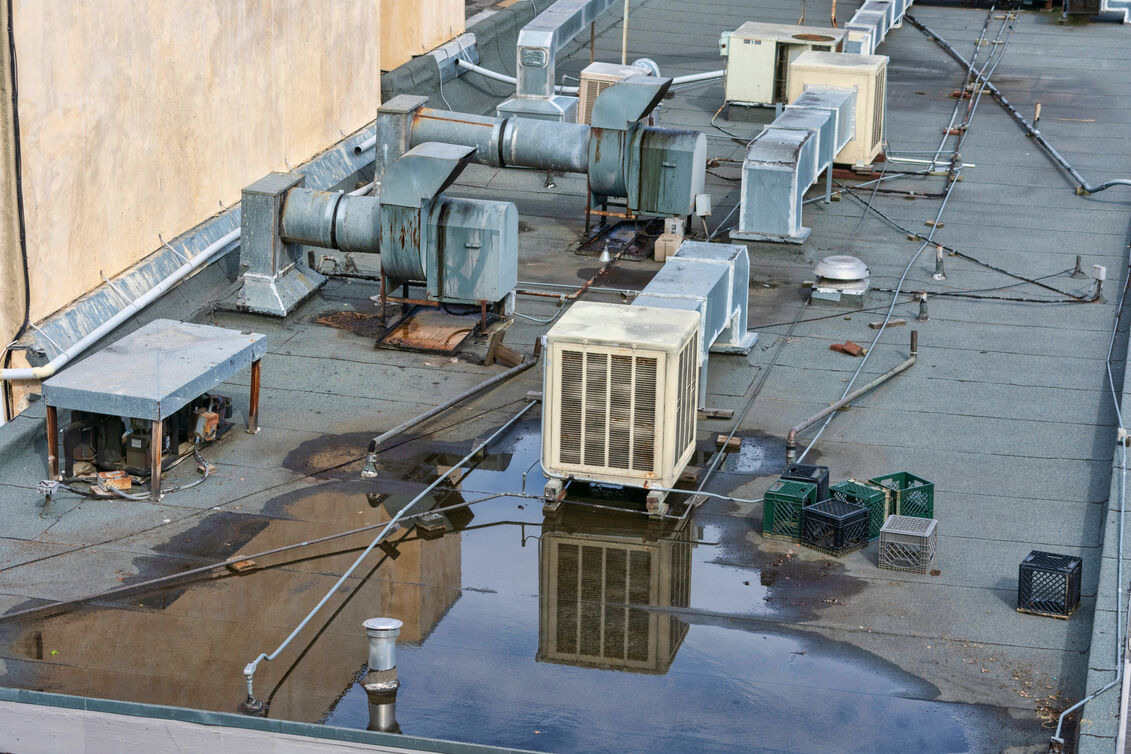
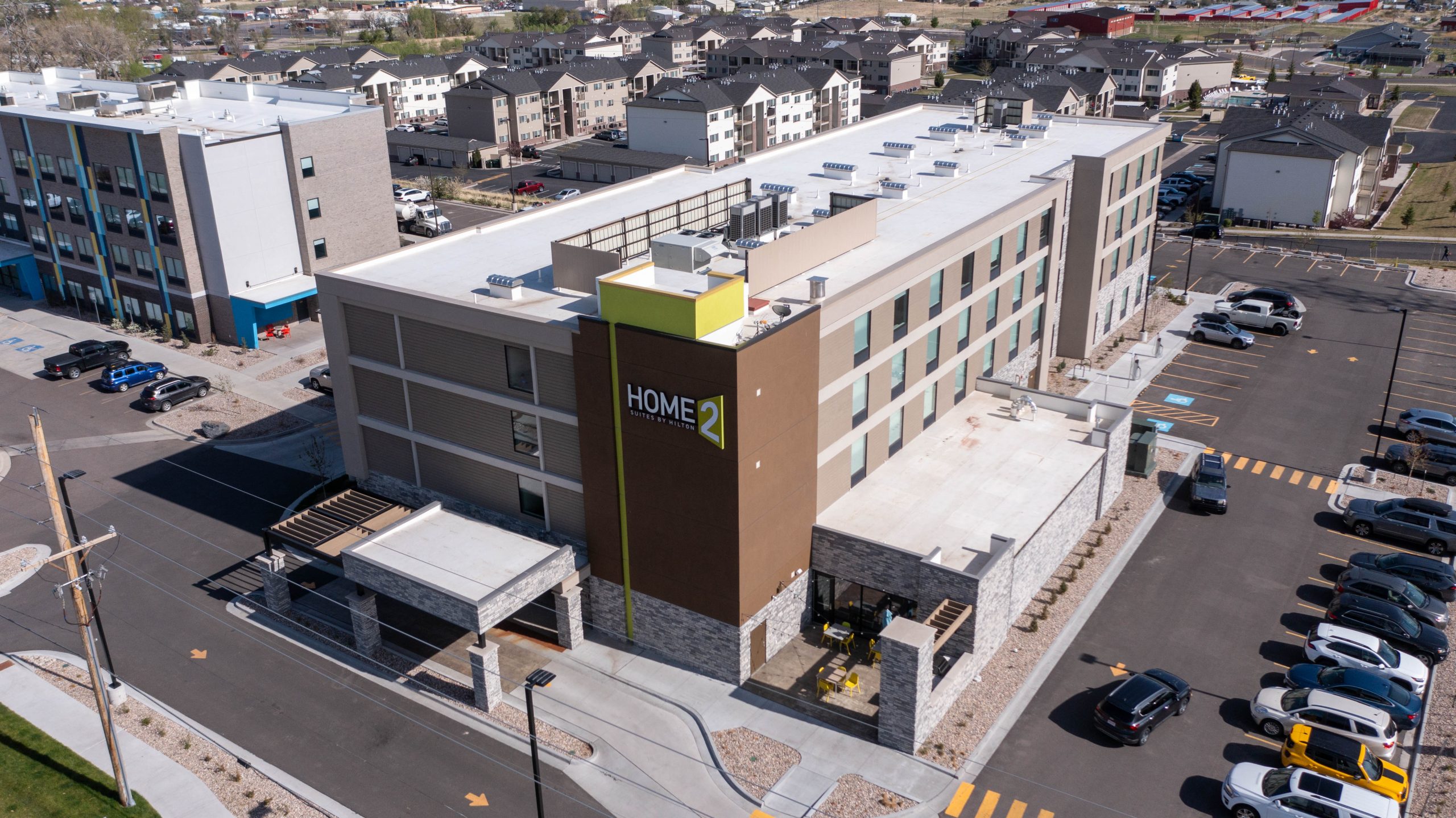
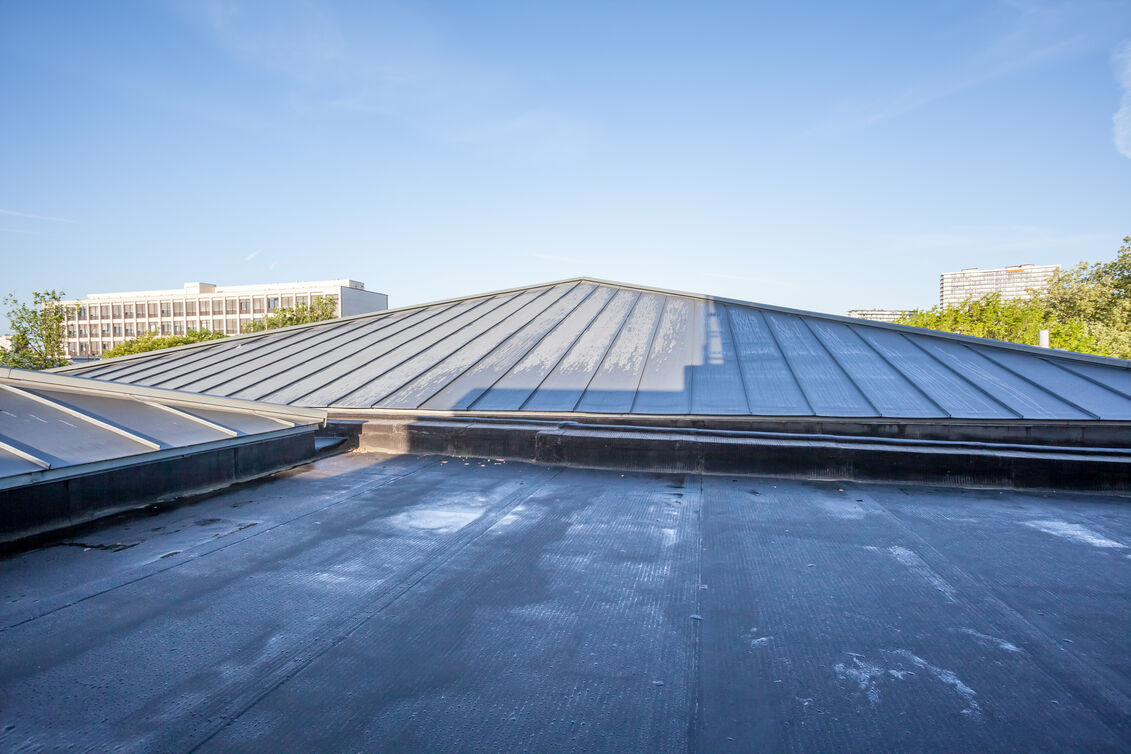
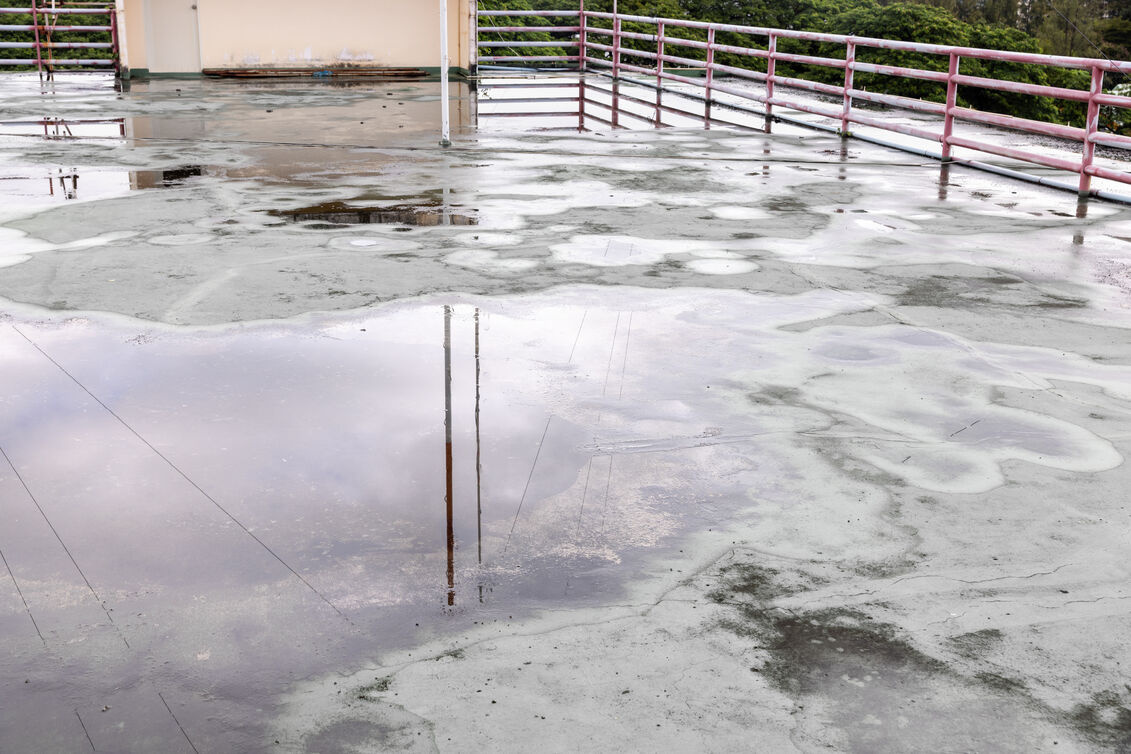
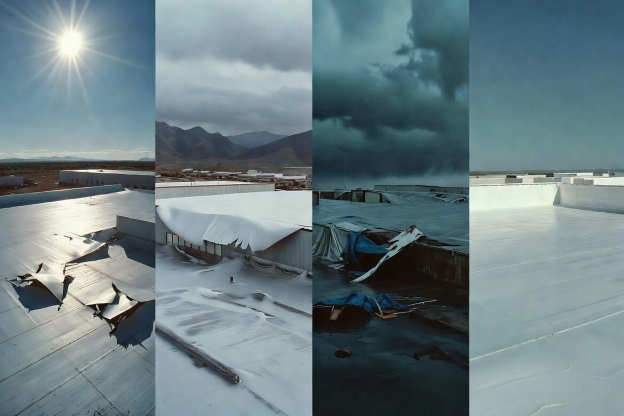
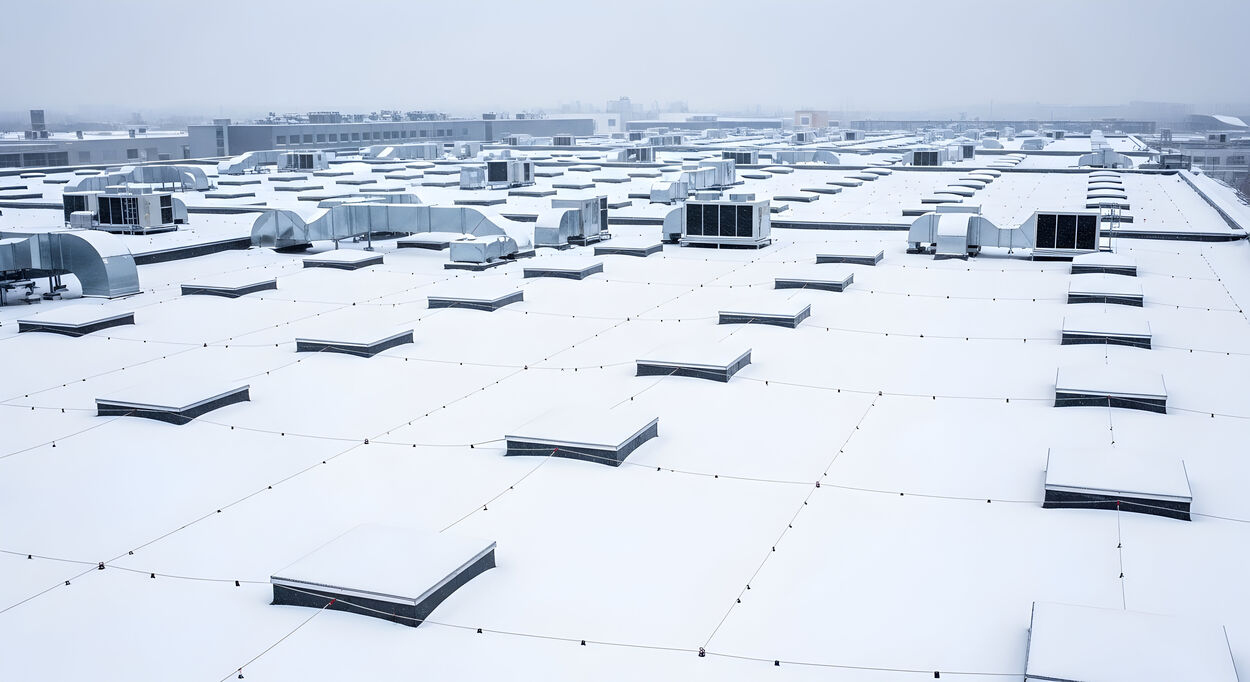
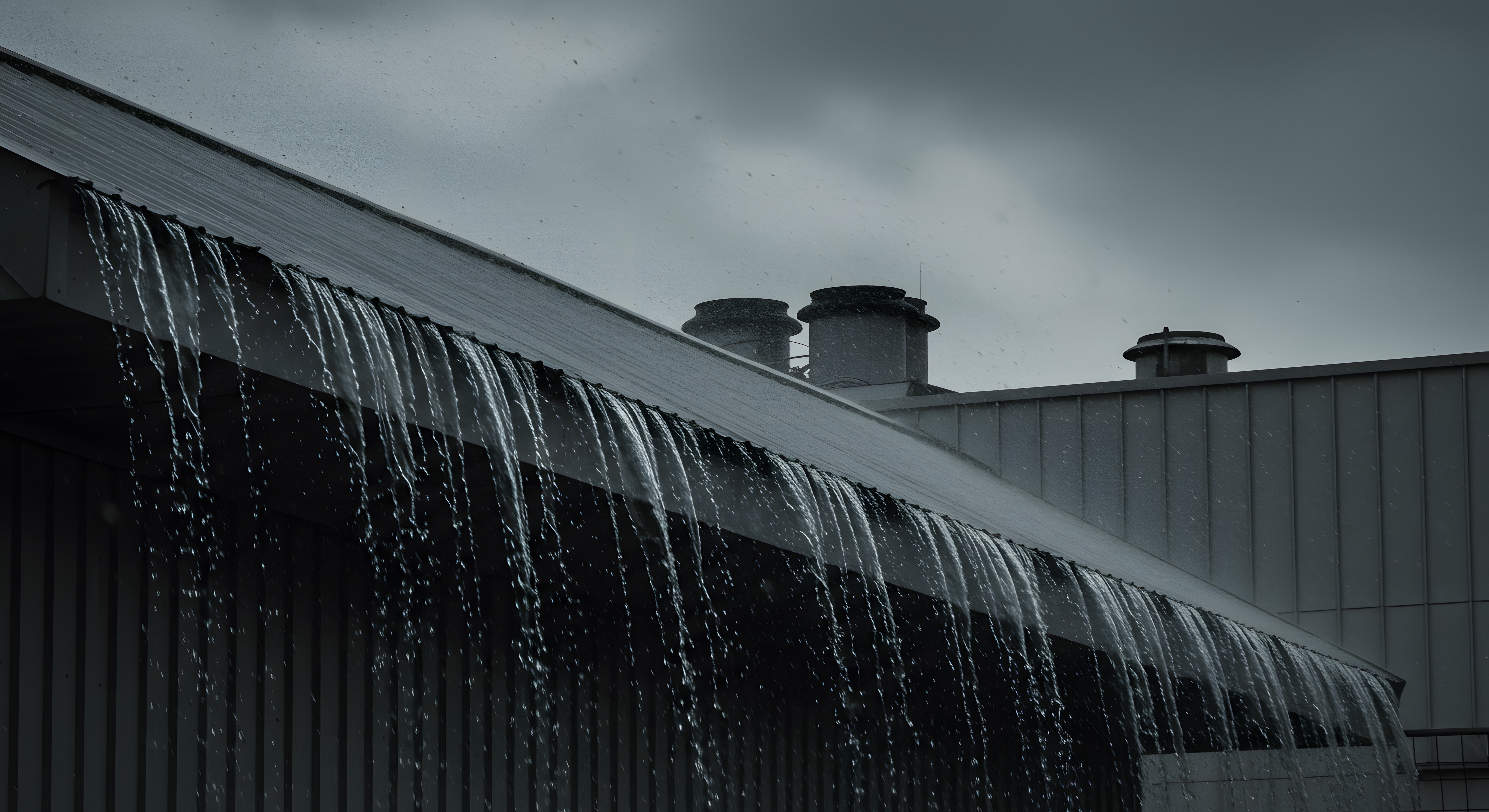
Commercial buildings typically feature flat or low-slope roofs designed to maximize usable space and support rooftop equipment. Because water does not naturally shed as easily, these systems rely heavily on engineered drainage solutions to prevent pooling and long-term damage.
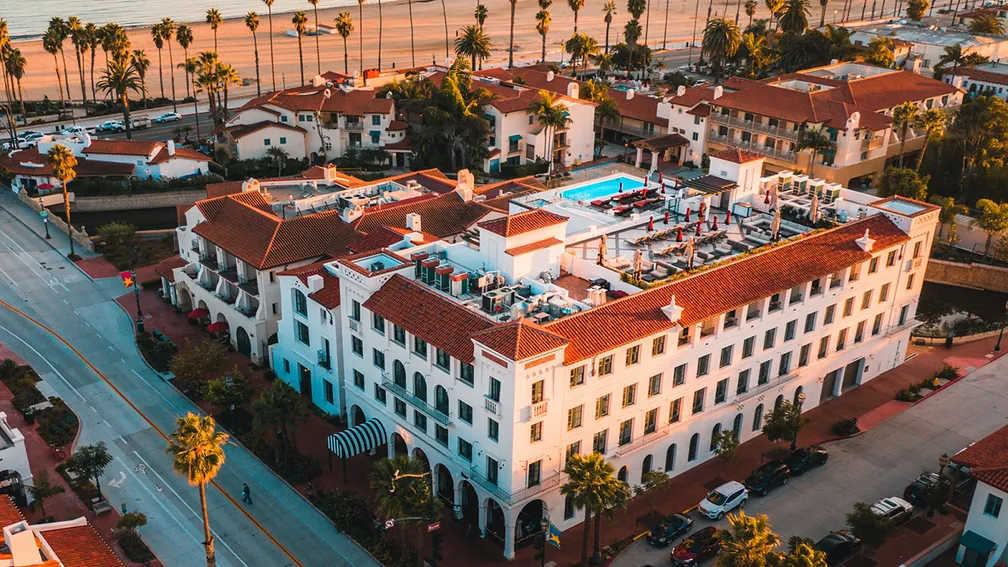
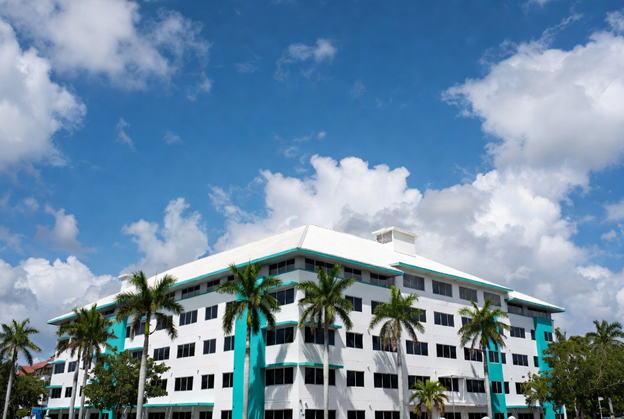
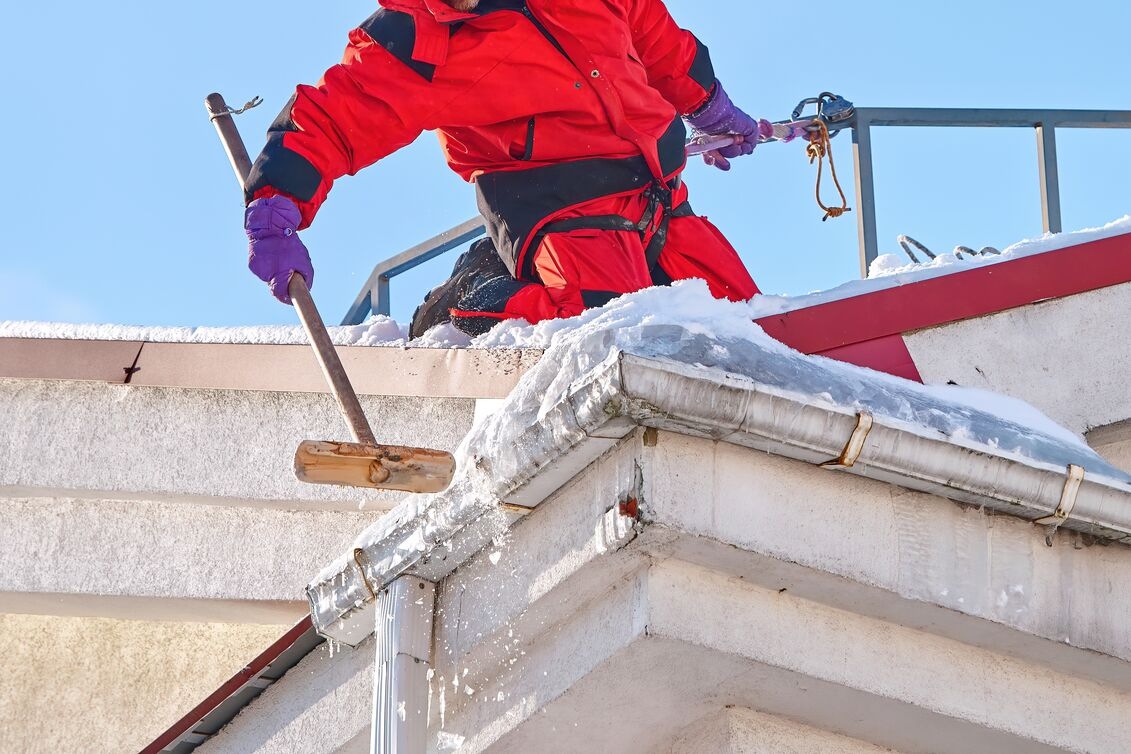
Residential roofs are generally steep-sloped, allowing water, snow, and debris to slide off more easily while also enhancing curb appeal. This design naturally reduces the risk of standing water and helps extend the lifespan of many residential materials.
Key structural differences include:
- Commercial roofs are typically flat or low-slope
- Residential roofs are generally steep-sloped
- Commercial systems often require drainage design
- Residential systems often rely on gravity for runoff
Understanding flat roof vs pitched roof differences is critical when comparing roofing systems across building types.
2. Size and Scale
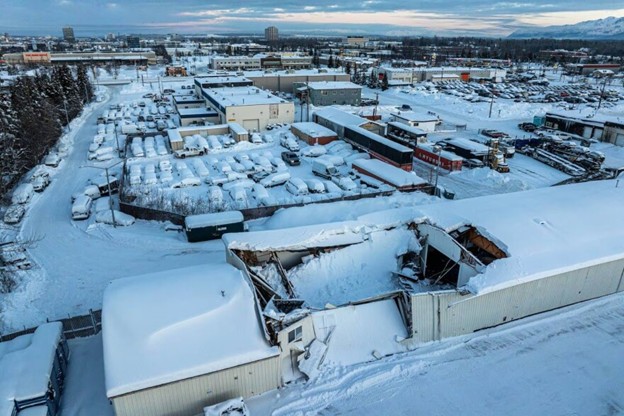
Commercial roofing systems are significantly larger than residential roofs, often covering expansive buildings like warehouses, offices, and retail centers. This scale increases the complexity of installation, material logistics, and long-term maintenance planning. Because of this, commercial roofing requires more coordination, specialized tools, and experienced crews to ensure proper performance.
Material Differences
The types of commercial roofing vs residential roofing materials are tailored to each structure’s specific needs, balancing durability, cost, and performance. Selecting the right material plays a major role in energy efficiency and lifespan.
Commercial Roofing Materials
Commercial roofing materials are engineered for durability and performance across large, flat surfaces where water resistance and flexibility are essential. These systems are designed to withstand environmental stress while maintaining efficiency over time.
Common options include:
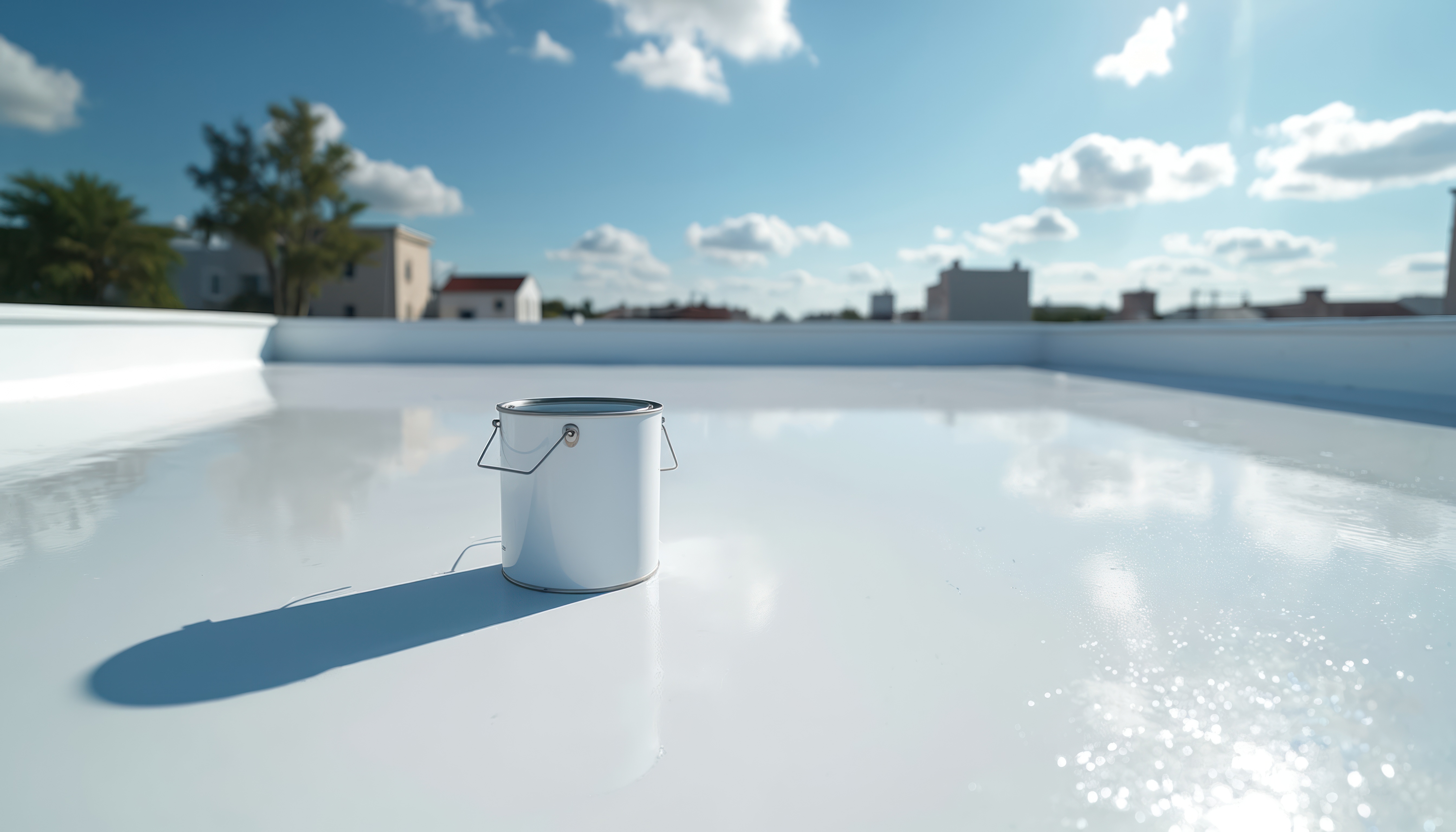
- TPO (Thermoplastic Polyolefin) for reflectivity and energy efficiency
- PVC roofing for durability and chemical resistance
- EPDM rubber roofing for flexibility in varying temperatures
- Modified bitumen for multi-layer protection
- Spray polyurethane foam (SPF) for insulation and seamless coverage
- Metal roofing for longevity and heat resistance
These materials are widely used in commercial roofing systems explained due to their ability to perform under demanding conditions.
Residential Roofing Materials
Residential roofing materials focus more on aesthetics, affordability, and compatibility with architectural styles. While performance is still important, homeowners often prioritize appearance and cost when selecting materials.
Popular residential options include:
- Asphalt shingles for affordability and ease of installation
- Clay or concrete tiles for durability and style
- Wood shakes for natural appearance
- Slate roofing for premium longevity
- Metal panels for modern and energy-efficient designs
These residential roofing materials and systems provide flexibility in design while still offering reliable protection.
Installation Complexity
Installation is another major difference in commercial roofing vs residential roofing systems, with commercial projects typically requiring more advanced techniques and planning. The complexity of each system impacts labor, cost, and project timelines.
Commercial Roofing Installation
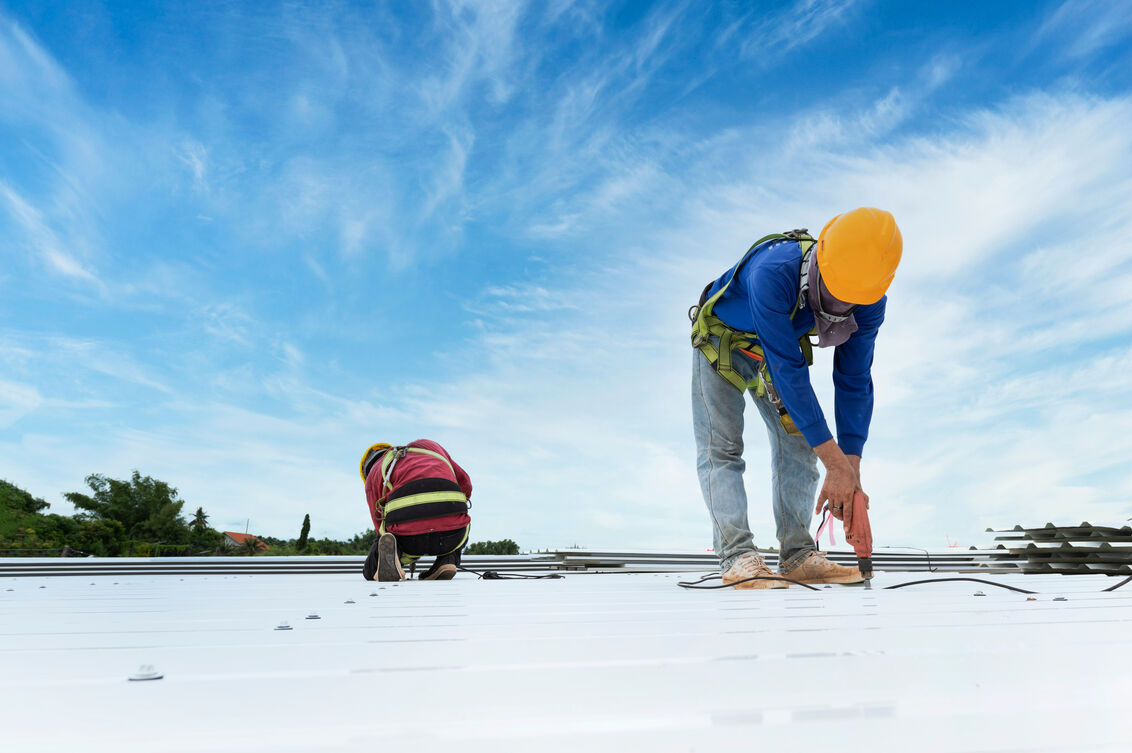
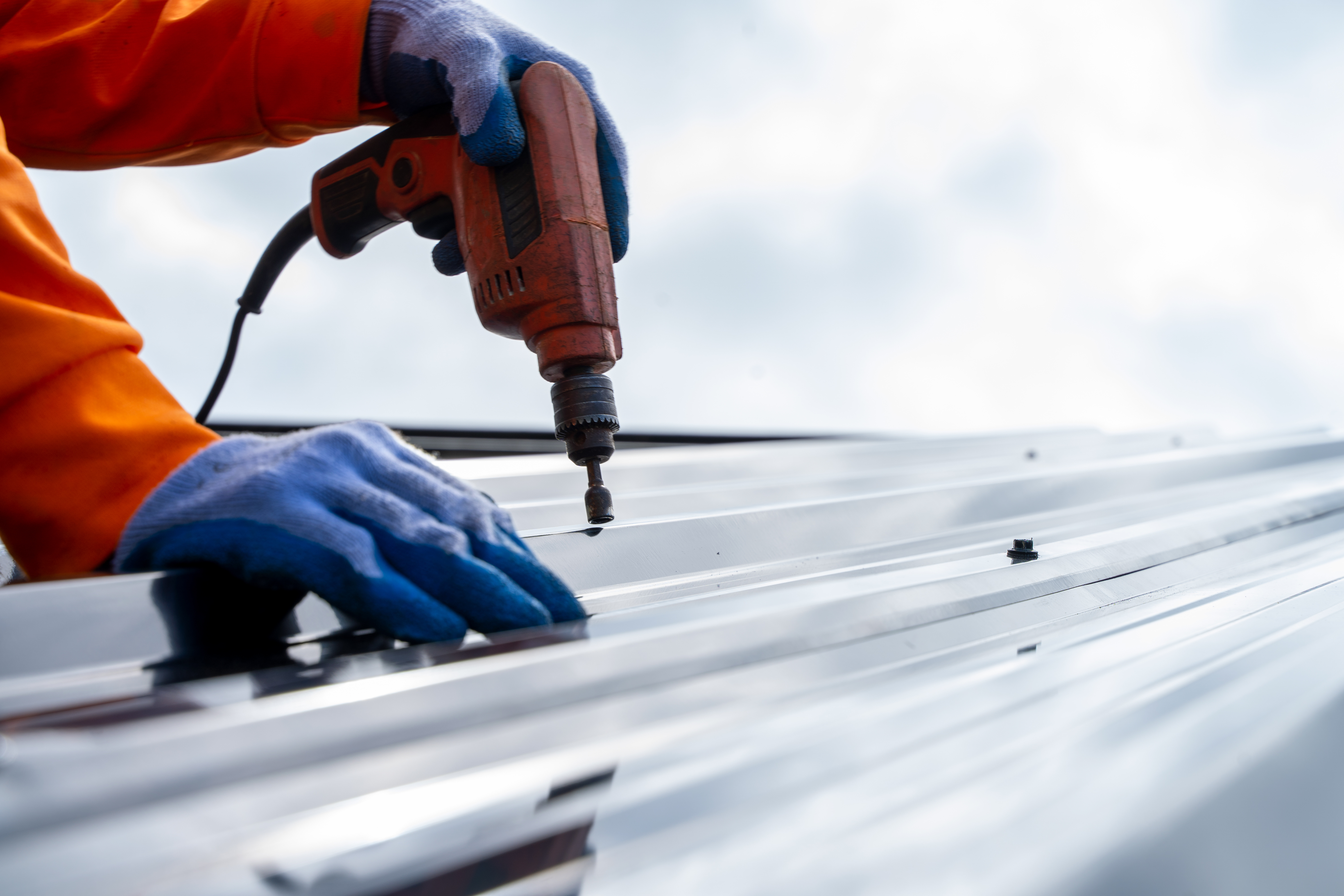
Commercial roofing installation involves large-scale coordination, specialized materials, and technical expertise. Systems often require heat welding, chemical bonding, or multi-layer assembly, all of which demand trained professionals.
Key challenges include:
- Managing large surface areas
- Integrating rooftop equipment
- Ensuring proper drainage systems
- Meeting strict safety and building code requirements
Because of these factors, commercial roofing projects are more labor-intensive and require experienced contractors.
Residential Roofing Installation
Residential roofing installation is generally more straightforward, allowing for faster completion and smaller crews. Materials like asphalt shingles are widely available and easier to install, making them a common choice for homeowners.
However, installers must still account for:
- Steep roof slopes
- Weather conditions
- Proper ventilation and insulation
While simpler overall, residential roofing still requires precision to ensure long-term performance.
Maintenance and Longevity
Maintenance plays a critical role in extending the lifespan of both systems, but requirements differ significantly between commercial vs residential roofing. Each type of roof faces unique challenges based on its design and exposure.
Commercial Roof Maintenance
Commercial roofs require proactive maintenance due to their flat design and increased exposure to environmental stress. Regular inspections help identify issues early before they lead to costly repairs or structural damage.
Typical maintenance includes:
- Inspecting seams and membranes
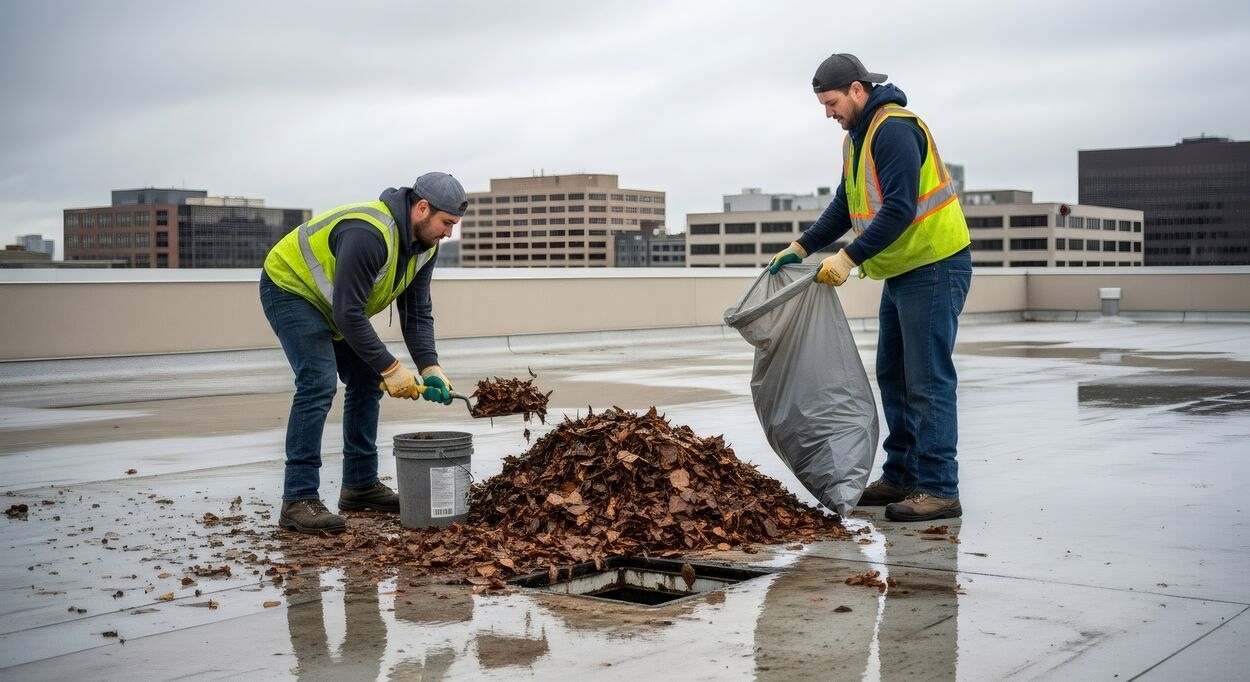
- Clearing and testing drainage systems
- Repairing punctures or pooling areas
- Reapplying protective coatings
Without consistent maintenance, small issues can quickly escalate into major problems.
Residential Roof Maintenance
Residential roofs require less frequent maintenance but still benefit from periodic inspections and upkeep. Their sloped design helps prevent many water-related issues, but components can still wear down over time.
Common maintenance tasks include:
- Replacing damaged or missing shingles
- Cleaning gutters and downspouts
- Inspecting flashing and seals
- Checking for storm damage
Regular upkeep helps extend the life of residential roofing systems and prevents unexpected repairs.
Lifespan Comparison
The lifespan of roofing systems depends on materials, installation quality, and environmental conditions. Commercial systems often last longer due to their engineered design, while residential systems may require more frequent replacement depending on material choice.
Typical lifespans include:
- Commercial roofing: 20–40 years
- Residential roofing: 15–30 years
Cost Considerations
Cost differences between commercial vs residential roofing go beyond materials and include labor, project size, and long-term value. Understanding these factors helps property owners budget more effectively.
Commercial Roofing Costs
Commercial roofing projects typically involve higher upfront costs due to their scale and complexity. However, these systems are designed for durability and energy efficiency, which can reduce operating costs over time.
Factors influencing cost include:
- Roof size and accessibility
- Material type and system complexity
- Labor requirements
- Insulation and energy efficiency upgrades
Residential Roofing Costs
Residential roofing is generally more affordable upfront, making it accessible for homeowners. Smaller project sizes and simpler materials contribute to lower installation costs.
Cost factors include:
- Material selection
- Roof pitch and design
- Labor and installation time
- Local climate considerations
While initial costs are lower, shorter lifespans may lead to more frequent replacements.
Energy Efficiency and Performance
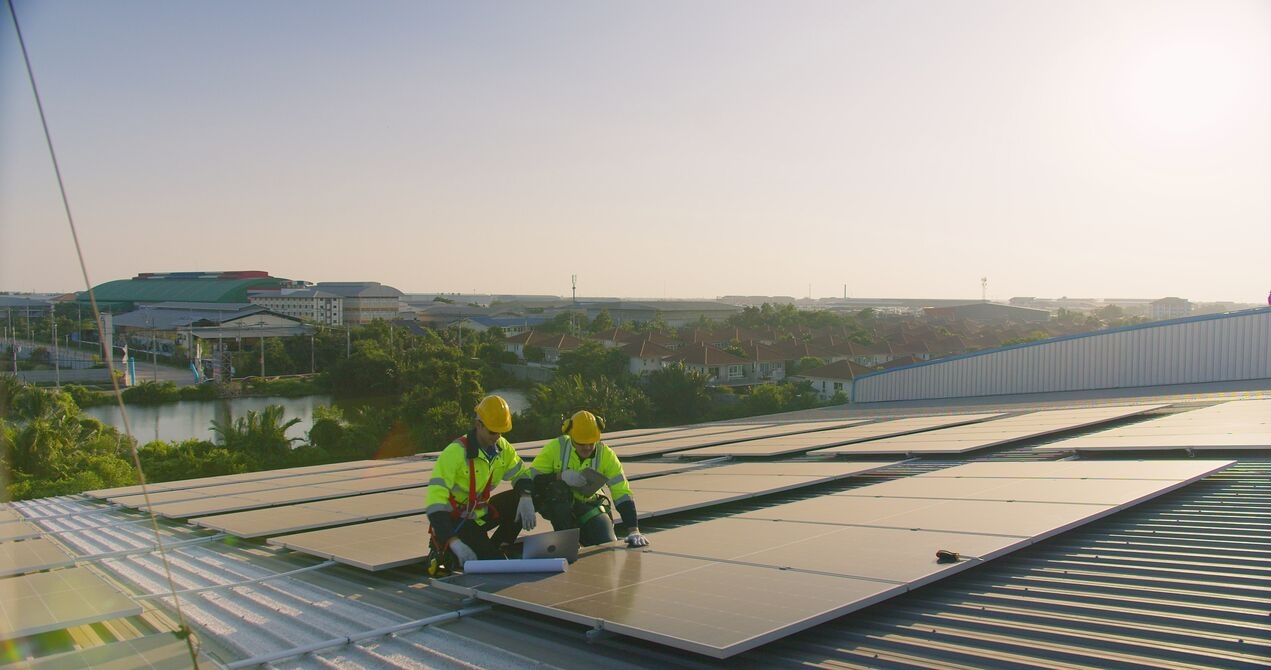
Energy efficiency is an increasingly important factor in commercial roofing vs residential roofing systems, especially in regions with extreme heat or cold. The right roofing system can significantly reduce energy consumption and improve indoor comfort. Commercial roofs often incorporate reflective materials and insulation systems designed to minimize heat absorption and reduce cooling costs. These features make commercial roofing systems particularly effective in large buildings with high energy demands. Residential roofs can also achieve strong energy efficiency when paired with proper insulation, ventilation, and material selection. However, performance varies more widely depending on design and installation quality.
Choosing the Right Roofing System
When evaluating commercial vs residential roofing, the best choice depends on your building type, long-term goals, and environmental conditions. Each system is designed to meet specific structural and performance requirements.
Important factors to consider include:
- Building size and structure
- Climate and weather exposure
- Budget and lifecycle costs
- Maintenance expectations
- Energy efficiency goals
Understanding the difference between commercial and residential roofing ensures better decision-making and long-term performance.
Protect Your Investment with the Right Roofing Solution
Choosing between commercial roofing materials vs residential roofing materials is about more than just cost—it’s about durability, efficiency, and long-term value. Each system offers unique benefits, and selecting the right one ensures your property remains protected for years to come. Working with an experienced roofing contractor like Solameer ensures proper installation, maintenance, and long-term performance, giving you confidence in your investment and peace of mind.
Frequently Asked Questions
What is the difference between commercial and residential roofing?
The main difference between commercial vs residential roofing is in design, materials, and installation methods. Commercial roofs are typically flat with membrane systems, while residential roofs are sloped and use materials like shingles or tile.
What are the main types of commercial roofing vs residential roofing?
Commercial roofing systems include TPO, PVC, EPDM, modified bitumen, SPF, and metal roofing. Residential roofing systems commonly include asphalt shingles, tile, slate, wood shakes, and some metal options.
Is commercial roofing more durable than residential roofing?
Commercial roofing systems are often designed for durability and can last longer when properly maintained. However, both types can perform well depending on material quality, installation, and ongoing maintenance.
What is the biggest structural difference between commercial and residential roofing?
The biggest structural difference is the flat roof vs pitched roof design. Commercial roofs are flat or low-slope, while residential roofs are steep-sloped to allow natural water runoff.
Do commercial roofs require more maintenance than residential roofs?
Yes, commercial roofs typically require more frequent maintenance due to their flat design. Regular inspections and drainage management are essential to prevent leaks and damage.
Which roofing system is better for energy efficiency?
Commercial roofing systems often use reflective materials that reduce heat absorption and improve energy efficiency. Residential roofs can also be efficient, but performance depends on material, insulation, and ventilation.


.jpeg)