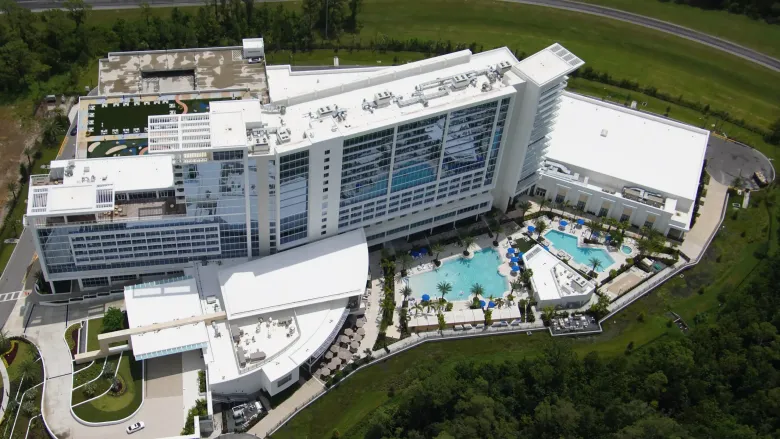

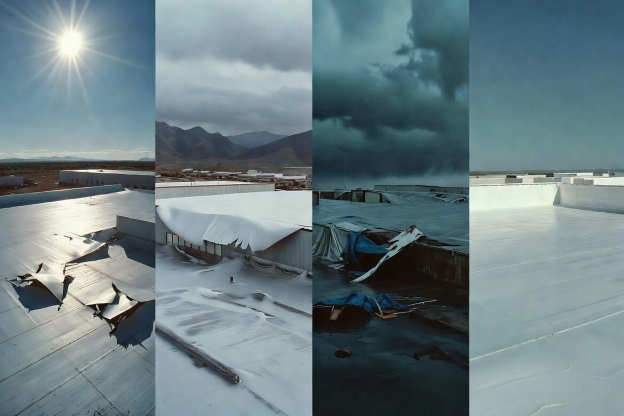
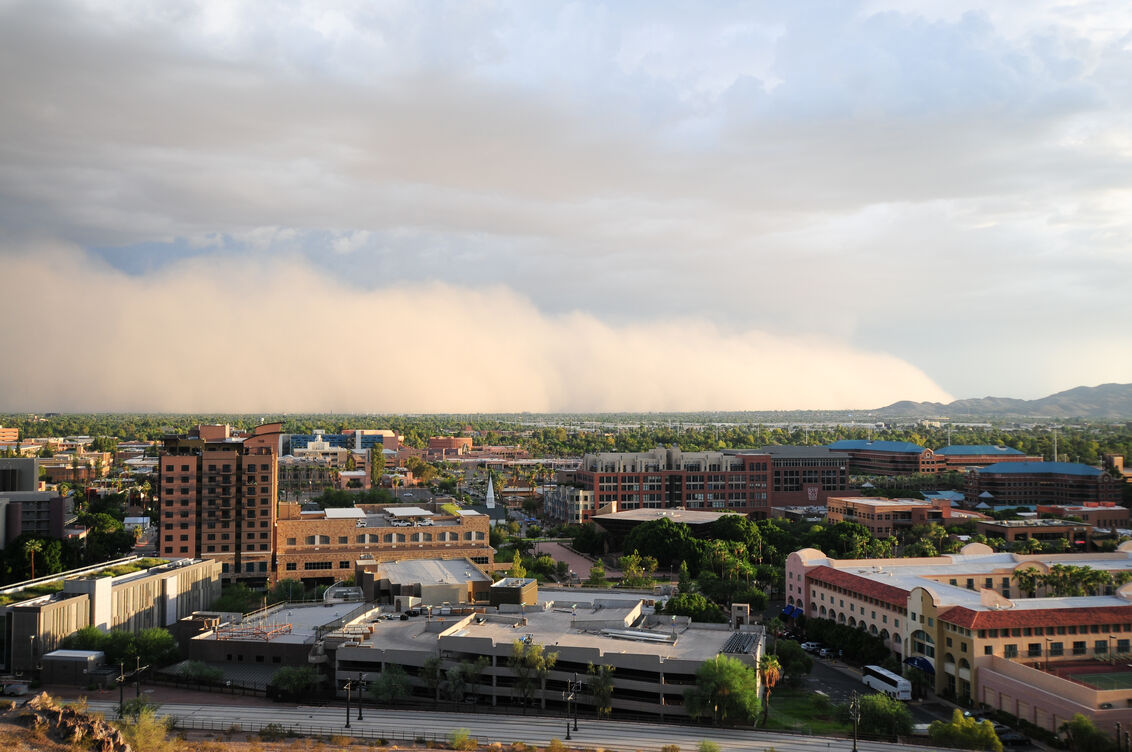
Nevada is home to some of the highest temperatures and driest conditions in the country. Commercial buildings throughout Las Vegas, Reno, and Henderson experience months of relentless sun exposure, dramatic day-to-night temperature swings, and minimal rainfall—creating an environment that puts extraordinary strain on commercial roofing systems. These conditions can cause roofing materials to deteriorate far more quickly than in mild climates, making proper system selection and upkeep essential for long-term performance.
For business owners and facility managers, choosing the best roofing for hot climates is essential for safeguarding the building envelope and reducing long-term operating costs. Nevada’s desert climate requires roofing materials that can maintain structural integrity, reflect radiant heat, and endure decades of harsh UV exposure. The right system not only prevents premature roof failure but can also significantly reduce cooling demands during extreme heat waves.
This guide explores the top-performing options for commercial roofing in Nevada, as well as strategies for optimizing roof durability, energy efficiency, and performance in one of the hottest regions in the United States. Whether upgrading an older roof or constructing a new facility, understanding your options is the first step toward long-lasting protection.
See Our Roofing Services in Nevada
How Nevada’s Desert Climate Impacts Commercial Roofs
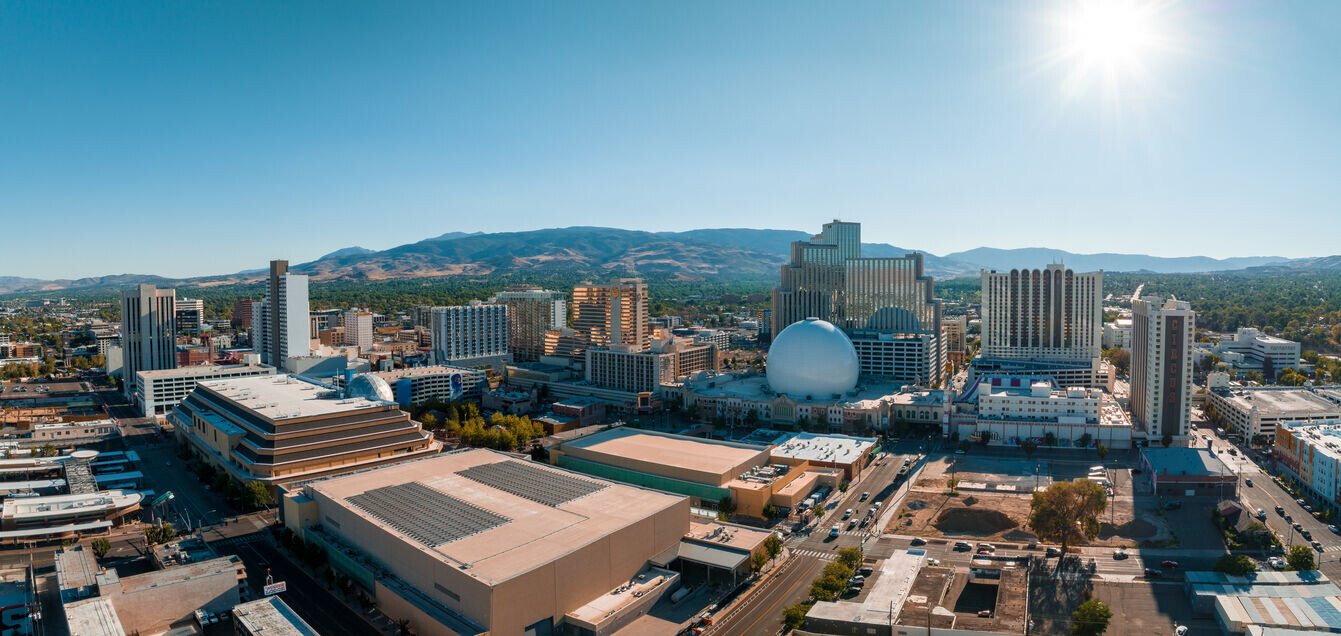
Nevada’s desert environment creates roofing challenges that differ from those in humid, coastal, or snowy climates. Extreme temperatures, dry air, and UV intensity each contribute to roof deterioration in unique ways. Understanding these environmental pressures helps building owners make informed decisions about material selection and maintenance.
1. Intense Solar Radiation and UV Exposure
Nevada receives more than 250–300 days of sunlight per year. Prolonged UV exposure weakens membranes, fades coatings, cracks sealants, and accelerates material breakdown—especially in older commercial roof systems that were not designed for today’s extreme heat levels. Over time, UV damage can compromise waterproofing integrity and lead to costly repairs if not mitigated through reflective materials or protective coatings.
2. Extreme Temperature Fluctuations
Desert days can exceed 110°F while nights drop significantly. This constant thermal expansion and contraction stresses roofing materials, causing:
- Membrane shrinkage
- Seam separation
- Cracking
- Blistering
- Premature material fatigue
These rapid fluctuations are among the biggest reasons why buildings in desert regions must rely on flexible, heat-tolerant materials that won’t degrade under thermal stress. This phenomenon makes flexibility, reflectivity, and heat stability essential in commercial roof systems.
3. Low Humidity and Dry Air
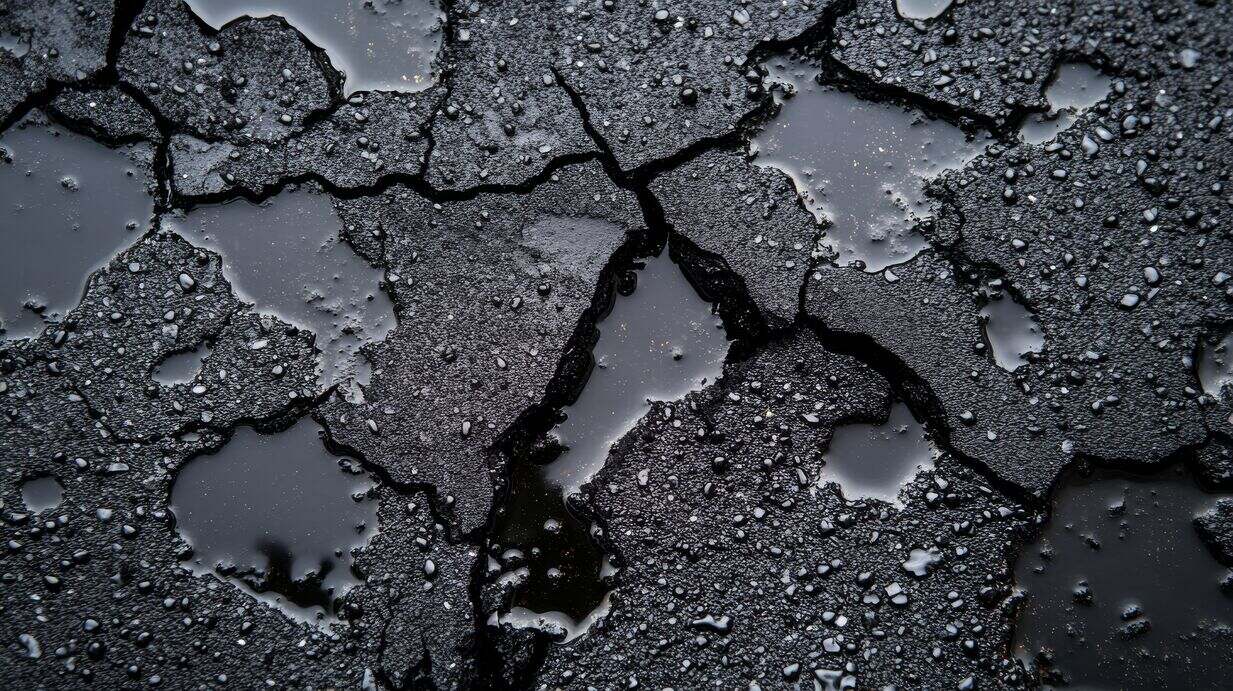
While moisture may not be a major threat, Nevada’s dry climate causes certain materials—especially asphalt-based products—to dry out, lose elasticity, and degrade faster. Without the protective presence of moisture, some roofing components can become brittle, increasing the risk of cracking, splitting, or surface granule loss. Regular conditioning and maintenance are essential to offset these effects.
4. Occasional Heavy Rains and Monsoon Bursts
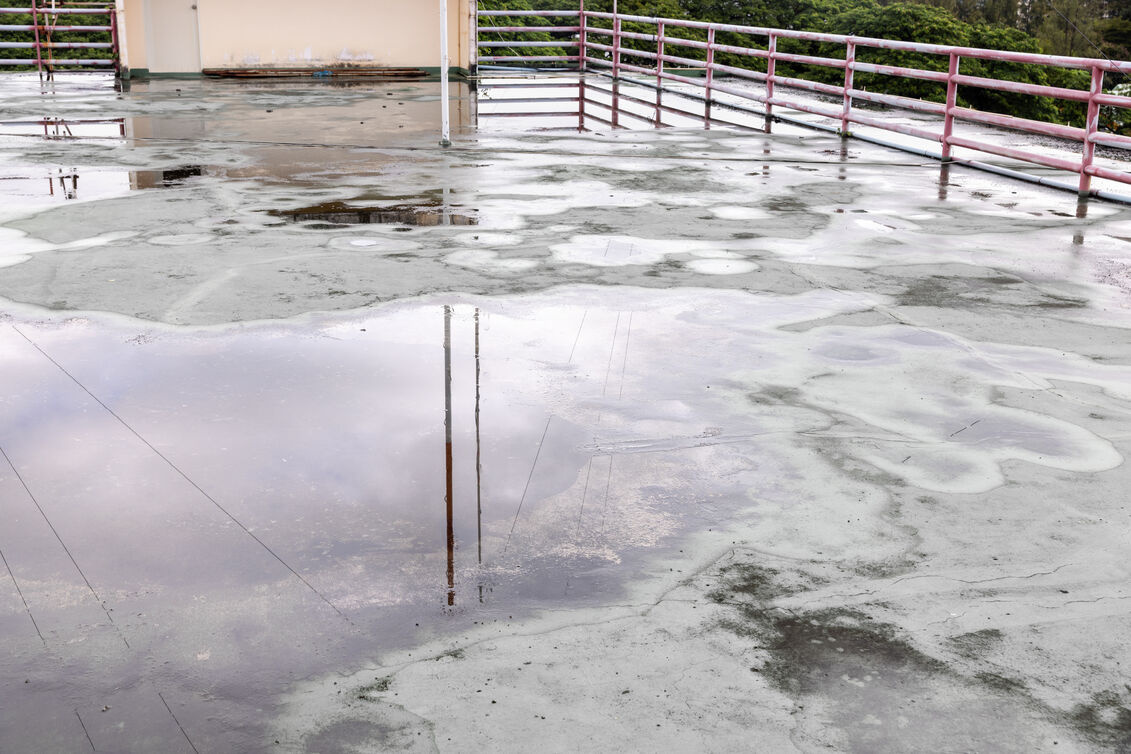
Although Nevada is arid, sudden storms can overwhelm roofs that lack proper drainage. Heat-weakened membranes may be more vulnerable to water intrusion during these events, especially around penetrations or areas with poor slope. Even infrequent rainfall can cause major issues if a roof is not structurally prepared for sudden water loads.
Understanding these factors is crucial when selecting the best roofing for hot climates, as not all roofing materials perform equally under extreme desert stresses.
Top Energy-Efficient Commercial Roofing Systems for Nevada’s Heat
Choosing the right roofing system directly impacts building performance, cooling costs, and system longevity. Below are the leading materials used for energy-efficient commercial roofing in Nevada.
1. TPO Roofing: A Top Choice for Reflectivity and Energy Efficiency
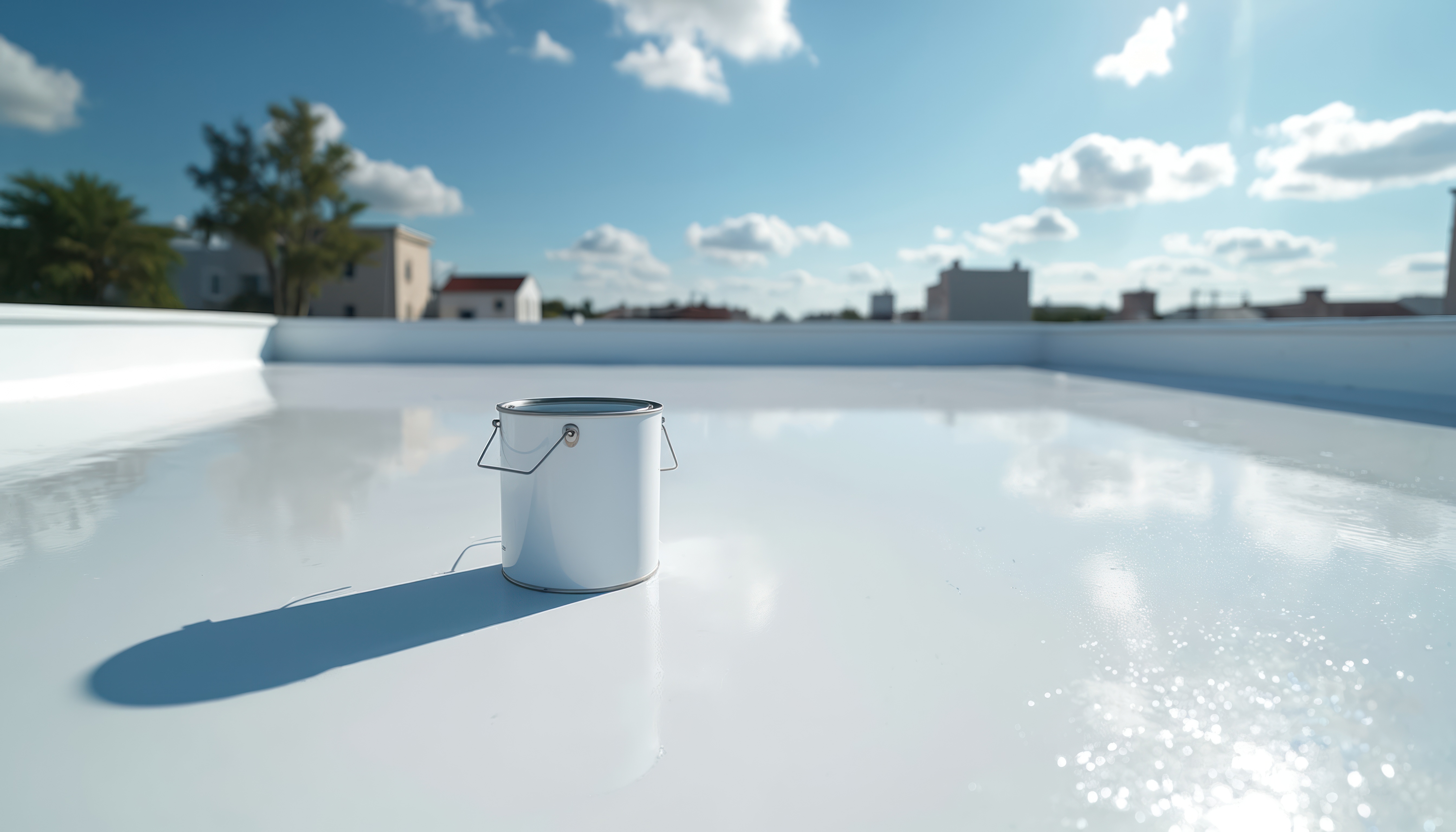
Thermoplastic Polyolefin (TPO) is one of the most popular commercial roofing materials in hot regions due to its outstanding ability to reflect solar heat. Its highly reflective white surface keeps rooftop temperatures significantly lower, which helps preserve membrane flexibility and reduce heat-induced wear.
Why TPO Performs Well in Hot Climates:
- Highly reflective white surface
- Lowers rooftop temperatures
- Reduces cooling costs
- Flexible enough to handle thermal movement
- Resistant to UV degradation
For businesses prioritizing energy-efficient commercial roofing, TPO offers a cost-effective, durable, and heat-proof solution capable of withstanding Nevada's tough conditions.
2. PVC Roofing: Durable, Heat-Resistant, and Long-Lasting
PVC membranes provide excellent heat reflectivity and exceptional resistance to chemicals, grease, and fire. They are commonly used in restaurants, industrial facilities, and high-heat environments where other materials may degrade quickly.
PVC’s strong heat-welded seams and natural resistance to thermal shock make it a durable choice for Nevada businesses that need long-lasting performance.
Key Advantages:
- Strong heat-welded seams
- Maintains reflectivity over time
- Handles thermal shock well
- Withstands harsh desert climates
PVC is one of the most reliable commercial roof systems for long-term performance in Nevada, especially for buildings that experience intense rooftop temperatures.
3. Spray Polyurethane Foam (SPF): Superior Insulation for Desert Environments
Spray Polyurethane Foam is an excellent insulator, making it highly valuable in extreme heat. Its seamless, monolithic design eliminates joints and gaps where heat could enter or escape, helping stabilize indoor temperatures.
Benefits of SPF Roofing:
- Exceptional R-value per inch
- Seamless waterproofing
- Reduces energy consumption by lowering heat transfer
- Expands and contracts with temperature changes
SPF is often paired with a reflective coating to enhance durability and UV resistance, making it one of the most versatile choices for desert climates.
4. Metal Roofing: Durable and Highly Reflective
Metal roofs are well-suited for Nevada due to their longevity, reflective properties, and inherent heat resistance. Unlike membranes, metal doesn’t soften or weaken under prolonged sunlight.
Metal Roofing Advantages:
- Reflects solar radiation effectively
- Can be coated with reflective finishes
- Excellent lifespan (40+ years)
- Resistant to shrinkage and cracking
Because metal roofs shed heat quickly, they are frequently considered among the best roofing for hot climates, especially when combined with energy-efficient coatings.
5. Modified Bitumen with Reflective Coatings
Traditional asphalt roofing does not perform well in heat unless enhanced with modern reflective technology. Modified bitumen systems can be upgraded with acrylic or elastomeric coatings to dramatically reduce heat absorption.
Modern Enhancements Include:
- White or acrylic coatings
- Elastomeric layers
- UV-resistant surfacing
When upgraded, modified bitumen can serve as a cost-effective solution for businesses wanting to improve performance without full replacement.
Enhancing Roof Performance in Nevada’s Desert Heat
Beyond choosing the right materials, certain upgrades drastically improve roof lifespan and efficiency. These enhancements help maximize the performance of commercial roofing in Nevada, especially during peak summer temperatures.
1. Reflective Roof Coatings
Reflective coatings reduce heat absorption, lower surface temperatures, and extend the life of commercial roofing materials. They are ideal for aging roofs that still have structural integrity.
Benefits Include:
- Increased energy efficiency
- Lower utility bills
- Enhanced UV protection
- Extended membrane lifespan
2. Insulation Improvements
High-quality insulation minimizes heat transfer into the building, reducing reliance on HVAC systems—critical in Nevada’s climate.
Recommended Approaches:
- Increase R-value of existing insulation
- Add insulation during reroofing
- Use systems designed for desert climates
3. Optimizing Ventilation
Proper ventilation helps balance rooftop temperatures and prevents heat buildup in attics or plenum spaces. Improved airflow helps materials last longer.
4. Scheduled Commercial Roof Maintenance
Routine maintenance is essential for commercial roofing in Nevada, where heat accelerates material fatigue.
Maintenance Should Include:
- Checking for cracks and blistering
- Ensuring reflective coatings remain intact
- Inspecting seams and fasteners
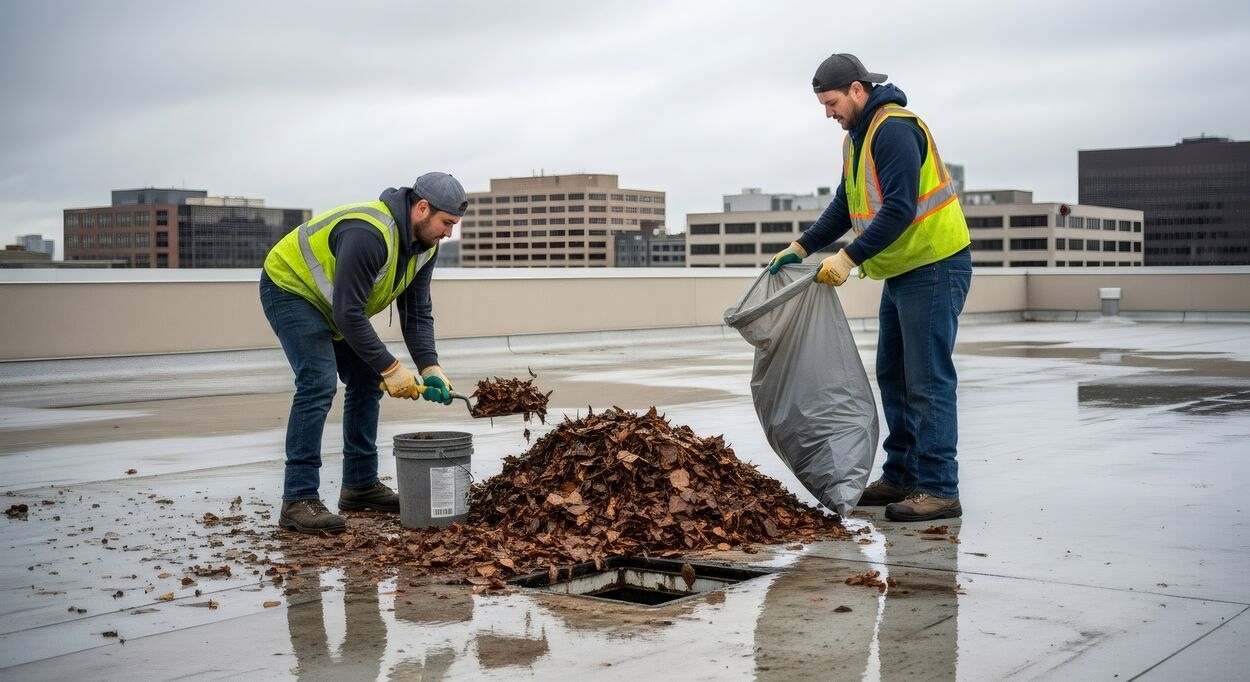
- Removing debris
- Monitoring roof drainage
High temperatures can turn small issues into major failures if left unaddressed.
Choosing the Best Roofing Solutions for Long-Term Value
Selecting the best roofing system involves evaluating your building’s design, budget, and long-term energy goals. The right system should:
- Withstand extreme sunlight
- Manage rapid thermal expansion
- Reduce cooling costs
- Offer strong UV and heat protection
- Support long-term durability
Partnering with a contractor experienced in commercial roofing in Nevada ensures your roof is equipped to handle the state’s demanding climate conditions and perform reliably for decades.
Why Work With Solameer for Heat-Resistant Commercial Roofing?
Solameer specializes in designing and installing roofing systems that perform exceptionally well in desert environments. Our team understands the pressures extreme heat places on commercial structures, and we deliver tailored solutions built for longevity and energy efficiency.
Our Services Include:
- Installation of heat-resistant commercial roof systems
- Reflective coating applications
- Energy-efficiency upgrades
- Comprehensive commercial roof inspections
- Long-term maintenance plans
Our mission is to protect your investment by providing high-performance roofing engineered specifically for Nevada’s desert conditions.
Protect Your Building Before the Next Heat Wave
Extreme temperatures can damage commercial roofs faster than many business owners realize. Taking proactive steps now—before summer peaks—helps prevent premature deterioration, leaks, and energy waste. Solameer provides expert support for commercial roofing in Nevada, ensuring your building stays cool, efficient, and protected in the state’s harshest climate conditions.
Ready to upgrade your roof for desert heat performance? Contact Solameer today for a professional assessment.
Frequently Asked Questions
Which roof color is best for a hot climate?
Light-colored roofs—especially white—reflect sunlight and stay cooler, making them ideal for desert environments.
Which roof will stay cooler in the sun?
Reflective roof systems like TPO, PVC, and coated metal typically stay the coolest due to their high solar reflectance and low heat absorption.
Do roofers work in 100 degree weather?
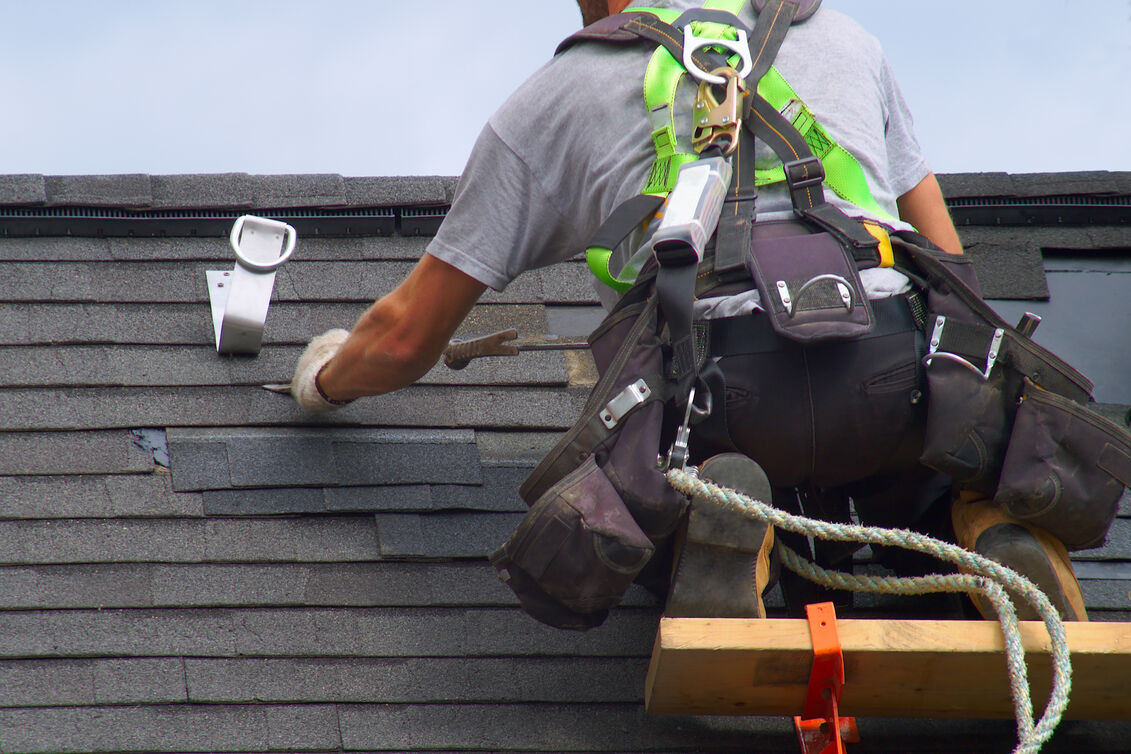
Yes, but with strict safety measures. Roofing crews adjust schedules, take frequent breaks, and use heat-protection practices to work safely in Nevada’s extreme temperatures.
What are the different types of commercial roofing?
Common commercial roof systems include TPO, PVC, EPDM, metal roofing, modified bitumen, and spray polyurethane foam.
Which roof is better, EPDM or TPO?
EPDM performs well in varying temperatures but absorbs heat because it is typically black. TPO is more reflective and is generally better suited for the best roofing for hot climates.
What type of roof is best for desert?
TPO, PVC, metal roofing, and SPF systems are ideal for desert climates due to their heat resistance, reflectivity, and durability.
Does Nevada require a roofing license?
Yes. Roofing contractors in Nevada must hold a valid state-issued license to legally perform roofing work.


.jpeg)