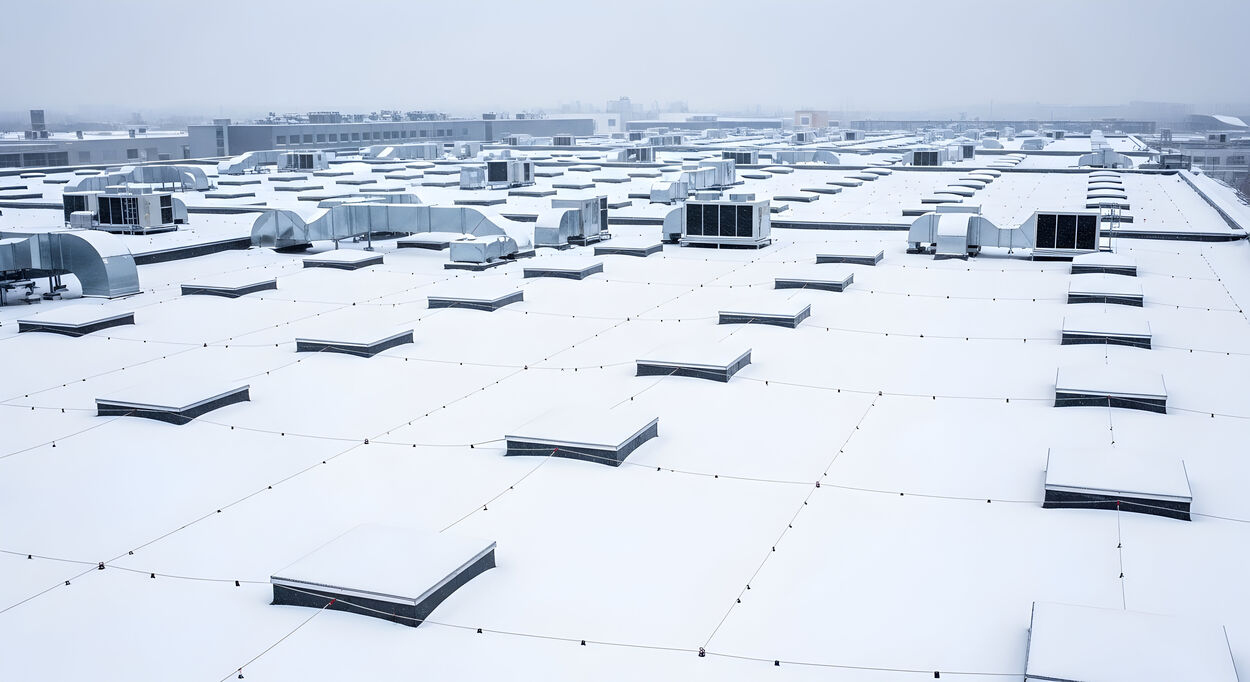

Utah’s winters are known for heavy, wet snow—especially across the Wasatch Front, Cache Valley, and mountain-adjacent commercial districts. For business owners, this means more than slippery walkways and frequent plowing. It means substantial structural pressure on commercial roofs that can lead to membrane damage, sagging, leaks, or even partial collapse if the roof is not properly engineered or maintained.
That’s why understanding Utah’s snow load requirements, roof design standards, and winter maintenance expectations is essential for property managers and business owners. With proper planning—and guidance from qualified Utah roofing contractors—your building can safely withstand even the heaviest storms.
This guide explains how snow loads work, which roofing systems perform best, how to stay compliant with state and municipal standards, and how to protect your investment throughout Utah’s demanding winter season.
See Our Commercial Roofing Services in Utah
Why Snow Load Matters for Commercial Roofing in Utah
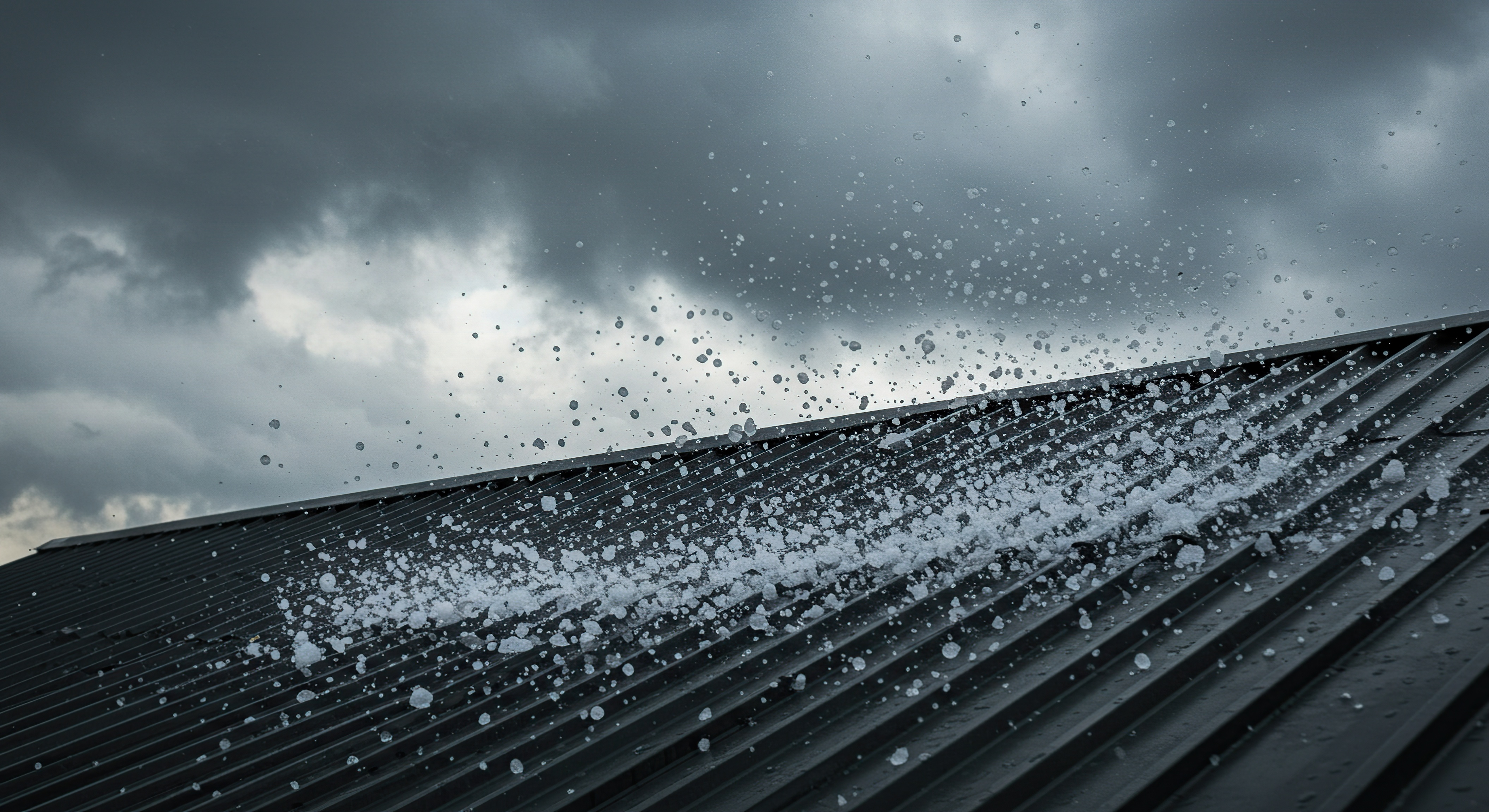
Snow load refers to the downward force exerted by accumulated snow and ice on a roof. Because Utah experiences both light powder and dense, moisture-heavy snow, the total weight can vary significantly—even within the same storm. This variability makes accurate engineering and regular inspections essential for long-term roof safety.
Several factors influence how much weight your commercial roof can bear:
1. Snow Density and Moisture Content
Powdery snow might weigh 5–10 pounds per cubic foot, while wet, compacted snow can exceed 40 pounds per cubic foot. Ice accumulation is even heavier. This variability is why Utah’s snow load standards are more rigorous than those in many other regions. A sudden warm-up followed by freezing temperatures can also transform light snow into dense ice layers almost overnight.
2. Roof Pitch and Drainage Conditions
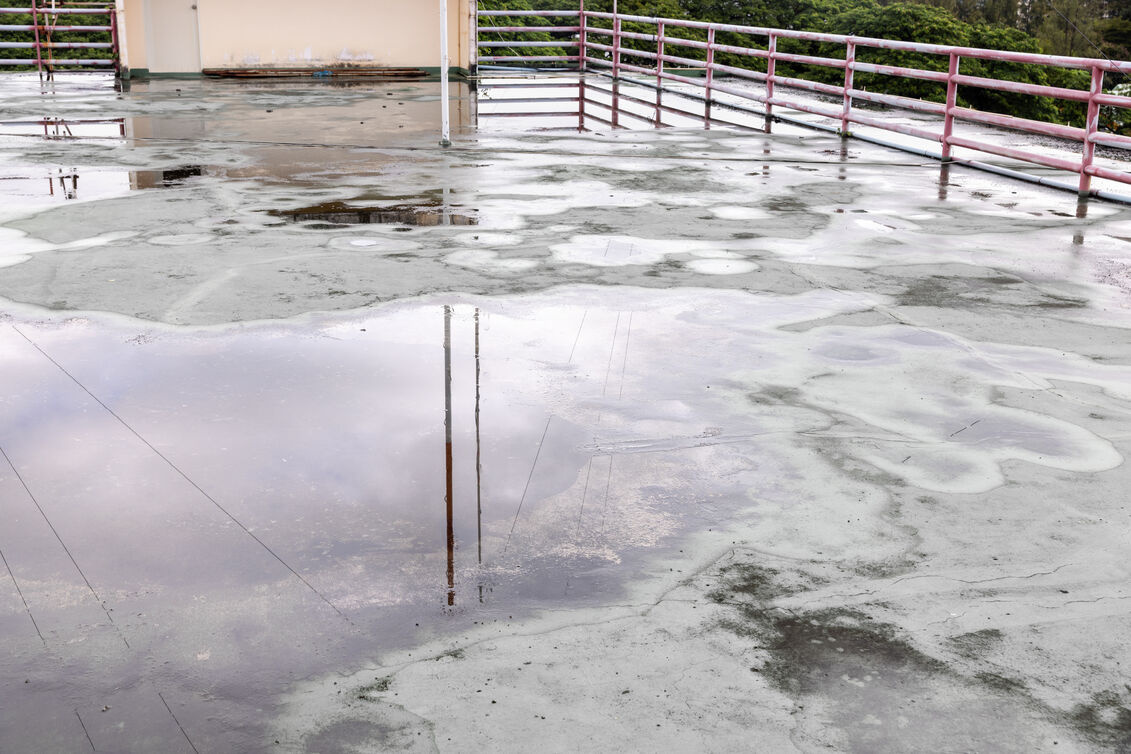
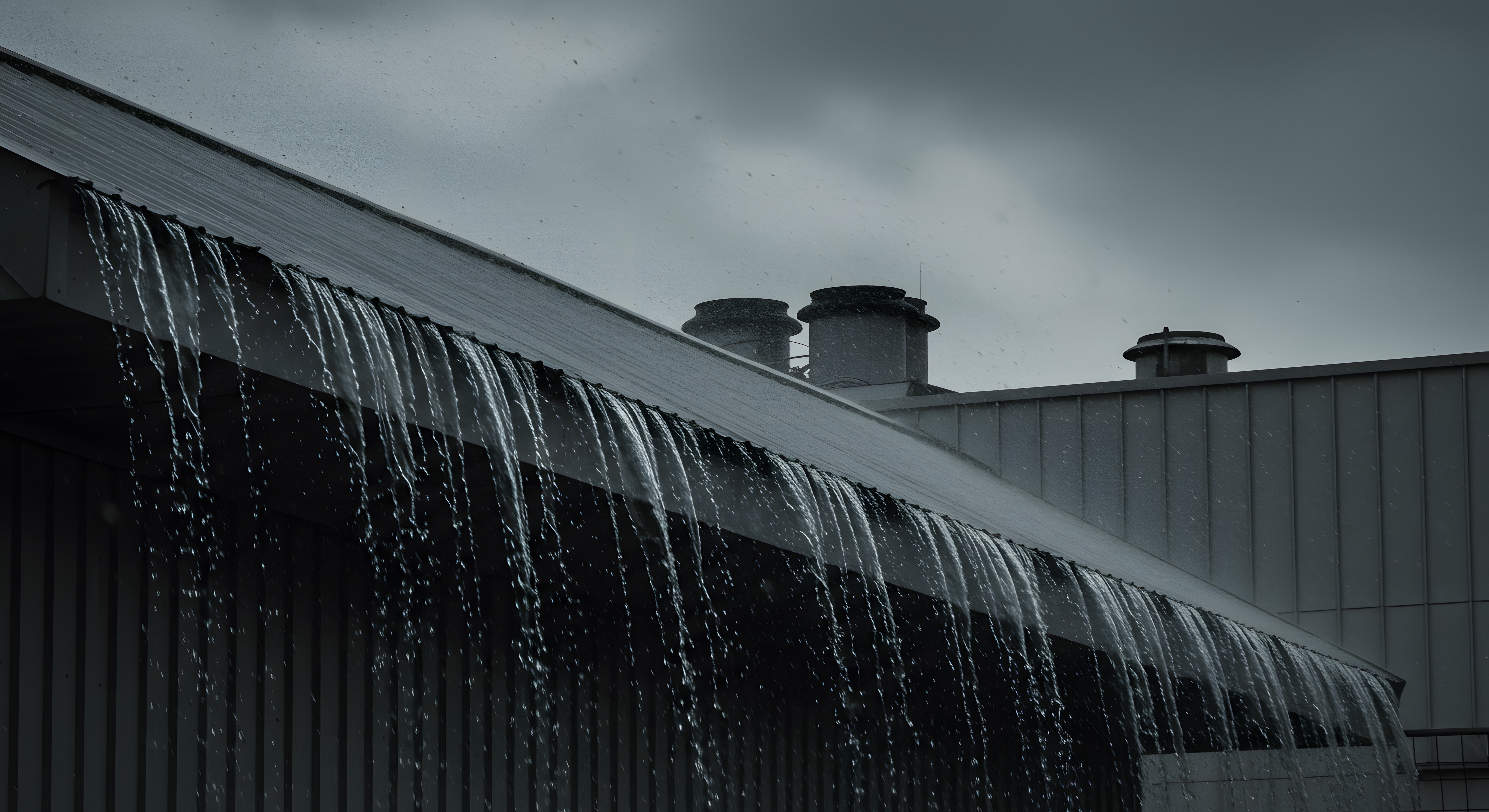
Flat and low-slope roofs—common across commercial roofing in Utah—collect more snow and ice. If drainage systems freeze or clog, snow melt has nowhere to go, increasing weight and the risk of leaks. Poor drainage also increases the likelihood of ice dams, which add even more pressure to roof edges.
3. Age and Structural Integrity of the Roof
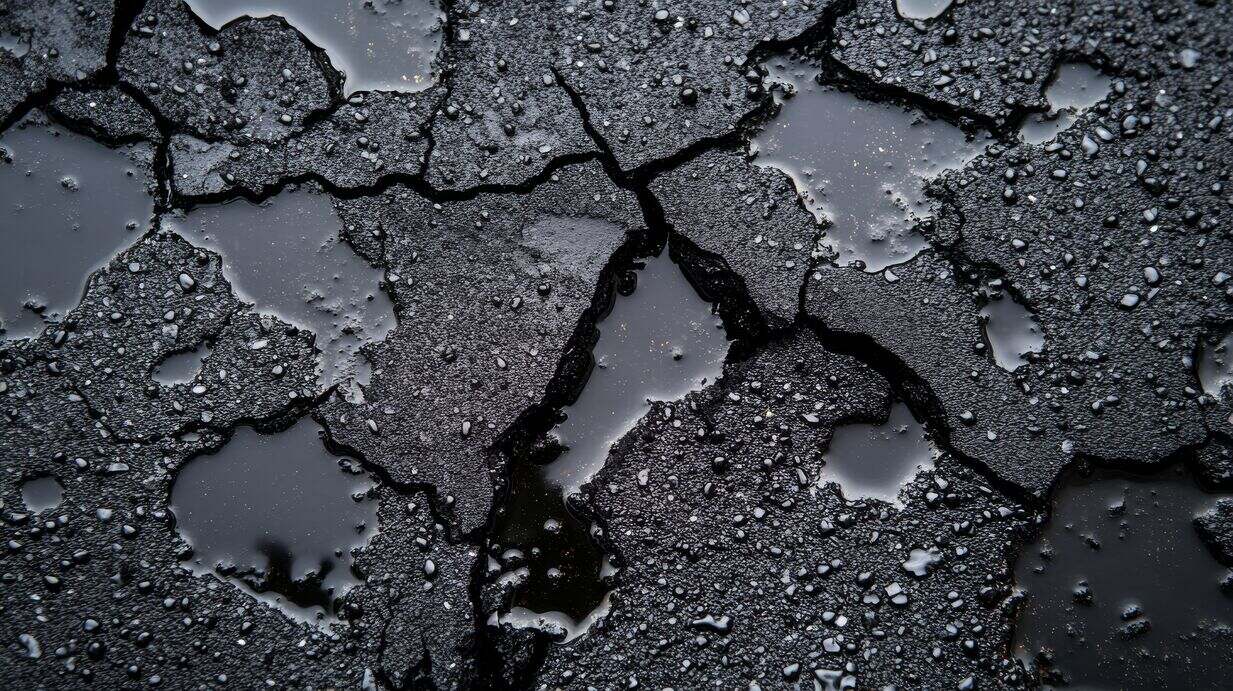
Older roofs may have weakened substrates or deteriorated waterproofing. Snow and ice accelerate this damage, especially when cycles of thawing and refreezing force expansion within the roof system. Buildings with outdated insulation are particularly prone to heat loss, further contributing to ice formation.
4. Local Ordinances
Cities like Salt Lake City, Ogden, Provo, and Park City have specific snow load design requirements that commercial building owners must follow. These are based on elevation, historical snowfall, and structure type. Failing to adhere to these regulations can also complicate insurance claims after storm-related damage.
Failing to meet these standards can result in safety hazards, code violations, and increased liability.
Utah’s Commercial Snow Load Requirements
Utah’s building codes follow the International Building Code (IBC) but include state-specific amendments that account for the state’s extreme winter conditions and elevation changes. Because snow patterns vary dramatically across Utah—from the lower valleys of Salt Lake City to the high-elevation mountain regions—commercial buildings must be designed according to site-specific ground snow loads rather than a one-size-fits-all standard. Local jurisdictions rely heavily on the Utah Ground Snow Load Map, which provides engineers with the required design values for each location.
To give commercial building owners a clearer understanding of how these numbers vary across the state, here is a simplified table showing typical snow load ranges by elevation zone based on commonly referenced jurisdictional design criteria and Utah Snow Load Map data:
Utah Commercial Snow Load Examples
These ranges demonstrate how rapidly snow load requirements increase with elevation. Mountain regions may require dramatically higher load capacity because dense, moisture-heavy snow can accumulate quickly.
Your property’s exact structural requirements should always be verified by a licensed engineer and commercial roofing experts familiar with Utah’s regional snow load maps. These maps are updated periodically as climate and snowfall data evolve, so relying on current site-specific information is essential for both code compliance and long-term roof safety.
Why These Standards Matter
Improperly engineered roofs can experience:
- Structural sagging or bowing
- Membrane punctures
- Fastener failure
- Leaks during melting cycles
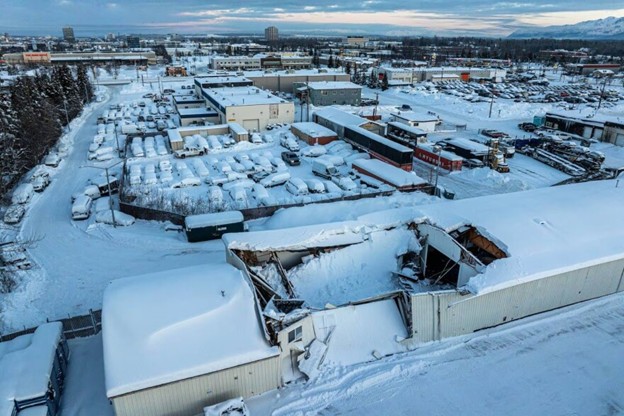
- Catastrophic collapse in extreme cases
Even minor structural deformation from snow can shorten roof lifespan by years. Over time, these stresses can also compromise insulation efficiency and increase energy costs.
Best Commercial Roof Systems for Handling Heavy Snow Loads
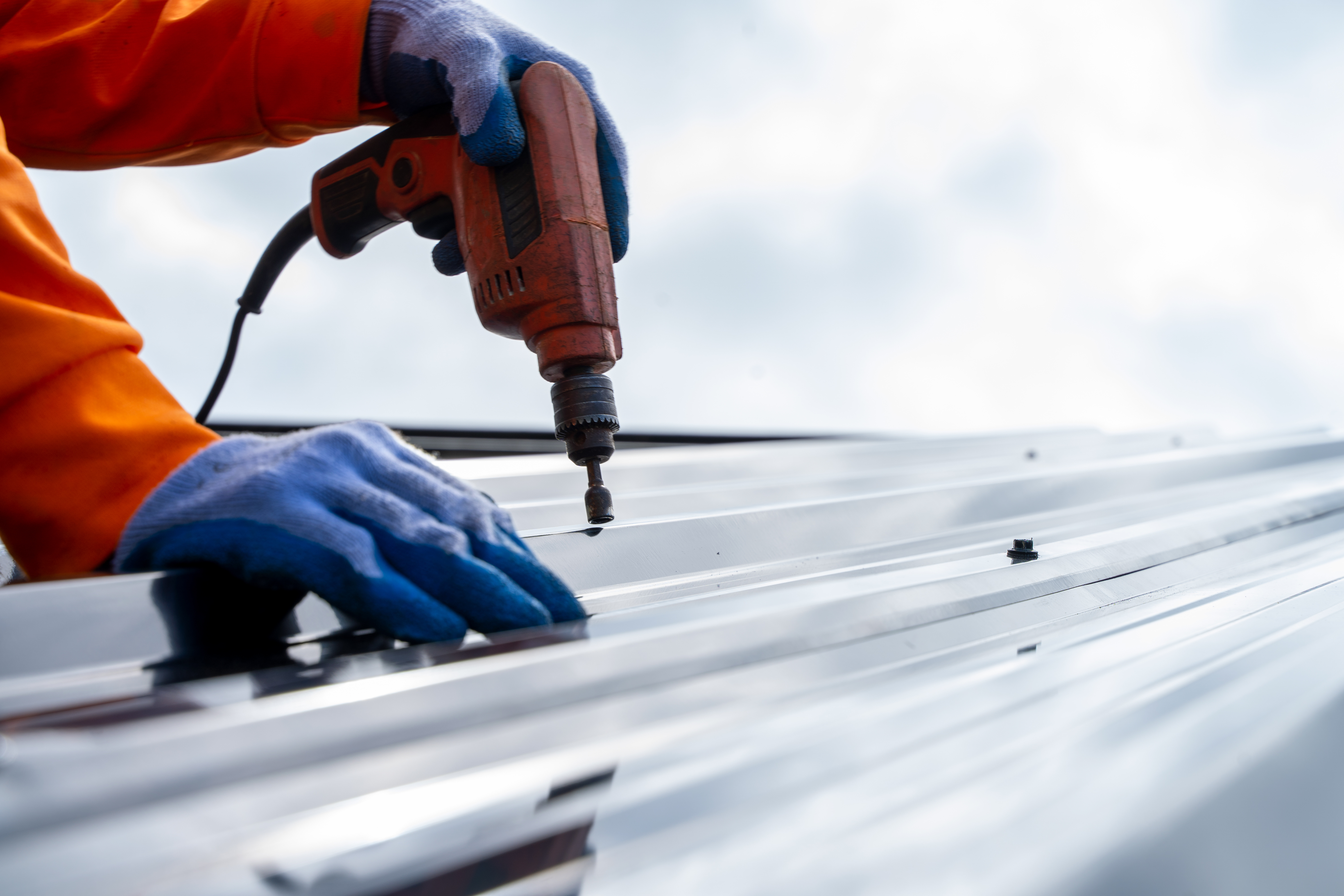
Choosing materials that perform well under winter stress is essential for longevity.
The best-performing systems include:
1. TPO and PVC Single-Ply Roofing
These membranes offer strong durability and flexibility. They handle temperature swings well, resist cracking, and prevent leaks caused by ice dams. When installed with proper insulation and cover boards, they maintain integrity under heavy snow load. Their reflective properties also help reduce heat loss, improving overall building performance during winter.
2. Modified Bitumen Roofing
This robust, multi-layered system provides excellent puncture resistance—ideal for roofs subjected to freeze–thaw cycles and heavy foot traffic from snow removal teams. Its layered construction makes it particularly resilient against ice buildup and shifting snow.
3. Metal Roofing Systems
Metal roofing sheds snow more efficiently than membrane systems and offers outstanding structural strength. In Utah’s heavier snow regions, standing seam metal is among the most reliable options. When paired with engineered snow guards, metal roofs can manage snow shedding safely around pedestrian or loading areas.
4. Spray Polyurethane Foam (SPF) Roofing
SPF provides insulation and a seamless surface that reduces ice formation. When combined with professional commercial roof coatings, SPF systems offer strong water resistance and excellent winter performance. Its monolithic design also prevents water infiltration in areas with multiple penetrations or complex roof shapes.
No matter which system you choose, proper installation by qualified Utah roofing contractors is essential.
Winter Maintenance: Preventing Snow and Ice Damage
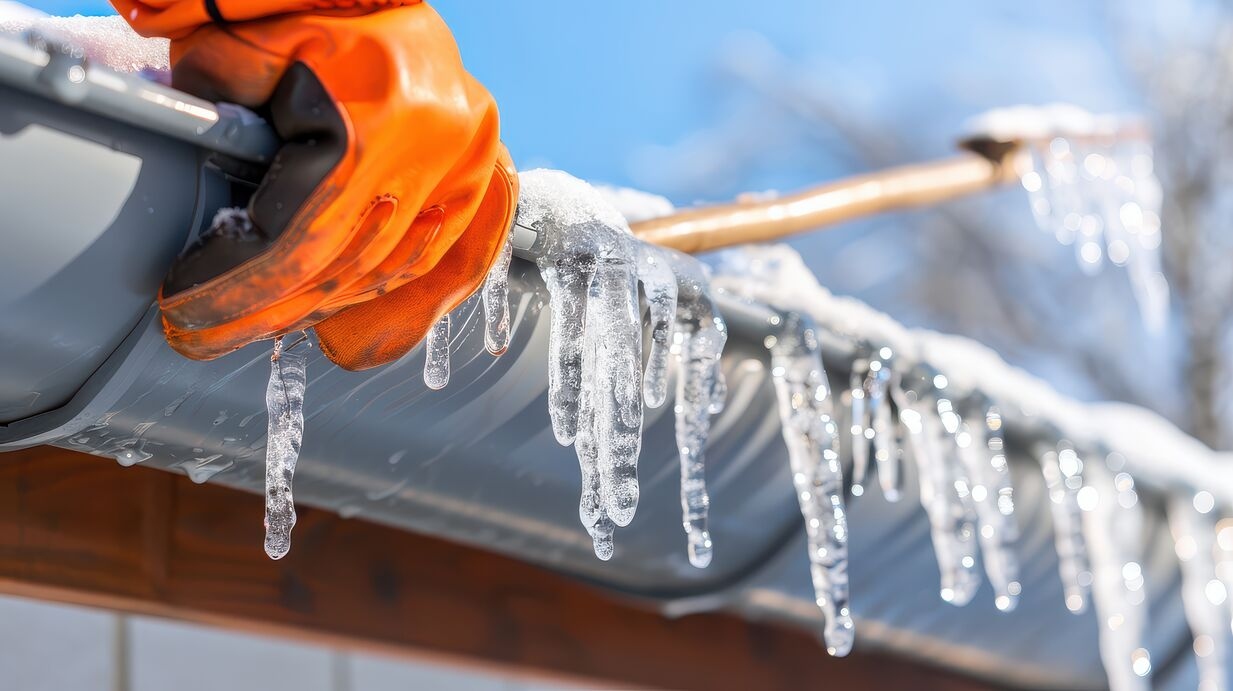
Regular maintenance plays a more significant role in Utah than in most states due to the intensity of winter weather. Even the strongest roof systems can fail prematurely without ongoing care
1. Routine Snow Removal
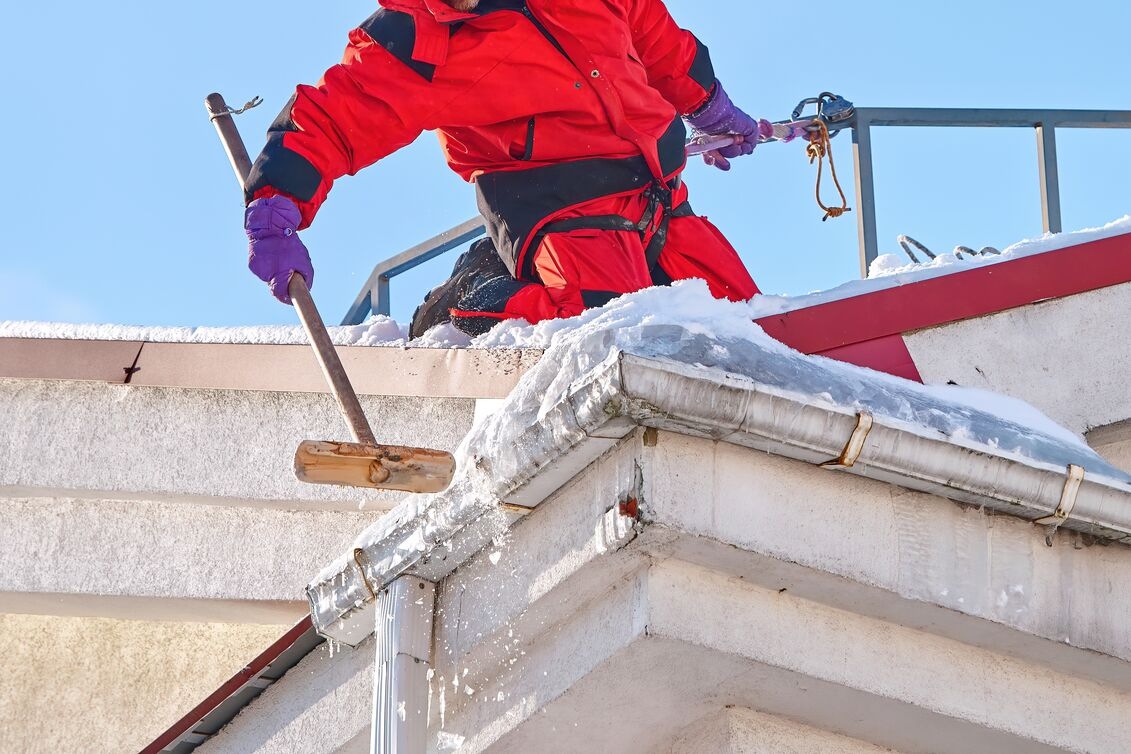
Roofing experts recommend clearing snow when accumulation exceeds:
- 12 inches of typical snow, or
- 6 inches of heavy, wet snow
But snow removal must be done correctly—shovels, ice picks, or improper equipment can puncture membranes. Always hire trained professionals. Improper snow removal can void warranties, making professional service even more important.
2. Ice Dam Prevention
Ice dams form when heat escapes the building and melts snow unevenly. Solutions include:
- Adding insulation
- Ensuring proper roof ventilation
- Using heat trace cables
- Applying coatings for improved waterproofing
Preventing ice dams not only protects your roof but also reduces the risk of interior leaks and ceiling damage.
3. Regular Drainage Inspections
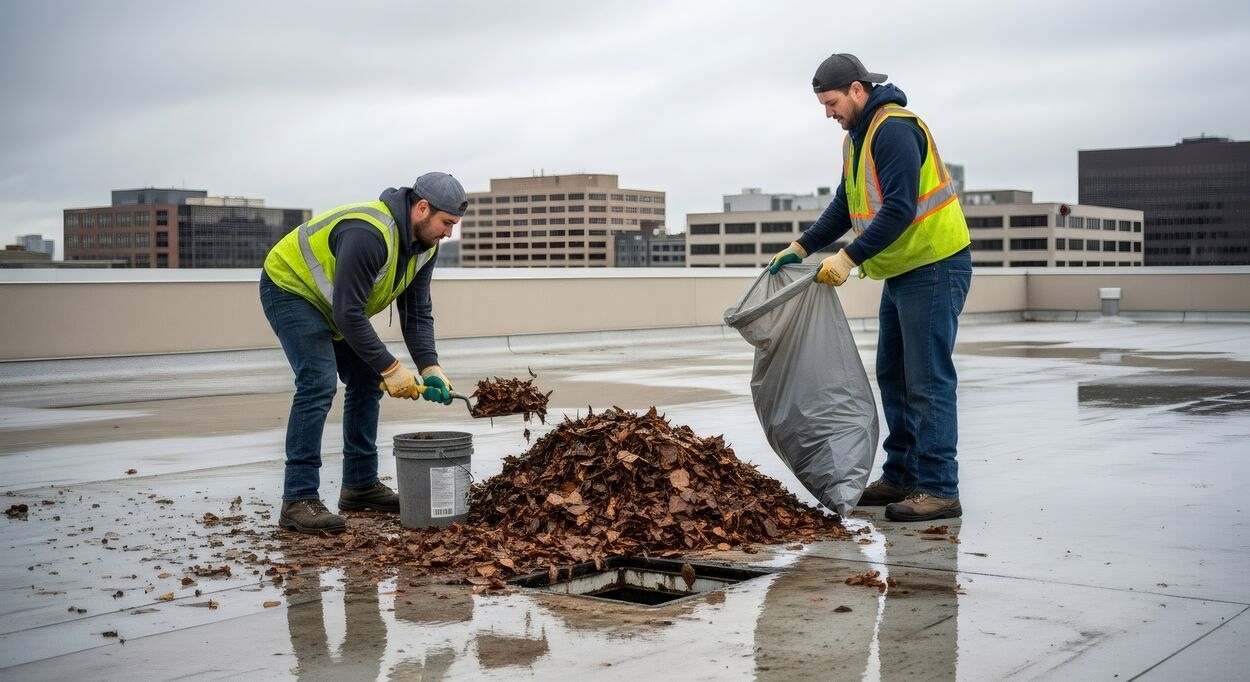
Clearing scuppers, gutters, and internal drains prevents water pooling beneath snowpack, reducing structural load. Blocked drainage can turn a manageable snow load into a severe structural threat.
4. Pre-Winter and Mid-Winter Roof Inspections
Working with commercial roofing experts for regular roof inspections ensures that weak points—such as failing seams, cracked membranes, or structural wear—are identified before snow accumulation causes failure. These inspections also help document existing conditions for insurance protection.
When to Upgrade Your Roof for Snow Load Compliance
It may be time to consider a roof replacement or reinforcement if your building has:
- Recurring ice dams
- Sagging roof sections
- History of leaks during winter
- Outdated or non-compliant load capacity
- Significant aging or membrane deterioration
- Poor insulation or inadequate drainage
Modern roofing assemblies, enhanced insulation, and improved structural engineering can significantly increase snow load resilience. Upgrading early also prevents expensive mid-winter emergencies when repairs are more difficult and costly.
How Commercial Roof Coatings Improve Winter Performance
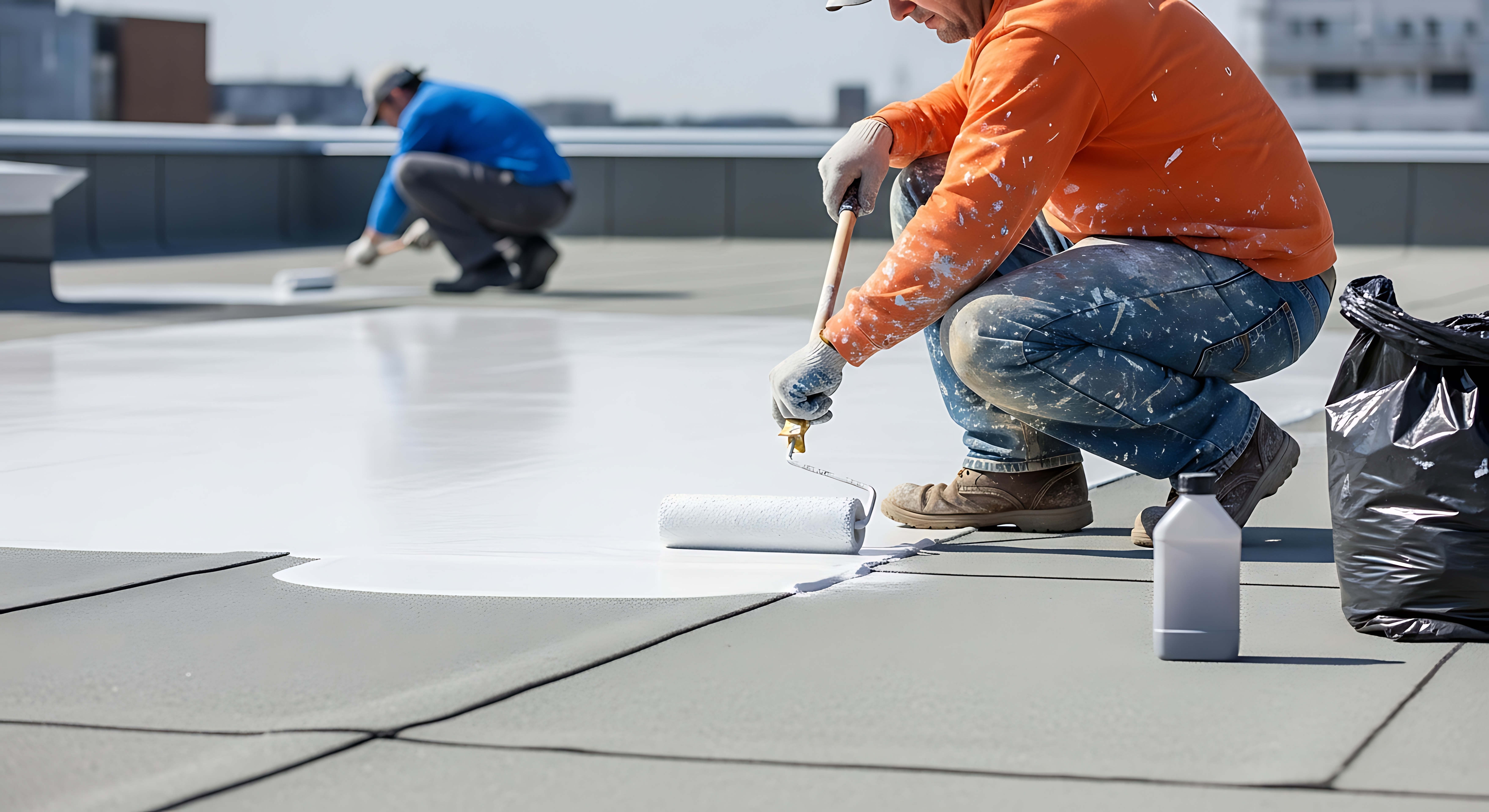
High-performance commercial roof coatings offer several winter advantages:
- Enhanced waterproofing during thaw cycles
- Improved reflectivity, reducing freeze–thaw stress
- Increased membrane flexibility in cold temperatures
- Protection from ice abrasion
- Extended service life for older roofing systems
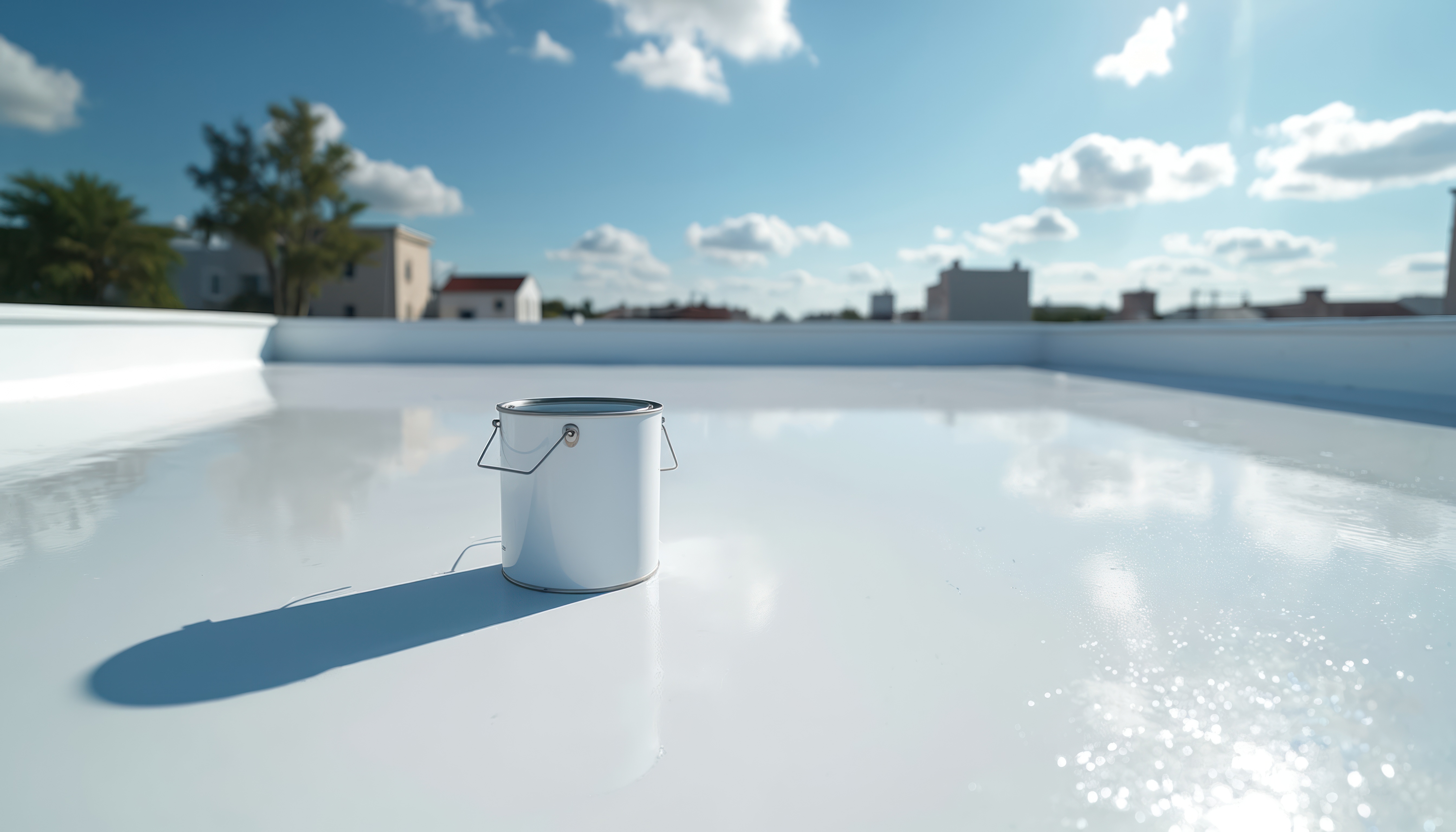
Silicone and elastomeric coatings are particularly effective for commercial roofing in Utah due to their resilience in fluctuating weather. Coatings also provide a cost-effective way to reinforce aging roofs without full replacement.
Why Work With Solameer for Commercial Roofing in Utah
Solameer provides specialized winter-ready roofing solutions designed for Utah’s demanding climate. Our team of commercial roofing experts ensures every system meets or exceeds regional snow load standards. We tailor our solutions to each building’s elevation, structure type, and snow exposure level.
Our services include:
- Snow load assessments
- Professional inspections
- Roof reinforcement solutions
- Commercial roof coatings
- Winter maintenance and emergency repairs
- Complete commercial roof replacements
- Code-compliant installations by certified Utah roofing contractors
We help businesses protect their facilities, avoid winter-related failures, and maintain compliance with local building requirements. With Solameer, you gain a long-term partner committed to your building’s safety and performance.
Prepare Your Roof Now—Before Winter Arrives
Utah’s winter storms can arrive suddenly, and once heavy snow hits, it may already be too late to correct unseen vulnerabilities. Proactive preparation ensures safety, longevity, and cost savings. Early planning also minimizes disruptions to your daily operations during peak winter months. Solameer is here to help your building stay protected all winter long with engineered roofing solutions built for Utah’s climate.
Ready to assess your roof’s snow load readiness? Contact Solameer today for a professional evaluation.
Frequently Asked Questions
What is the snow load for a roof?
Snow load refers to the amount of weight snow and ice place on a roof, measured in pounds per square foot (psf). In Utah, commercial buildings typically require roofs engineered for 30–80 psf, while high-elevation regions may exceed 100 psf. Specific requirements depend on your location and roof design.
Should I worry about roof snow load?
Yes. Heavy snow can lead to sagging, membrane punctures, leaks, or even structural failure if the roof isn’t properly designed or maintained. Businesses using commercial roofing in Utah should be especially vigilant, as dense, moisture-heavy snow is common in the region.
What is the best roof for heavy snow?
Standing seam metal roofing, modified bitumen, and reinforced single-ply systems like TPO and PVC perform exceptionally well in snowy climates. These systems offer strong structural support, good flexibility in cold weather, and excellent waterproofing—especially when enhanced with commercial roof coatings.
How many inches of snow is too heavy for a roof?
Most commercial roofs should be cleared when there is:
- 12 inches of light, powdery snow, or
- 6 inches of wet, heavy snow
Wet snow weighs significantly more and can quickly exceed design capacity, making removal essential for safety.
Can roofers work in the snow?
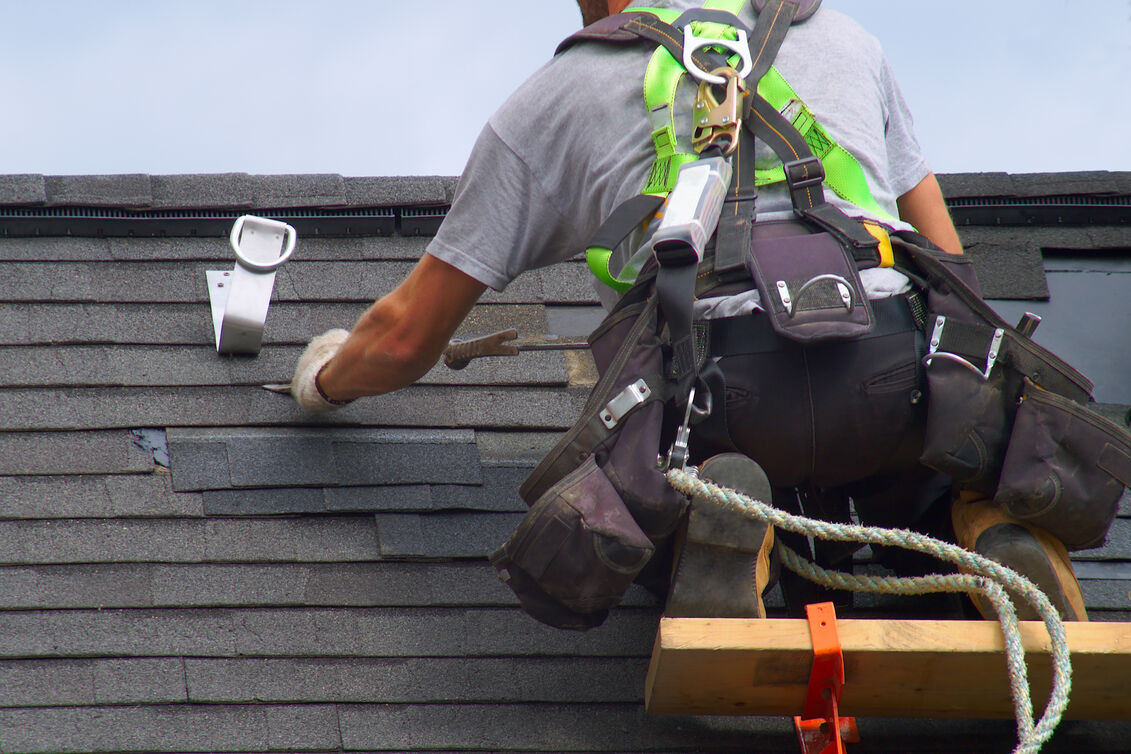
Yes, but only under controlled and safe conditions. Utah roofing contractors may perform emergency repairs or snow removal during winter, but major installation work is typically postponed until conditions improve. Snow and ice can reduce traction and compromise material performance.
Can snow load affect insurance claims?
Absolutely. Insurance companies often investigate whether a roof was properly maintained and compliant with snow load requirements. Lack of routine inspections, ignored damage, or improper snow removal may complicate or reduce claim payouts.
How often should a commercial roof be replaced?
Most commercial roofs last 20–30 years, depending on material, climate, and maintenance frequency. In Utah’s winter-heavy environment, roofs exposed to repeated freeze–thaw cycles may age faster. Regular evaluations from commercial roofing experts help determine when replacement is necessary.
Do roofers need a license in Utah?
Yes. Utah requires roofing contractors to hold a state-issued license to perform commercial roofing work. This ensures compliance with building codes, including snow load standards and safety regulations.
What is the best roofing for a commercial building?
The best system depends on building design and climate, but top options include TPO, PVC, modified bitumen, spray polyurethane foam (SPF), and standing seam metal roofing. In cold regions like Utah, roofs that resist snow load, ice, and thermal movement perform best.
What type of roof coating is best?
Silicone and elastomeric coatings are considered the best commercial roof coatings for Utah climates. They withstand freeze–thaw cycles, provide excellent waterproofing, and maintain flexibility in low temperatures—ideal for extending roof life in snowy regions.


.jpeg)