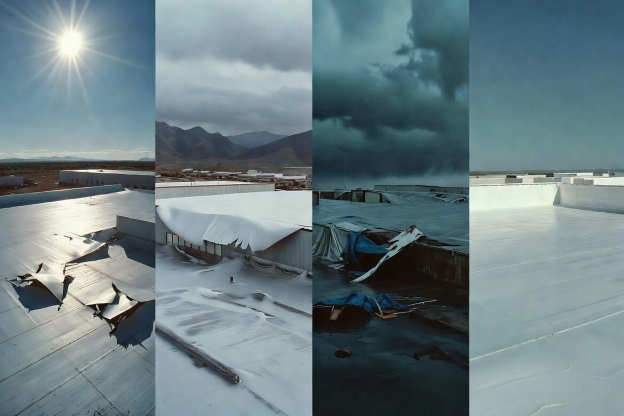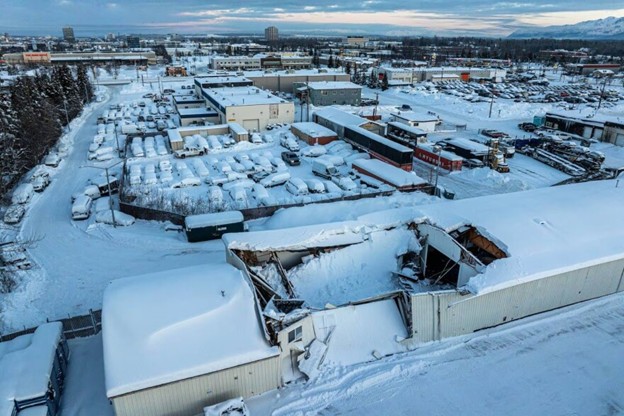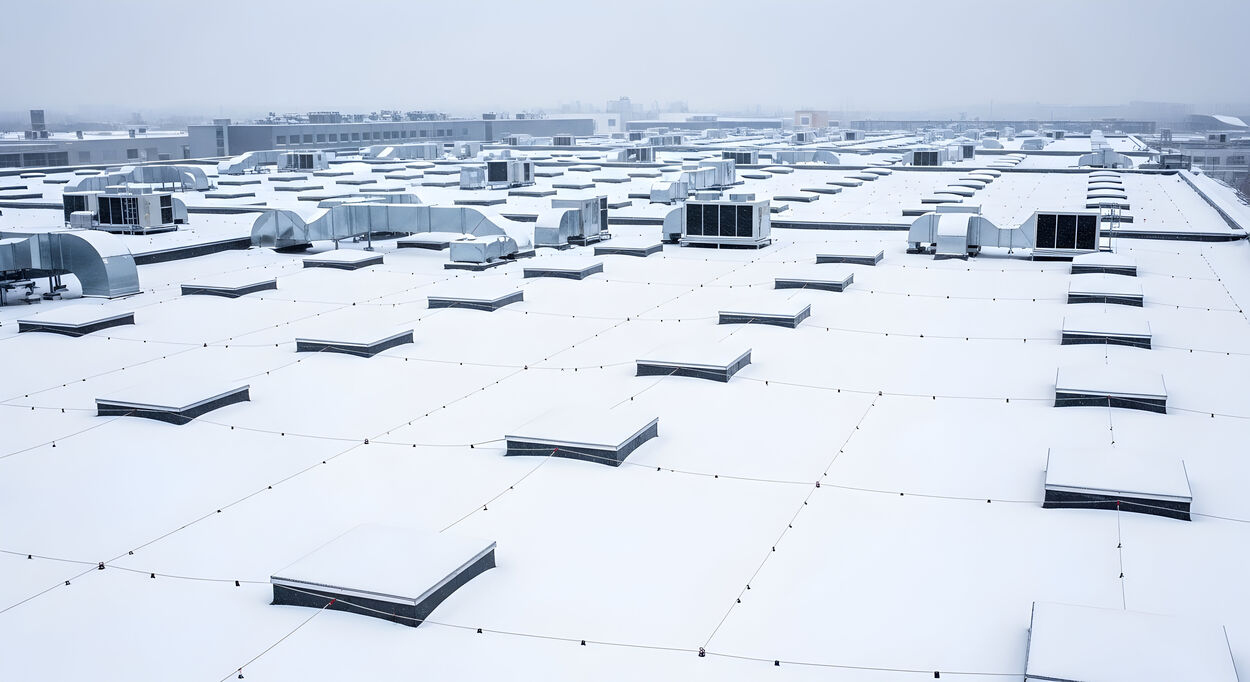
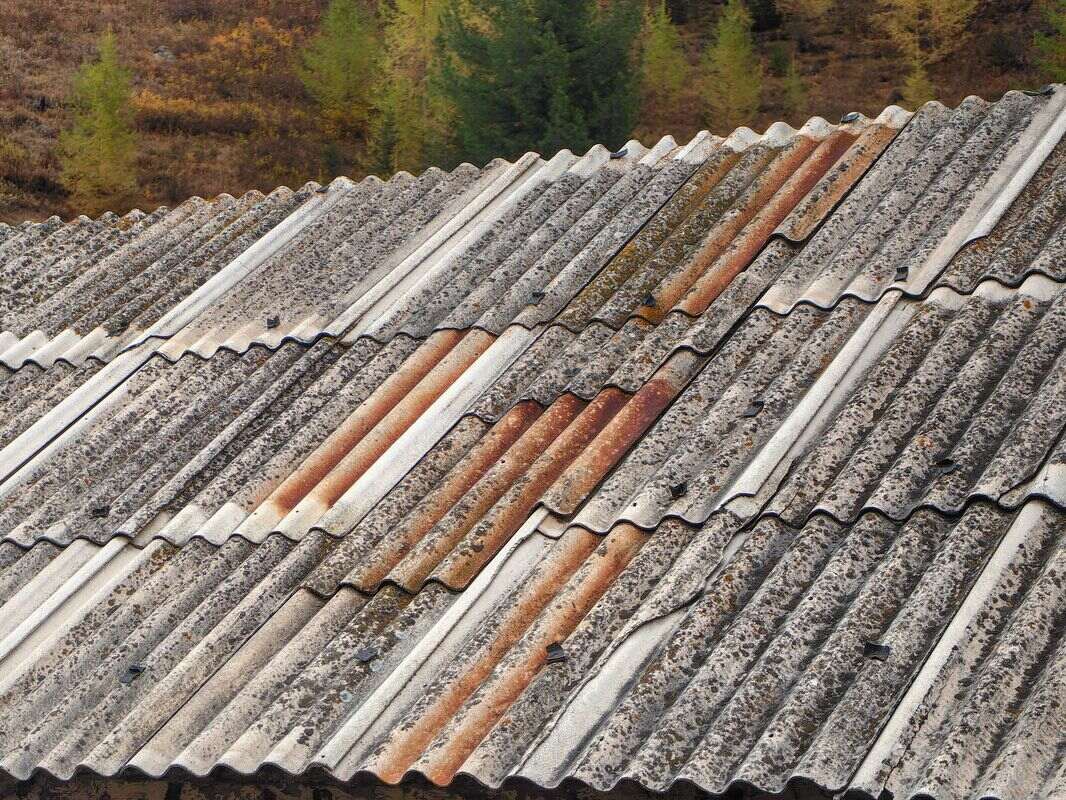

Washington’s cool, rainy climate is one of the most beautiful in the country—but for commercial property owners, it also presents some of the most challenging roofing conditions. Consistent moisture, dense cloud cover, and shaded environments make Washington a prime location for moss, algae, and long-term water damage on rooftops. Whether you operate a facility in Seattle, Tacoma, Spokane, or anywhere along the coast, preventive strategies are essential for extending roof life and maintaining performance.
This guide breaks down how moss develops, why moisture accumulation threatens commercial roofs, and the most effective commercial roofing and waterproofing measures to protect your investment. If you want long-term resilience for commercial roofing in Washington, understanding these risks—and how to prevent them—is key.
See Our Commercial Roofing Services in Washington
Why Moss and Moisture Are Such Serious Threats in Washington
Washington’s roofing challenges differ from those in dry or warm climates for one simple reason: moisture is constant. Even during summer months, humidity and shade can keep rooftops damp long enough for organic growth to thrive. This constant dampness creates ideal conditions for moss to take hold quickly and spread before it is even noticed.
1. Persistent Rain and Humidity Encourage Moss Growth
Moss grows quickly on shaded, moisture-rich surfaces. Once established, it absorbs and holds water like a sponge, keeping roof materials wet much longer than rainfall alone would. This prolonged moisture accelerates deterioration and can shorten the lifespan of essential roofing components. Over time, these waterlogged areas can weaken the roof structure and increase the likelihood of leaks.
2. Moisture Compromises Roof Membranes
Commercial membranes—such as TPO, PVC, or modified bitumen—can weaken over time when exposed to continuous dampness. Water can infiltrate seams, collect beneath the membrane, and degrade insulation layers if not addressed early. Unchecked moisture also promotes mold growth, which can further compromise insulation and indoor air quality.
3. Reduced Drainage Efficiency
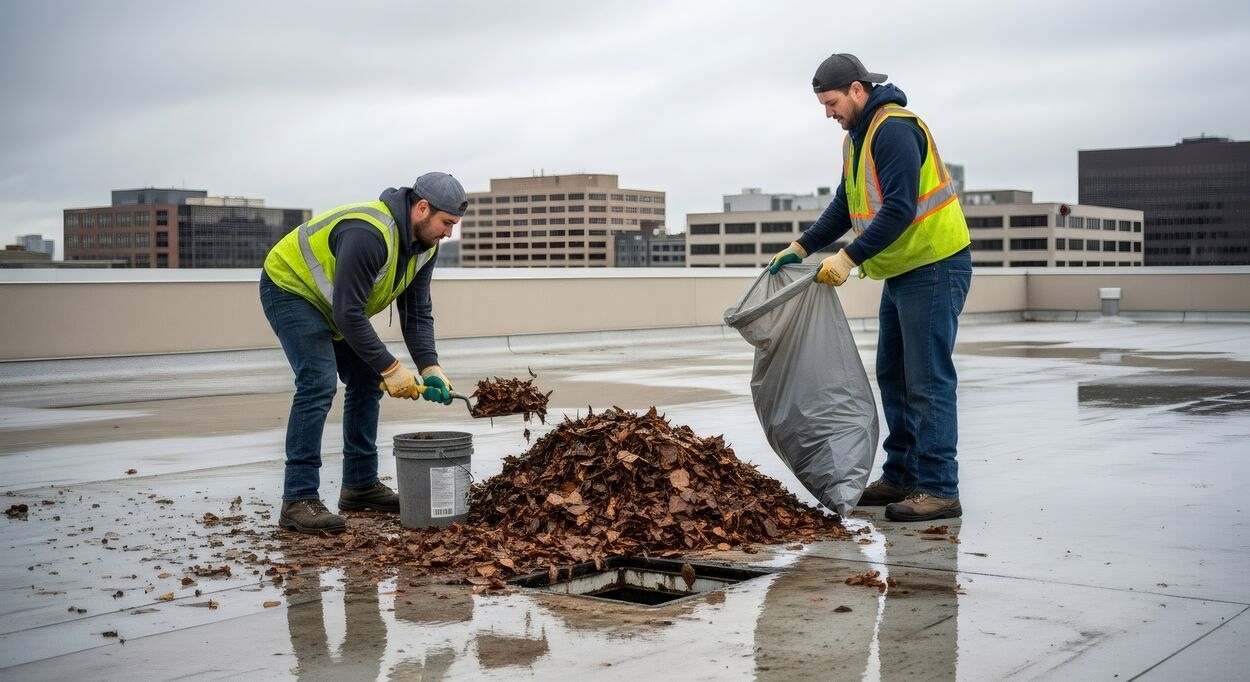
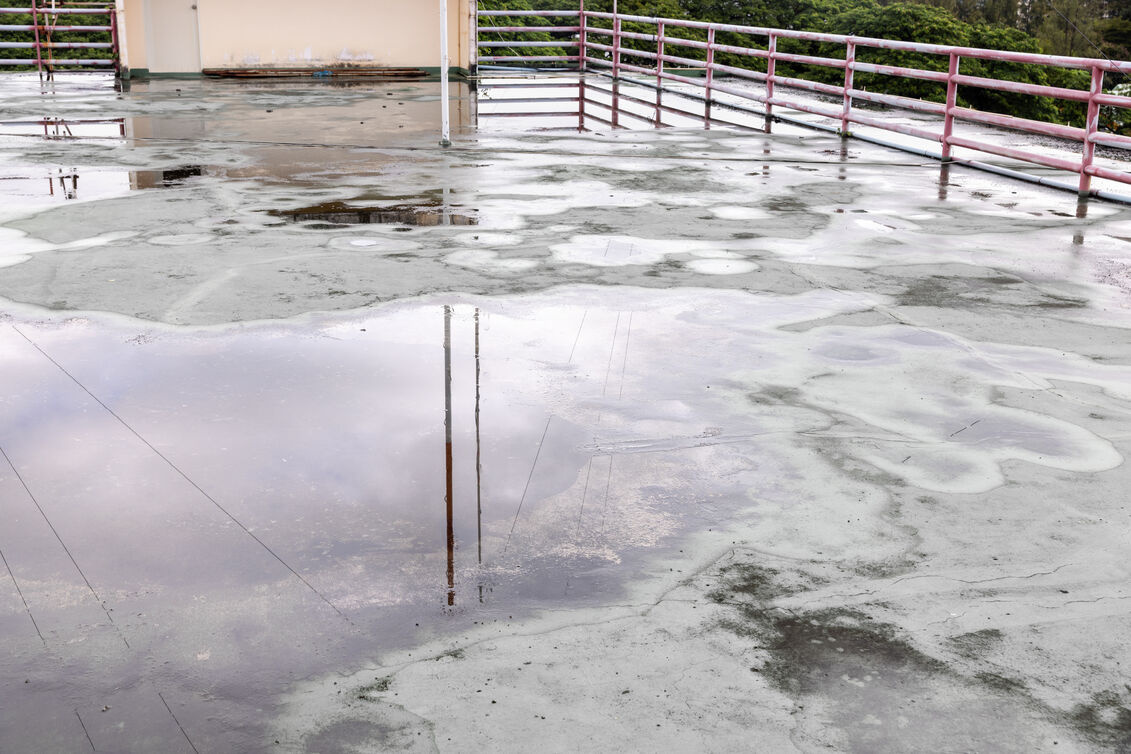
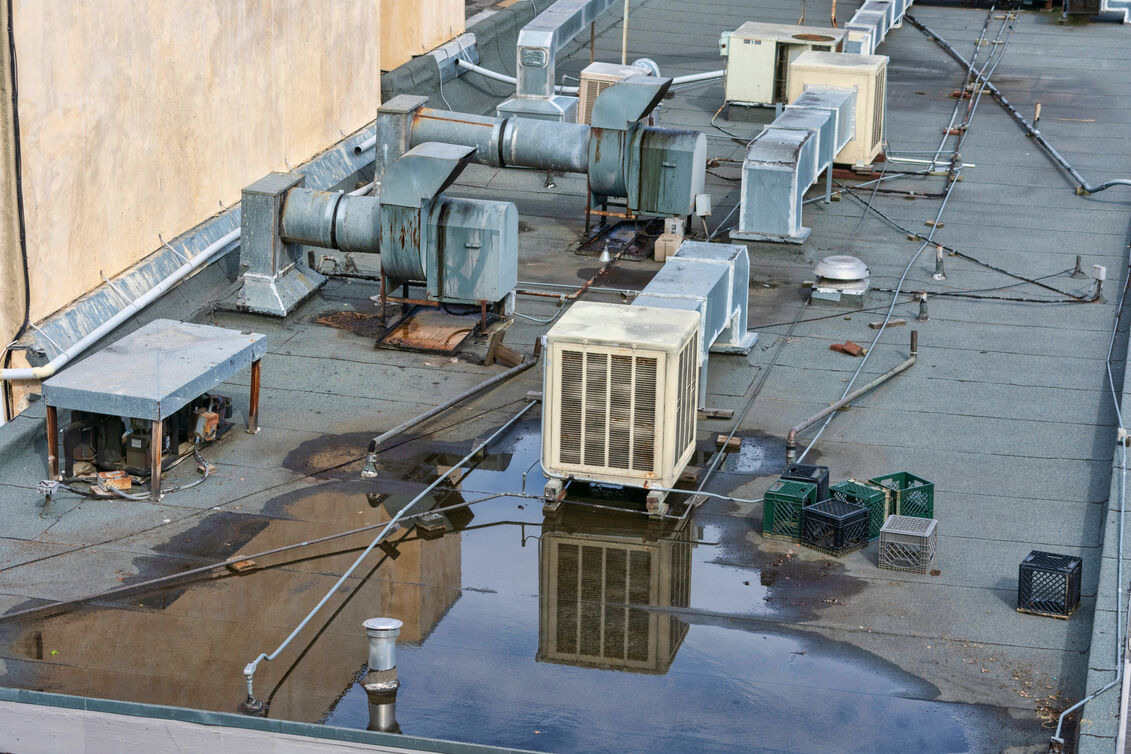
Moss and algae accumulate around drains, scuppers, and gutters, forming blockages that prevent water from flowing off the roof. For flat or low-slope roofing in Washington, this is especially problematic because ponding water can quickly lead to structural damage. Blocked drainage significantly accelerates membrane wear and increases repair frequency.
4. Hidden Leaks Are More Common
In a damp climate, water staining or mold may develop beneath the roof long before obvious leaks become visible. Routine monitoring and proper commercial roof maintenance are crucial to detecting damage early. Early detection not only reduces repair costs but also helps businesses avoid operational disruptions.
How Moss Damages Commercial Roofs Over Time
Moss may appear harmless, but its impact is far-reaching. Understanding how it damages roof systems helps illustrate why regular maintenance is not optional.
Moisture Retention
Moss absorbs and retains water, increasing the weight on the roof and raising the risk of membrane deterioration and substrate rot. This can be especially dangerous for older roofs that already have weakened structures.
Membrane Uplift and Separation
As moss spreads, it can grow beneath roofing materials, lifting edges and breaking down adhesives—compromising the roof’s waterproofing capabilities. Once this separation begins, water intrusion becomes much easier and more severe.
Surface Abrasion
As moss dries and rehydrates repeatedly, it can scour the membrane surface, wearing down protective coatings. Over time, this abrasion leads to premature aging and brittleness of the roofing material.
Clogged Drainage Paths
Debris and organic matter accumulate around growth areas, creating ponding that weakens the membrane faster and increases leak risk. Even a thin layer of buildup can dramatically slow drainage during Washington’s heavy rain events.
Moss is more than a cosmetic issue—it directly affects the structural integrity of commercial roofing in Washington.
Essential Commercial Roof Maintenance Strategies for Preventing Moss
Preventing moss is far easier—and more cost-effective—than repairing damage after the fact. Implement these proven strategies to protect your roof year-round.
1. Schedule Regular Roof Inspections
In Washington, roof inspections should be performed at least twice per year, plus after major storms. Professional inspectors look for:
- Early moss or algae growth
- Standing water or slow drainage
- Membrane discoloration
- Soft spots or deteriorating insulation
- Gutter or scupper blockages
Routine monitoring supports long-term performance and ensures compliant commercial roofing and waterproofing. Consistent inspections help businesses stay ahead of issues before they escalate into costly repairs.
2. Perform Preventative Roof Cleaning
Gentle cleaning methods remove moss before it spreads. Techniques may include:
- Soft washing with roof-safe moss treatments
- Manual removal of debris or organic buildup
- Low-pressure rinsing to protect membrane integrity
Avoid high-pressure washing, which can damage commercial roofing materials. A tailored cleaning schedule—based on climate and roof type—keeps growth under control.
3. Improve Drainage Systems
Good drainage is one of the most effective defenses against moisture-related damage.
Enhancements may include:
- Installing larger scuppers or additional drains
- Adding tapered insulation to improve slope
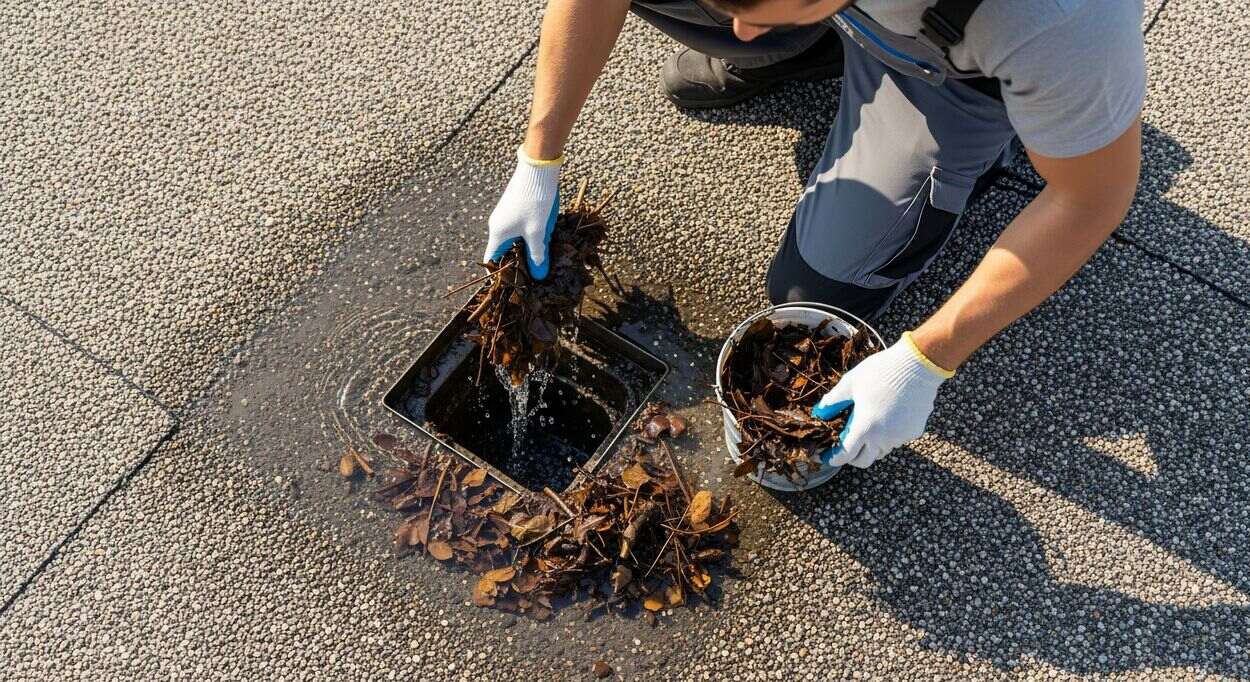
- Clearing gutters and downspouts regularly
- Using drain protectors to prevent clogs
Better drainage improves both water control and moss prevention across flat and low-slope roofs. Well-designed drainage systems significantly extend the lifespan of roofing components.
4. Trim Overhanging Trees
Shaded, tree-covered roofs remain damp much longer than sun-exposed roofs. Reducing overhanging branches increases airflow and sunlight, limiting moss growth conditions. This also helps prevent leaves and debris from accumulating on the roof surface.
5. Apply Algae- and Moss-Resistant Roof Treatments
Specialized roof treatments and protective coatings inhibit growth long-term. These coatings:
- Create a less hospitable environment for moss and algae
- Improve UV and water resistance
- Extend the lifecycle of the roof membrane
This is especially effective for older roofs that need added moisture protection. These treatments provide an extra layer of security between maintenance visits.
6. Upgrade to Moisture-Resistant Roofing Materials
Facility managers often upgrade their systems to better withstand Washington’s climate. Options may include:
- PVC or TPO membranes with enhanced waterproofing
- Modified bitumen with moisture-resistant surfacing
- Roof coatings that improve water shedding and protect dried-out materials
If your roofing system shows signs of aging, an upgrade may be the best path toward long-term resilience. Modern systems are engineered to handle persistent moisture more effectively than older installations.
Commercial Roofing and Waterproofing Solutions for Washington Properties
.jpeg)
Waterproofing is essential for a climate like Washington’s. When paired with consistent maintenance, these solutions significantly reduce the risks of moisture penetration and organic growth.
High-Performance Roof Coatings
Elastomeric or silicone coatings create a protective barrier that enhances waterproofing and reduces surface moisture retention. They also seal minor imperfections and extend roof lifespan. These coatings can be customized to fit the unique needs of Washington’s weather patterns.
Waterproof Membrane Reinforcements
Adding additional membrane layers, cover boards, or reinforced flashing systems strengthens the roof’s moisture defenses and decreases vulnerability around penetrations. This is particularly effective for older roofs that have already experienced wear.
Vapor Barriers and Insulation Improvements
Upgrading insulation and installing vapor barriers help combat condensation—a common but often overlooked source of moisture damage on commercial roofs in Washington. These upgrades also improve energy efficiency, reducing indoor humidity issues.
Signs Your Commercial Roof Has Moss or Moisture Damage
Early detection prevents small issues from becoming major repairs. Look for:
- Green or dark patches forming on the membrane
- Soft or spongy areas underfoot
- Persistent ponding water
- Blocked drains or slow drainage
- Peeling or lifted membrane edges
- Musty smells or interior moisture stains
If you spot any of these signs, schedule a professional assessment immediately. The sooner problems are addressed, the easier—and less costly—they are to solve.
Why Work With Solameer for Roofing in Washington?
Solameer specializes in commercial roofing in Washington, delivering long-lasting solutions that address moss, moisture, and regional climate challenges. Our team understands the unique demands of Washington’s rainy environment and provides comprehensive services to keep your roof performing at its best.
We offer:
- Preventative commercial roof maintenance programs
- Professional moss and moisture inspections
- Waterproofing upgrades and leak prevention
- Roof coating and membrane reinforcement
- Long-term maintenance planning
- Emergency repair services
Whether your goal is to restore an aging roof or prevent future moisture issues, we create tailored strategies designed for the Pacific Northwest.
Protect Your Commercial Roof Before Moss Takes Hold
Moisture and moss don’t have to shorten your roof’s lifespan. With the right maintenance, waterproofing upgrades, and expert guidance, your commercial roof can withstand Washington’s demanding climate for decades. Solameer is here to help you stay ahead of environmental challenges and ensure long-term roof performance.
Ready to protect your roof from moss and moisture damage? Contact Solameer today for a professional assessment.
Frequently Asked Questions
How often should a commercial roof be inspected?
Commercial roofs should be inspected at least twice per year—typically in the spring and fall—as well as after major storms. In Washington’s wet climate, more frequent inspections may be recommended to monitor moss growth, drainage performance, and moisture intrusion.
What kind of maintenance does a roof need?
Routine commercial roof maintenance includes clearing debris, cleaning drains, removing moss or algae, checking seams and flashing, repairing small punctures, and inspecting the membrane for early signs of wear. Proactive care helps prevent water damage and extends roof lifespan.
What is the best roof waterproofing method?
The most effective waterproofing method depends on roof type, but common high-performance solutions include silicone or elastomeric coatings, fully adhered single-ply membranes (TPO/PVC), and reinforced flashing systems. These create a seamless barrier that resists standing water and moisture intrusion.
How much is roof waterproofing?
Commercial roof waterproofing typically costs $1.50 to $8 per square foot, depending on whether the project involves coatings, membrane reinforcement, flashing upgrades, or a combination of treatments.
What material is 100% waterproof?
No roofing material is 100% waterproof in every condition, but PVC, TPO, silicone coatings, and spray polyurethane foam (SPF) are among the most waterproof commercial roofing and waterproofing options due to their seamless or heat-welded designs.
Is it worth removing moss from a roof?
Yes—removing moss is essential. Moss traps moisture, weakens roof membranes, clogs drainage systems, and accelerates roof deterioration. Early removal helps prevent leaks and costly structural repairs.
How to get rid of moss on a roof?
Moss can be removed through soft washing, manual brushing, or applying approved moss treatments designed for commercial roofing systems. Avoid pressure washing, as it can damage membranes. Professional cleaning is often recommended for safety and effectiveness.
What do professionals use to kill moss?
Roofing professionals typically use commercial-grade moss control solutions, such as zinc sulfate, potassium salts, or biodegradable, roof-safe moss treatments. These products kill existing growth and help prevent future regrowth without harming the roofing membrane.
Will insurance cover water damage on a roof?
Insurance may cover sudden or accidental water damage—such as leaks from storms or unexpected system failures. However, damage caused by neglect, untreated moss, or lack of regular commercial roof maintenance is often excluded. Routine inspections help support valid claims.