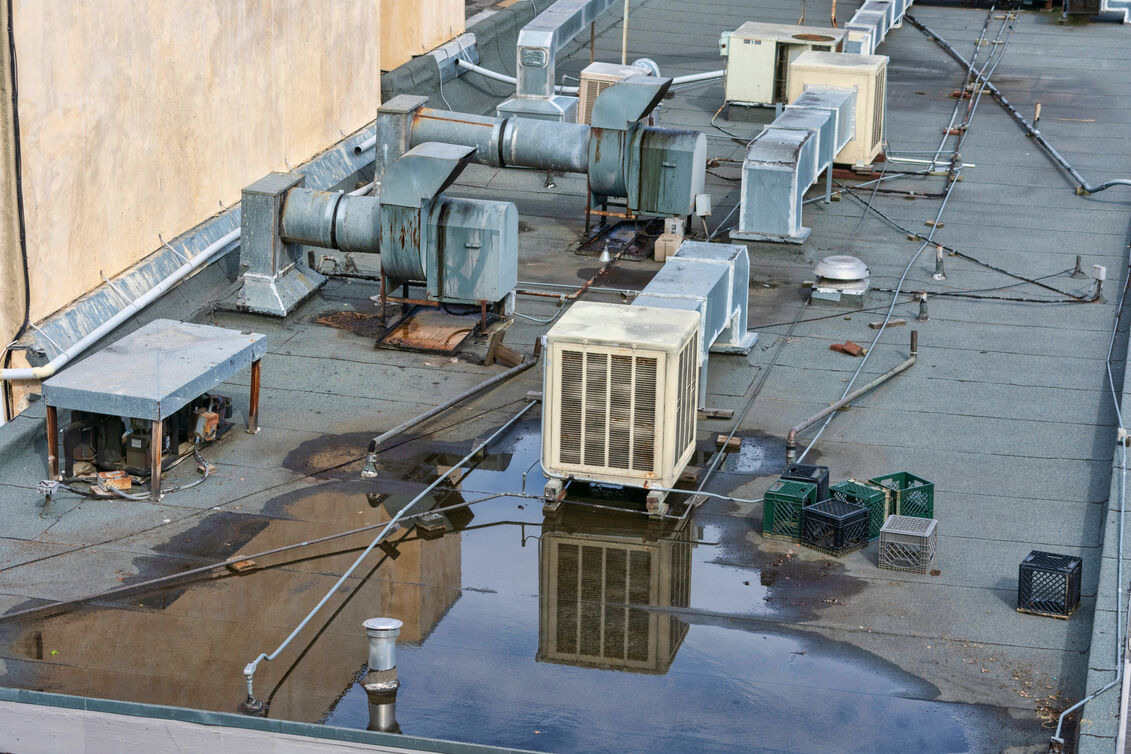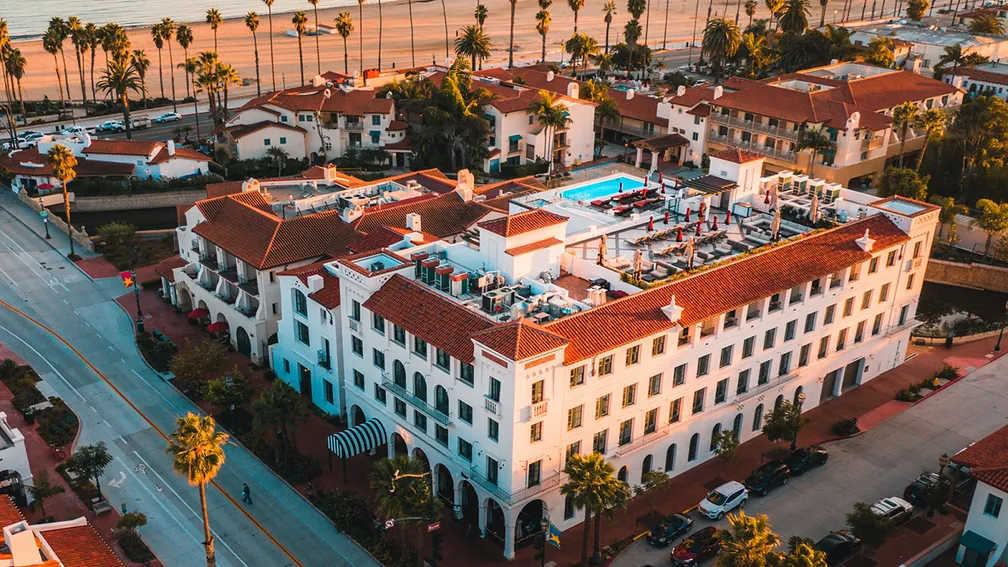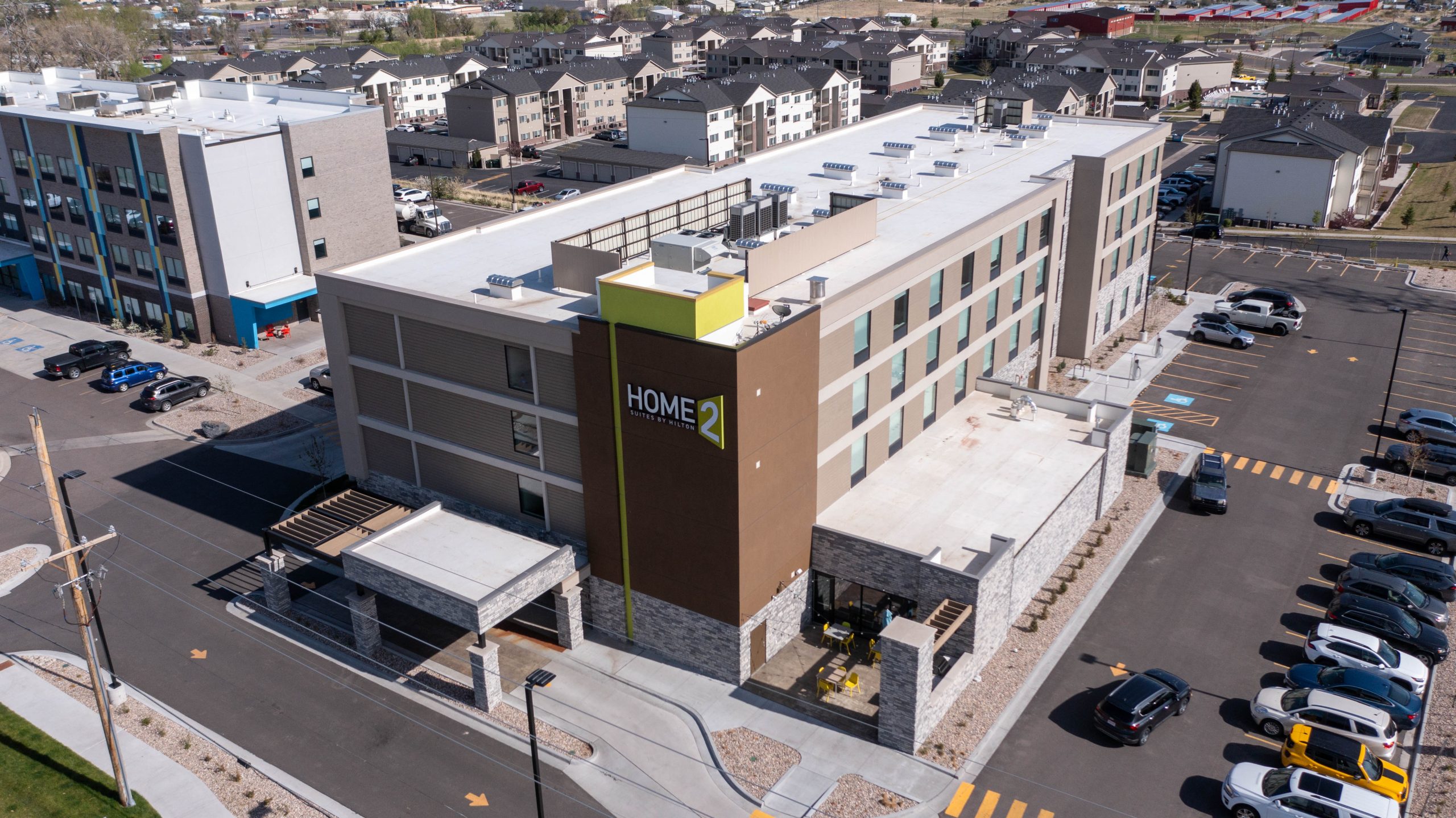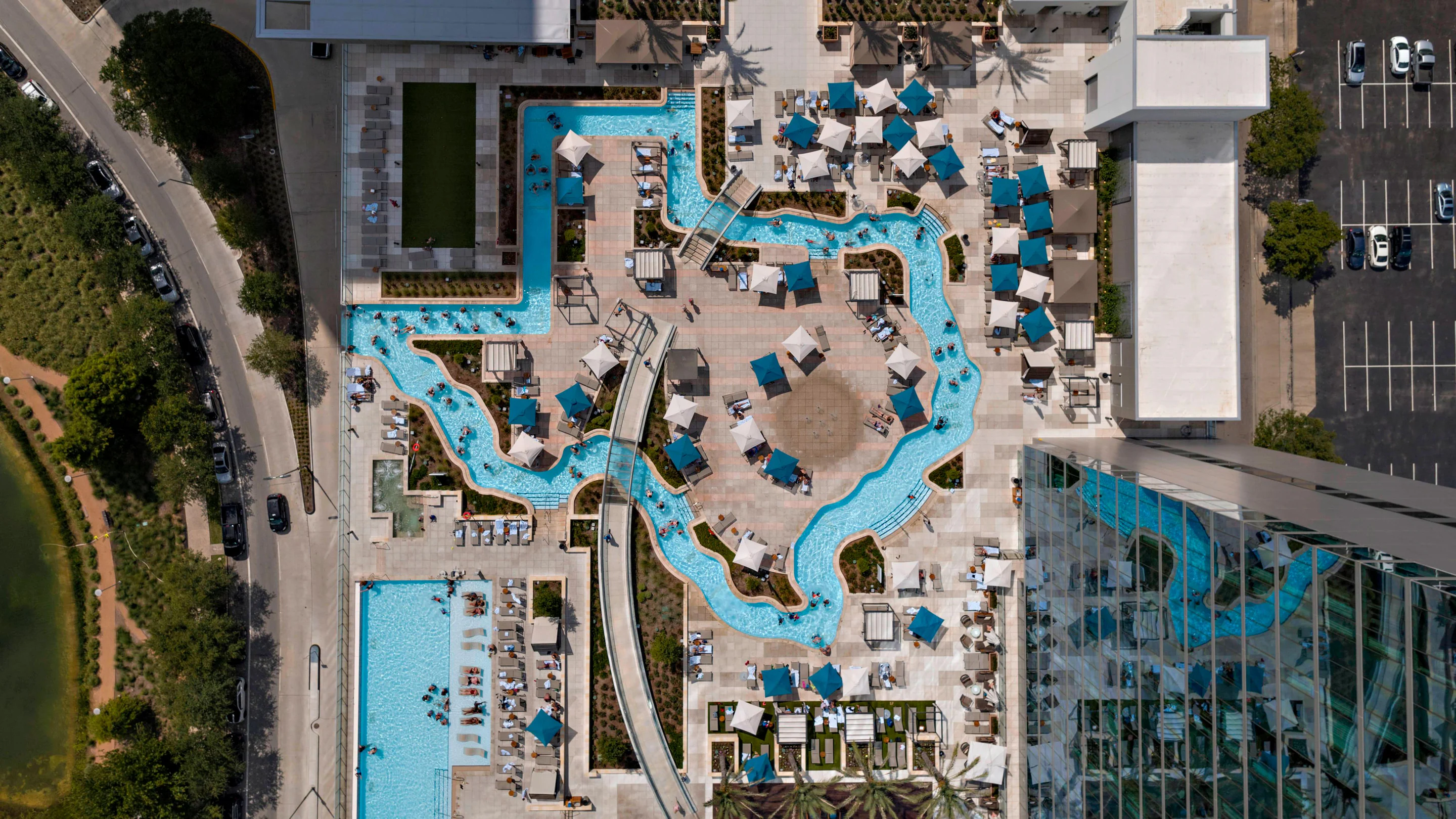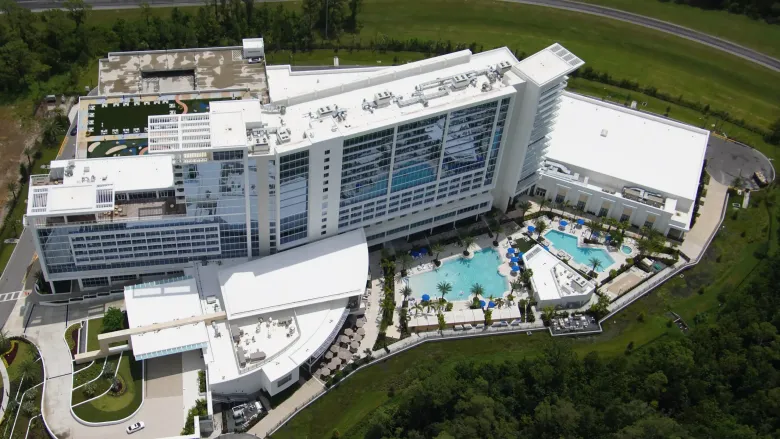

Commercial roofing systems are designed to protect valuable assets, maintain structural integrity, and support long-term operational efficiency. However, one of the most important—and often overlooked—factors affecting commercial roof lifespan is climate.
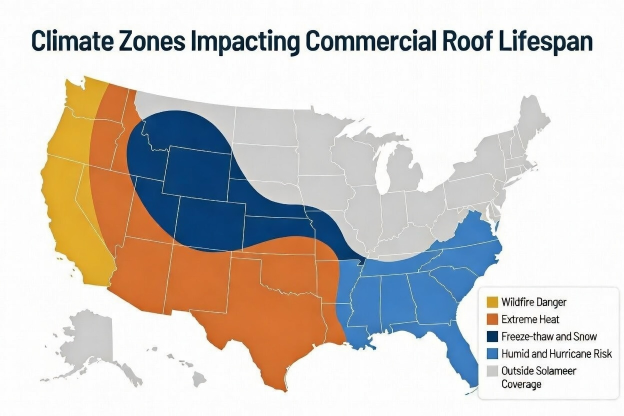
Different regions expose commercial roofs to dramatically different environmental stressors. From extreme heat in Texas and California to freeze-thaw cycles in Utah and Colorado, hurricane-force winds in Florida, and moisture-heavy environments along coastal regions, climate plays a critical role in determining how long commercial roofing systems last.
For commercial property owners, facility managers, and real estate investors, understanding how climate impacts commercial roof lifespan is essential for lifecycle planning, budgeting, and selecting the right roofing system. Whether managing a warehouse in Dallas, an office building in Salt Lake City, or a commercial facility in Miami, climate-specific roofing strategies significantly influence long-term performance and replacement timelines.
Schedule a commercial roof lifecycle assessment:
Request a Commercial Roof Evaluation →
Why Climate Is the Most Important Factor Affecting Commercial Roof Lifespan
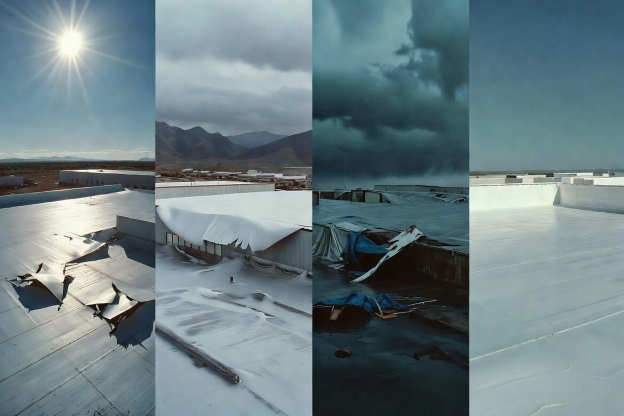
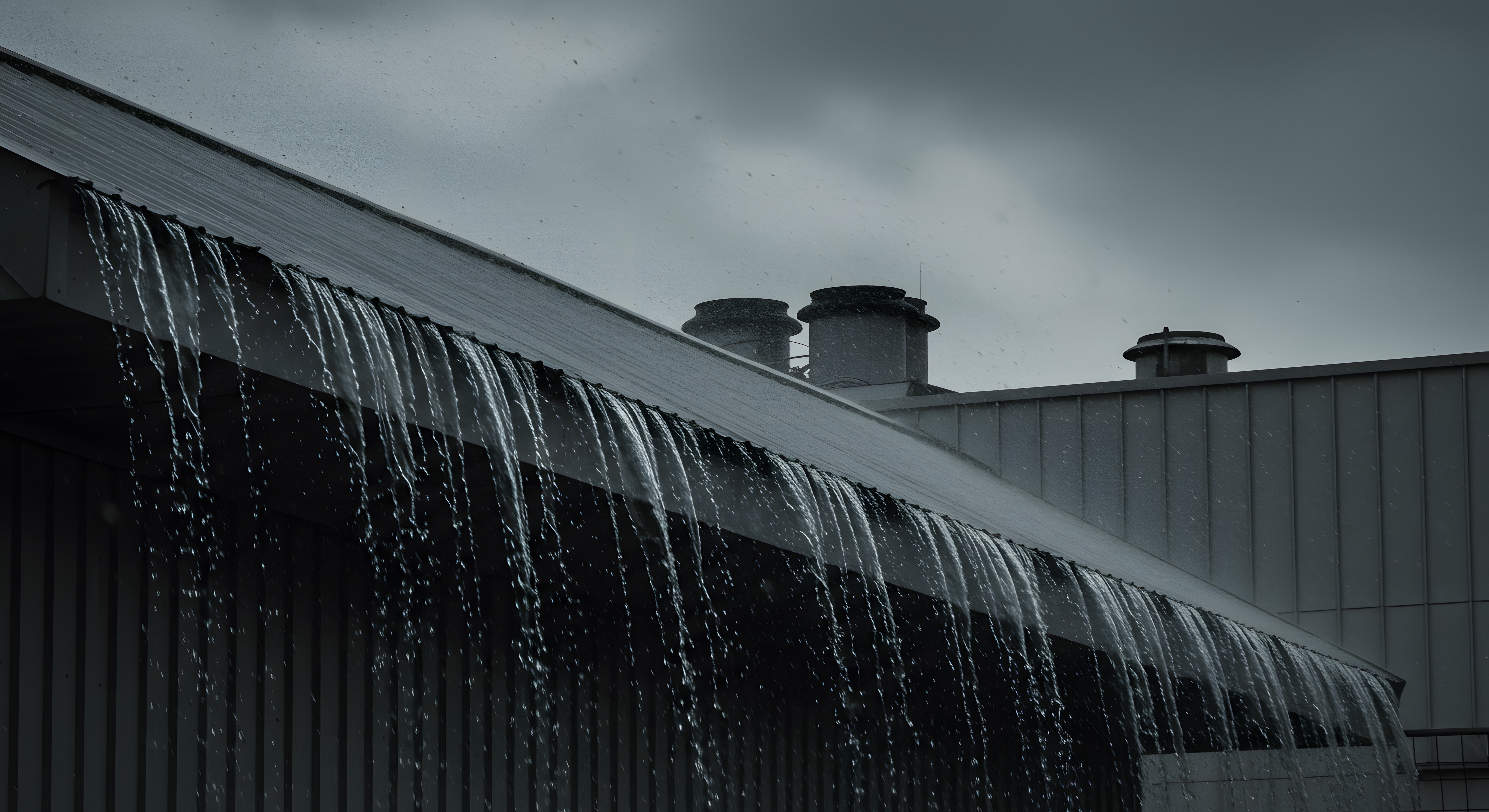
Commercial roofs experience constant exposure to environmental conditions. Over time, climate-driven stress accelerates material aging and structural fatigue.
Major environmental factors that affect commercial roofing lifespan include:
- Temperature extremes
- UV radiation exposure
- Moisture and humidity
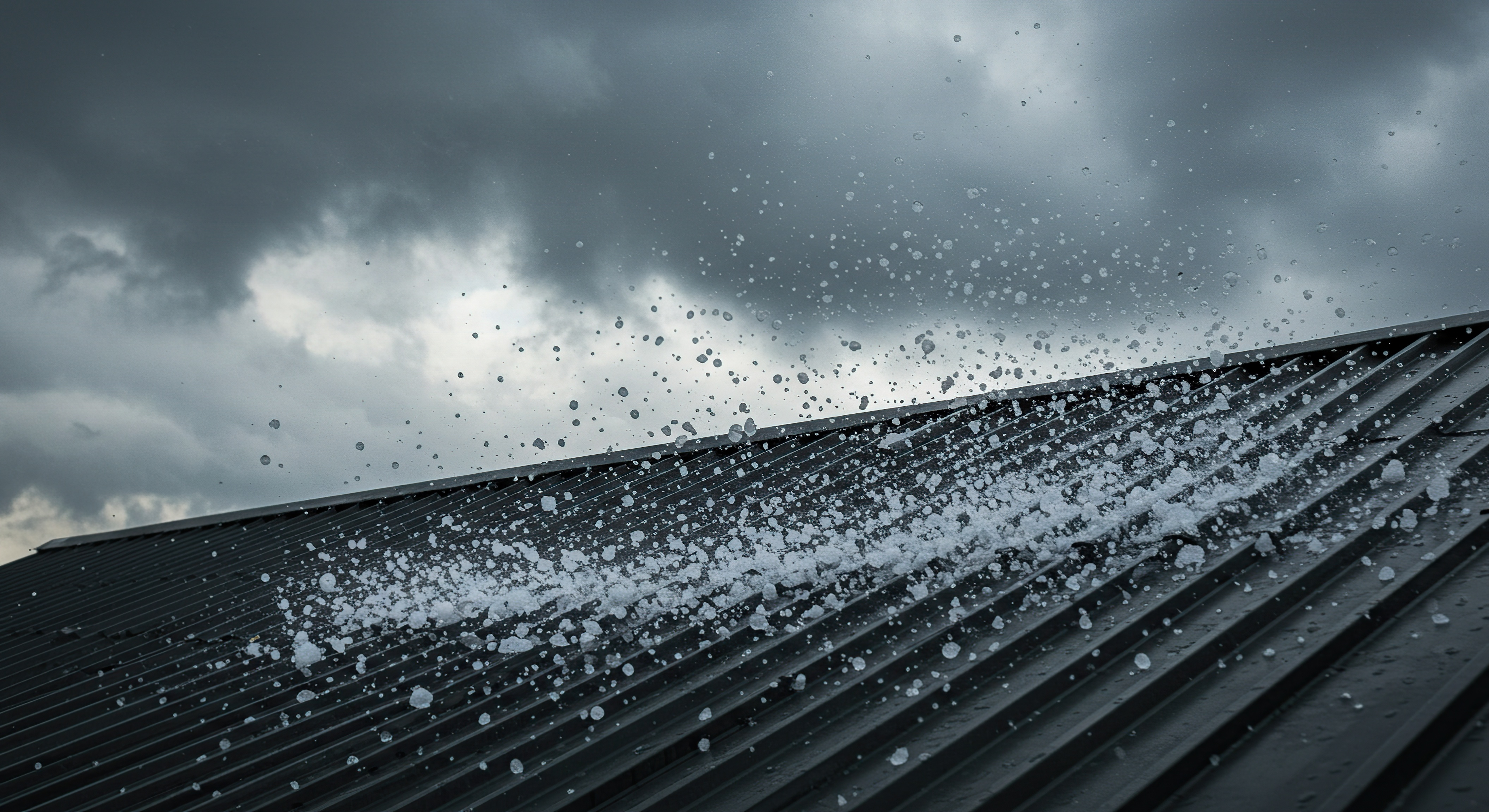
- Wind and storm exposure
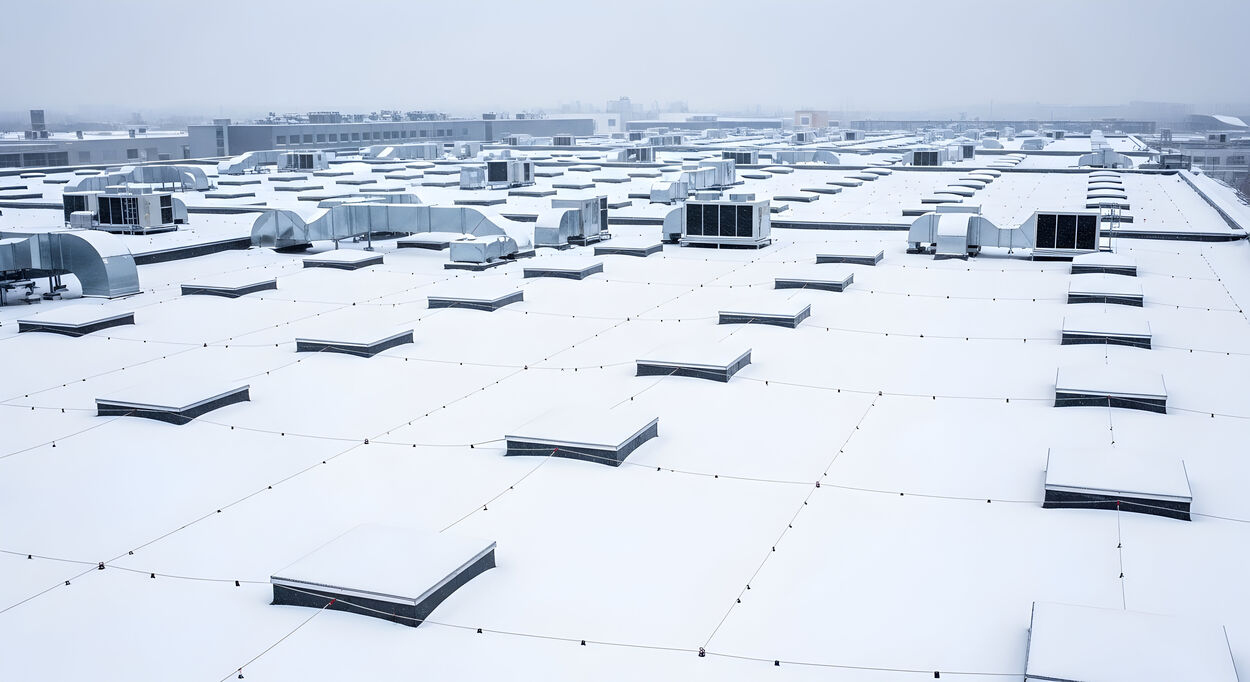
- Snow and ice accumulation
- Thermal expansion and contraction
These forces gradually weaken roofing materials, increase maintenance requirements, and ultimately determine replacement timelines. Climate is often the primary reason commercial roofs fail prematurely—even when installation quality is high.
Commercial Roof Lifespan in Extreme Heat and High UV Climates (Texas, California, Southwest)
Extreme heat and intense UV exposure significantly accelerate commercial roofing deterioration.
Regions affected include:
- Texas (Dallas, Houston, Austin, San Antonio)
- California (Los Angeles, Sacramento, Inland Empire)
- Arizona and Southwest regions
How Heat and UV Exposure Damage Commercial Roofs
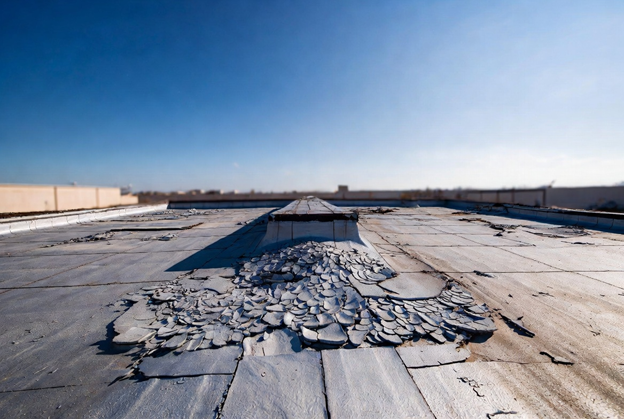
High temperatures and UV radiation cause roofing materials to degrade faster.
Common heat-related damage includes:
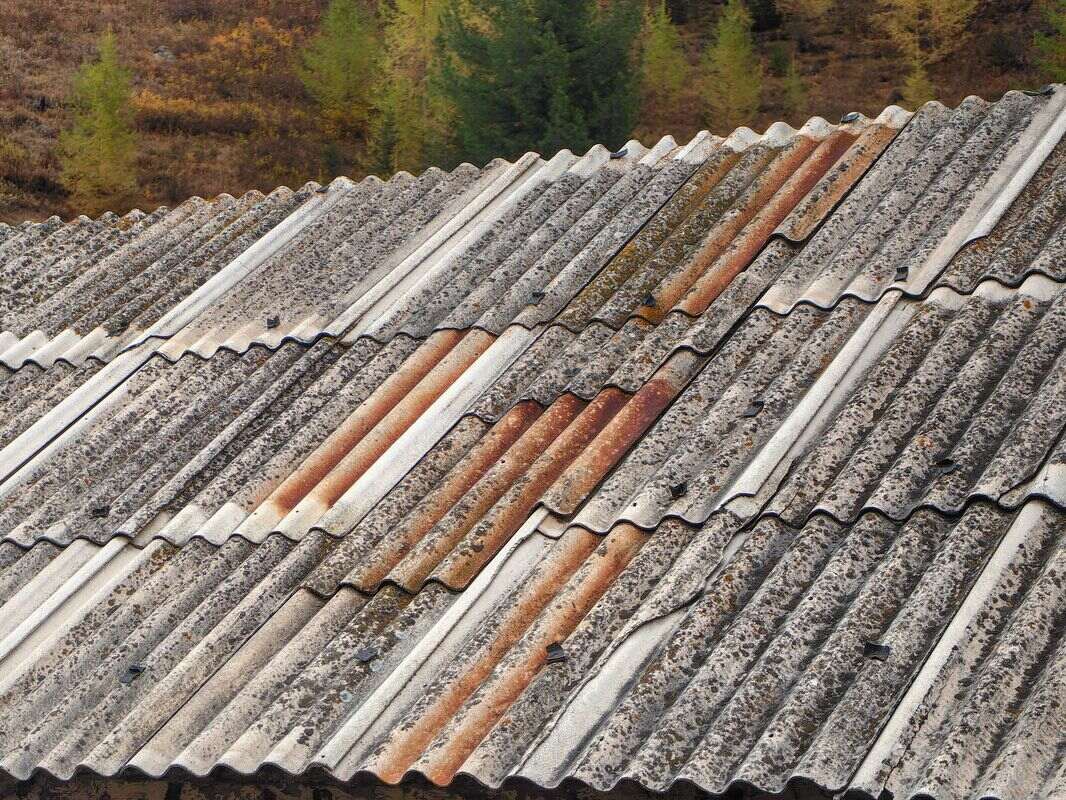
- Membrane brittleness
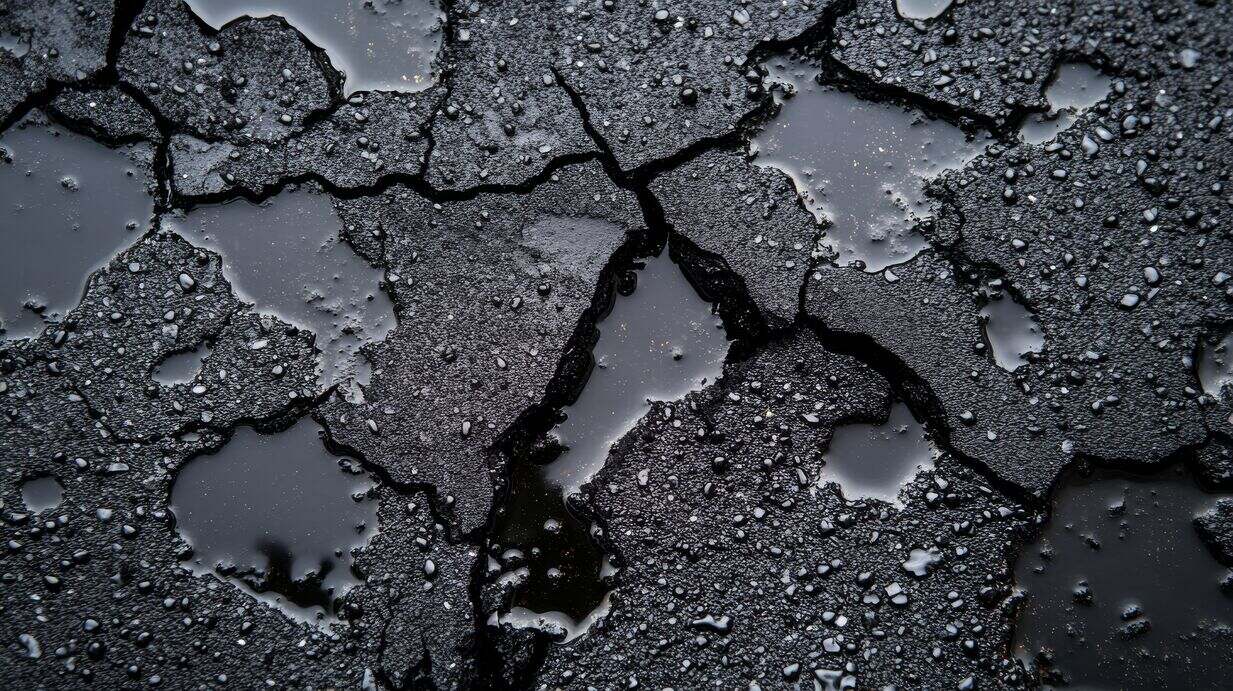
- Surface cracking
- Seam separation
- Accelerated material aging
- Reduced waterproofing effectiveness
UV radiation breaks down roofing materials at a molecular level, weakening structural integrity over time. Flat commercial roofs are particularly vulnerable due to direct solar exposure.
Commercial Roof Lifespan in Heat-Dominant Climates
Typical lifespan ranges:
- TPO roofing: 15–25 years
- PVC roofing: 20–30 years
- Metal roofing: 30–50 years
- Modified bitumen: 15–25 years
- SPF roofing: 20–30 years
Reflective roofing systems significantly extend lifespan in heat-dominant environments.
Commercial Roof Maintenance Best Practices for Heat and UV Climates
Extreme heat and UV exposure accelerate roofing material deterioration, making regular maintenance essential for commercial roofing systems in Texas, California, and other hot-climate regions.
Recommended Inspection Frequency
Commercial roofs in extreme heat climates should be professionally inspected:
- Twice per year (spring and fall)
- After major storms
- During peak summer months for high-risk buildings
UV damage often progresses gradually, making regular inspection critical for early detection.
What Property Managers Can Monitor Internally
Facility and maintenance teams should routinely check for:
- Visible membrane cracking or brittleness
- Sealant deterioration around penetrations
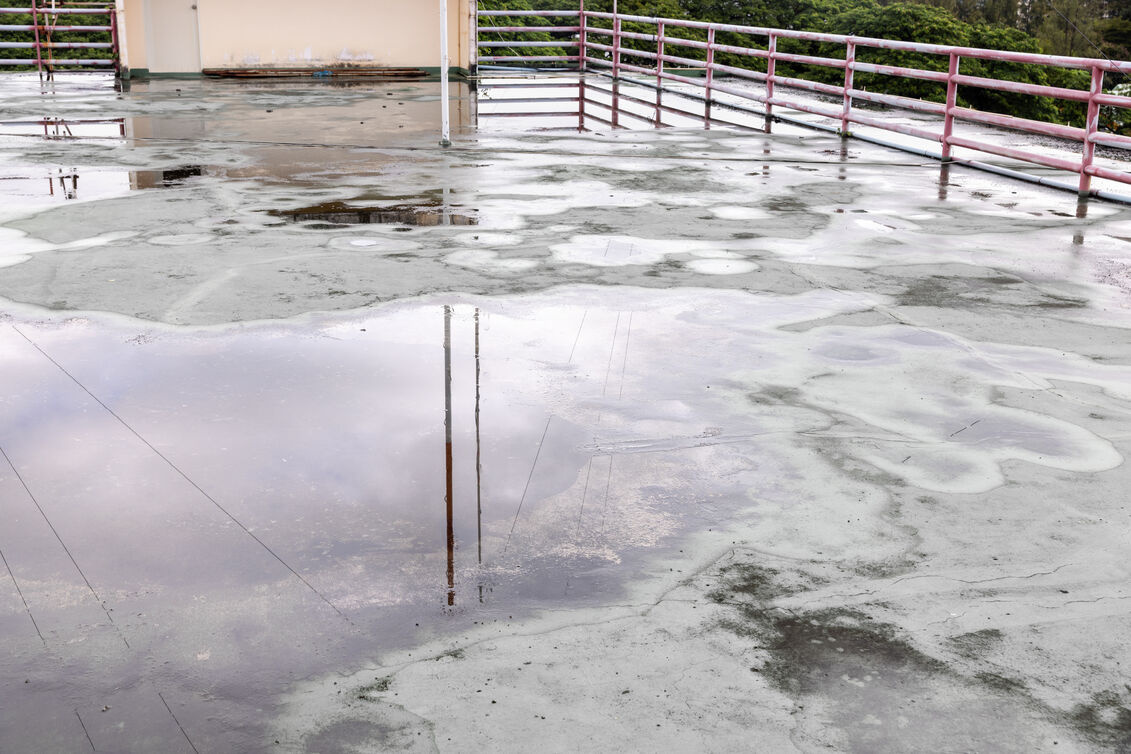
- Ponding water or drainage issues
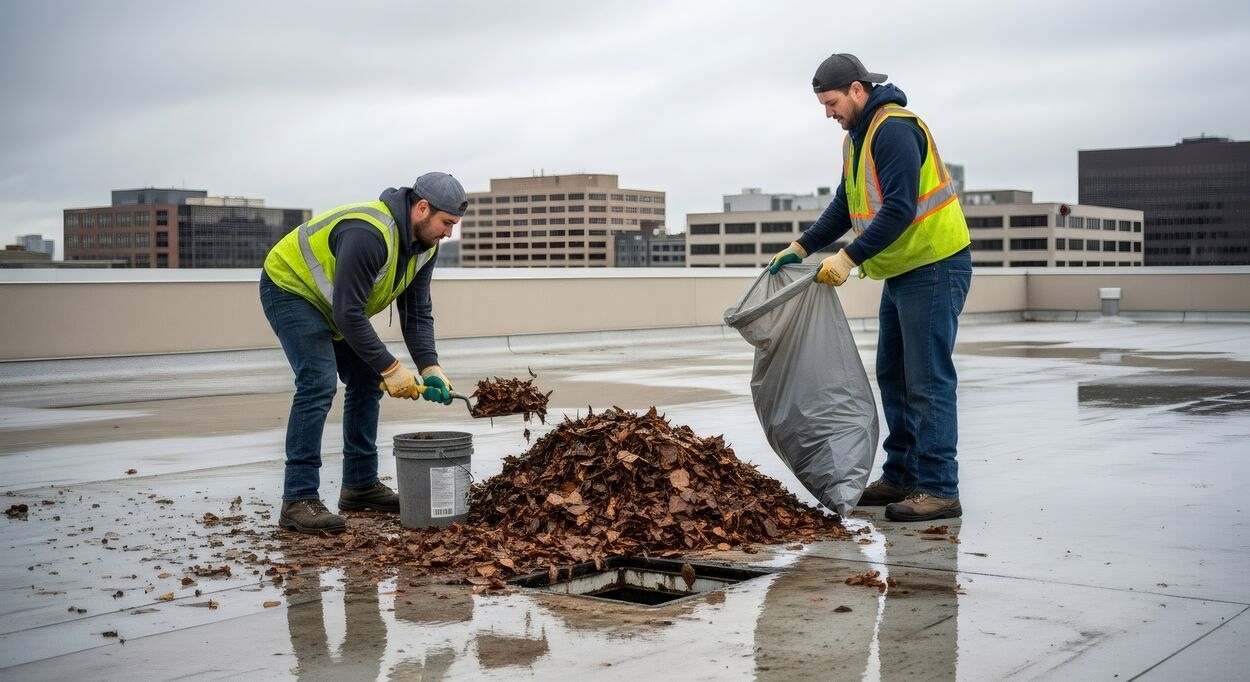
- Debris buildup blocking drainage systems
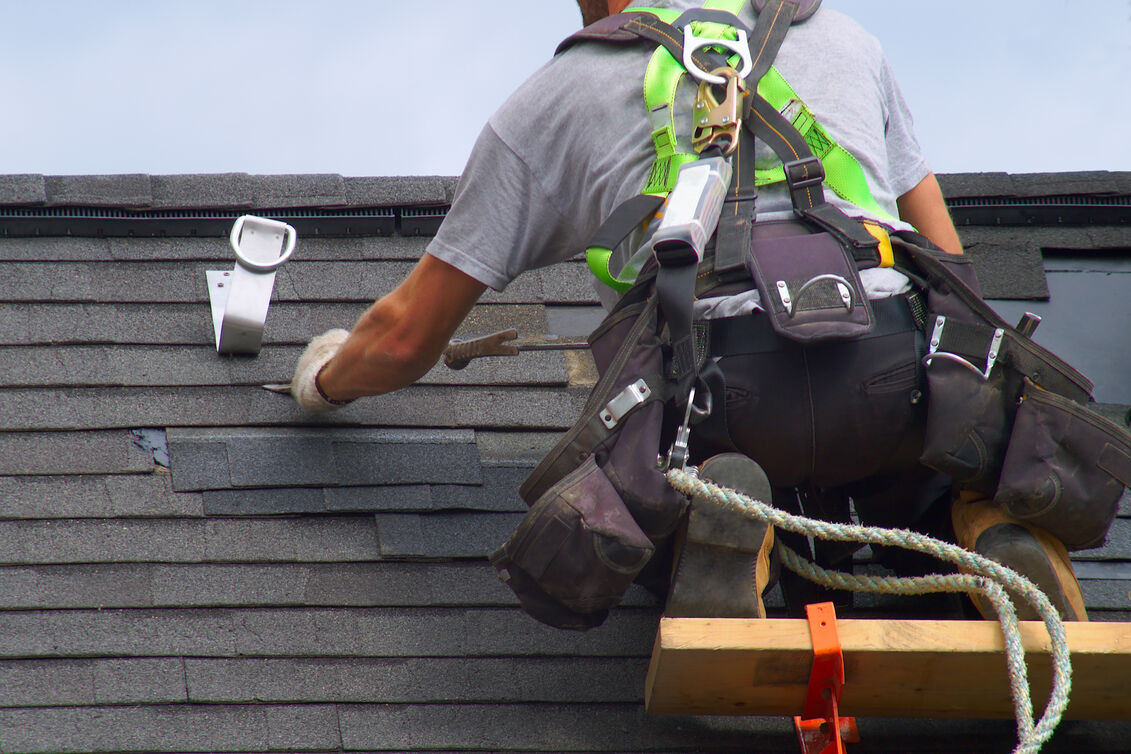
Maintenance teams should also ensure rooftop equipment does not damage roofing materials during servicing. These basic inspections help identify early warning signs before structural damage occurs.
What Requires Professional Commercial Roofing Service
Professional roofing contractors should handle:
- Membrane repairs
- Flashing reinforcement
- Roof coating applications
- Structural inspections
- Leak detection
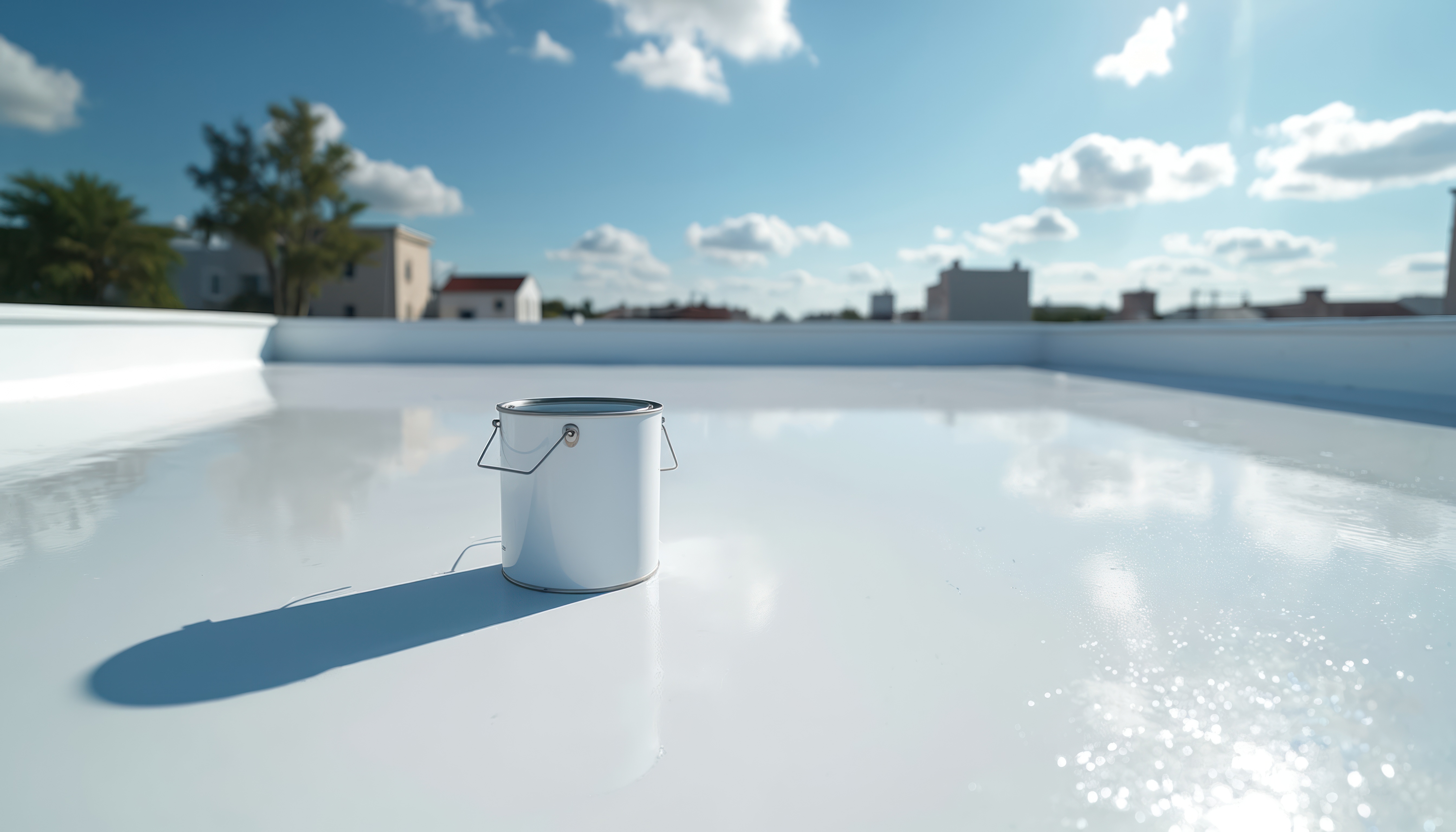
Protective roof coatings are particularly valuable in heat-dominant climates because they reduce UV damage and extend roof lifespan significantly.
Commercial Roof Lifespan in Freeze-Thaw and Snow Climates (Utah, Colorado, Mountain States)
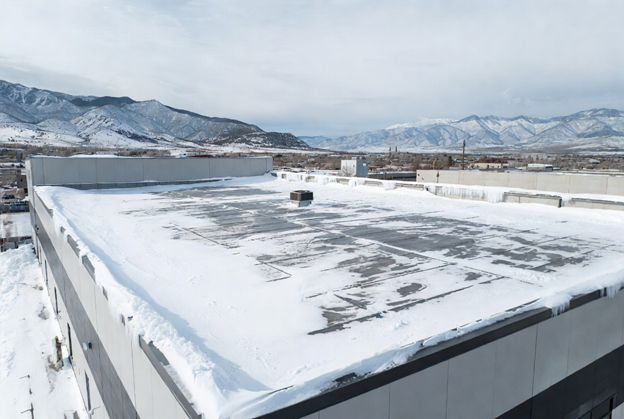
Cold climates create unique structural challenges due to freeze-thaw cycles and snow accumulation.
Regions affected include:
- Utah (Salt Lake City, Provo, Ogden)
- Colorado (Denver, Colorado Springs)
- Northern mountain states
Freeze-Thaw Cycles Cause Structural Fatigue
As explained in our detailed guide on freeze-thaw damage (Insert a hyperlink to the blog post when it’s live) , repeated freezing and thawing causes roofing materials to expand and contract, weakening seams and structural components.
This leads to:
- Membrane cracking
- Flashing separation
- Moisture infiltration
- Insulation damage
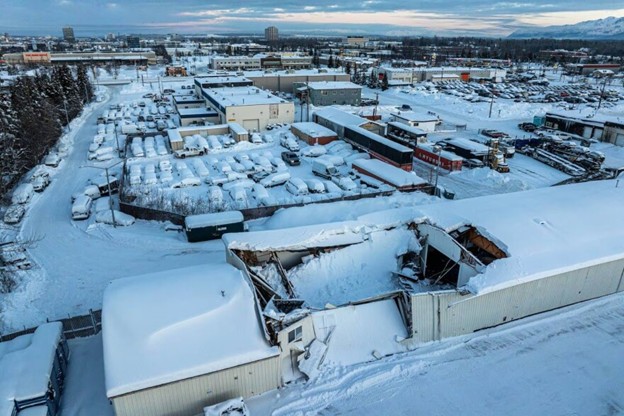
Snow load further increases structural stress.
Commercial Roof Lifespan in Cold Climates
Typical lifespan ranges:
- TPO roofing: 20–30 years
- PVC roofing: 20–30 years
- Metal roofing: 30–50 years
- Modified bitumen: 20–25 years
- SPF roofing: 20–30 years
Proper maintenance significantly extends lifespan.
Commercial Roof Maintenance Best Practices for Freeze-Thaw Climates
Freeze-thaw climates require proactive maintenance to prevent structural damage caused by expansion, contraction, and moisture infiltration.
Recommended Inspection Frequency
Commercial roofs in Utah and Colorado should be inspected:
- In fall (before winter begins)
- In spring (after winter ends)
- After heavy snow events
- After major storms
These inspections identify damage caused by snow load and freeze-thaw cycles.
What Property Managers Can Monitor Internally
Property maintenance teams should monitor:
- Snow accumulation levels
- Drainage system functionality
- Ice buildup around roof edges and drains
- Visible flashing or membrane damage
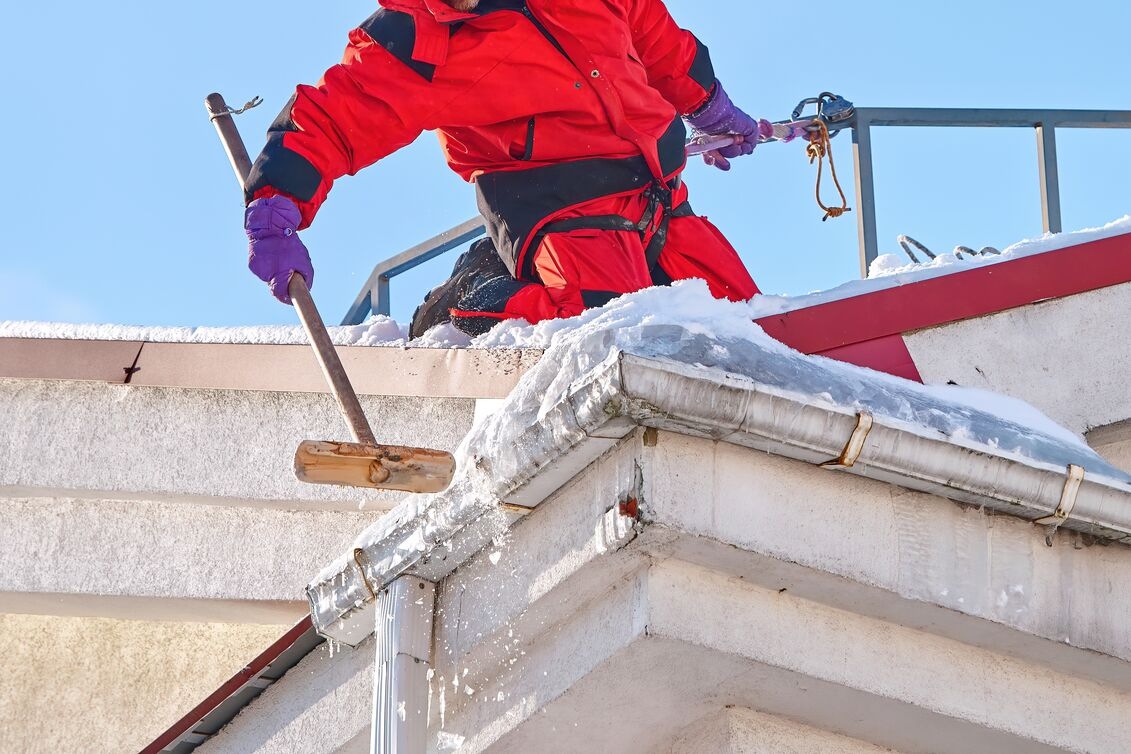
Snow removal may be necessary in extreme accumulation scenarios, but should only be performed by trained personnel. Improper snow removal can damage roofing systems.
What Requires Professional Commercial Roofing Service
Professional roofing contractors should perform:
- Freeze-thaw damage assessments
- Flashing and sealant repair
- Structural integrity inspections
- Leak detection and repair
Professional inspections help prevent small issues from becoming major failures.
Commercial Roof Lifespan in Hurricane and High-Wind Climates (Florida, Gulf Coast)
High-wind and hurricane climates expose commercial roofing systems to extreme forces.
Regions affected include:
- Florida (Miami, Tampa, Orlando)
- Gulf Coast Texas
- Southeast coastal regions
Wind and Storm Stress Accelerate Roofing Failure
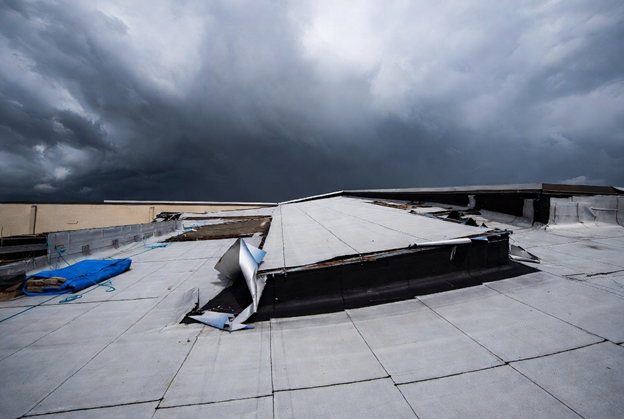
High winds create uplift pressure that weakens roofing systems.
This can cause:
- Fastener loosening
- Membrane detachment
- Structural stress
- Increased leak risk
Repeated storm exposure accelerates roof aging.
Commercial Roof Lifespan in Hurricane Climates
Typical lifespan ranges:
- TPO roofing: 15–25 years
- PVC roofing: 20–30 years
- Metal roofing: 30–50 years
- Modified bitumen: 15–25 years
- SPF roofing: 20–30 years
Wind-rated roofing systems significantly improve durability.
Commercial Roof Maintenance Best Practices for Hurricane-Prone Climates
Commercial roofing systems in hurricane-prone regions require frequent inspection and reinforcement to withstand high winds and storm stress.
Recommended Inspection Frequency
Commercial roofs in Florida and coastal Texas should be inspected:
- Before hurricane season (spring)
- After hurricane season (fall)
- After major storm events
Storm exposure can weaken roofing systems even without visible leaks.
What Property Managers Can Monitor Internally
Maintenance teams should regularly inspect for:
- Loose flashing or edge metal
- Debris accumulation
- Drainage blockage
- Loose rooftop equipment
Ensuring rooftop equipment is properly secured reduces damage risk.
What Requires Professional Commercial Roofing Service
Professional roofing contractors should perform:
- Wind damage inspections
- Fastener reinforcement
- Membrane securement inspection
- Leak detection
Professional reinforcement improves storm resilience.
Commercial Roof Lifespan in Moisture and Humid Climates
High moisture levels increase roofing system deterioration.
Regions affected include:
- Florida
- Coastal California
- Gulf Coast regions
Moisture Accelerates Roofing Material Degradation
Moisture causes:
- Mold growth
- Insulation damage
- Membrane deterioration
- Leak development
Proper waterproofing is critical.
Commercial Roof Maintenance Best Practices for Humid and Moisture-Dominant Climates
High humidity and moisture increase the risk of leaks, mold, and insulation damage.
Recommended Inspection Frequency
Commercial roofs in humid climates should be inspected:
- Twice per year
- After heavy rainstorms
- When leaks or moisture issues are suspected
Moisture damage often occurs gradually and may not be immediately visible.
What Property Managers Can Monitor Internally
Maintenance teams should monitor:
- Drainage performance
- Signs of mold or moisture intrusion
- Interior water stains
- Roof surface pooling water
Maintaining proper drainage significantly reduces moisture-related damage.
What Requires Professional Commercial Roofing Service
Professional roofing contractors should perform:
- Leak detection inspections
- Waterproofing reinforcement
- Roof coating applications
- Structural inspections
Professional waterproofing solutions extend roofing lifespan.
Commercial Roof Lifespan in Wildfire and Extreme Heat Climates (California, Western States)
Wildfire-prone regions expose roofs to extreme heat and fire risk.
Roofing systems must withstand:
- High radiant heat
- Ember exposure
- Thermal stress
Metal and fire-resistant roofing systems perform best.
Commercial Roof Maintenance Best Practices for Wildfire-Prone Climates
Wildfire-prone environments create unique roofing maintenance requirements.
Recommended Inspection Frequency
Commercial roofs in wildfire-prone regions should be inspected:
- Twice per year
- Before wildfire season
- After extreme heat events
Early inspection helps identify vulnerabilities.
What Property Managers Can Monitor Internally
Maintenance teams should ensure:
- Debris removal from roof surfaces
- Clearance around rooftop equipment
- Drainage systems remain clear
Debris buildup increases fire risk.
What Requires Professional Commercial Roofing Service
Professional roofing contractors should perform:
- Fire resistance assessments
- Roofing system integrity inspections
- Protective coating applications
Fire-resistant roofing systems provide critical protection.
Commercial Roofing System Lifespan Comparison by Climate
How to Maximize Commercial Roof Lifespan in Any Climate
Key strategies include:
- Regular inspections
- Preventative maintenance
- Climate-specific roofing systems
- Professional installation
- Protective coatings
Lifecycle planning significantly reduces long-term costs.
Climate-Specific Maintenance Is Critical for Maximizing Commercial Roof Lifespan
Commercial roofing systems perform best when maintenance strategies are tailored to climate conditions. Property managers can perform routine monitoring, but professional inspections and preventative maintenance are essential for maximizing lifespan and minimizing costly emergency repairs. Solameer provides commercial roofing inspections, maintenance, and lifecycle planning tailored specifically to Utah, Colorado, Texas, Florida, and California climates.
Why Partner with Solameer for Commercial Roofing Lifecycle Planning
Solameer specializes in climate-optimized commercial roofing systems designed for long-term durability and performance.
Our services include:
- Commercial roof inspections
- Lifecycle planning assessments
- Commercial roof repair
- Commercial roof replacement
- Preventative maintenance programs
We help property owners maximize roof lifespan and protect their investments.
Request your commercial roofing consultation today:
FAQs: Commercial Roof Lifespan by Climate
Which climate is hardest on commercial roofs?
Extreme heat and hurricane climates typically cause the fastest deterioration.
What roofing system lasts longest in all climates?
Metal roofing offers the longest lifespan across most environments.
How often should commercial roofs be inspected?
Twice per year minimum, and after major weather events.
Does climate affect commercial roof replacement timelines?
Yes. Climate is one of the biggest factors affecting roof lifespan.
Can maintenance extend commercial roof lifespan?
Yes. Proper maintenance can extend roof lifespan by 30–50%.


.jpeg)