
California’s commercial properties face some of the most intense wildfire risks in the country. From the rolling hills of Northern California to the densely populated business districts of Los Angeles and San Diego, flames, embers, extreme heat, and high winds pose serious threats to commercial roofs every year. As wildfires spread more quickly and unpredictably than ever before, business owners must prioritize roofing systems that can withstand high temperatures, resist ignition, and prevent embers from penetrating the building envelope. Choosing the right fire resistant roofing materials is no longer optional—it's essential for safety, compliance, and long-term structural protection.
This guide explores what California businesses need to know about fire-resistant roofing, the top fireproof roofing materials available today, the upgrades that improve performance, and why working with specialists in commercial roofing in California ensures lasting protection in a wildfire-prone environment.
See Our Roofing Services in California
Why Fire-Resistant Roofing Matters in California
California’s wildfire season is longer, more intense, and more destructive each year. Commercial properties in high-risk zones face multiple fire-related hazards that directly threaten roofing systems.
1. Extreme Heat and Flame Exposure
Wildfires generate extreme heat that can damage conventional roofing materials. Roof membranes may warp, blister, crack, or ignite when exposed to high temperatures. Fire resistant roofing materials help prevent ignition and slow the spread of flames, offering critical time for emergency response.
2. Ember Intrusion—the Most Common Cause of Structure Loss
Most commercial structures lost in wildfires are not consumed by direct flames—they ignite from airborne embers. These embers can travel miles, lodge in roof valleys, penetrate underlayment gaps, or accumulate near rooftop equipment. Without proper fireproof roofing materials and securement, even small embers can trigger large-scale roof fires.
3. Wind-Driven Fire Spread
Strong winds often accompany California wildfires, accelerating the movement of embers and superheated air. Buildings with outdated or poorly secured roofing are especially vulnerable as winds lift materials or expose combustible layers.
4. Stricter Building Codes and Wildfire Regulations
California’s Wildland Urban Interface (WUI) codes require businesses in high-risk fire zones to use Class A fire rated materials—the highest rating for flame resistance and fire spread prevention. Selecting compliant materials ensures safety, reduces liability, and may improve insurance eligibility.
Understanding these risks underscores the importance of investing in roofing systems designed to withstand the state’s unique environmental challenges.
Top Fireproof Roofing Materials for California Commercial Buildings
Choosing the right roofing system plays a critical role in protecting commercial properties from fire damage. Below are the most effective fire resistant roofing materials used throughout California.
1. Class A Fire-Rated Single-Ply Roofing (TPO & PVC)
TPO and PVC membranes are commonly used in commercial roofing in California due to their strong fire performance and wide compatibility with large flat or low-slope roof structures. Many formulations carry a Class A fire rating when installed over approved substrates.
Why TPO and PVC Work Well in Fire Zones:
- Naturally resistant to flame spread
- Heat-welded seams prevent embers from infiltrating the system
- Compatible with fire-retardant cover boards
- Reflective surfaces also reduce heat gain during extreme weather
These systems are ideal for office parks, schools, warehouses, and retail centers across fire-prone regions.
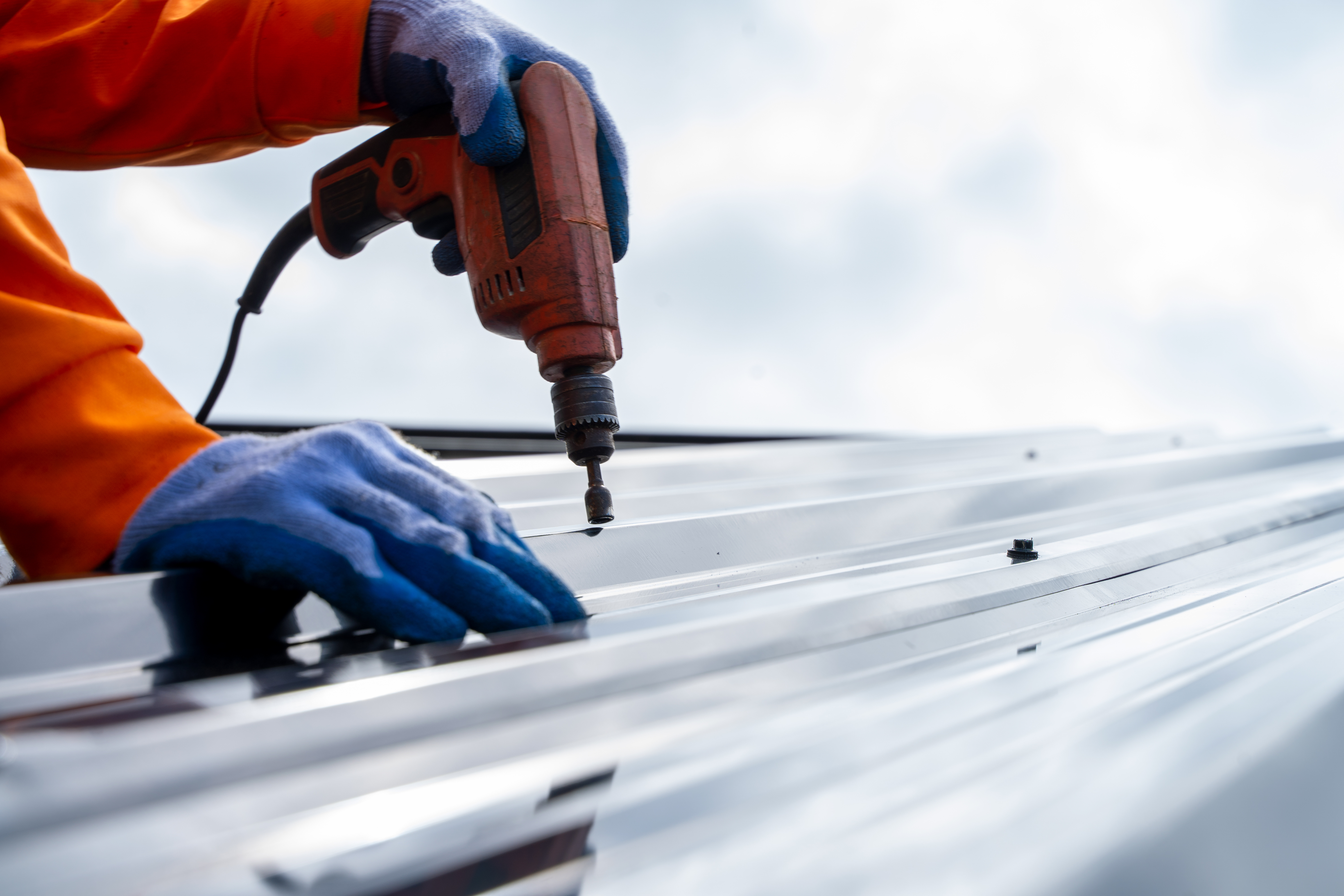
2. Fire-Resistant Metal Roofing Systems
Metal roofing is one of the most durable and fireproof roofing materials for commercial buildings in wildfire risk zones. Standing seam metal roofs and heavy-gauge steel panels offer exceptional defense against embers, flames, and radiant heat.
Metal Roofing Benefits:
- Non-combustible panels that resist ignition
- Interlocking seams prevent ember penetration
- Long lifespan of 40–60 years
- Excellent performance in high winds, which often accompany wildfires
Many California business owners choose metal roofing for its combined strength, energy efficiency, and superior fire protection.
3. Modified Bitumen Roofing with Fire Retardant Layers
Modern modified bitumen systems can be upgraded with fire-resistant cap sheets and underlayments, making them highly effective for commercial facilities requiring both toughness and flame protection.
Key Advantages:
- Multi-layer construction that slows heat transfer
- Fire-resistant surface granules
- Strong puncture resistance
- High performance under extreme temperatures
When properly reinforced, modified bitumen becomes a reliable choice for older buildings transitioning to more fire-resistant roofing solutions.
4. Spray Polyurethane Foam (SPF) with Fire-Retardant Coatings
SPF roofing offers seamless coverage and excellent insulation while achieving strong fire resistance when paired with approved fire-retardant coatings.
SPF Fire Protection Benefits:
- Continuous surface eliminates gaps where embers might penetrate
- High thermal resistance slows heat spread
- Coatings provide additional flame suppression
- Ideal for complex roof structures with multiple penetrations
SPF is frequently used on hospitals, government facilities, and large industrial buildings throughout California.
5. Concrete and Tile Roof Systems (for Certain Commercial Structures)
Though not suitable for all commercial structures, concrete and clay tile systems offer outstanding fire resistance and non-combustible performance.
Benefits Include:
- Class A fire rating
- Long-lasting durability
- Excellent ember resistance
- Effective thermal mass that slows heat transfer
These systems are often found on multi-use buildings, educational facilities, and commercial properties with pitched roof elements.
Upgrades That Improve Fire Resistance for Commercial Roofs
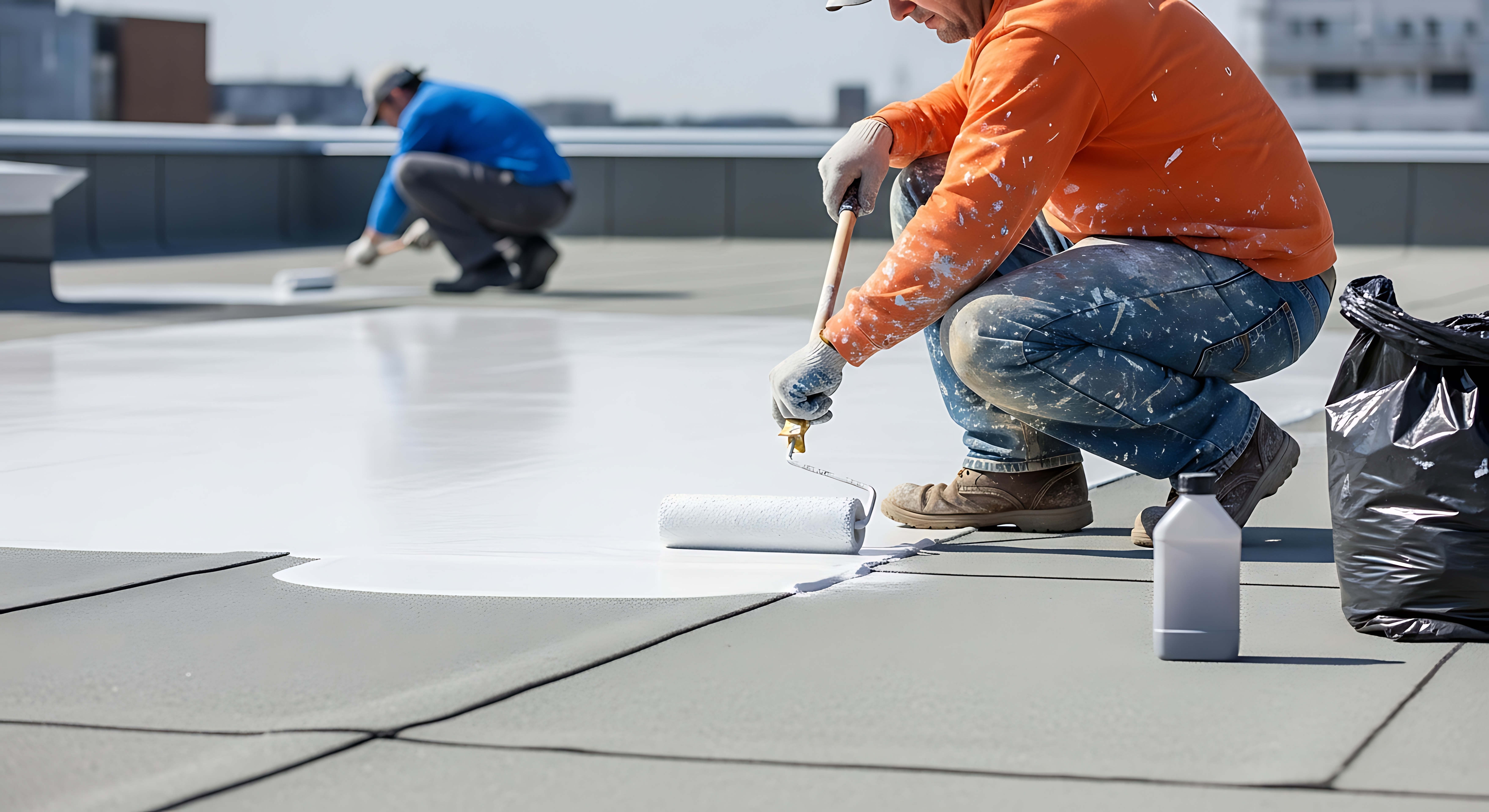
Even the strongest fire resistant roofing materials benefit from additional reinforcements that enhance protection and compliance.
1. Fire-Rated Cover Boards
High-density gypsum cover boards significantly improve a roof’s fire rating by adding a non-combustible layer beneath the membrane.
They help:
- Reduce heat transfer
- Prevent ember-induced burns
- Increase structural stability
- Improve wind resistance
Cover boards are considered a best practice in wildfire-prone zones across California.
2. Fire-Resistant Sealants and Flashing Systems
Proper sealing is crucial for preventing ember intrusion.
Upgrades include:
- High-temperature-resistant sealants
- Fire-rated flashing assemblies
- Reinforced rooftop equipment curbs
- Protective metal edge trim
Even small vulnerabilities can become ignition points during a wildfire, making proper sealing essential.
3. Non-Combustible Perimeter and Penetration Reinforcement
Most commercial roofs fail at edges and penetrations during wildfire exposure. Strengthening these areas helps ensure the entire assembly remains flame-resistant.
4. Debris Control and Vegetation Management
Fireproof roofing materials perform best when the surrounding environment is kept clear of combustible debris.
Key practices include:
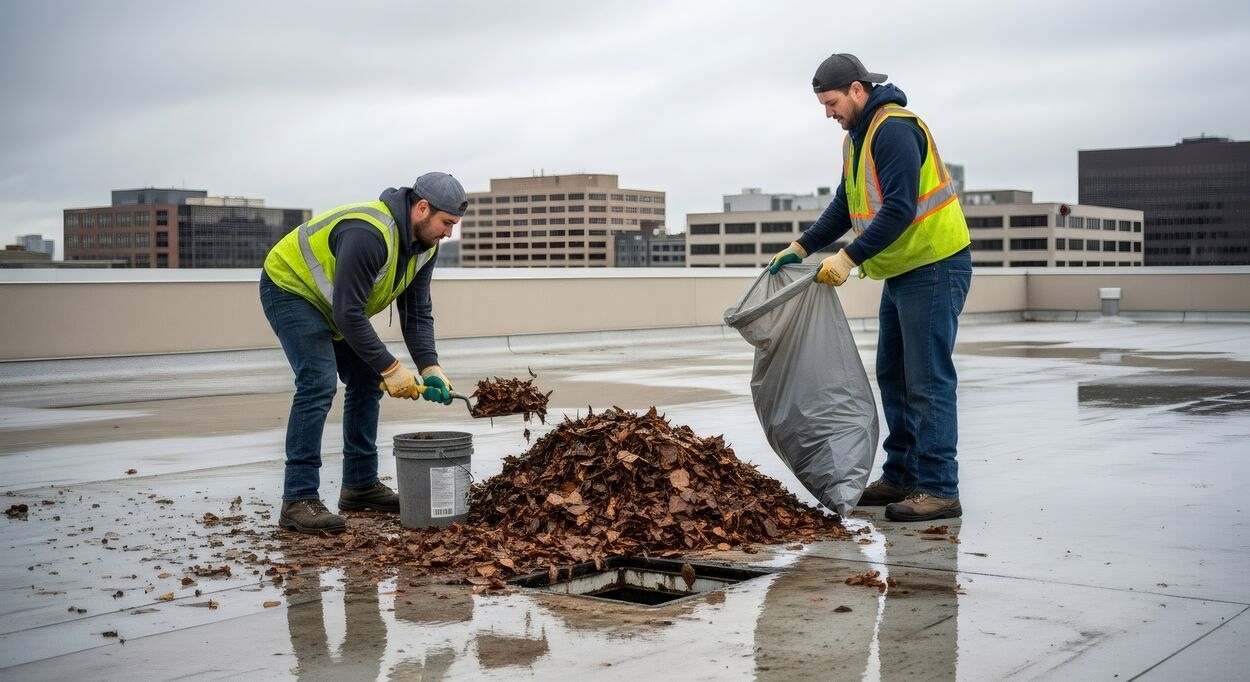
- Removing leaves and debris from drains and gutters
- Keeping vegetation trimmed at safe distances
- Clearing rooftop equipment areas
- Eliminating clutter that could ignite during an ember storm
These maintenance steps align with California's defensible space requirements.
Fire-Readiness Maintenance for Commercial Roofing in California
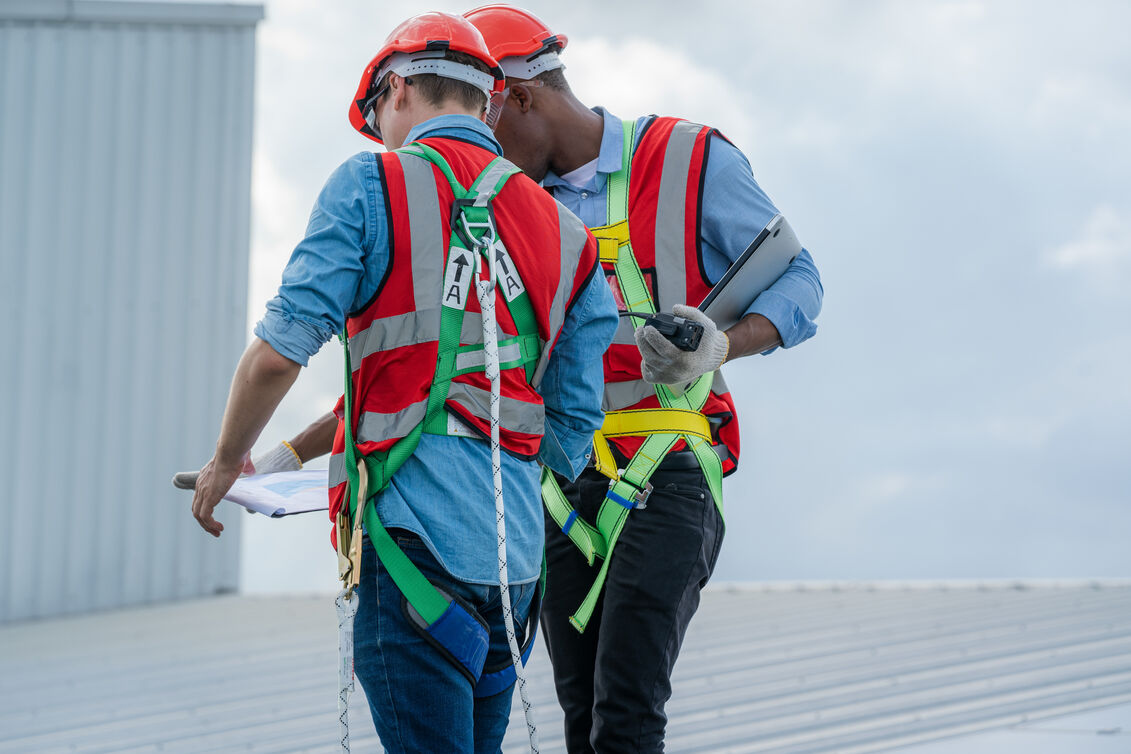
Routine maintenance is vital for preserving a roof’s fire resistance and ensuring the system performs as intended during extreme events.
A comprehensive maintenance plan should include:
- Regular commercial roof inspections
- Clearing debris, branches, and combustible buildup
- Checking for sealant failure or exposed underlayment
- Verifying fire-rated materials are intact and compliant
- Ensuring rooftop equipment is properly secured
Without proper maintenance, even the most advanced fire resistant roofing materials can fail prematurely.
When to Upgrade to a Fire-Resistant Roof
You may need a roof upgrade if your building has:
- A non–Class A roofing system
- Aging or brittle materials
- Exposed underlayment or deteriorated flashing
- A history of heat damage or fire-related repairs
- Roof components incompatible with WUI regulations
If your facility operates in a high-risk wildfire zone, upgrading your roofing system is both a safety measure and often a regulatory requirement.
Why Partner With Solameer for Fire-Resistant Commercial Roofing in California
Solameer specializes in commercial roofing in California engineered for wildfire resilience. Our team understands the complexities of regional fire codes, WUI compliance, environmental hazards, and the advanced materials required to protect businesses from escalating fire risks.
We provide:
- Installation of Class A fireproof roofing materials
- Comprehensive fire-readiness inspections
- Fire-resistant coating and cover board upgrades
- Compliance evaluations for WUI and local codes
- Emergency repair services
- Long-term preventative maintenance programs
Our mission is to help California businesses stay protected, code-compliant, and fully prepared for wildfire season.
Protect Your Commercial Property Before the Next Wildfire Season
Wildfires can strike with little warning, but proactive planning makes all the difference. Investing in the right fire resistant roofing materials today can help prevent devastating losses, reduce downtime, and ensure the long-term safety of your building. Solameer offers expert guidance and customized solutions for commercial roofing in California, helping businesses stay ahead of seasonal fire risks.
Ready to upgrade your commercial roof for fire protection? Contact Solameer today for a professional assessment.
Frequently Asked Questions
What is the most fire-resistant roof material?
Metal roofing, concrete tile, and Class A–rated single-ply membranes such as PVC and TPO are among the most fire-resistant options for commercial buildings. These materials do not ignite, resist flame spread, and perform well under extreme heat, making them top choices for wildfire-prone regions.
How do you make your roof fireproof?
A roof becomes fire-resistant through a combination of materials and installation practices. This includes using Class A fireproof roofing materials, installing fire-rated cover boards, upgrading flashing and sealants, applying fire-resistant coatings, and sealing all penetrations to prevent ember intrusion. Routine inspections also ensure ongoing fire safety.
Are asphalt roof shingles fireproof?
Standard asphalt shingles are not naturally fireproof; however, many have Class A fire ratings when installed with specific underlayments. Commercial buildings in California typically do not use asphalt shingles, but if present, only Class A–rated assemblies are recommended in wildfire zones.
How much does a fireproof roof cost?
The cost of a fire-resistant roof varies based on material, building size, and structural requirements. Generally, commercial fireproof roofing materials range from $6 to $18 per square foot, with metal, PVC, and TPO on fire-rated assemblies falling in the mid-range. Additional upgrades—such as cover boards or fire-resistant coatings—may increase total cost but significantly improve protection.
Can you put fire retardant on your roof?
Yes. Fire-retardant coatings can be applied to certain commercial roofing systems to slow ignition, reduce heat transfer, and protect vulnerable areas. These coatings work best when used alongside non-combustible roofing materials and are often part of California’s wildfire-preparedness strategies.
What is a Class A fire rated roof in California?
A Class A fire rated roof is the highest rating available for resistance to flame spread. It indicates that the roofing system can withstand severe exposure to fire without quickly igniting or contributing to flame spread. California’s WUI (Wildland Urban Interface) zones often require Class A roofs for commercial buildings.
What roofing material is commonly used in California?
For commercial buildings, PVC, TPO, modified bitumen, metal roofing, and SPF systems are the most common. These materials offer strong fire resistance, energy efficiency, and durability—traits essential in California’s wildfire-prone and high-temperature environments.
What material is 100% fireproof?
No roofing material is completely fireproof, but metal, concrete, and certain ceramics come closest due to their non-combustible nature. While these materials will not ignite, surrounding building components and extreme heat conditions mean no system can be labeled 100% fireproof.


.jpeg)