
Commercial roofing systems in Utah and Colorado face some of the most demanding environmental conditions in the United States. High elevations, heavy snow accumulation, and dramatic temperature swings create repeated freeze-thaw cycles that significantly accelerate commercial roof deterioration.
For commercial property owners, facility managers, asset managers, and real estate investors, understanding how freeze-thaw conditions impact commercial roof lifespan is essential for protecting long-term property value and avoiding costly emergency roof repairs or premature commercial roof replacement.
Unlike warm climates such as Texas or Florida—where UV exposure and heat drive roof aging—Utah and Colorado commercial roofing systems experience structural stress caused by moisture expansion, temperature fluctuation, and snow accumulation.
Whether you manage:
- A warehouse in Salt Lake City
- A distribution center in Ogden
- An office building in Provo
- A multi-family property in Denver
- An industrial facility in Colorado Springs
freeze-thaw damage can significantly impact your commercial roof lifespan without proper system selection and maintenance.
Schedule a commercial roof inspection in Utah or Colorado:
Request a Commercial Roof Assessment →
Why Freeze-Thaw Cycles Are Especially Damaging to Commercial Roofing in Utah and Colorado
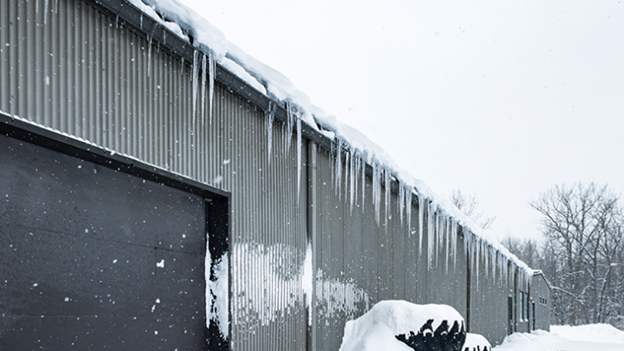
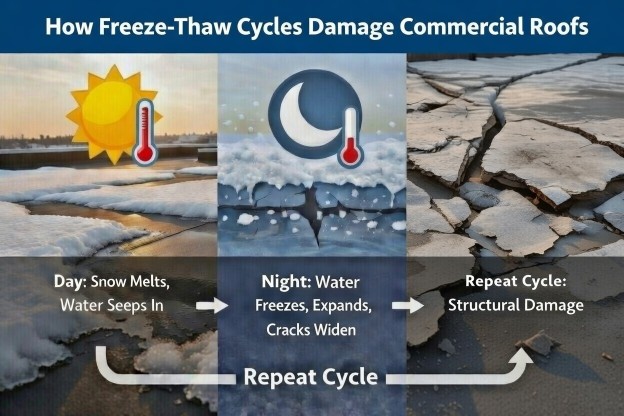
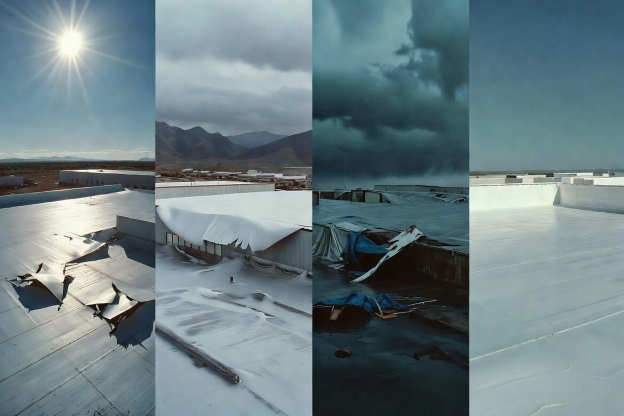
Freeze-thaw cycles occur when daytime temperatures rise above freezing and nighttime temperatures drop below freezing. This temperature fluctuation causes moisture trapped in roofing materials to freeze, expand, and thaw repeatedly.
Utah and Colorado are particularly vulnerable due to:
- Elevations exceeding 4,000–7,000 feet
- Frequent winter snowfall
- Strong solar radiation during winter days
- Rapid temperature swings between day and night
These environmental conditions create hundreds of expansion-contraction cycles annually. Over time, this leads to structural fatigue in commercial roofing systems.
Expansion and Contraction Weakens Commercial Roofing Systems
Commercial roofing materials expand when heated and contract when cooled. In freeze-thaw climates like Utah and Colorado, this repeated movement accelerates roofing system deterioration.
Common structural impacts include:
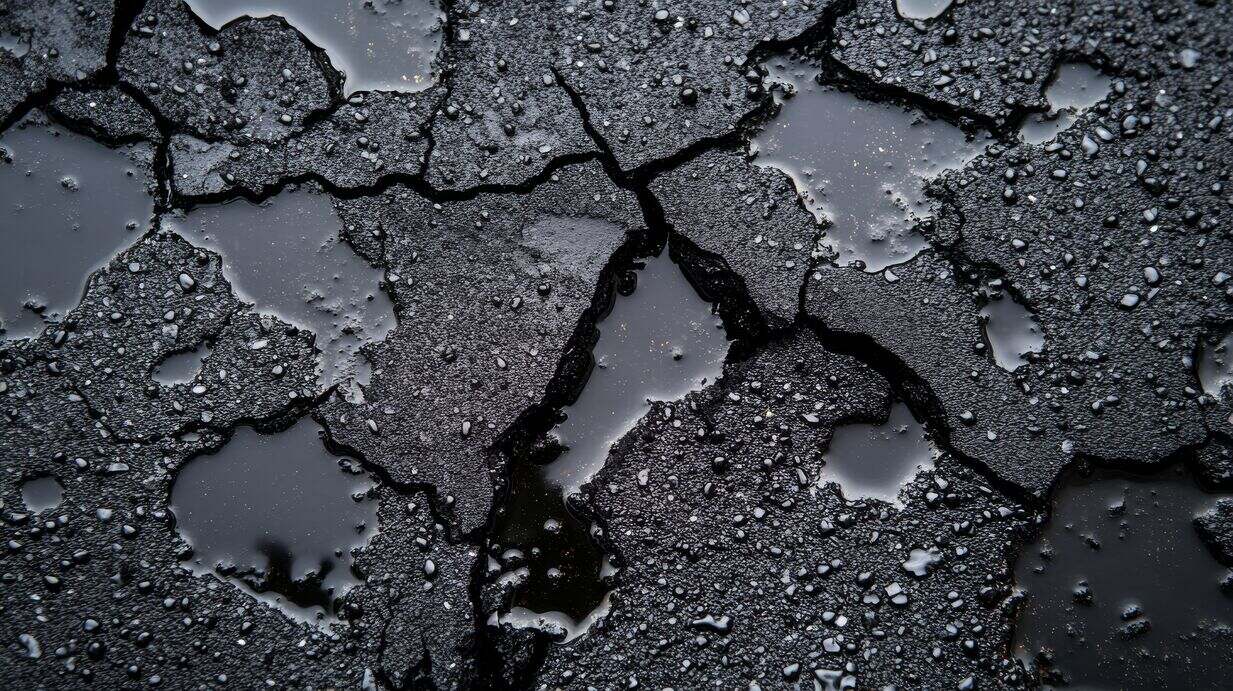
- Cracking in TPO and PVC membranes
- Seam separation
- Fastener loosening
- Flashing separation
- Sealant breakdown
These failures allow water infiltration, which further accelerates deterioration. Commercial roof repair in Utah and Colorado is often required due to expansion-contraction fatigue—especially on aging roofing systems.
Moisture Infiltration and Freeze Expansion Cause Structural Failure
Water infiltration is one of the most destructive consequences of freeze-thaw cycles. When moisture penetrates the roofing assembly and freezes, it expands by approximately 9%, widening cracks and damaging roofing components.
This leads to:
- Insulation saturation
- Membrane delamination
- Roof deck deterioration
- Interior water leaks
- Mold and structural damage
Commercial roof leaks in Utah and Colorado frequently originate from freeze-thaw expansion damage. Flat commercial roofs—common on industrial buildings, warehouses, and multi-family housing—are especially vulnerable due to slower drainage.
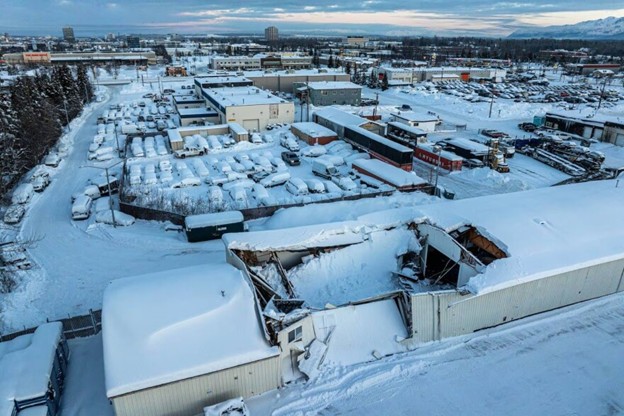
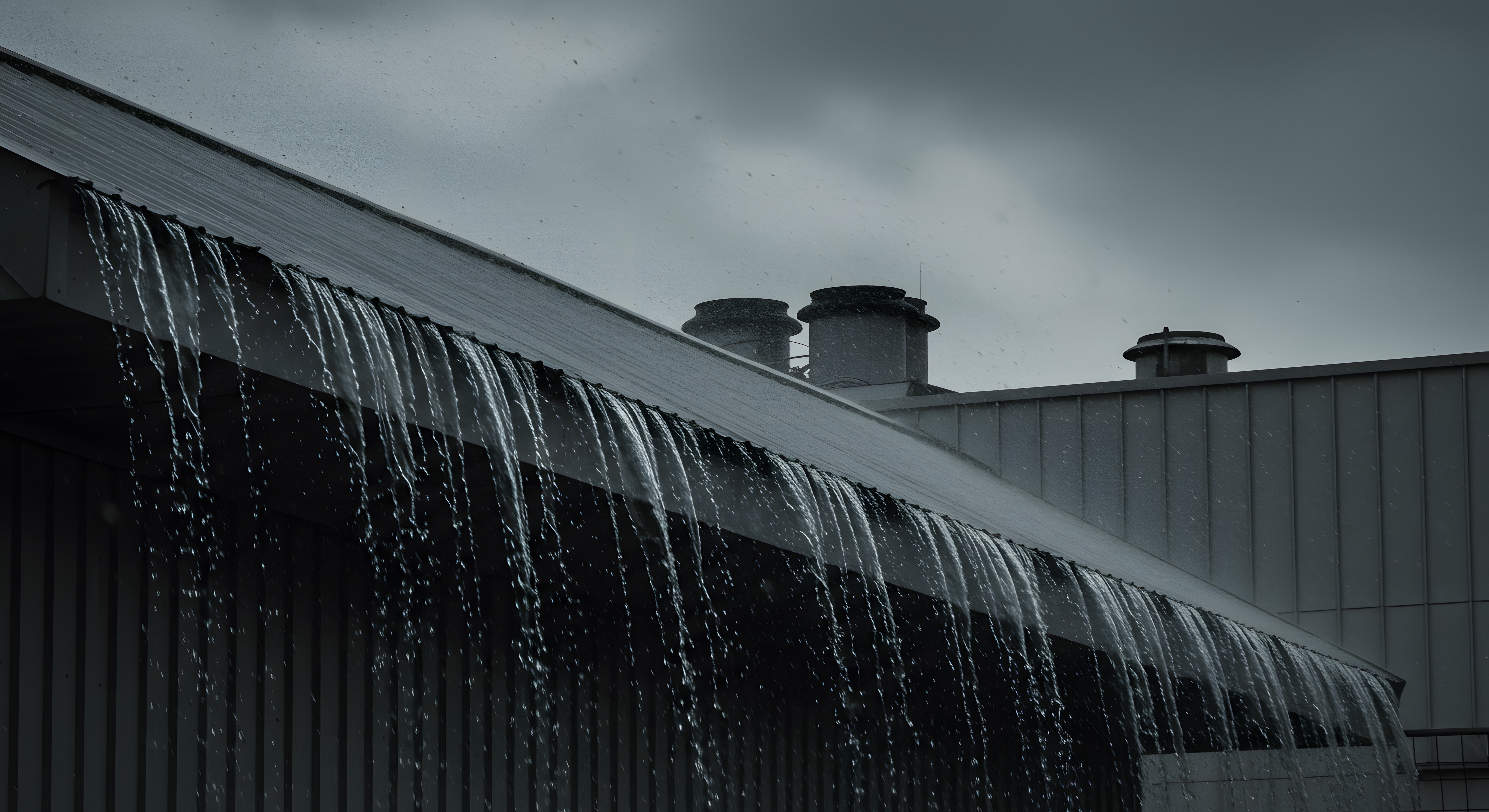
Snow Load and Ice Formation Increase Commercial Roof Failure Risk
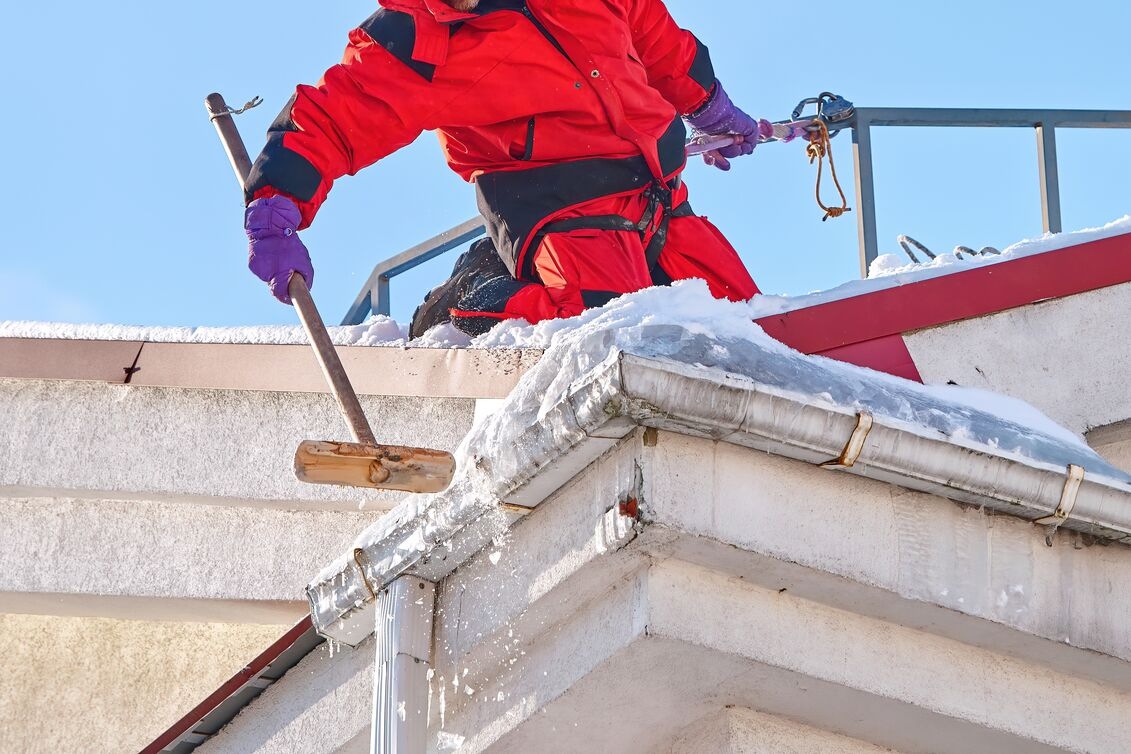
Snow accumulation places significant weight and stress on commercial roofing systems.
In Utah and Colorado, snow load can cause:
- Structural stress on roofing assemblies
- Ice buildup blocking drainage systems
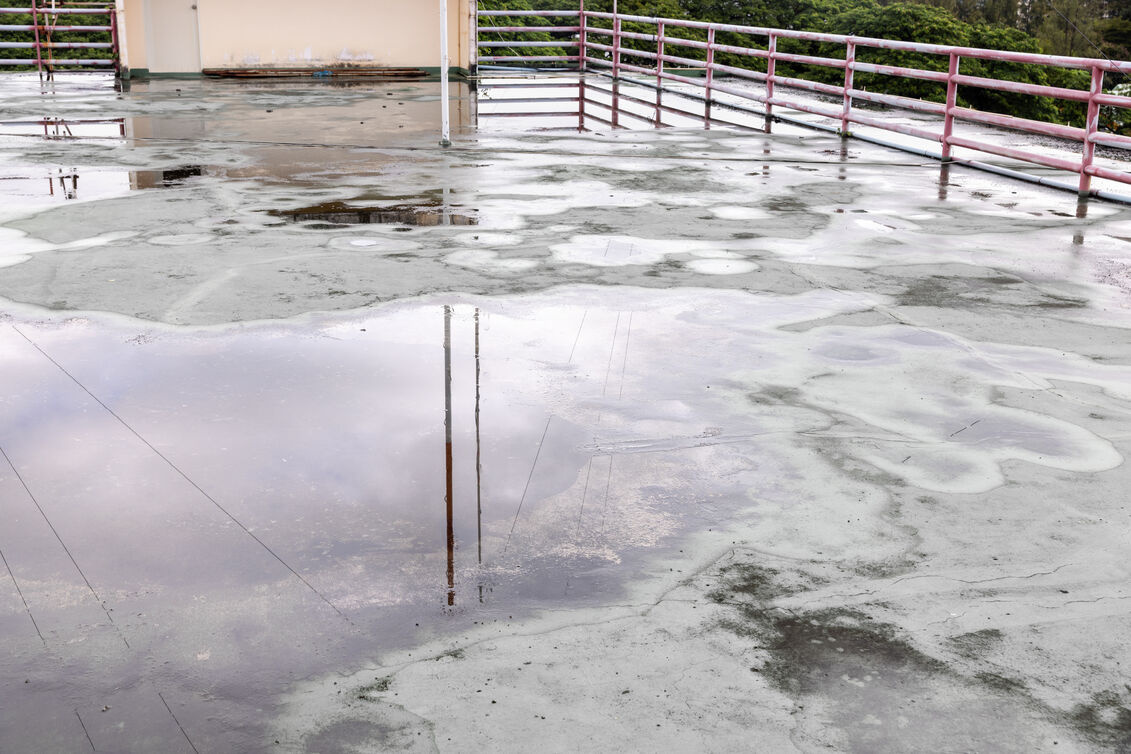
- Ponding water during thaw cycles
- Increased moisture infiltration risk
Improper drainage significantly accelerates roof aging. Commercial roof replacement in Colorado and Utah is often driven by long-term snow and freeze-thaw stress.
Roof Penetrations Are the Most Common Source of Commercial Roof Leaks
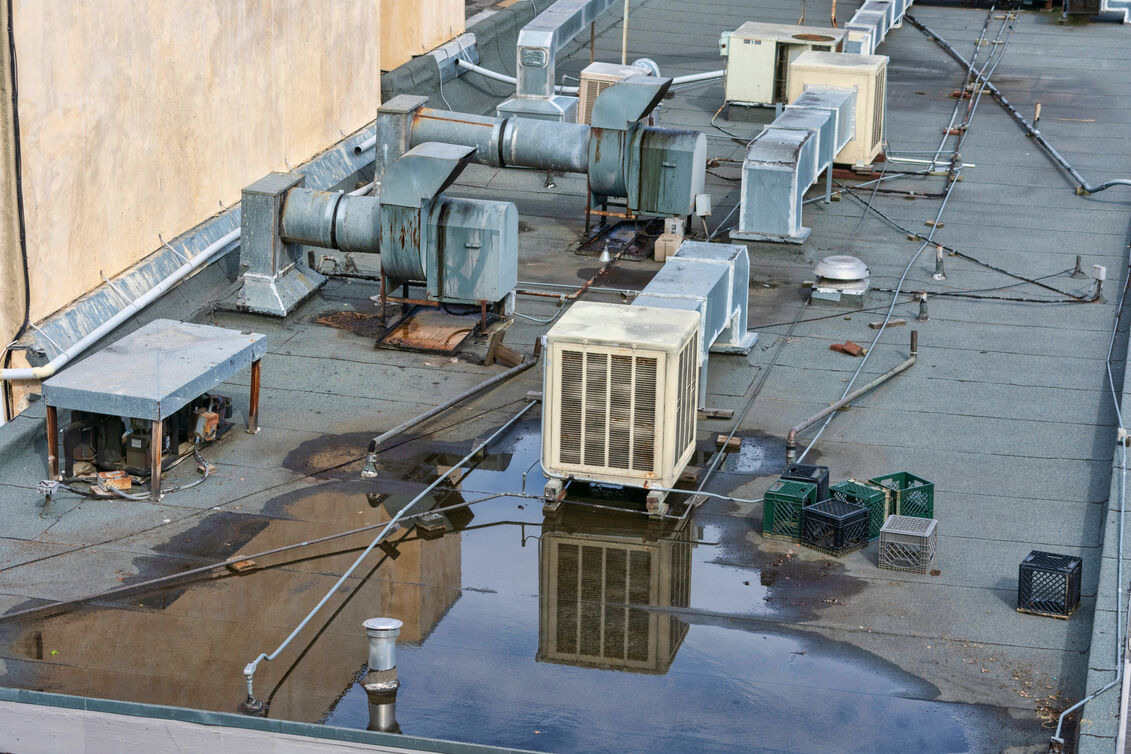
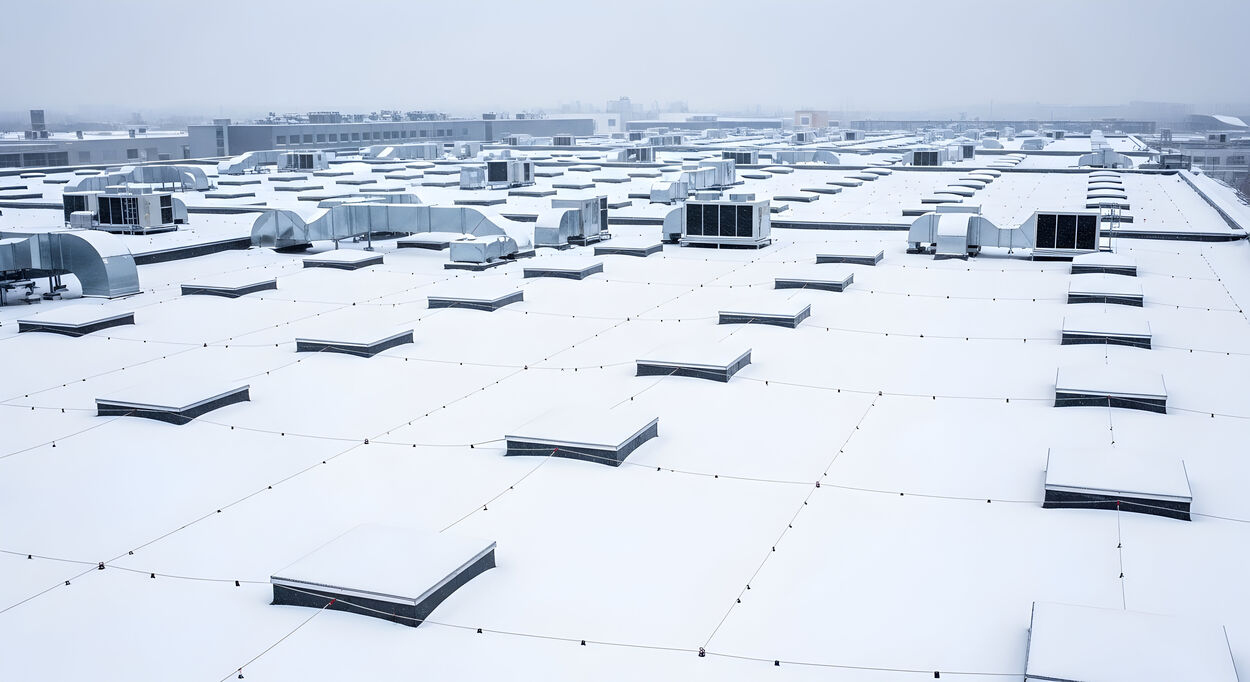
Commercial roofs contain penetrations such as:
- HVAC units
- Ventilation systems
- Skylights
- Drainage systems
These areas are particularly vulnerable to freeze-thaw stress because materials expand and contract at different rates.
This leads to:
- Flashing failure
- Sealant cracking
- Equipment curb leaks
- Structural separation
These penetration failures account for the majority of commercial roof leaks in Utah and Colorado.
Commercial Roof Lifespan in Utah and Colorado Freeze-Thaw Climates
Commercial roof lifespan depends heavily on climate, installation quality, and maintenance. Freeze-thaw climates typically reduce commercial roof lifespan compared to milder environments.
Typical commercial roofing lifespan in Utah and Colorado:
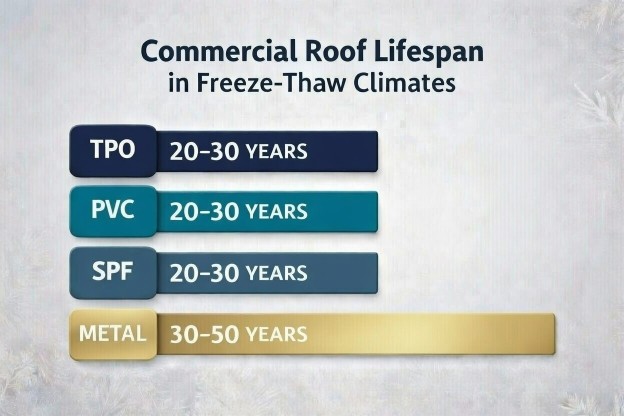
- TPO roofing: 20–30 years
- PVC roofing: 20–30 years
- Metal roofing: 30–50 years
- Modified bitumen: 20–25 years
- Spray polyurethane foam (SPF): 20–30 years
Without proper maintenance, commercial roof lifespan may be reduced by 30–50%. Regular commercial roof inspections in Utah and Colorado significantly extend lifespan.
Best Commercial Roofing Systems for Utah and Colorado Freeze-Thaw Climates
Choosing the correct commercial roofing system is critical for long-term durability.
PVC Commercial Roofing
PVC roofing offers exceptional performance in freeze-thaw climates due to superior flexibility and welded seams.
Benefits:
- High crack resistance
- Excellent waterproofing
- Long lifespan
- Strong seam durability
PVC roofing is widely used for commercial roofing in Colorado and Utah industrial facilities.
TPO Commercial Roofing
TPO roofing is one of the most common commercial roofing systems in Utah due to affordability and durability.
Benefits:
- Flexible in cold climates
- Energy efficient
- Strong performance when reinforced
- Cost-effective installation
Metal Commercial Roofing
Metal roofing provides the longest lifespan in freeze-thaw climates.
Benefits:
- 40–50+ year lifespan
- Excellent snow shedding
- Minimal moisture penetration
- High structural strength
Metal roofing is ideal for large warehouses and industrial buildings.
Spray Polyurethane Foam (SPF) Roofing
SPF roofing provides seamless waterproof protection.
Benefits:
- Seamless moisture protection
- High insulation performance
- Easy repair and recoating
- Strong freeze-thaw durability
SPF roofing is commonly used for commercial roof restoration in Utah and Colorado.
Commercial Roof Maintenance Timeline for Utah and Colorado
Regular maintenance is essential for extending commercial roof lifespan.
Recommended maintenance schedule:
Spring:
- Inspect for winter damage
- Identify leaks or structural weaknesses
Fall:
- Prepare roof for winter
- Reinforce flashing and sealants
Winter:
- Monitor snow accumulation
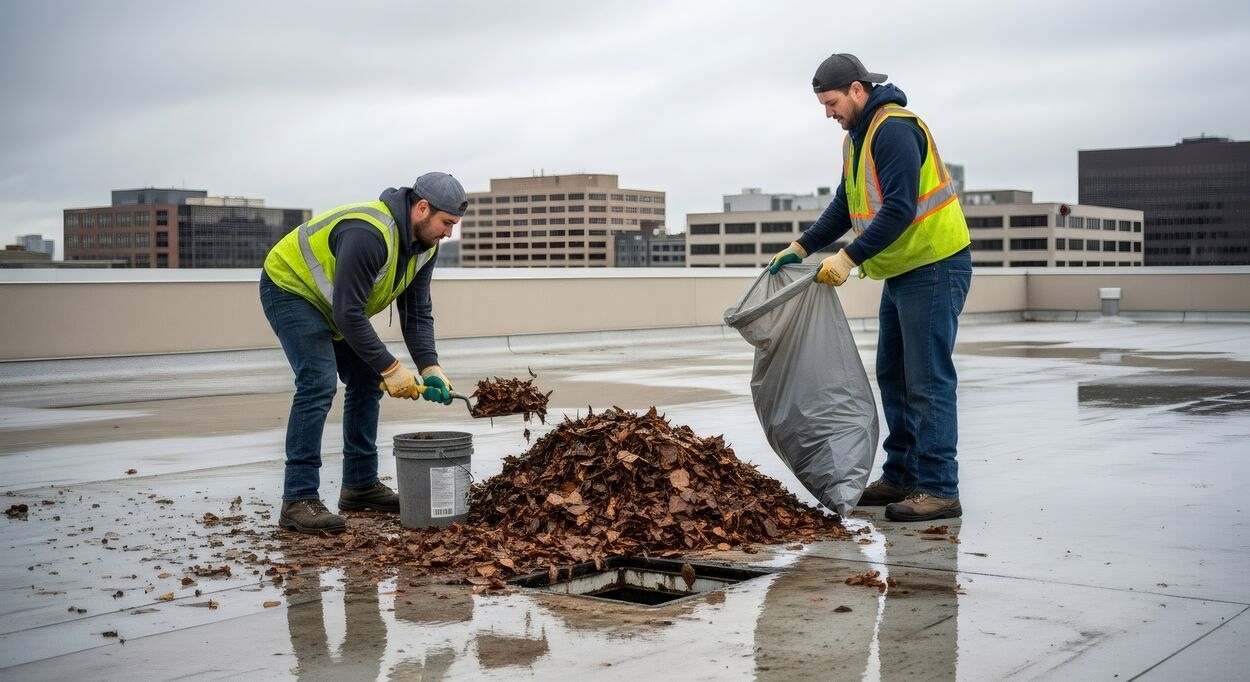
- Prevent drainage blockage
Professional commercial roof maintenance in Utah and Colorado reduces long-term repair costs.
Signs Your Commercial Roof May Be Experiencing Freeze-Thaw Damage
Common warning signs include:
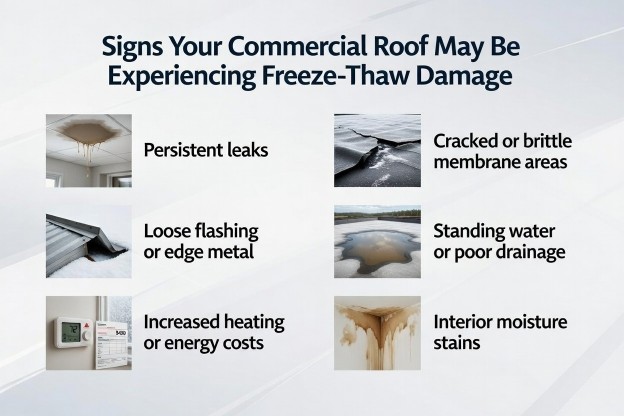
- Persistent commercial roof leaks
- Cracked roofing membranes
- Loose flashing or edge metal
- Standing water or drainage issues
- Increased heating costs
- Interior moisture stains
If you observe these signs, schedule a commercial roof inspection immediately.
Schedule a Commercial Roof Inspection →
Commercial Roof Lifecycle Planning for Utah and Colorado Property Owners
Commercial roofing should be managed as a long-term asset.
Best practices include:
- Annual professional roof inspections
- Preventative maintenance programs
- Climate-appropriate roofing system selection
- Strategic capital planning for replacement
Property owners who proactively manage roofing systems significantly reduce lifecycle costs.
Why Partner with Solameer for Commercial Roofing in Utah and Colorado
Solameer specializes in commercial roofing systems engineered for mountain climates. Our team understands how freeze-thaw cycles impact roofing performance and provides solutions designed to maximize durability, efficiency, and lifespan.
Our services include:
- Commercial roof inspections and lifecycle assessments
- Commercial roof repair Utah and Colorado
- Commercial roof replacement Utah and Colorado
- Preventative maintenance programs
- Leak detection and repair
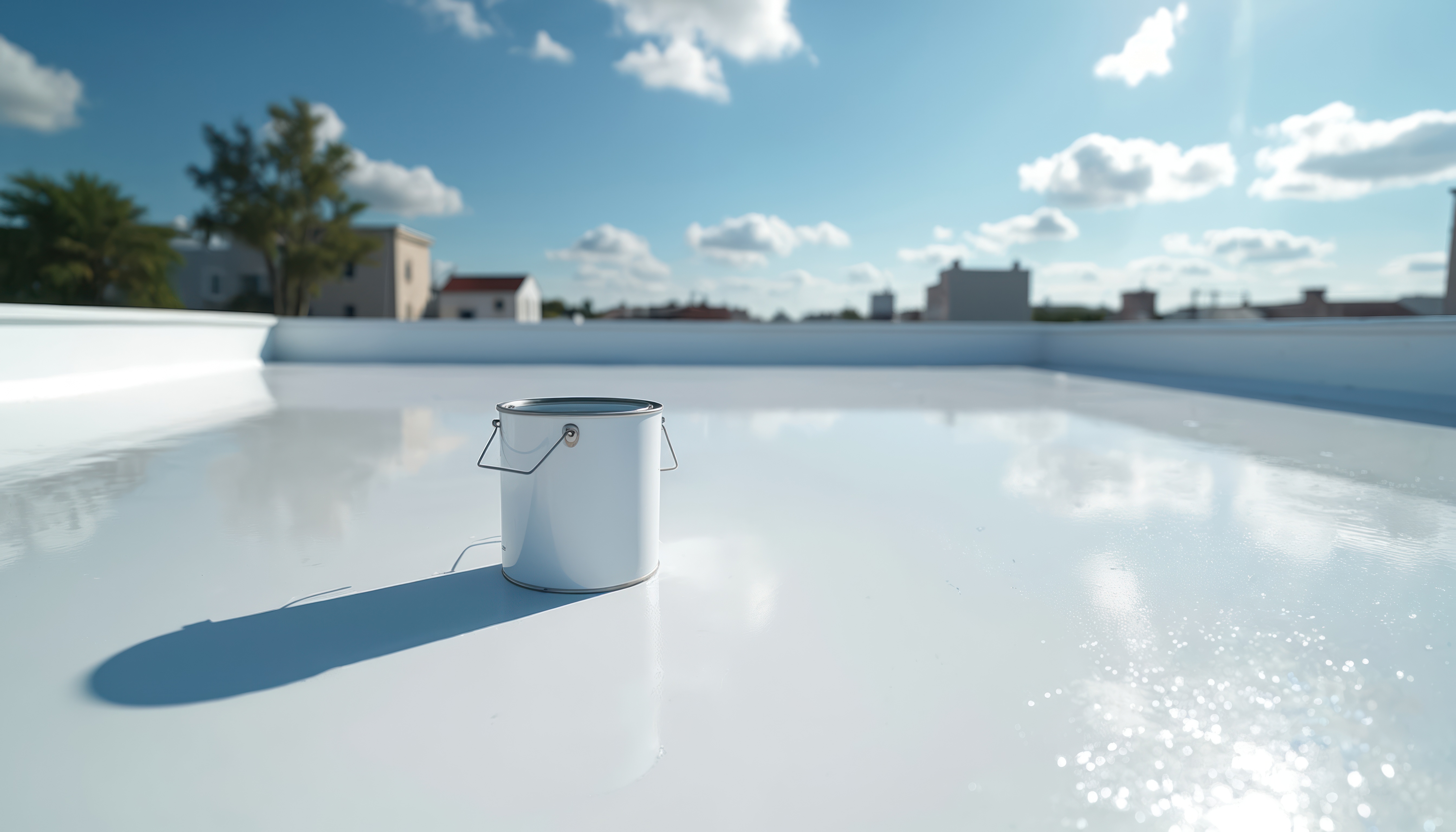
- Roof coating and reinforcement solutions
- Long-term capital planning guidance
We help property owners protect their investments and reduce long-term roofing costs.
Request your commercial roofing consultation today:
FAQs: Commercial Roofing in Utah and Colorado
How often should commercial roofs be inspected in Utah and Colorado?
Commercial roofs should be inspected at least twice annually and after major storms or winter seasons.
How long does a commercial roof last in Utah and Colorado?
Commercial roofs typically last 20–30 years, depending on system type and maintenance.
What causes most commercial roof leaks in Utah?
Freeze-thaw expansion, flashing failure, and membrane cracking are the leading causes.
What is the best commercial roofing system for Utah and Colorado?
PVC, metal, and reinforced TPO systems perform best in freeze-thaw climates.
How much does commercial roof replacement cost in Utah or Colorado?
Costs vary based on building size, system type, and condition. Professional inspections provide accurate estimates.


.jpeg)