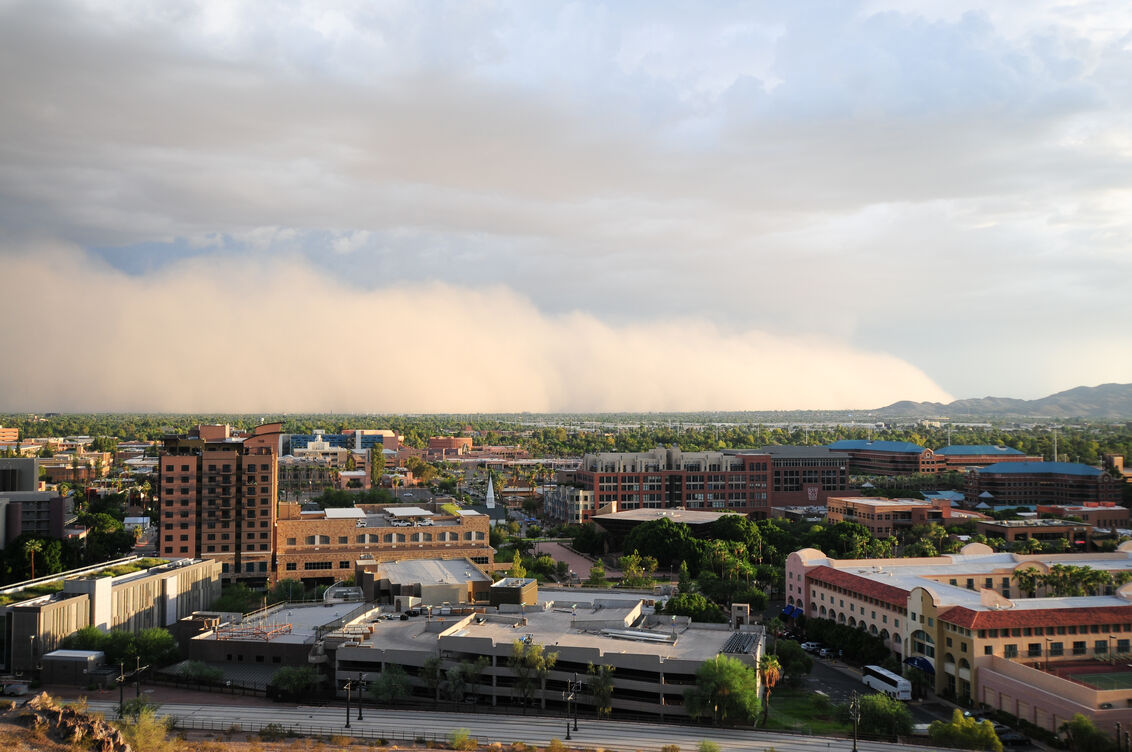

Arizona is known for its intense heat and dry desert climate—but from June through September, everything changes. Arizona monsoon season brings sudden thunderstorms, heavy rainfall, high winds, dust storms, and dramatic pressure changes that put commercial roofs under rapid stress. For property owners and facility managers, preparing a roof ahead of monsoon activity is essential for preventing leaks, structural issues, and business disruptions.
Whether you manage an industrial facility in Phoenix, a hospitality property in Tucson, or a retail center in Flagstaff, protecting your roof from monsoon damage requires careful planning and strategic upgrades. Below are the most effective ways to prepare commercial roofing in Arizona for the extreme conditions of monsoon season.
Explore Our Commercial Roofing Services in Arizona
How Arizona Monsoons Impact Commercial Roofs
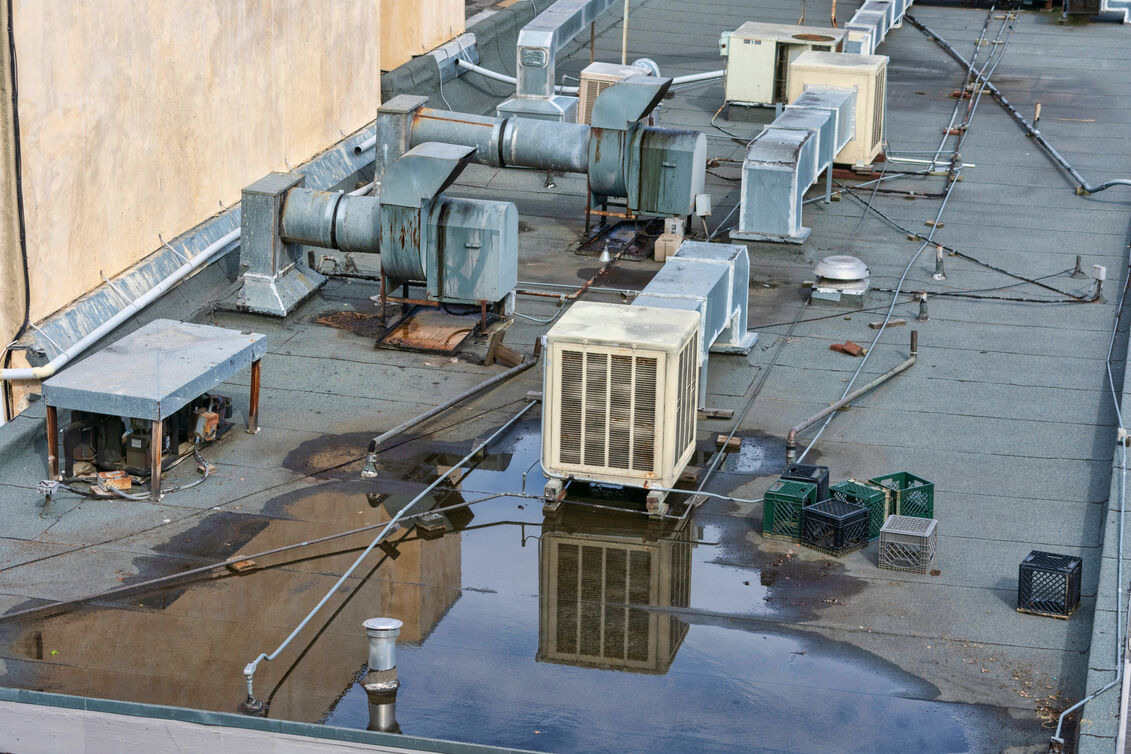
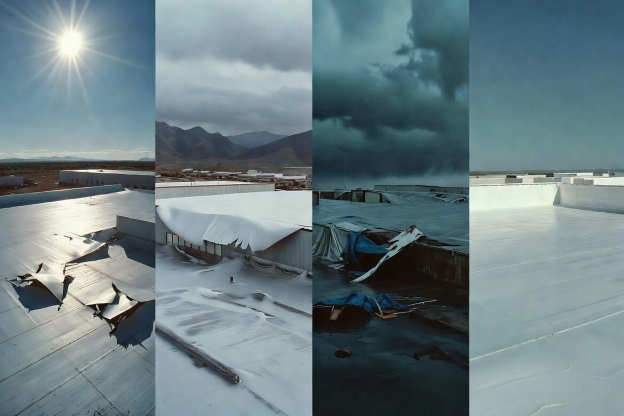
The monsoon cycle in Arizona is powerful and unpredictable. Commercial roofs—especially flat or low-slope systems—are uniquely vulnerable to rapid weather shifts.
1. Heavy Rainfall and Rapid Water Accumulation
Monsoon storms can release large volumes of rain in minutes. Commercial roofs may experience:
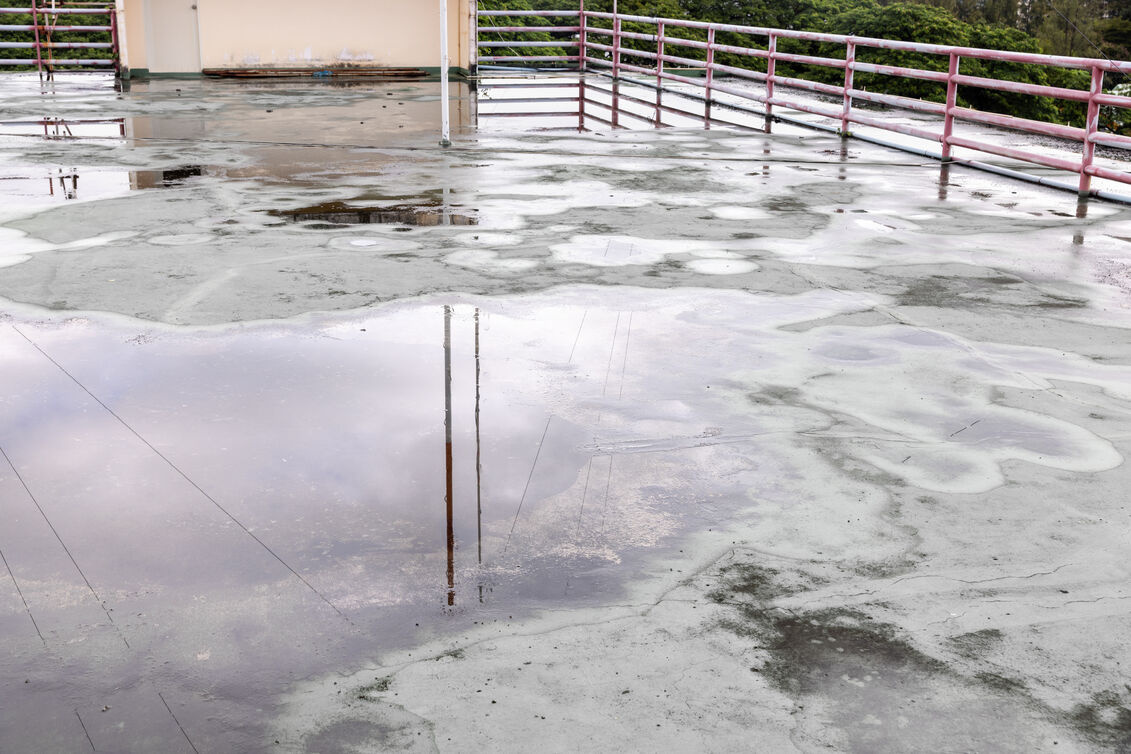
- Ponding water
- Overwhelmed or blocked drains
- Sudden membrane stress
- Water intrusion around seams or penetrations
Flat roofs that are not properly sloped or maintained are at especially high risk of water-related damage.
2. High Winds and Dust Storms
Strong gusts and microbursts can lift roofing materials or blow debris across the surface. Dust storms also carry fine particles that collect in drainage paths, worsening ponding during subsequent storms.
3. Lightning Strikes and Power Surges
Arizona’s dramatic lightning displays increase risks to rooftop equipment such as HVAC units, electrical conduits, and solar arrays.
4. Thermal Shock
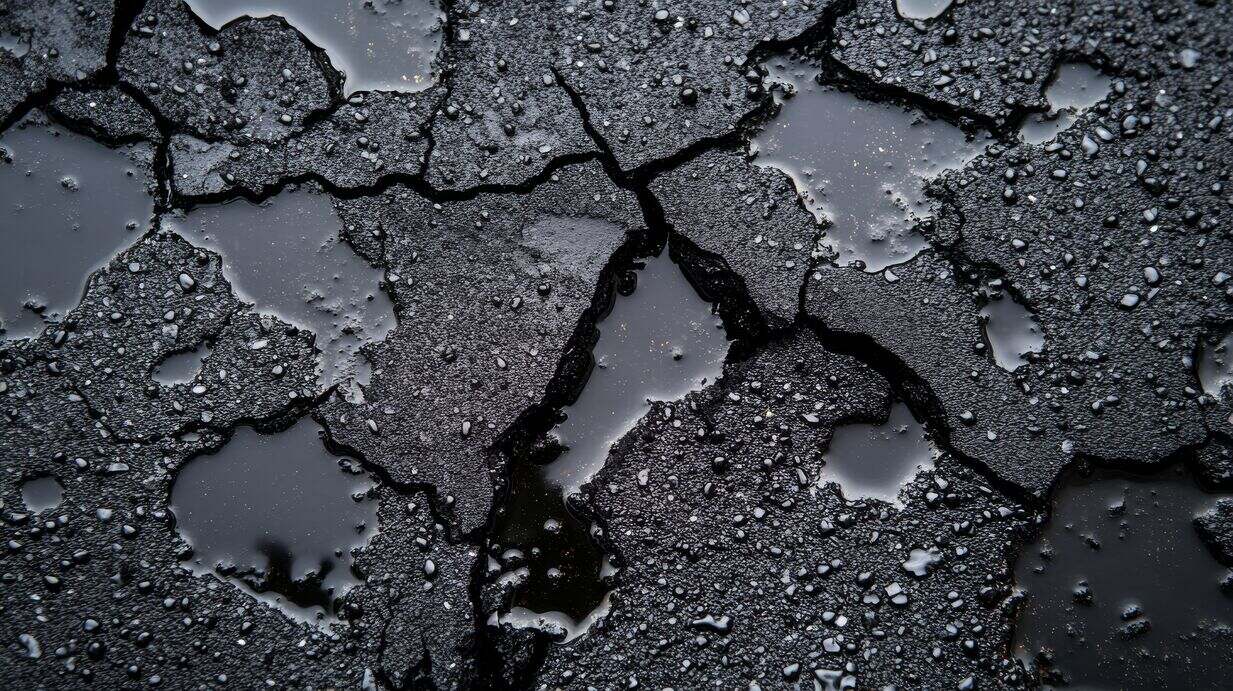
Extreme desert heat followed by sudden cold rain can cause roofing materials to contract rapidly. Over time, this leads to cracking, seam separation, and premature membrane aging.
Understanding these risks is the first step toward reinforcing your roof before monsoon season arrives.
Strengthening Your Commercial Roof Before Monsoon Season
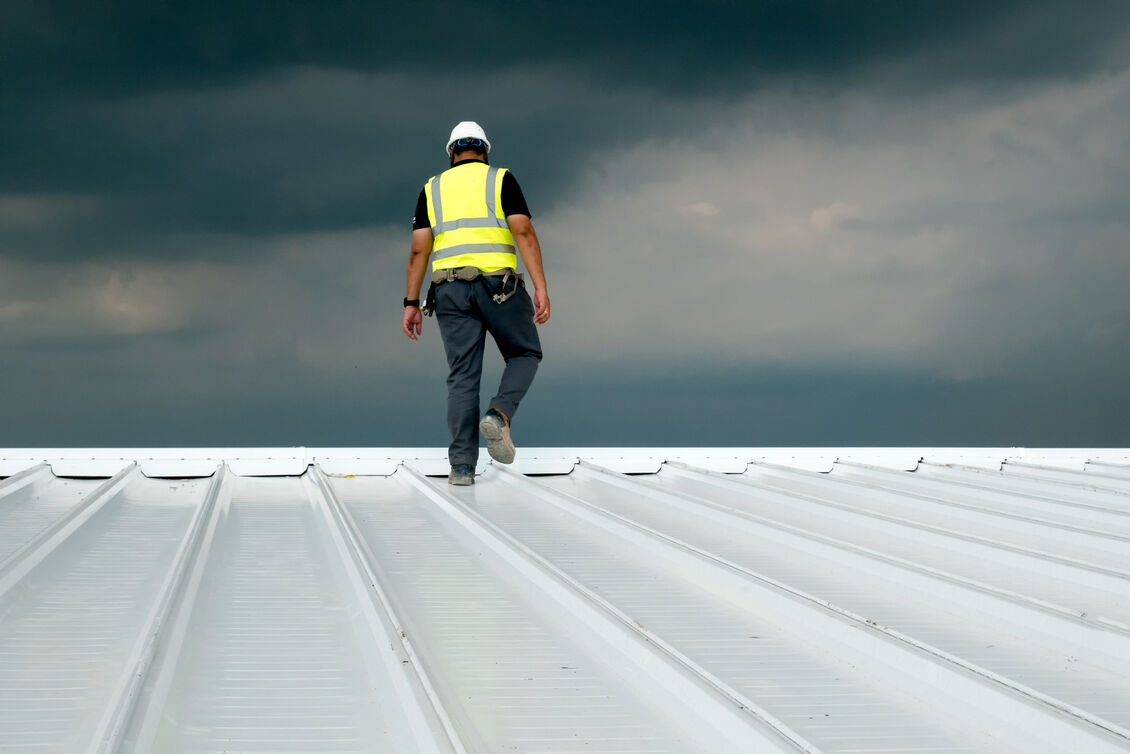
The best defense against monsoon damage is proactive preparation. Below are proven strategies to protect your building.
1. Perform Thorough Commercial Roof Inspections Before Monsoon Season
A detailed inspection is the foundation of effective storm preparation. Professional commercial roof inspections help identify vulnerabilities that could become major issues during heavy rain or strong winds.
During pre-monsoon inspections, roofing experts assess:
- Membrane condition
- Flashing and edge metal stability
- Drainage performance
- Roof penetrations and sealants
- Debris buildup
- Signs of UV fatigue or cracking
Addressing these issues early ensures your roof is ready when the first storm hits.
2. Clear and Enhance Roof Drainage Systems
Drainage is one of the most critical concerns for commercial roofing in Arizona. Since monsoons often involve intense bursts of rain, even minor obstructions can cause major water buildup.
Monsoon Drainage Preparedness Includes:
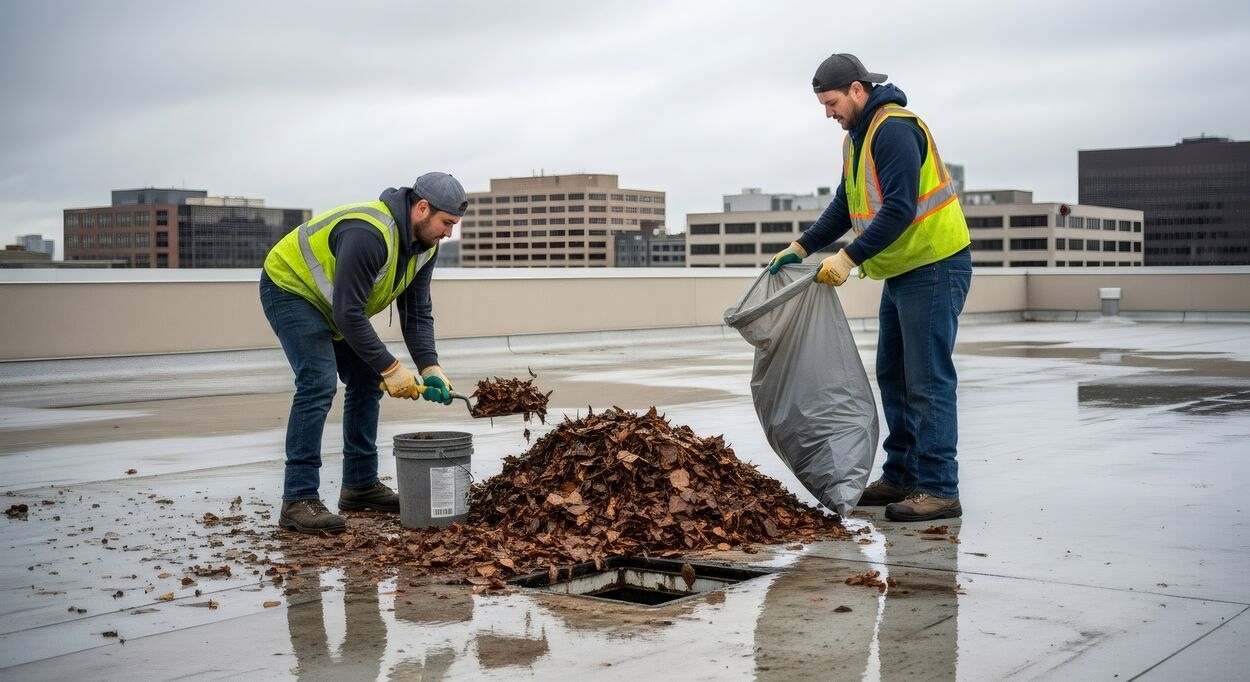
- Clearing debris from drains, scuppers, and gutters
- Inspecting downspouts for clogs
- Checking for low spots that create ponding
- Installing secondary or overflow drains if needed
- Ensuring parapet walls do not block water flow
Efficient drainage protects the membrane and prevents structural loading from excess water.
3. Reinforce Flashing, Seams, and Roof Edges
Strong winds during monsoon storms frequently target roof perimeters and areas where materials overlap. Weak flashing or loose edge metal can lead to lifted membranes or wind-driven water intrusion.
Recommended Reinforcements:
- Replace deteriorated flashing
- Seal gaps around penetrations
- Tighten or upgrade edge fasteners
- Apply high-performance sealant at vulnerable seams
Reinforcing these areas enhances overall roof stability and reduces the risk of sudden storm damage.
4. Remove or Secure Loose Rooftop Items
Objects left unsecured on the roof—construction materials, tools, panels, or even trash—can become airborne during a microburst. These airborne objects may puncture the membrane or damage rooftop systems.
Before monsoon season:
- Remove unnecessary items
- Secure HVAC access panels
- Fasten walk pads
- Check solar panel mounts
- Ensure skylights are properly latched
Taking a few minutes to clear the roof can prevent thousands of dollars in damage.
5. Apply Protective Coatings for UV and Water Defense
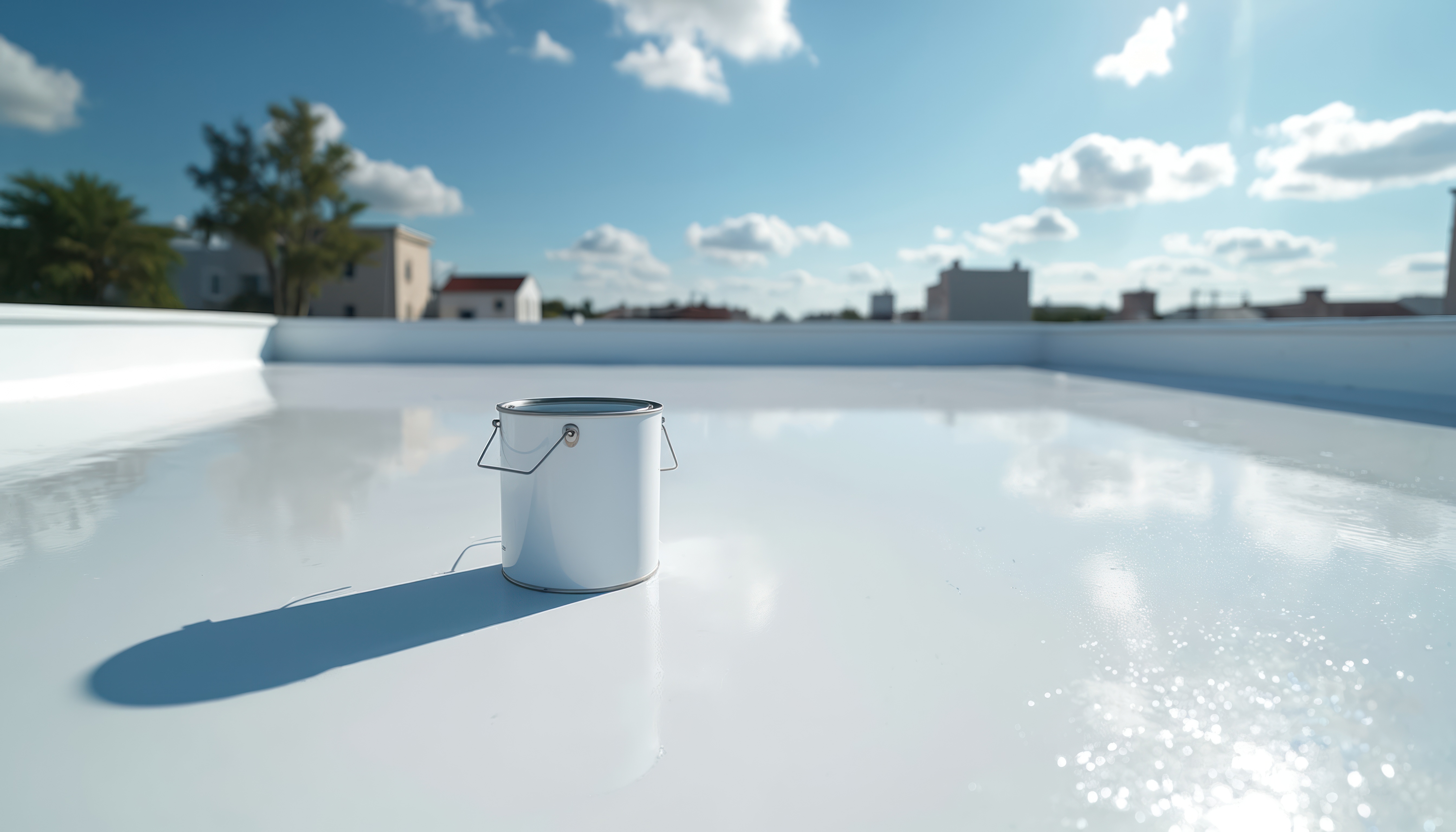
Arizona’s UV exposure is intense, even during monsoon season. Applying a reflective or elastomeric coating strengthens the roofing membrane, protects against thermal expansion, and improves resistance to water intrusion.
Benefits of Protective Roof Coatings:
- Reflect sunlight and reduce heat gain
- Extend membrane lifespan
- Improve waterproofing performance
- Reduce cracking from thermal shock
- Stabilize areas prone to wear
Coatings offer a cost-effective way to reinforce your roofing system before monsoon storms arrive.
Dust Storm Preparedness: A Unique Arizona Concern
While rain and wind are major monsoon risks, dust storms—known locally as haboobs—add a special challenge. Dust accumulates quickly in drains, seals, and rooftop equipment.
Dust-Related Risks Include:
- Blocked drainage leading to ponding
- Premature wear on mechanical units
- Abrasion to membrane surfaces
- Reduced rooftop visibility during inspections
After a dust storm, commercial roof maintenance such as cleaning and debris removal is essential to restore drainage and protect the membrane from buildup.
Post-Monsoon Maintenance: Essential for Long-Term Roof Health
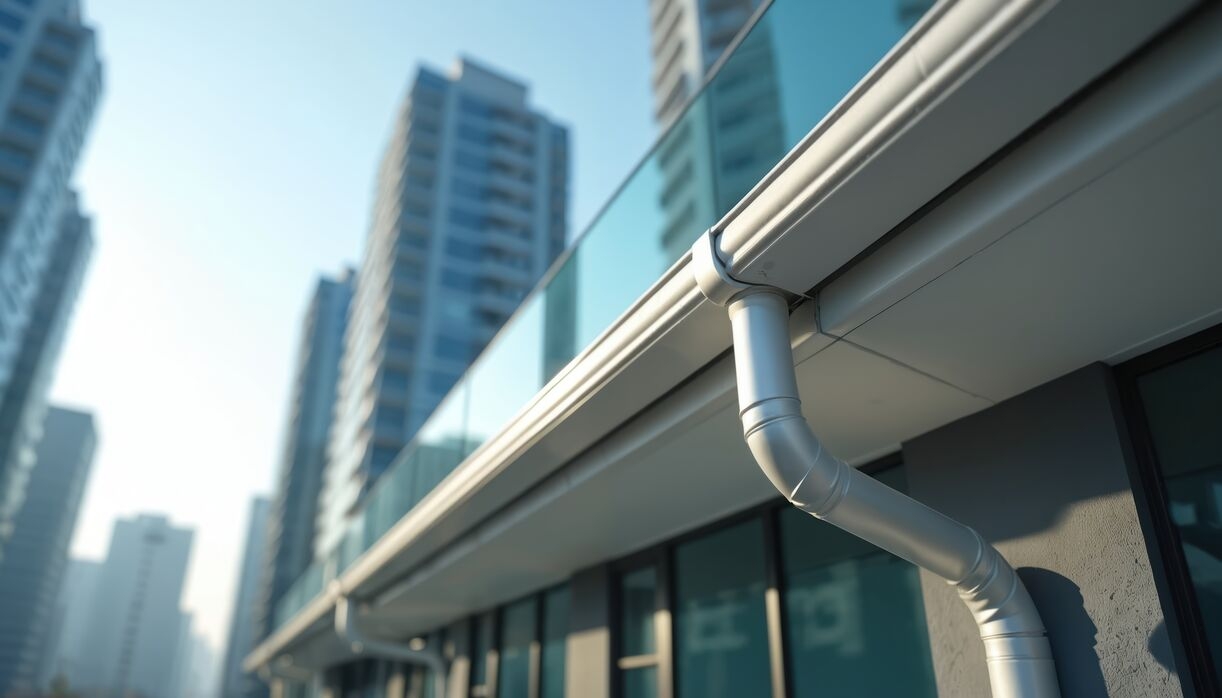
After monsoon season passes, many roofs exhibit signs of wear that need attention before they worsen. Scheduling professional follow-up maintenance ensures long-term performance and resilience.
Post-Monsoon Maintenance Should Include:
- Checking for ponding water damage
- Inspecting gutter and drain systems
- Evaluating membrane punctures or lifted seams
- Assessing flashing and edge metal
- Removing leftover storm debris
- Checking HVAC unit attachments and penetrations
Consistent commercial roof maintenance throughout the year significantly reduces repair costs and extends roof life.
When Repairs Are Needed: Acting Quickly Prevents Bigger Problems

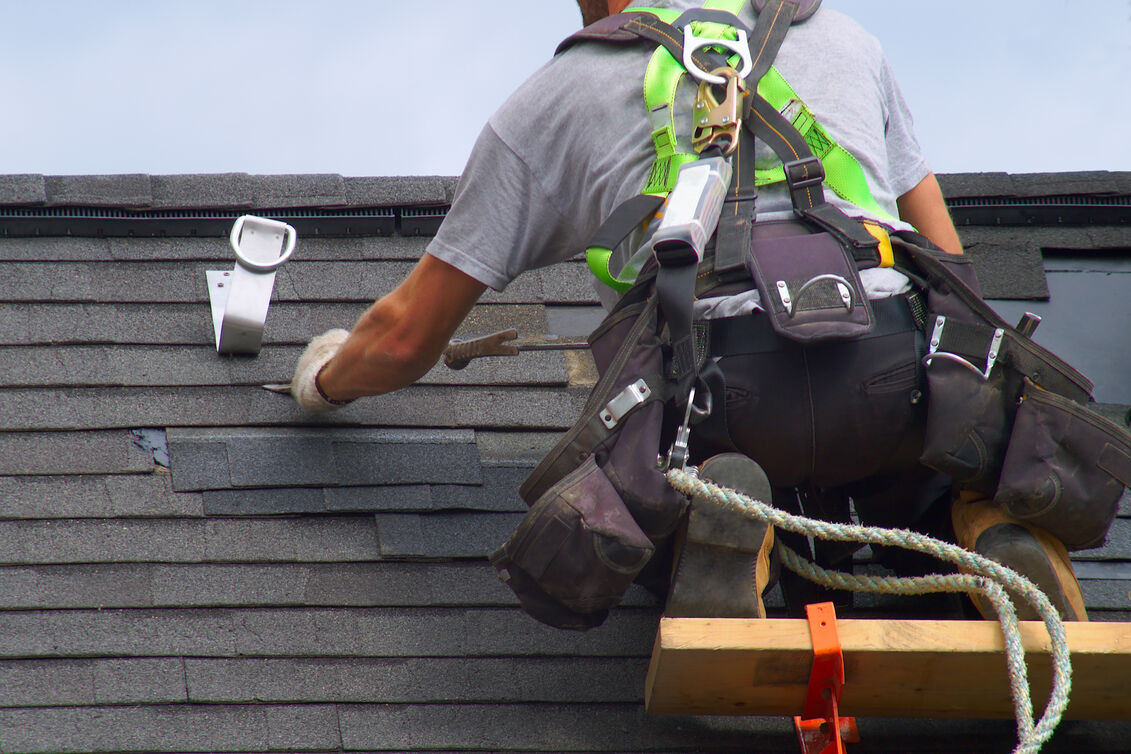
If monsoon storms expose weaknesses, addressing them promptly is critical. Even small leaks can spread quickly in a flat roofing system, damaging insulation, interior walls, and equipment, and prompt roof repair can mitigate this spread.
Prompt repairs help avoid:
- Mold growth
- Electrical hazards
- Structural deterioration
- Inventory loss or business downtime
Waiting until next monsoon season only increases risk and repair costs.
Preparing for the Next Arizona Monsoon Season: Long-Term Strategies
To ensure annual performance and peace of mind, consider long-term improvements that enhance storm resilience.
Long-Term Monsoon Preparation May Include:
- Installing additional drainage systems
- Upgrading outdated membranes
- Reinforcing rooftop equipment
- Improving building insulation
- Developing a yearly inspection schedule
- Adding impact-resistant materials for wind protection
Businesses with aging roofs or expanding operations benefit greatly from evaluating long-term upgrade paths.
Why Proactive Monsoon Preparation Matters for Arizona Businesses
Arizona’s monsoon season is unpredictable. A single storm can cause:
- Interior flooding
- Disrupted operations
- Compromised electrical systems
- Damaged inventory or machinery
- Costly emergency repairs
Preparing your roof in advance helps protect not only the building but also your employees, equipment, and business continuity.
Partnering with a specialist in commercial roofing in Arizona ensures your roof is reinforced for intense desert storms.
Why Choose Solameer for Monsoon-Ready Roofing?
Solameer provides expert roofing solutions engineered specifically for Arizona’s harsh summer climate. Our team understands the extreme heat, sudden storms, dust events, and rapid temperature swings that affect commercial roofs across the state.
Our Monsoon Preparation Services Include:
- Comprehensive commercial roof inspections
- Pre- and post-monsoon maintenance plans
- Drainage system assessments and upgrades
- Protective roof coatings
- Flashing and edge reinforcement
- Emergency storm repair services
- Long-term commercial roof maintenance programs
Our mission is to help Arizona businesses stay protected, resilient, and storm-ready—no matter what the monsoon season brings.
Get Ready Before Monsoon Season Arrives
Preparing for Arizona monsoon season is one of the smartest investments a business can make in its building infrastructure. Solameer offers tailored strategies that protect your commercial property from intense rainfall, high winds, dust storms, and heat-driven material stress.
Ready to strengthen your roof before the next monsoon? Contact Solameer today for a professional commercial roofing assessment.
Frequently Asked Questions
How long does liquid rubber last on a roof?
Liquid rubber coatings typically last 10–20 years depending on the quality of the product and the level of commercial roof maintenance performed. In Arizona’s extreme UV conditions, reapplication may be needed sooner to maintain performance.
Will insurance cover roof damage from rain?
Insurance coverage varies, but most policies cover sudden and accidental water damage—such as leaks caused by monsoon storms. Damage resulting from neglect or lack of maintenance may not be covered.
How often should a commercial roof be replaced?
Most commercial roofs last 20–30 years depending on material, climate, and maintenance. In Arizona, heat and monsoon exposure can shorten lifespan without regular commercial roof inspections.
What kind of damage can a monsoon cause?
Monsoons can cause roof membrane tears, wind uplift, punctures from flying debris, clogged drains, water intrusion, and damage to HVAC or electrical equipment. Flat roofs are especially vulnerable to heavy rainfall and sudden pressure changes.
What is considered storm damage to a roof?
Storm damage includes issues caused by wind, rain, lightning, falling debris, or sudden pressure shifts. Torn membranes, missing flashing, ponding water, leaks, and impact marks all qualify as storm-related damage.
How long do monsoons last in Arizona?
The Arizona monsoon season generally lasts from mid-June to the end of September, though intensity and duration vary by region and year.
What is the rainiest month in Arizona?
July is typically the rainiest month in Arizona, with frequent monsoon storms bringing heavy rainfall, lightning, and high winds.


.jpeg)